All in a Day's Walk
A month-long slow food walking performanceArchive for Walk
All in a Day’s Walk (Again)
All in a Day’s Walk is a month-long tracktivist walking performance. It was first performed in the winter, from 6th December 2012 to 6th January 2013. It is now being repeated in the summer, from midnight on 6th July to midnight on 6th August. During this time, I will live entirely within the distance I am able to walk away from home in a day, sustaining myself only on the food that is grown, harvested, processed and obtainable within this distance. I will walk as far and as frequently as I can, measuring out by foot the new limits of my new month’s (and new home’s) existence-subsistence-persistence. I will travel only on foot, accepting no lifts and using no public transport. I will not accept hospitality or food from hosts or visitors that does not meet these criteria. I will try to follow all the rules even if I can’t answer all the questions. And I will be curious about seasonal difference.
Tracktivism is about talking and listening, and I hope my walks will facilitate plenty of that: conversational encounters with the people I meet, either randomly on my route or pre-arranged at a specific destination… walkers, farmers, growers, millers, bakers, apiarists, artisan cider-producers, foresters, road-workers, yurt-makers, hauliers, butchers, bakers and candlestick-makers. We might talk about the weather. We might talk about talking. We might talk about walking. But we will most probably talk about f o o d , where it comes from, and why it matters…
It’s slow food meets slow activism meets slow performance. So, please take some time to meander through these pages if you wish, and leave some slow comments…
Jess Allen 06/07/13
Lea, Ross-on-Wye, Herefordshire, HR9 7JZ
Epiphany
I arrived… “to walk there is to earn it, through laboriousness and through the transformation that comes during a journey” (Rebecca Solnit 2001, p. 51)
Wassail! Drink Hail!
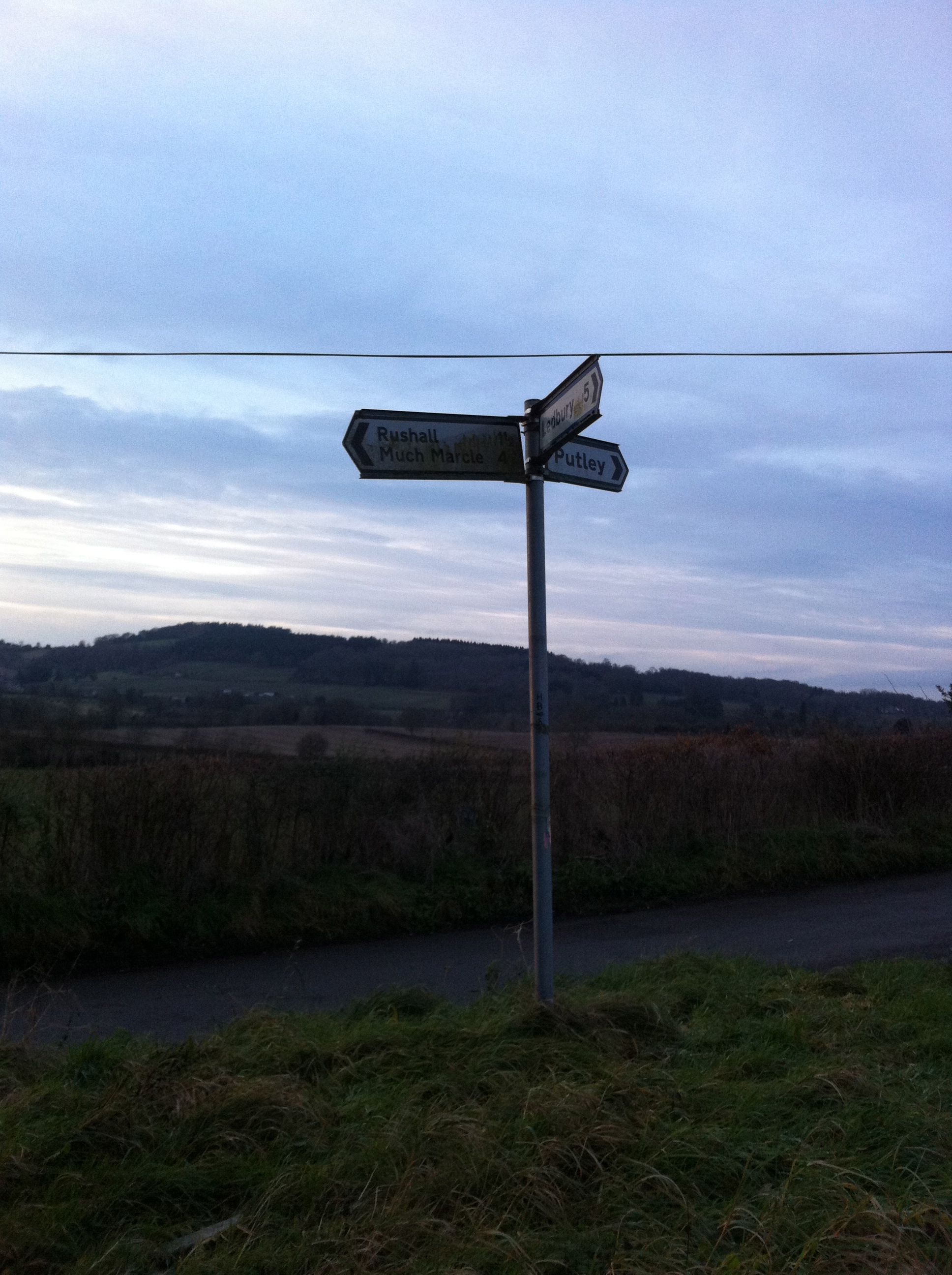
It’s my penultimate day and the sun is shining, weakly. I’ve got what feels like a long walk ahead of me as I set off – possibly more perceptually than literally because I’m walking to Ledbury and back over the lip of the Marcle Ridge (which organic dairy farmer, local historian and general polymath Will Edwards told me they believe may have originally formed the England-Wales border, an older and much more easterly Offa’s Dyke than the one we think of now and which would have put at least half of what is now Herefordshire into Wales). The wooded ridge pouts broodingly on the farm’s eastern horizon and makes whatever lies beyond seem laboursome to reach.
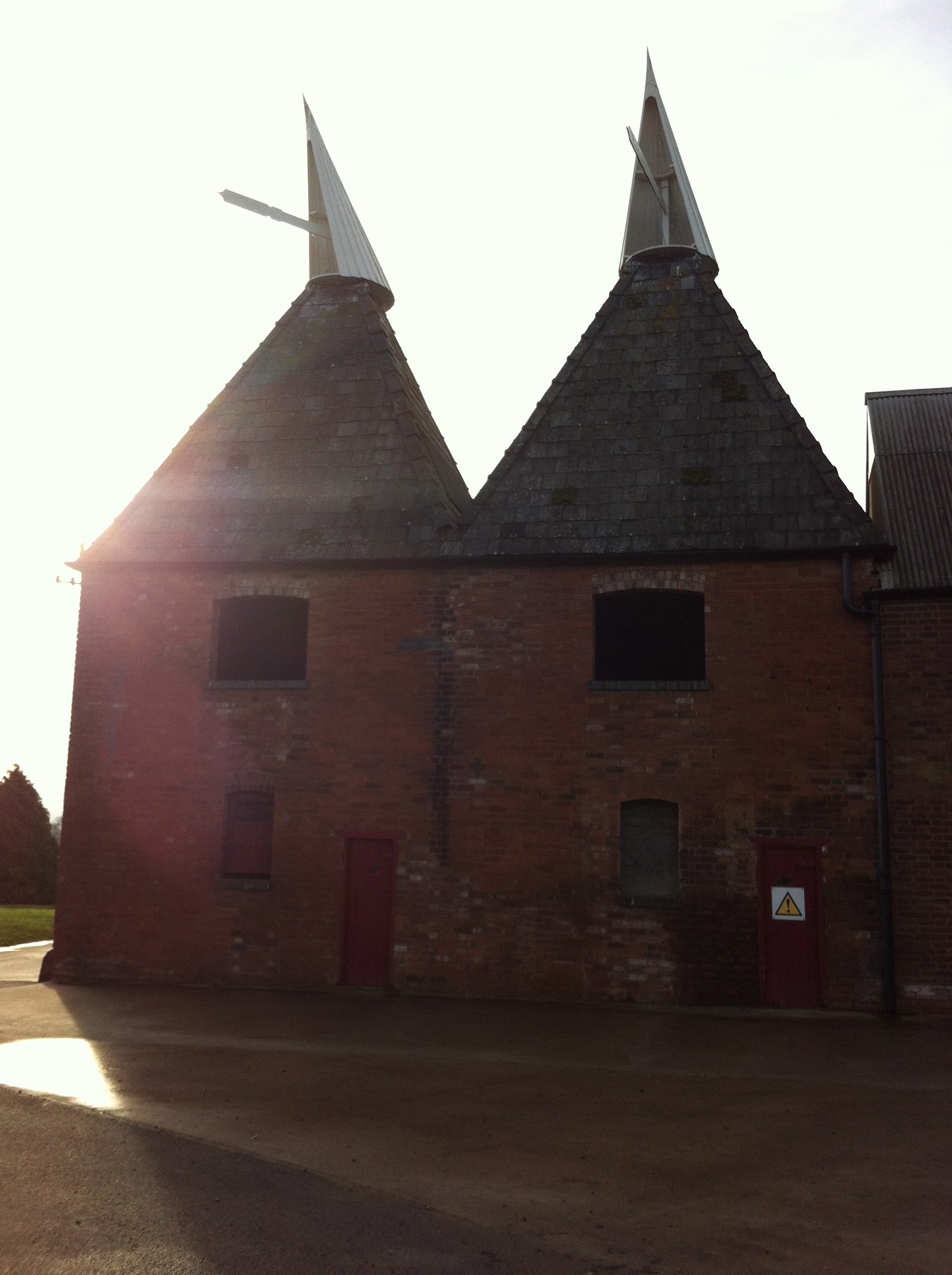
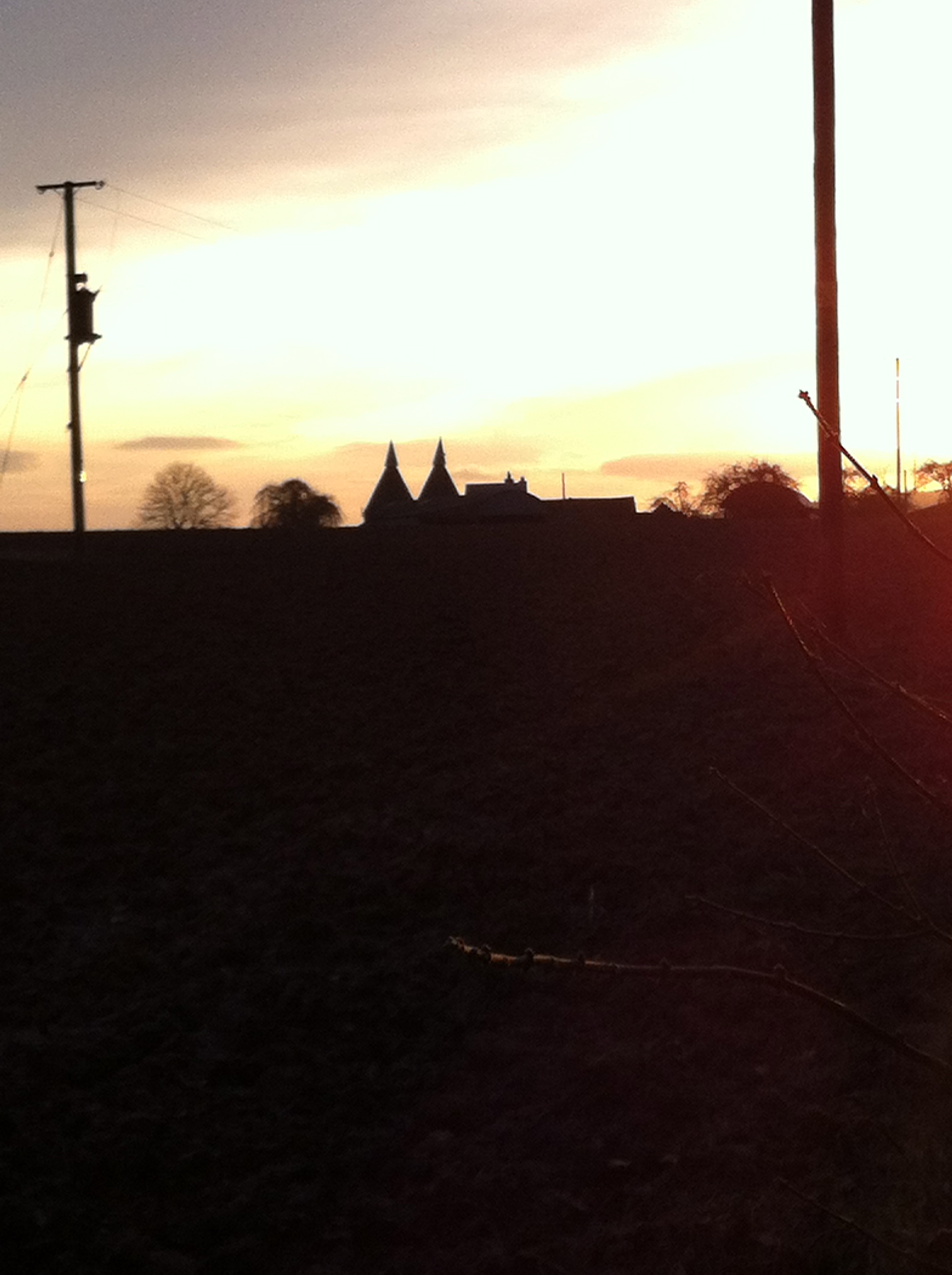
I set off purposefully, scuttling across to Sollers Hope Church and up the road past Whittlebury Farm, a neat inversion of my first day’s walk. On the long diagonal slide of road that strokes the flank of the ridge I’m almost surprised to pass a solitary walker (I’ve not had many walking encounters this month). And then I’m dropping down over the other side and the flat expanse of fields opens out between me and the spire and sprawl of Ledbury. This is comparatively uninhabited country for Herefordshire – looking at the map as well as the landscape in front of me I’m struck by its blankness: the absence of roads, dwellings and farms in this stretch of countryside. The sleeping blue dragon of the Malvern Hills form my easterly horizon now, towards which I’m directly headed. It’s a strange flat trek across endless arable fields. Absentminded or brain-numbed, I lose the footpath and accidentally trespass past the dramatic silhouette of oasthouses in a farmyard – the owner reminds me – I shouldn’t be crossing. Then roads and more clay-heavy arable field crossings until I reach the industrial outskirts of Ledbury.
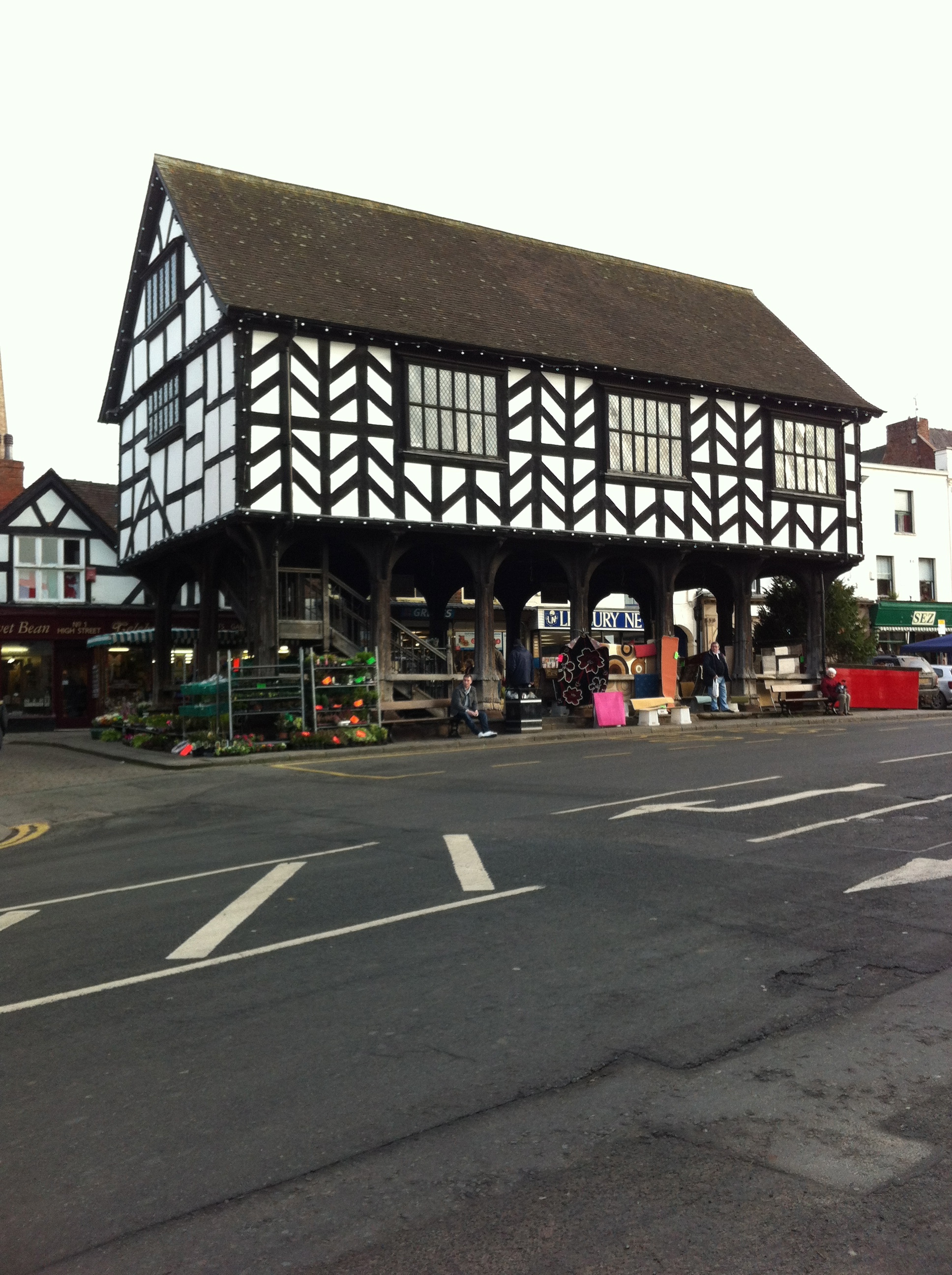
My destination is the Three Counties Cider Shop (not far from the iconic black-and-white market house) the town outlet for Once Upon a Tree cider, but which is also passionate about supporting other small, local cider producers from these adjacent counties (Herefordshire, Gloucestershire, Worcestershire). I’m greeted by the enthusiastic Sam Pardoe who explains the shop’s ethos, recommends and allows me to sample some of the excellent produce (including the cider on tap with which they will fill any receptacle; decadently I give him one of my empty Sigg water bottles for some Gwatkins Stoke Red to fuel the walk back) and then engages in lively conversation ranging from growing up locally on, as it happens, the UK’s then largest organic farm, to ethical meat production, to bartering and skills exchange as the way forward for local sustainable living.
Audio Track: Sam at Three Counties Cider Shop – perry-making and ice-wine dessert cider tasting
Audio Track: Sam at Three Counties Cider Shop – on supporting local artisan producers
Audio Track: Sam at Three Counties Cider Shop – on growing up on a fruit farm, bartering and meat
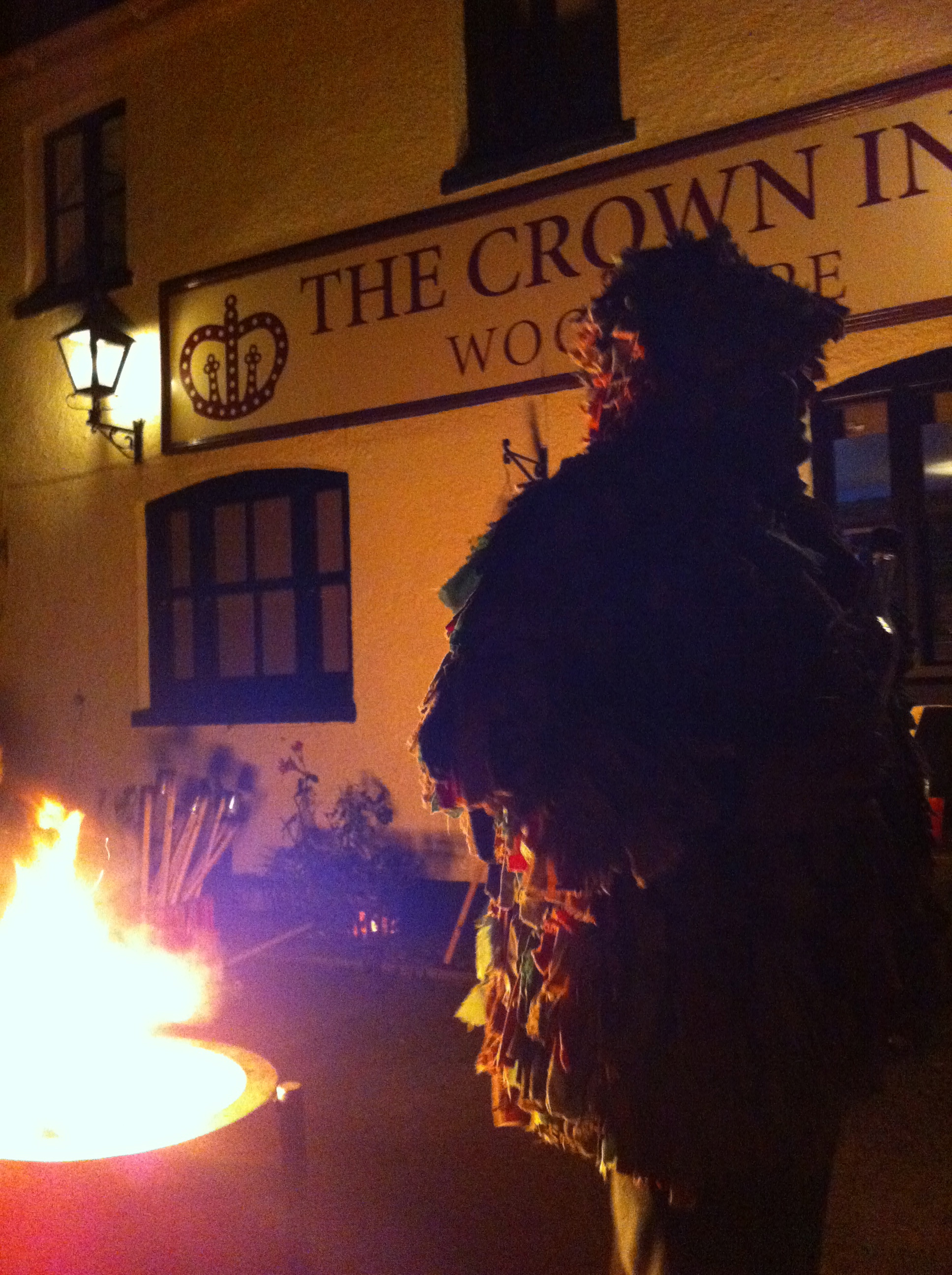
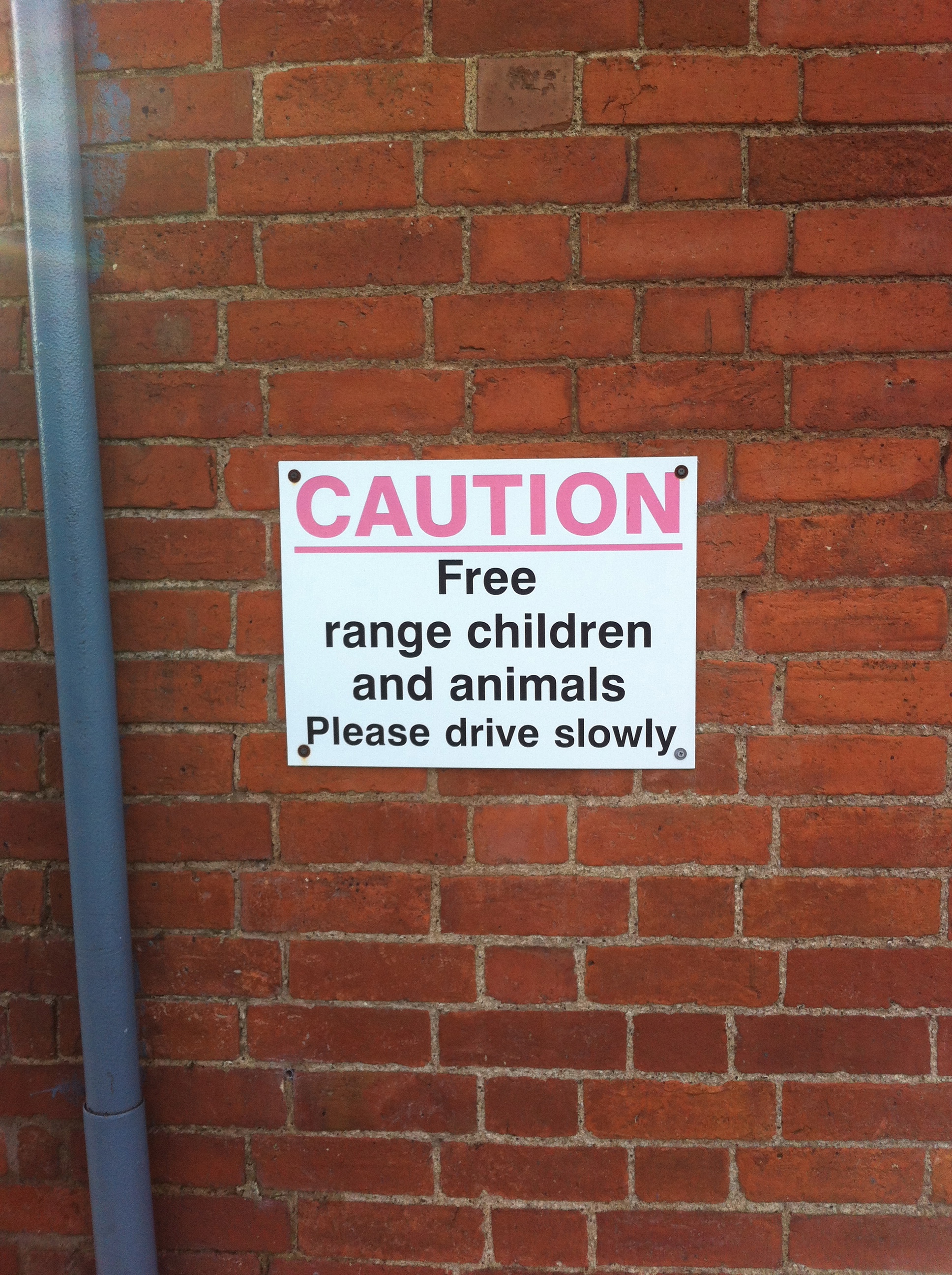
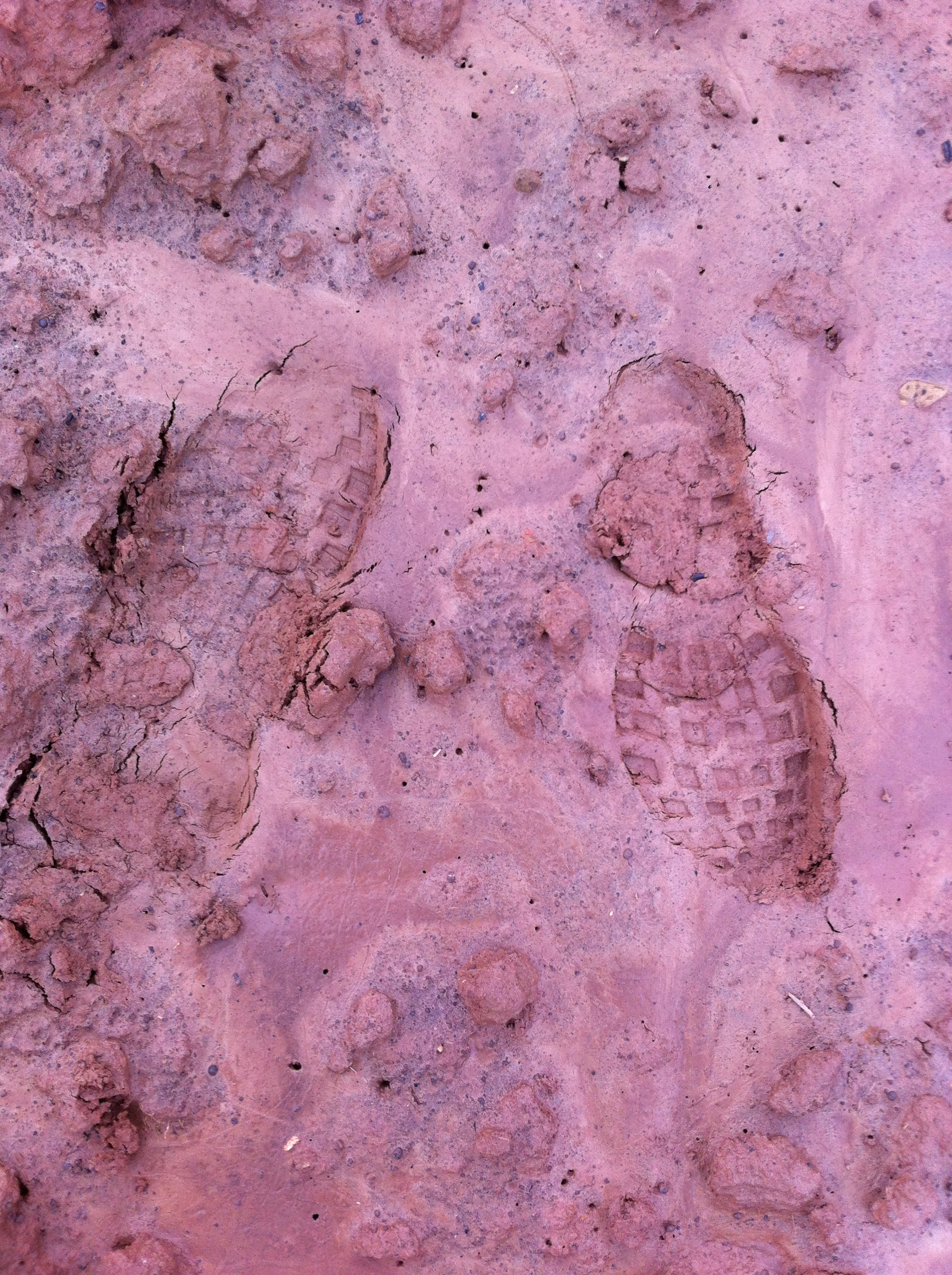
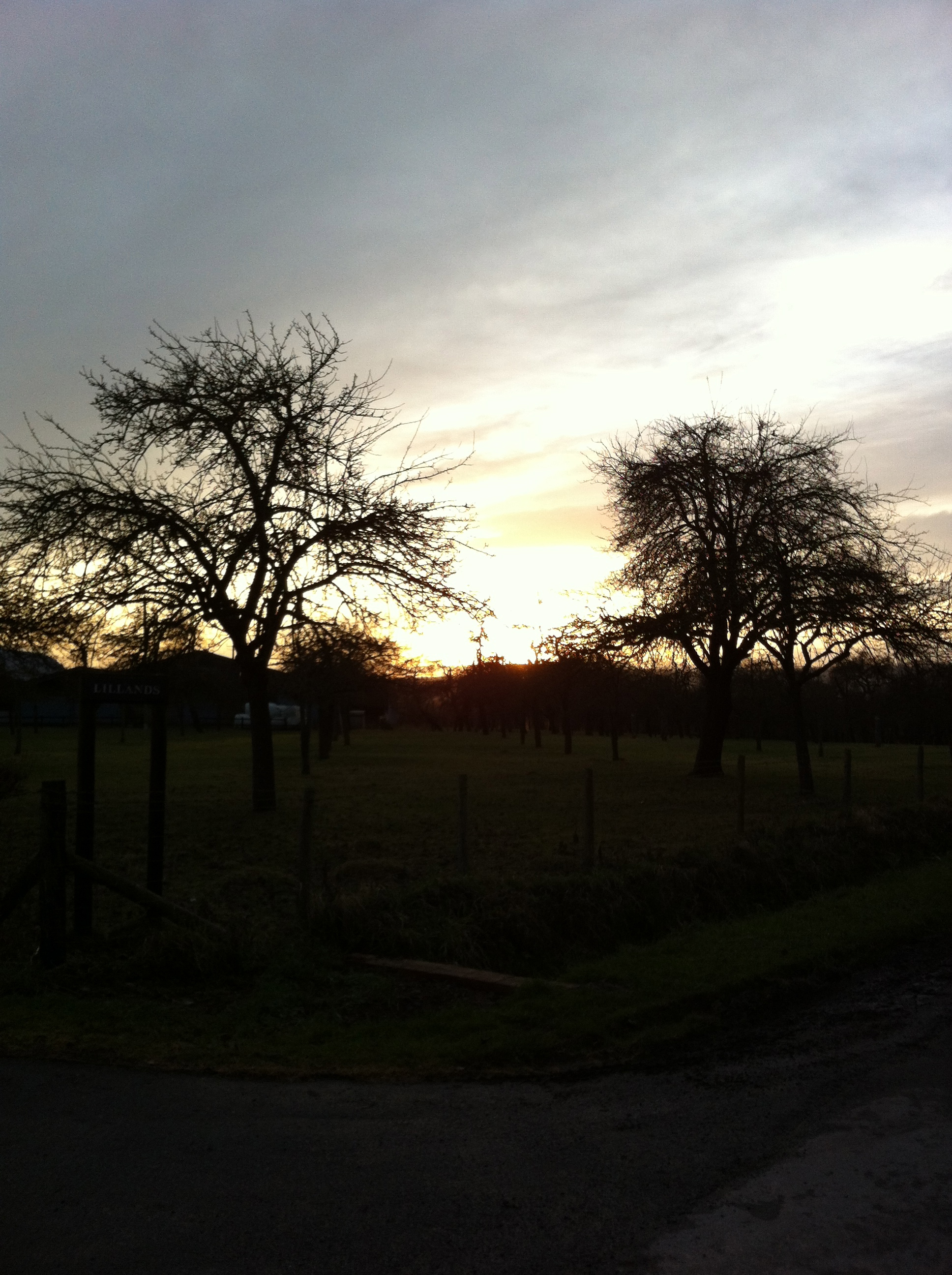
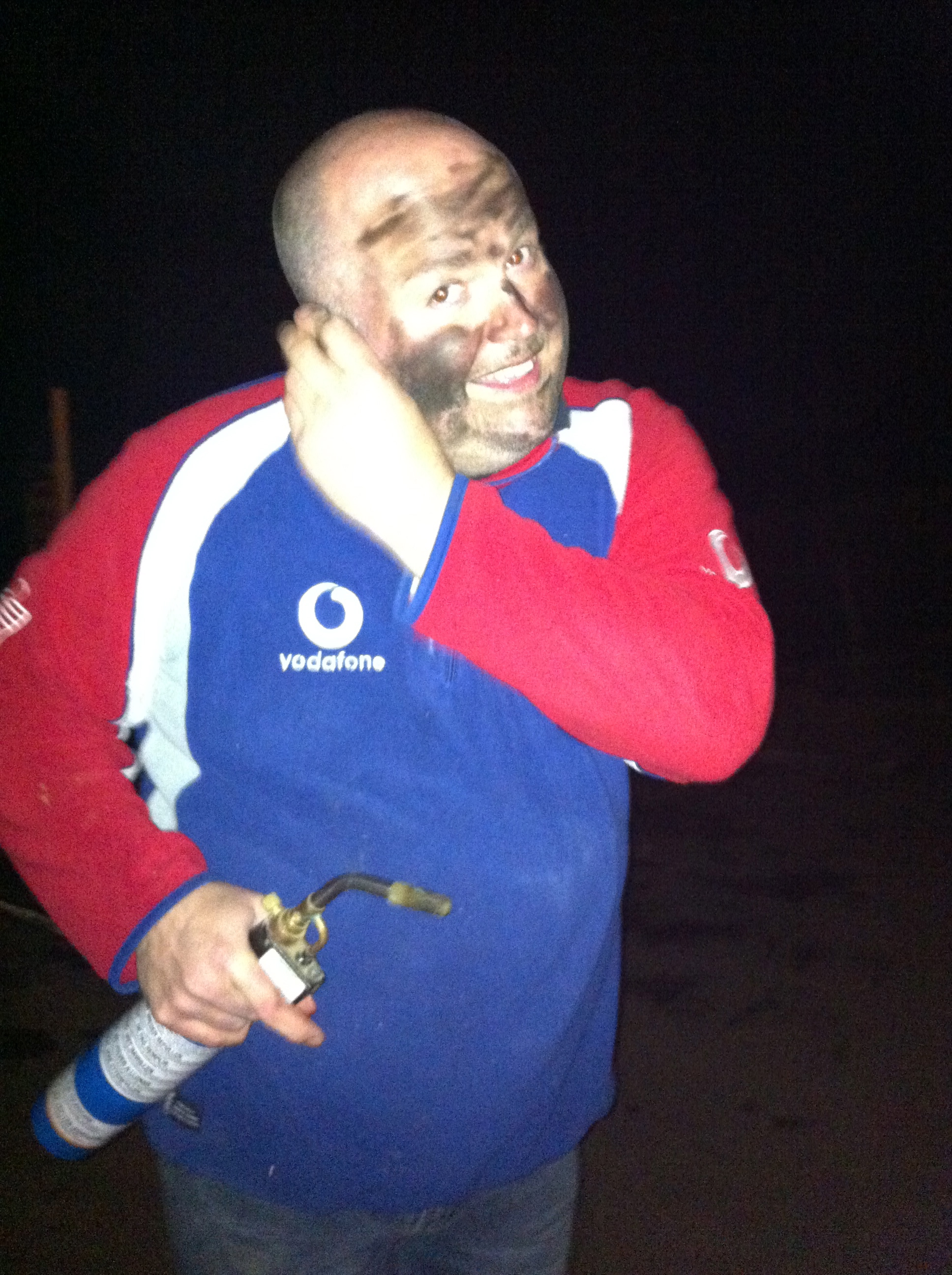
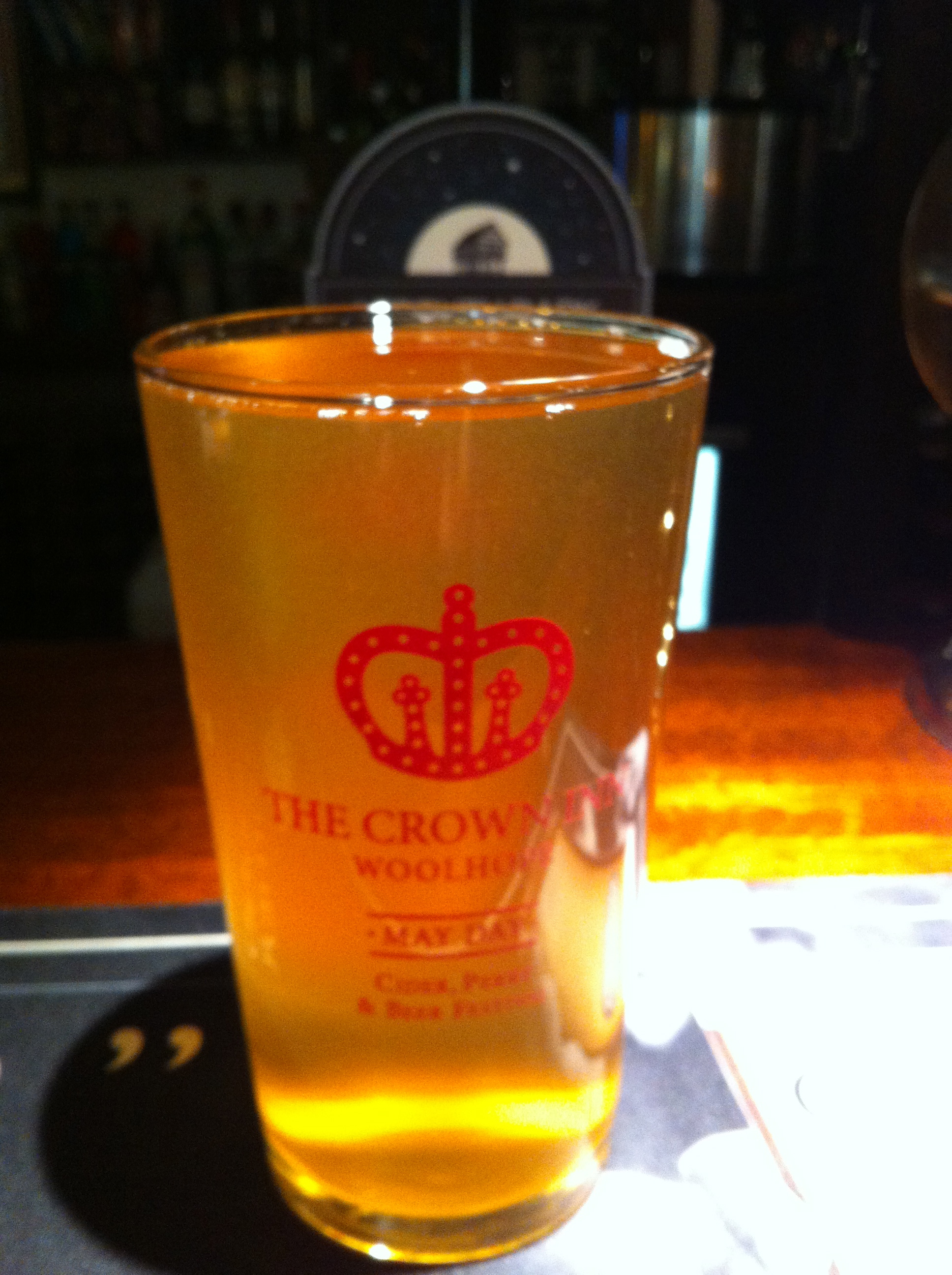
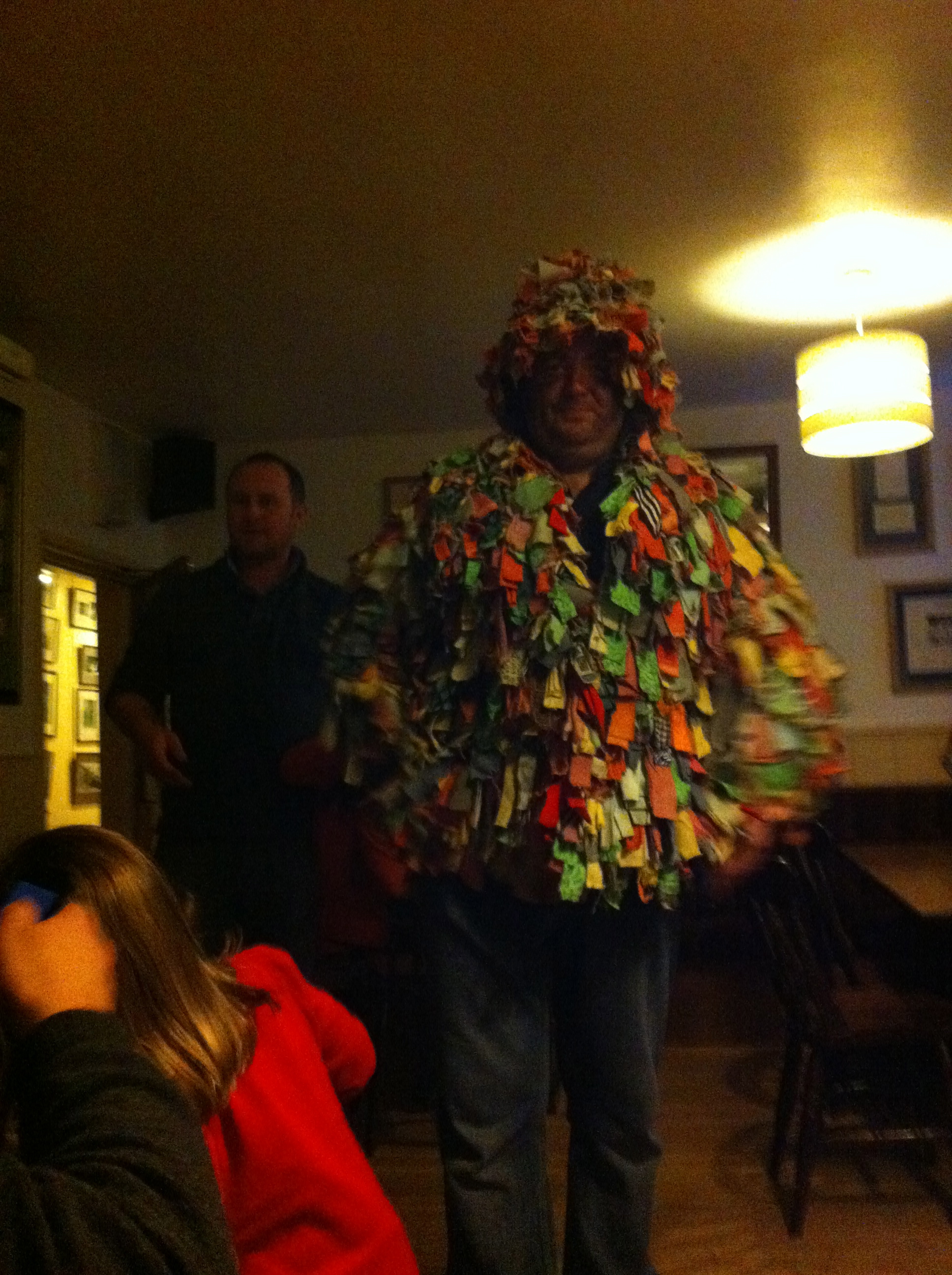
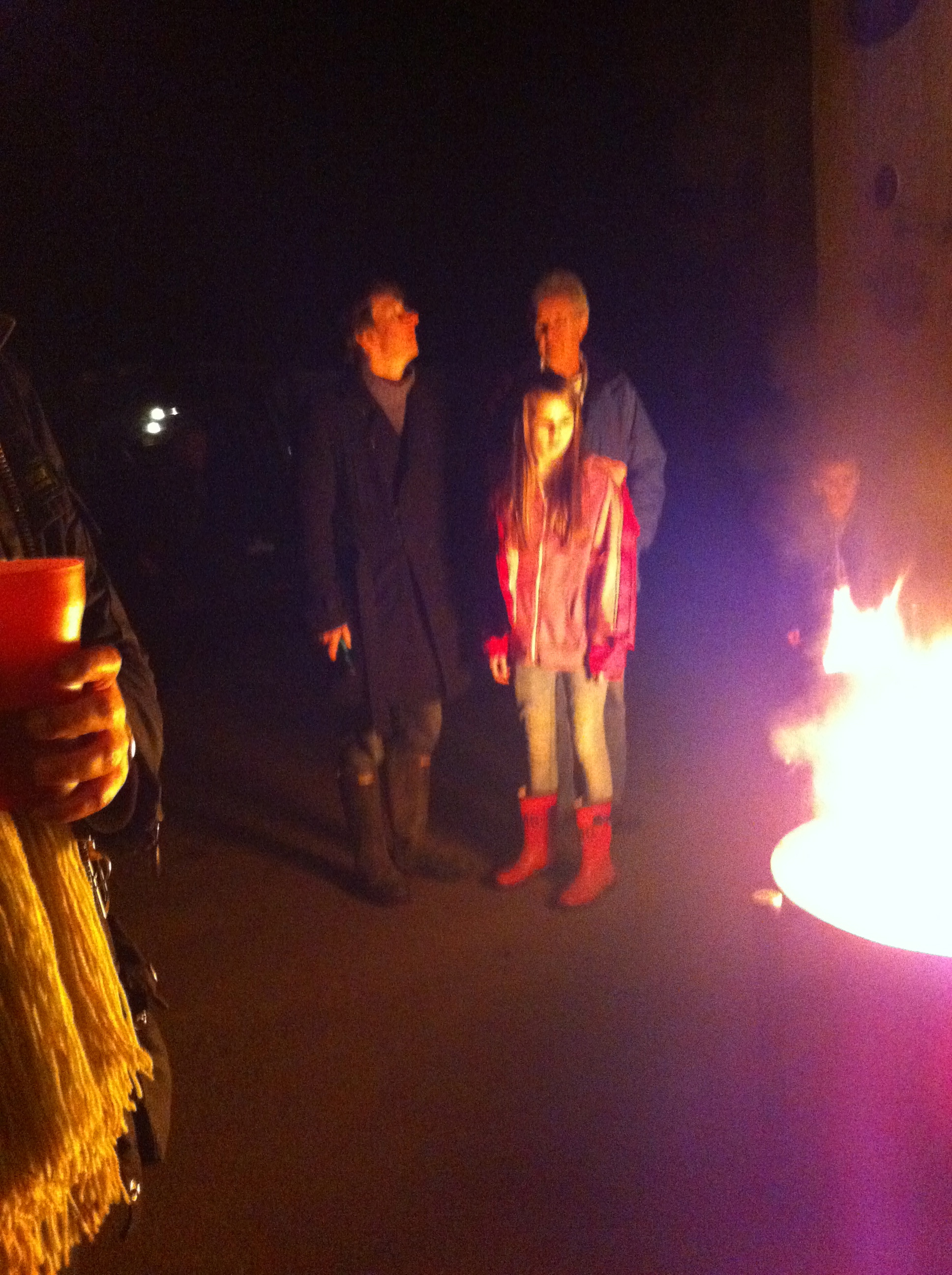
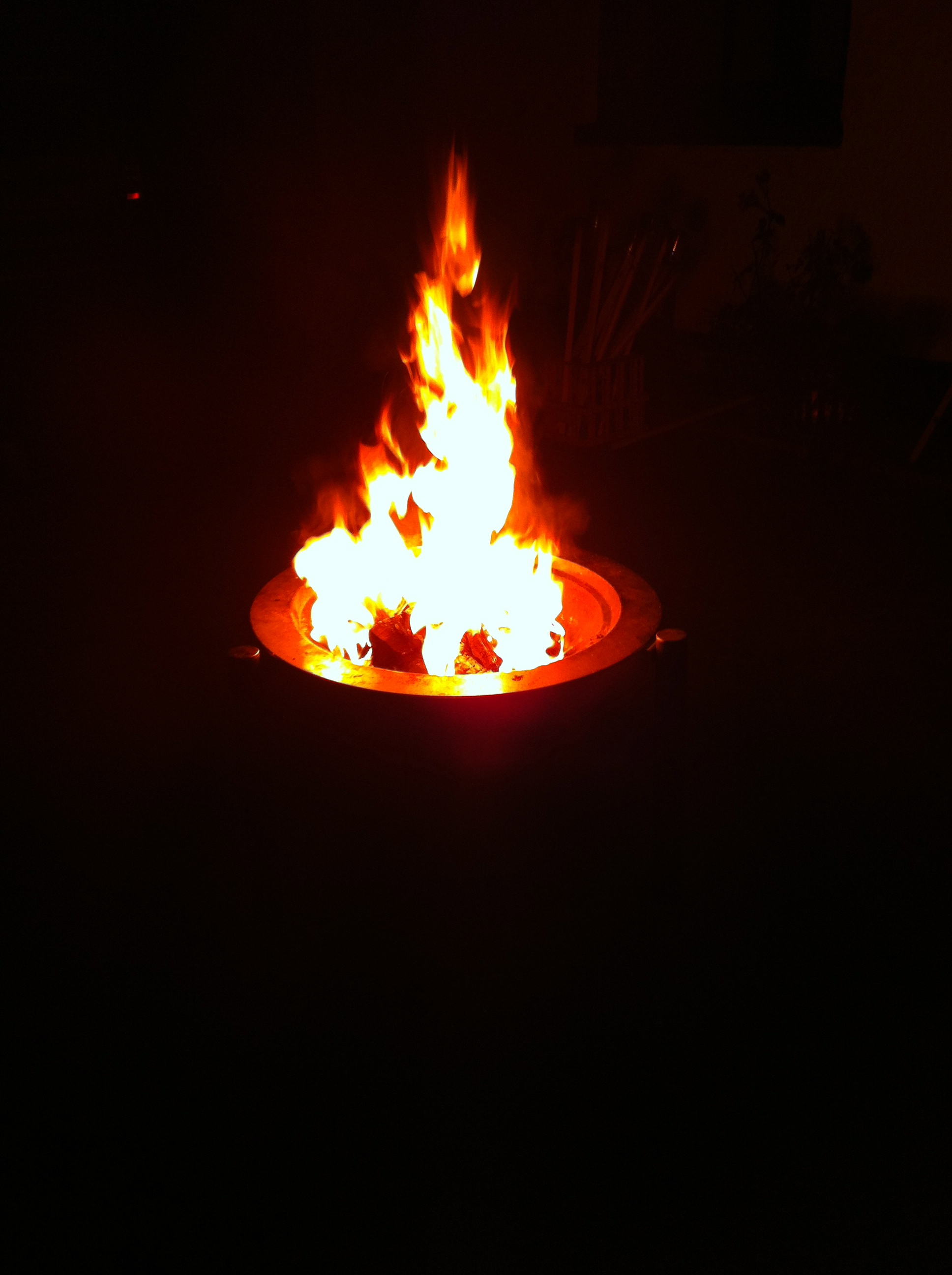
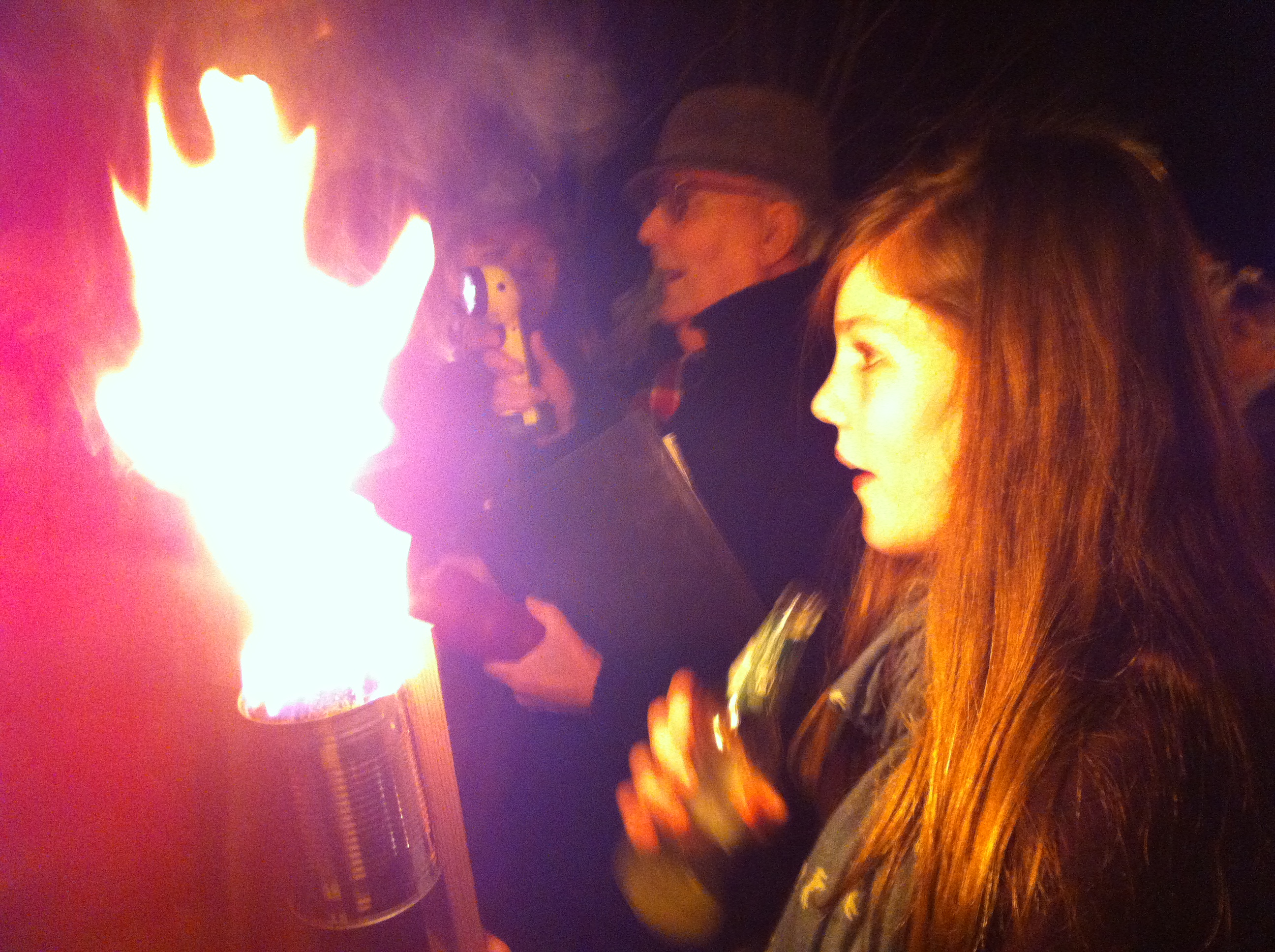
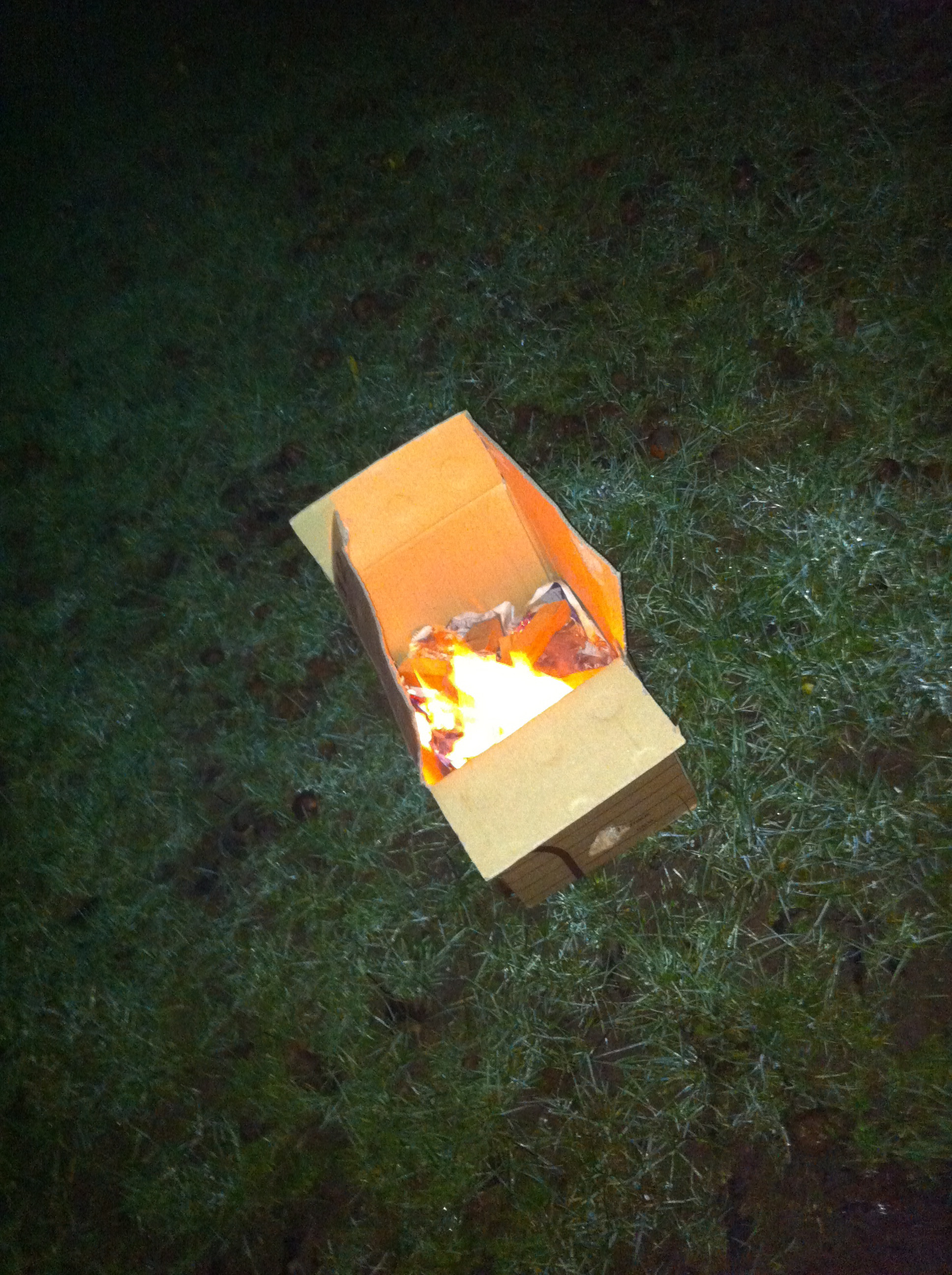
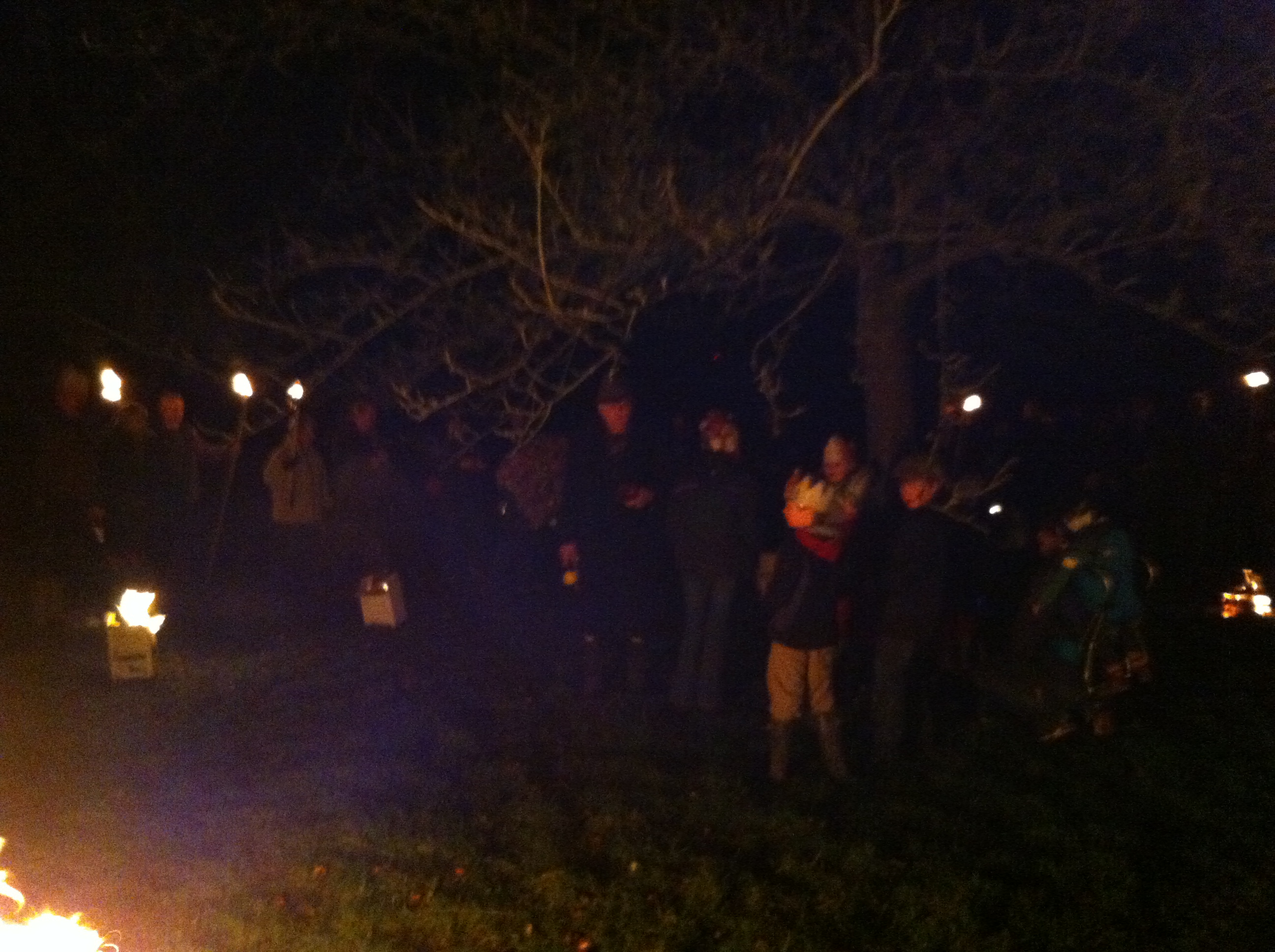
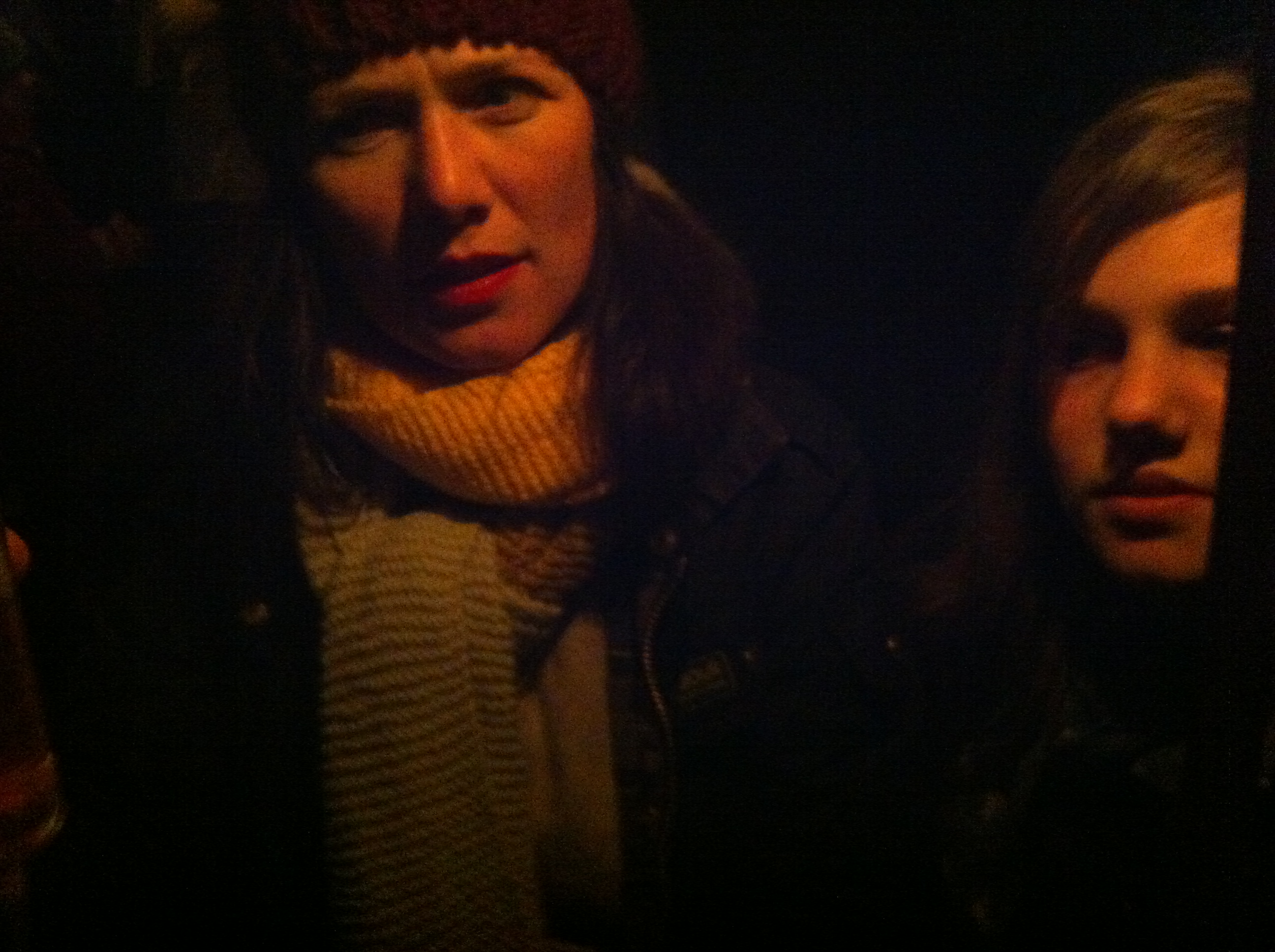
It’s nearly 3 pm by the time we’ve finished talking, and I’ve a long walk back over the ridge to Woolhope where I’m bound to the wassail at The Crown for 6 pm. I’ve arranged to meet my friends and don’t want to be late. Carrying rather a lot of cider and perry in my rucksack, I flounder back through the clay again, enjoying – as symbolic of this whole month’s Tolkeinesque ‘there and back again’ walking mission – the refinding of my footprints from the outward journey. This – Ledbury/Aylton/Kynaston – is orchard country and I also enjoy the neatness of this day, seeing the sunset through the apple trees while carrying cider to a wassail (for those not in the Herefordshire know, a pagan ritual of the cider-growing counties that traditionally takes place on or around Twelfth Night (whether that be 5th, 6th or 17th Jan) to drink, sing and dance the health of the apple trees). After nearly 3 hours of walking through the gloaming into darkness I arrive with 15 minutes to spare, to find Matt, the The Crown landlord tending the braziers in the car park and blacking his face with a cork (wassailers traditionally had a cork-blacked face so that they could not be recognised as ‘beggars’) ready for, what he explains articulately, is going to be a ‘very rustic, DIY wassail’:
It is indeed: hearty, life-affirming, community-building and magical; a wonderful celebration of what is good about local community and local food production.
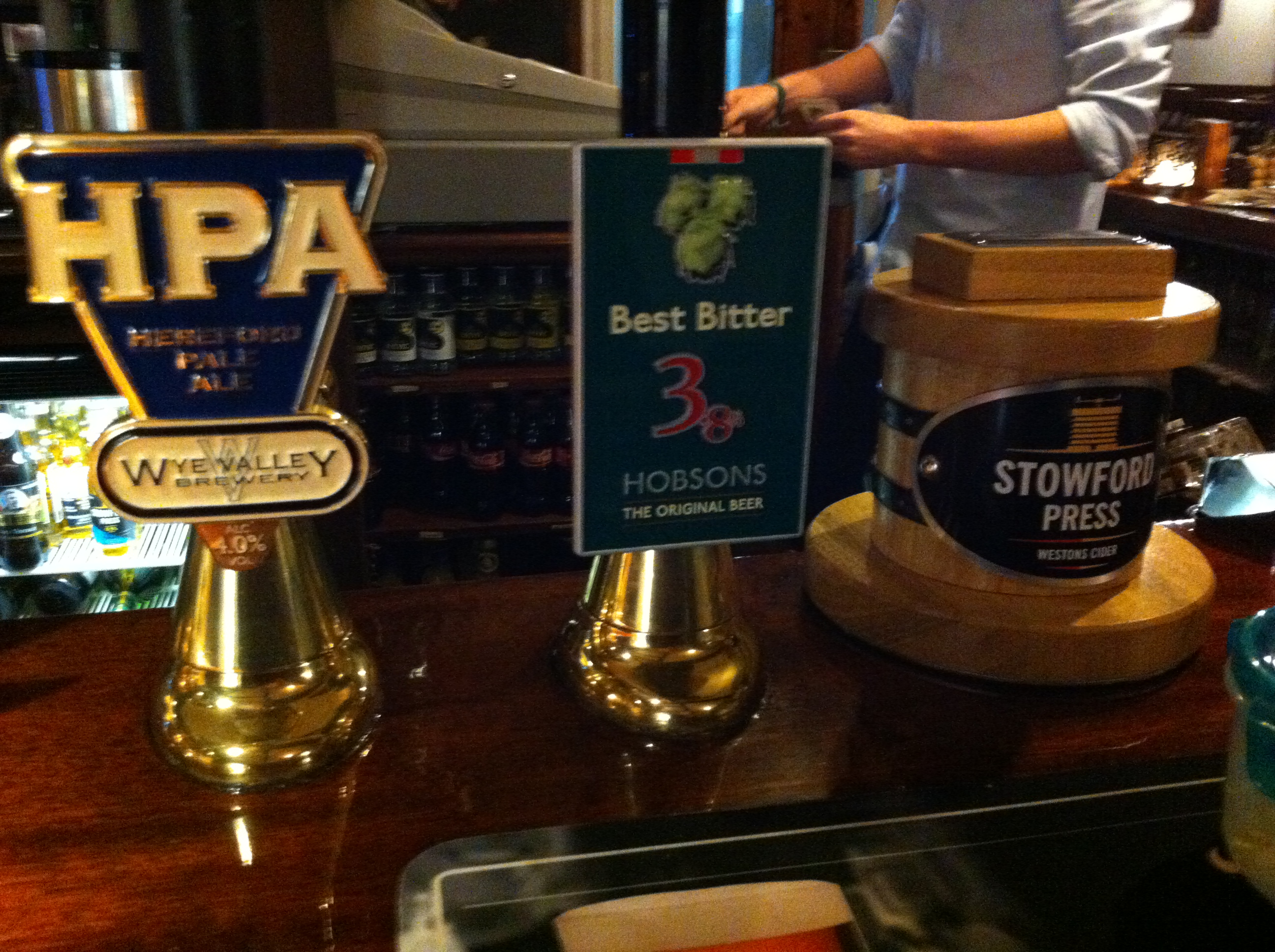
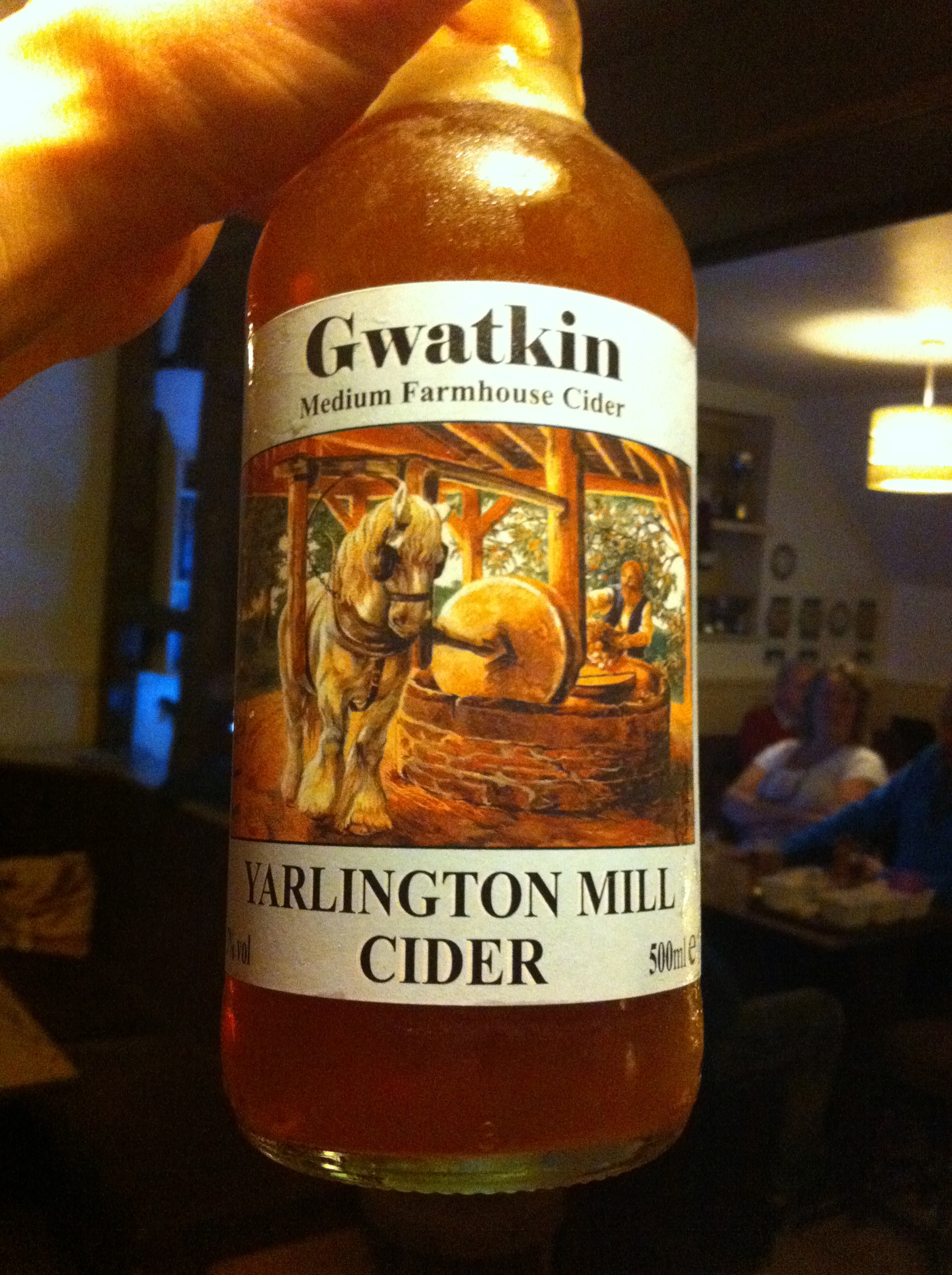
We return to the pub – where they have a cider menu of over 30 local varieties here as well as local meats from adjacent farms – for more local food conversation and rambling chat:
Audio Track: Local Food at The Crown
And then my friend Lucia and daughter Esme kindly take my cider-heavy rucksack (which they will deliver back to my doorstep on their way home to Hereford) clip my bike light to my hood and set me off walking, not entirely in a straight line (‘tacking’ as Matt would have it), through the orchards and across the fields for home, the stiles miraculously hoving into view in my headtorchlight as I now know the paths like the back of my hand).
From farm to orchard to town to wassail to pub to farm: all in a day’s walk… I am euphoric.

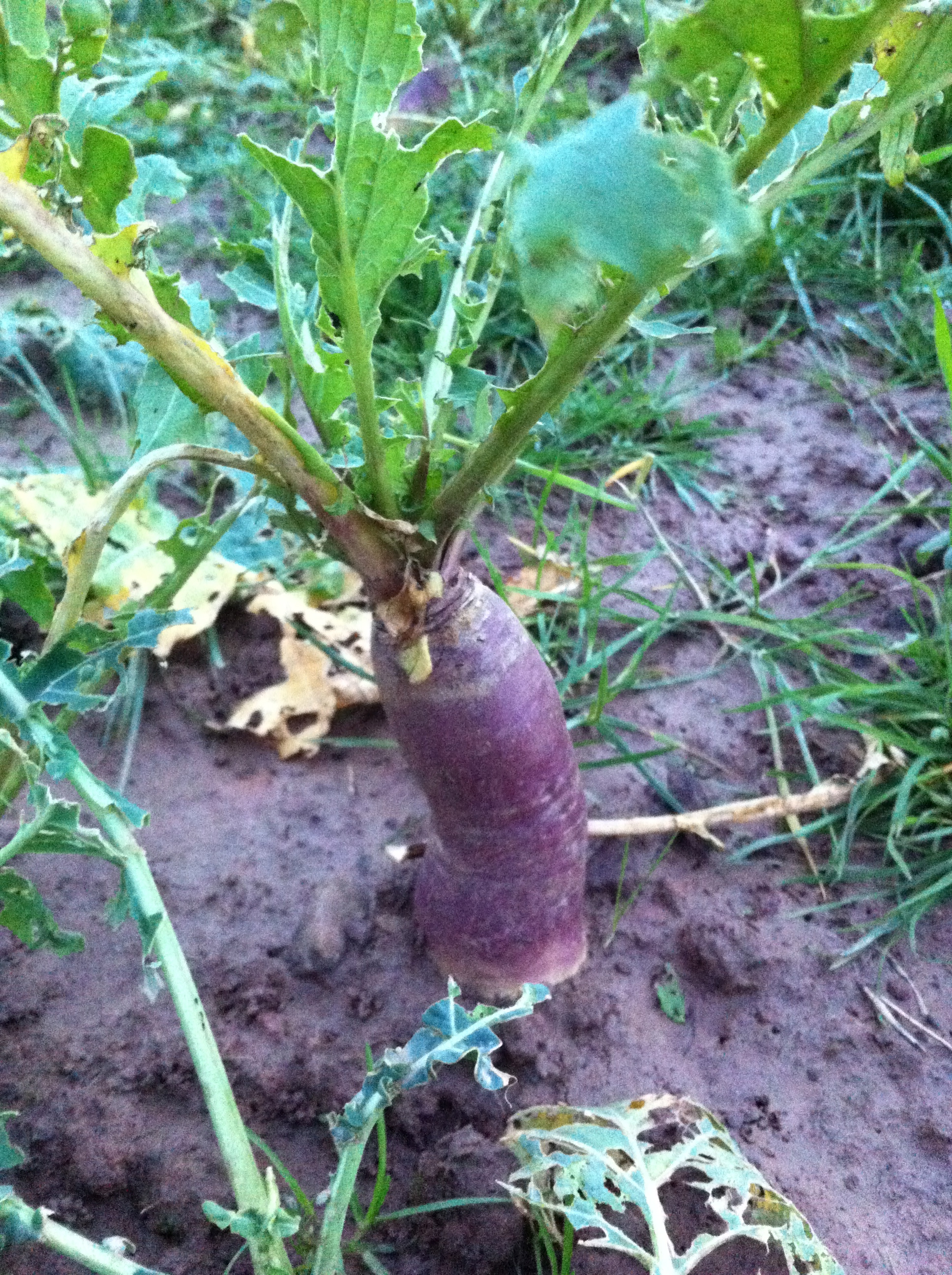
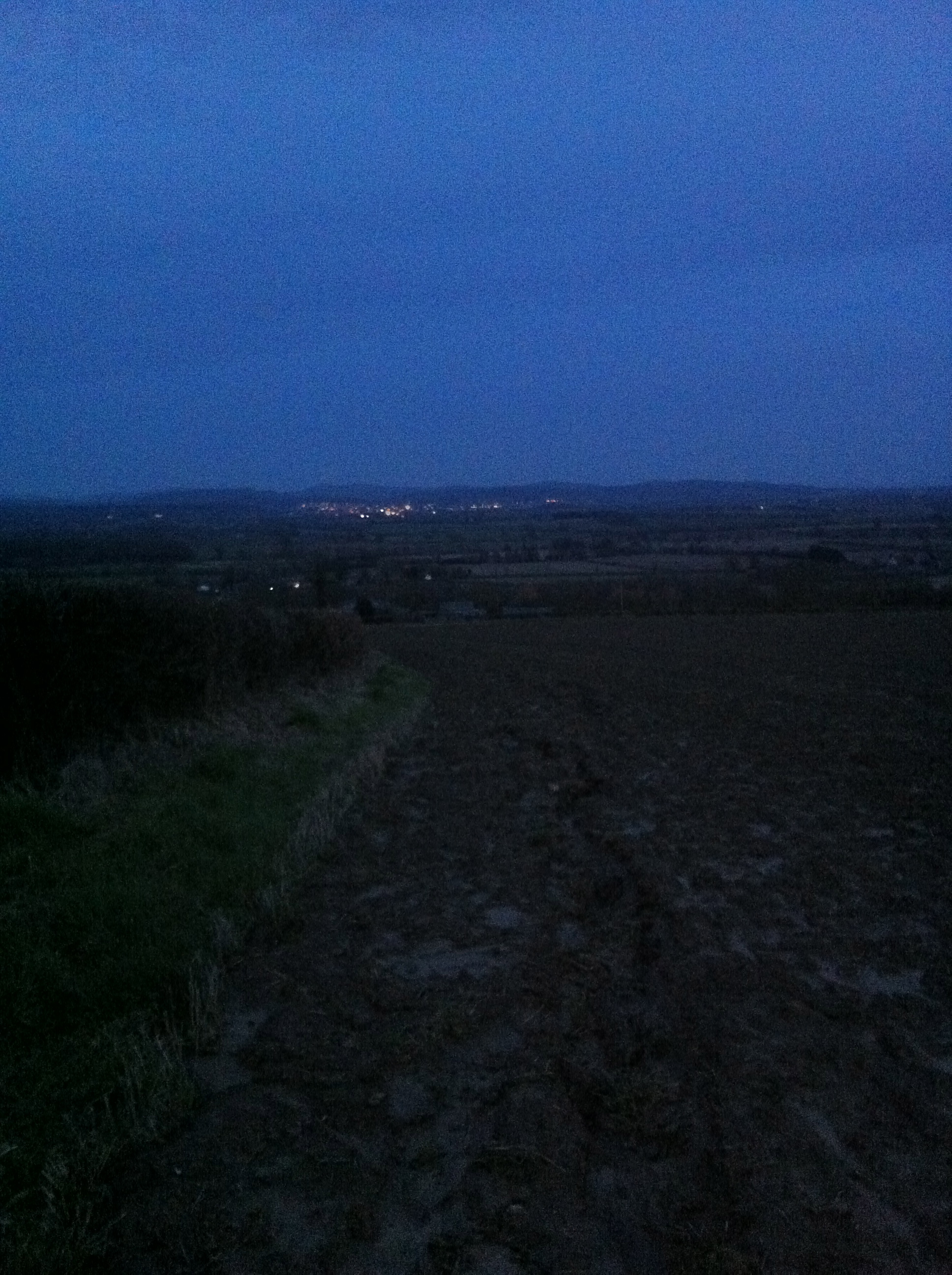
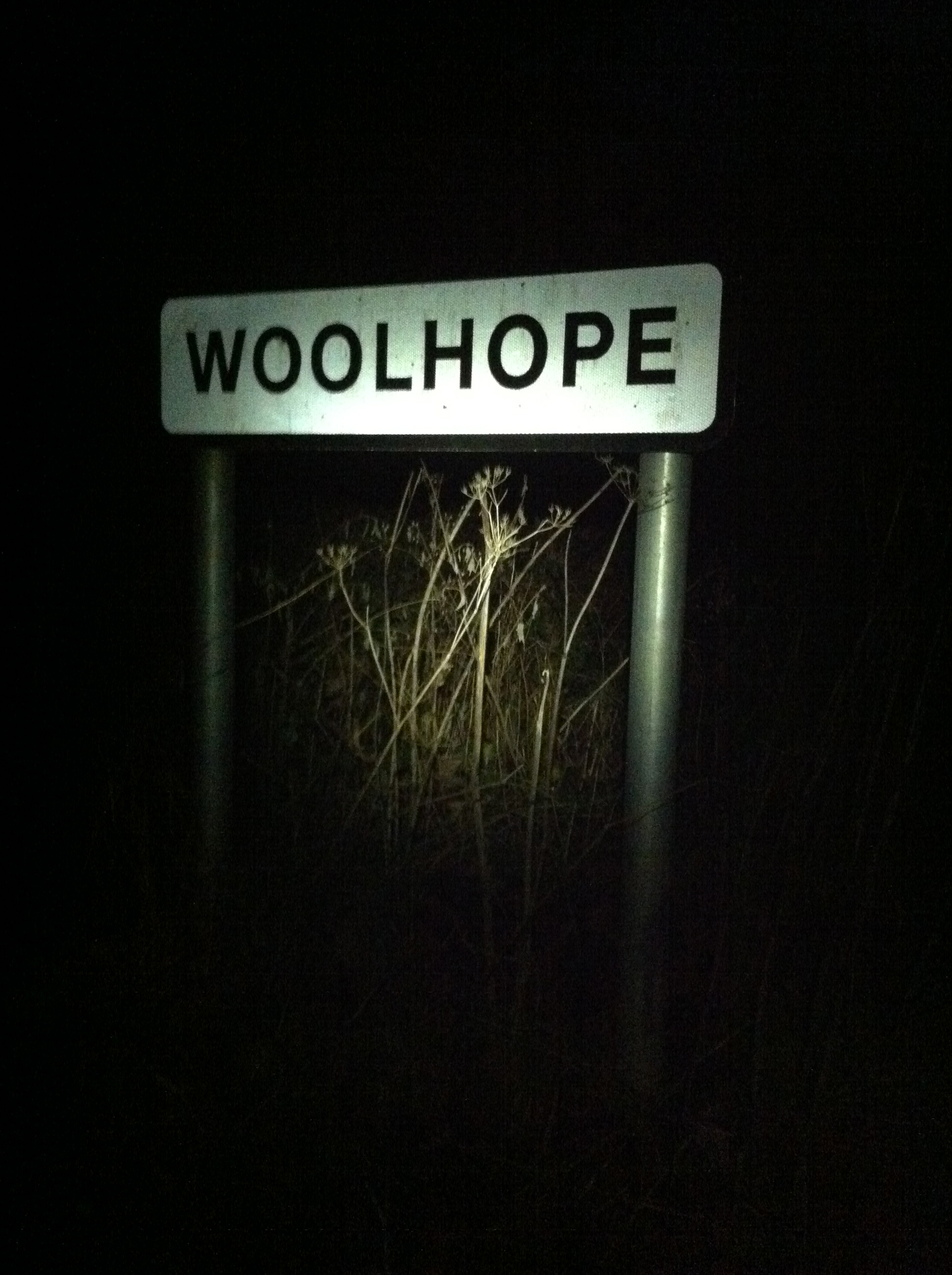
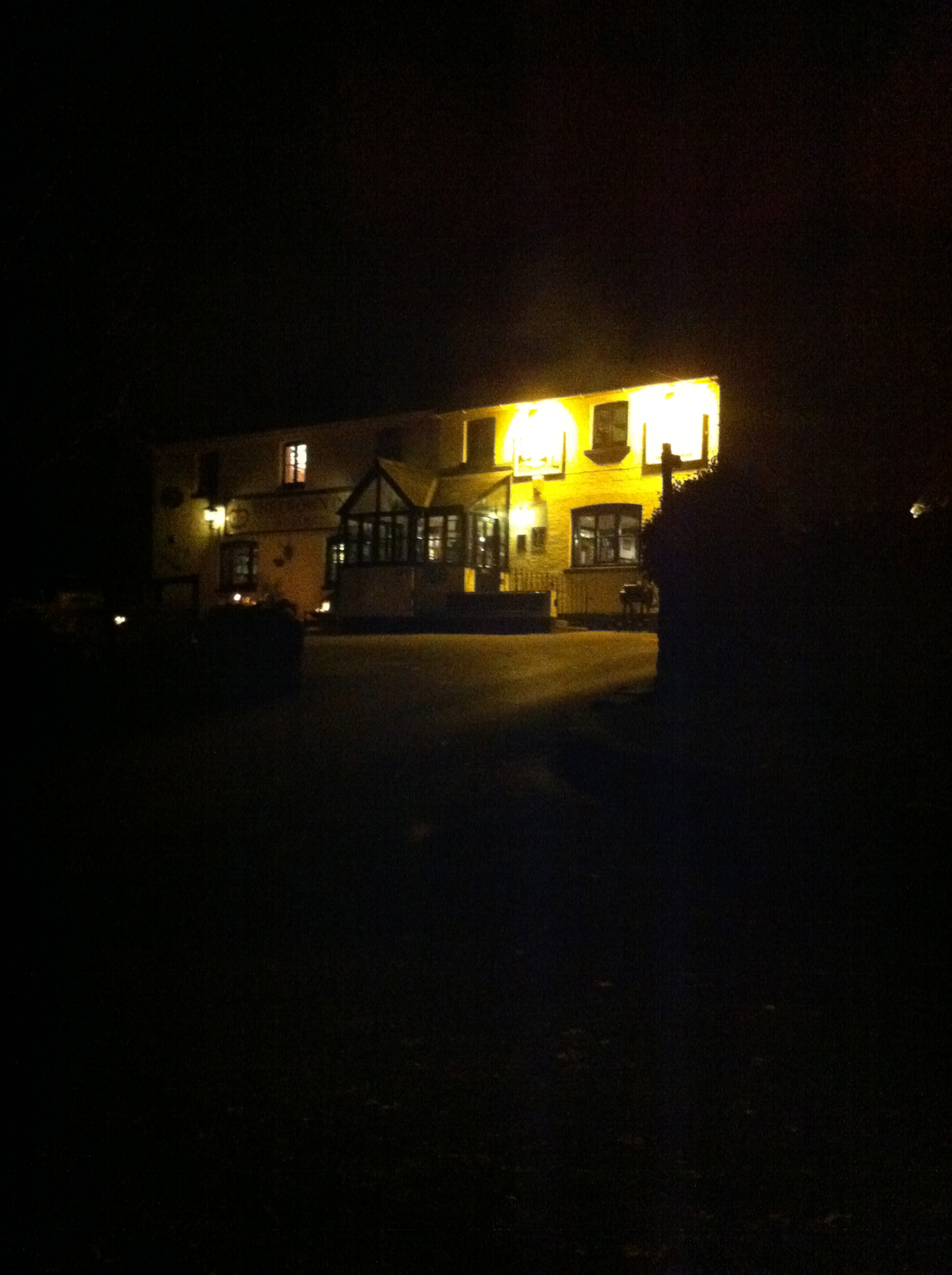
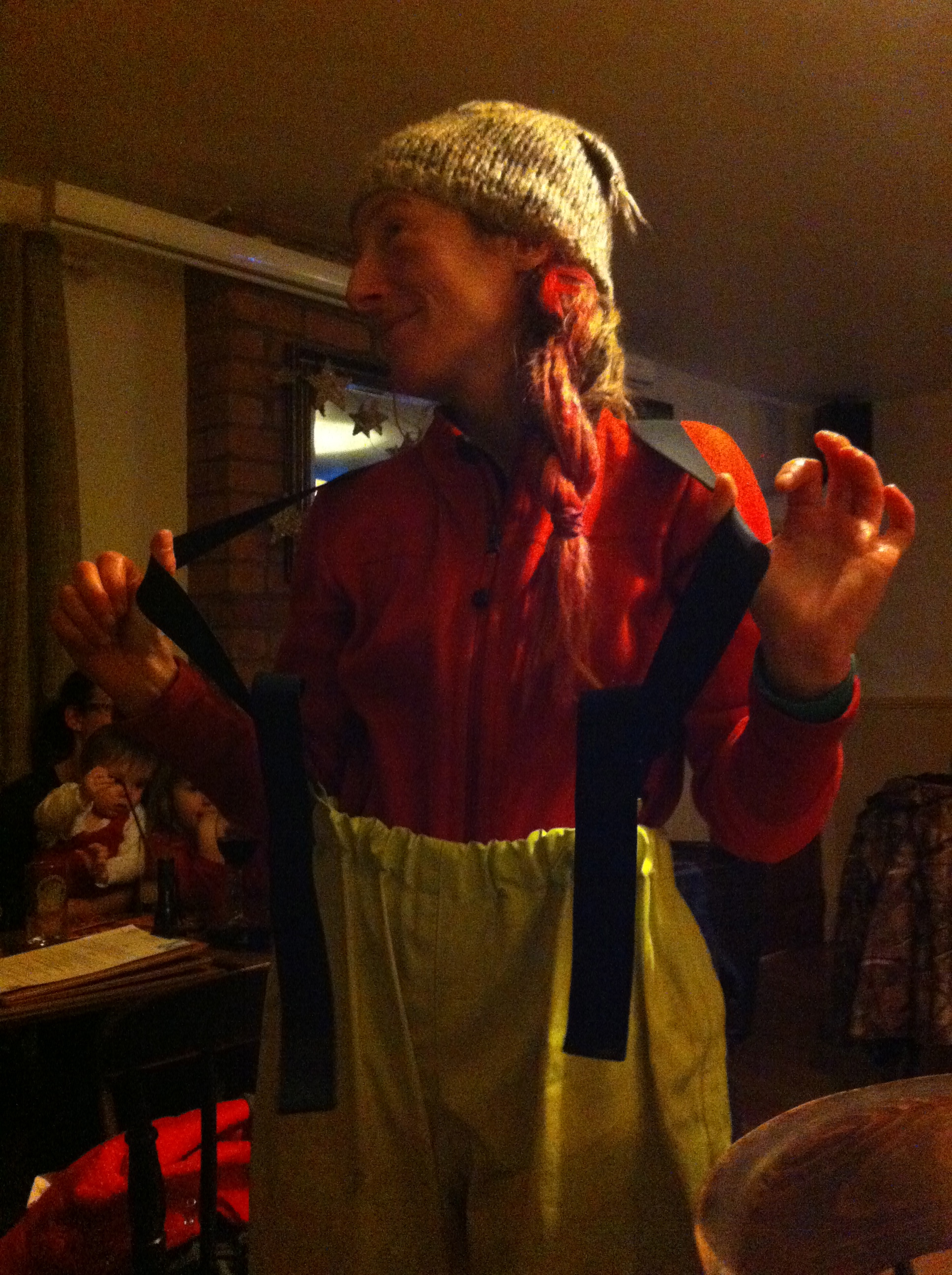
Hearth is where the home is…
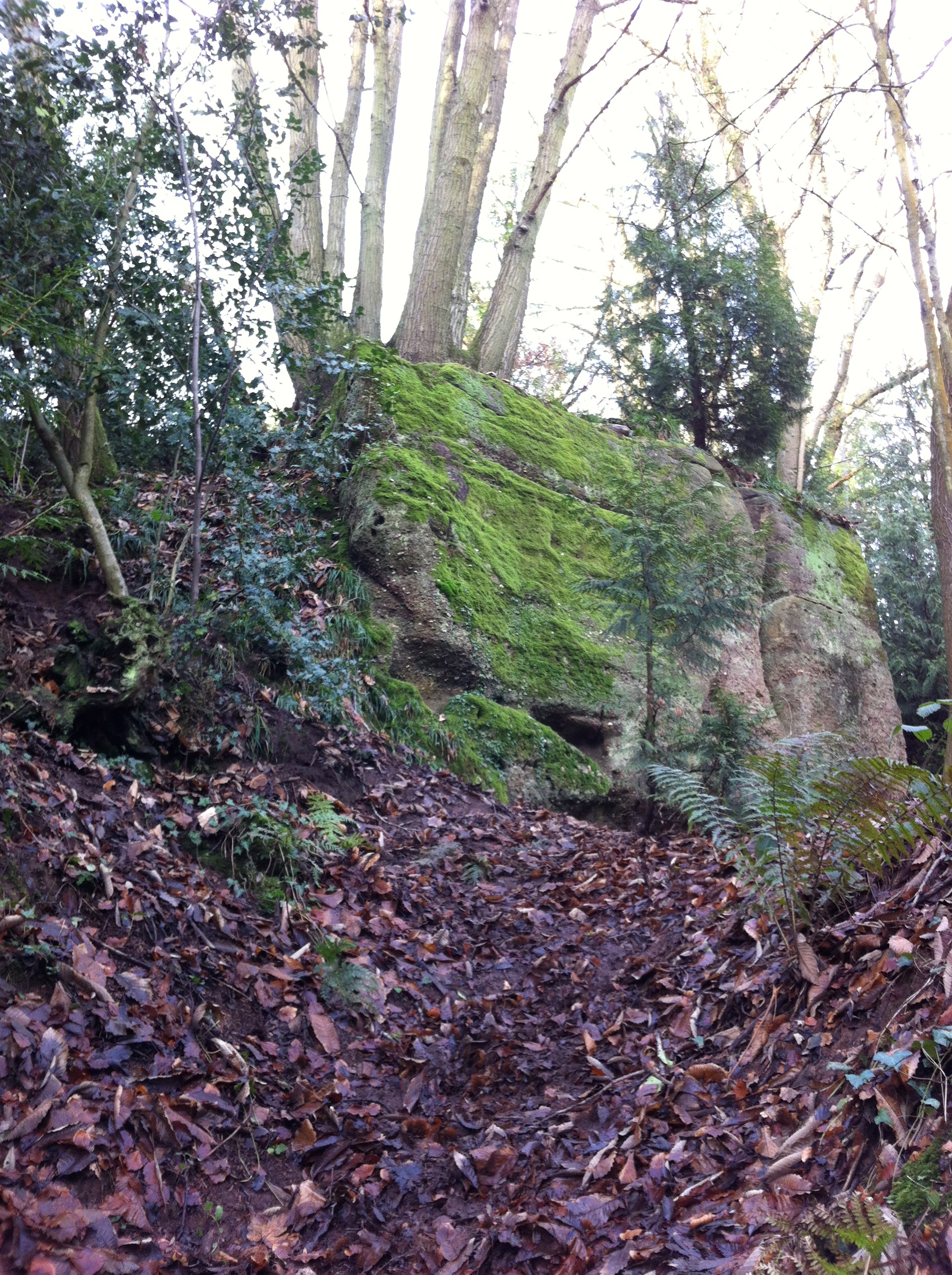
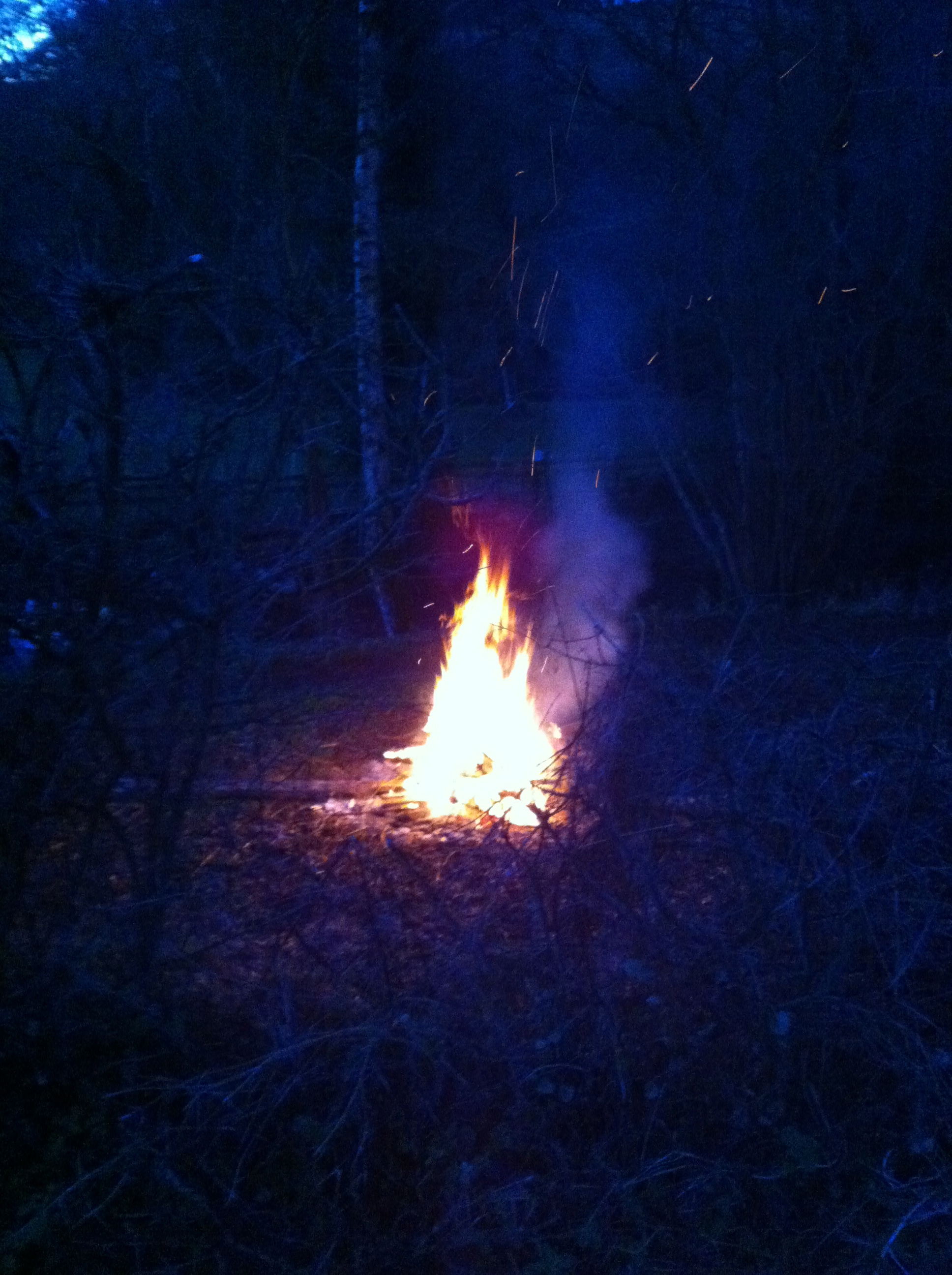
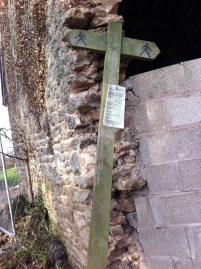
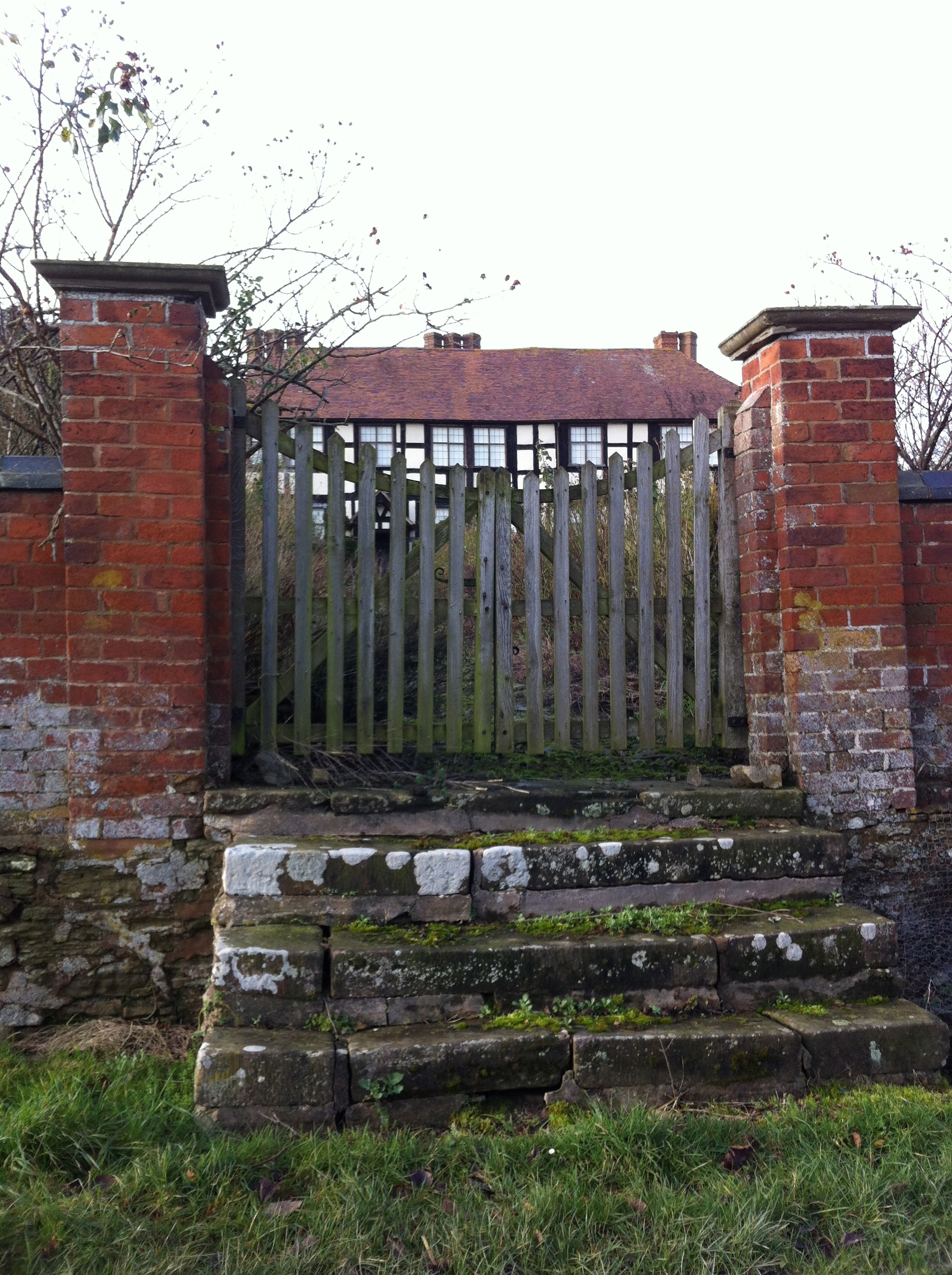
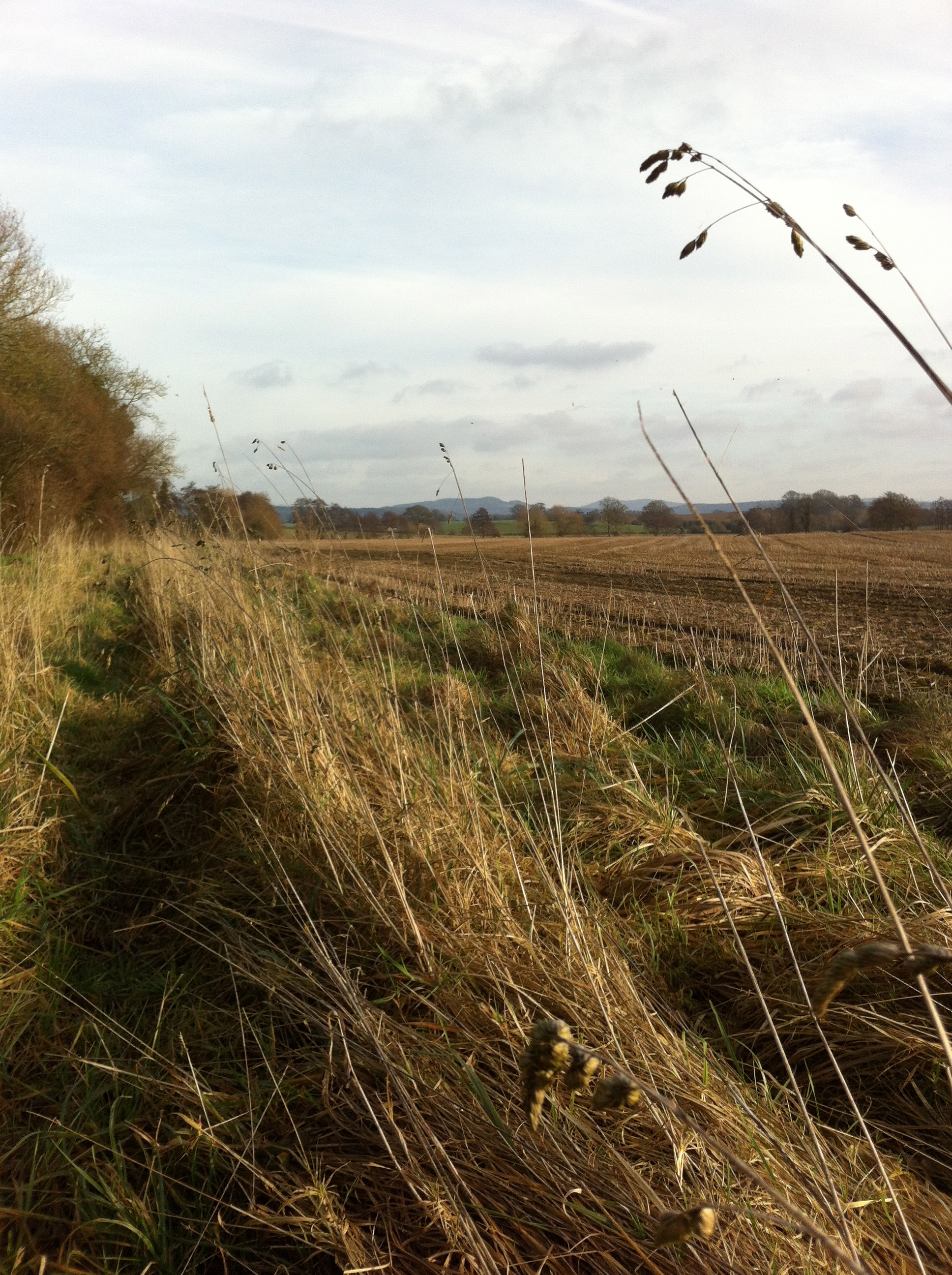
A walk from Lea to Ross-on-Wye and back to Caplor via Deep Dean woods at Howle Hill, to interview woodsman Dan. I get lost on the way there and run through deep leaf litter along mediaeval holloways in a floundering panic to be on time to meet him. We sit on a flatbed trailer in the chestnut coppice for me to catch my breath a while as Dan talk about the wood and its history…
Audio Track Dan at Deep Dean – on coppicing & woodland management
before walking on through the plantation so he can show me how it is managed in practice.
Audio Track: Dan at Deep Dean – a walk in the wood
Audio Track: Dan at Deep Dean – on old logging methods
Audio Track: Dan at Deep Dean – on monoculture
Dan is quietly and humblingly articulate about the importance – and skill – of using wood to heat water and home, cultivating an understanding of natural processes and slower rhythms that connects us not only with the natural world but also with history: fire as a thread that burns through our evolution and culture.
Audio Track: Dan at Deep Dean – best wood for burning
Audio Track: Dan at Deep Dean – on local wood for local people
Audio Track: Dan at Deep Dean – on the ritual of fire
He is also very much a rural worker, aware of the pleasures and pressures of local living in a rural county, including the role of walking as a necessary mode of transport, and the historical role of work – in the woods, on the fields – as the original form of ‘exercise’ which, in an office-driven culture, we have lost and now seek out elsewhere (including through recreational walking!):
Audio Track: Dan at Deep Dean – on walking
I walk back through market town Ross-on-Wye, which feels like a metropolis after the last few weeks. It’s two days ’til the end of the project, so in readiness I buy medjool dates (California – ouch) and porridge oats (Shropshire) from organic wholefood shop Field Fayre. I am amazed by my restraint that I don’t eat them on the way home (or, writing this retrospectively, until the end of the project).
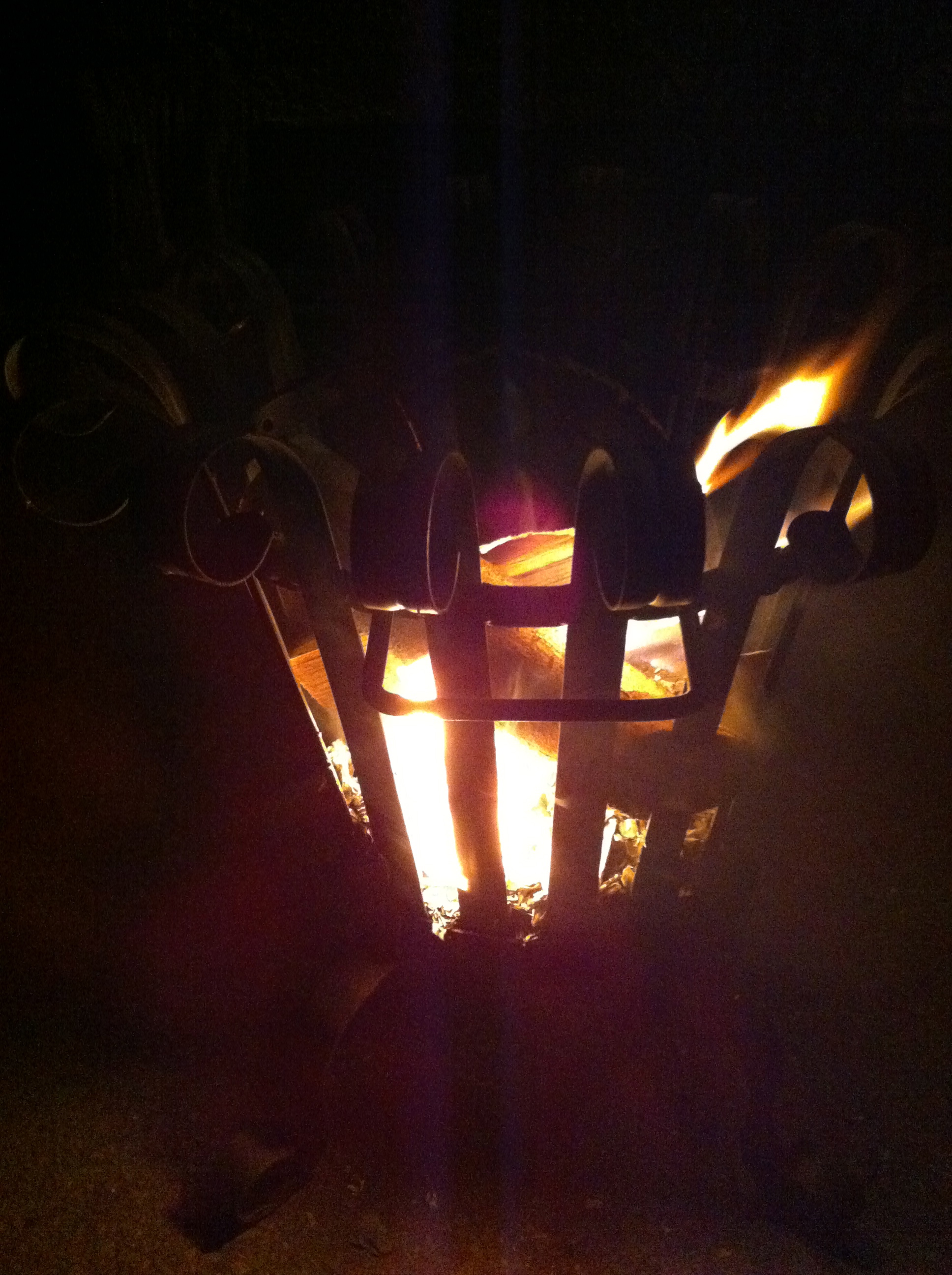
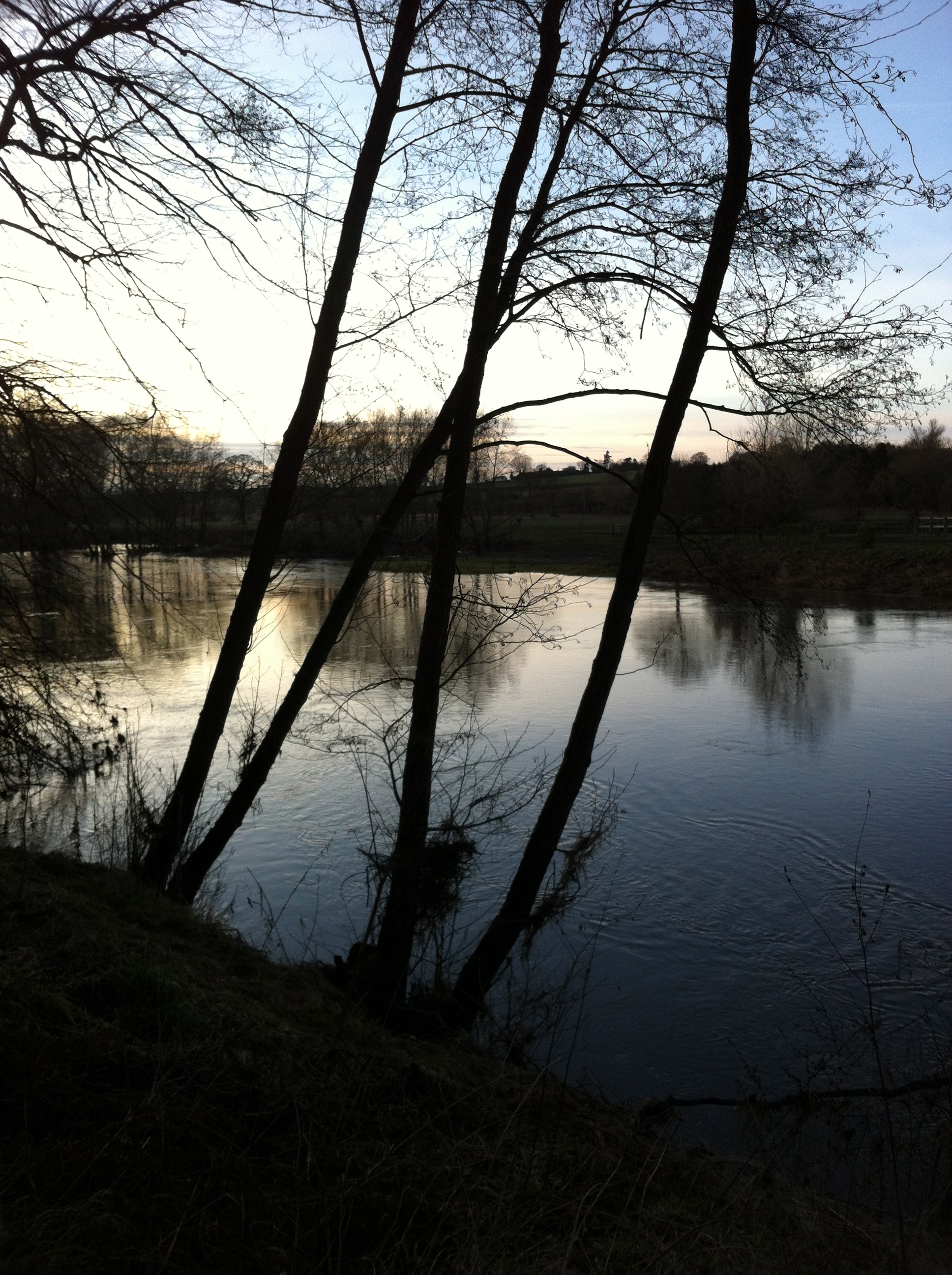
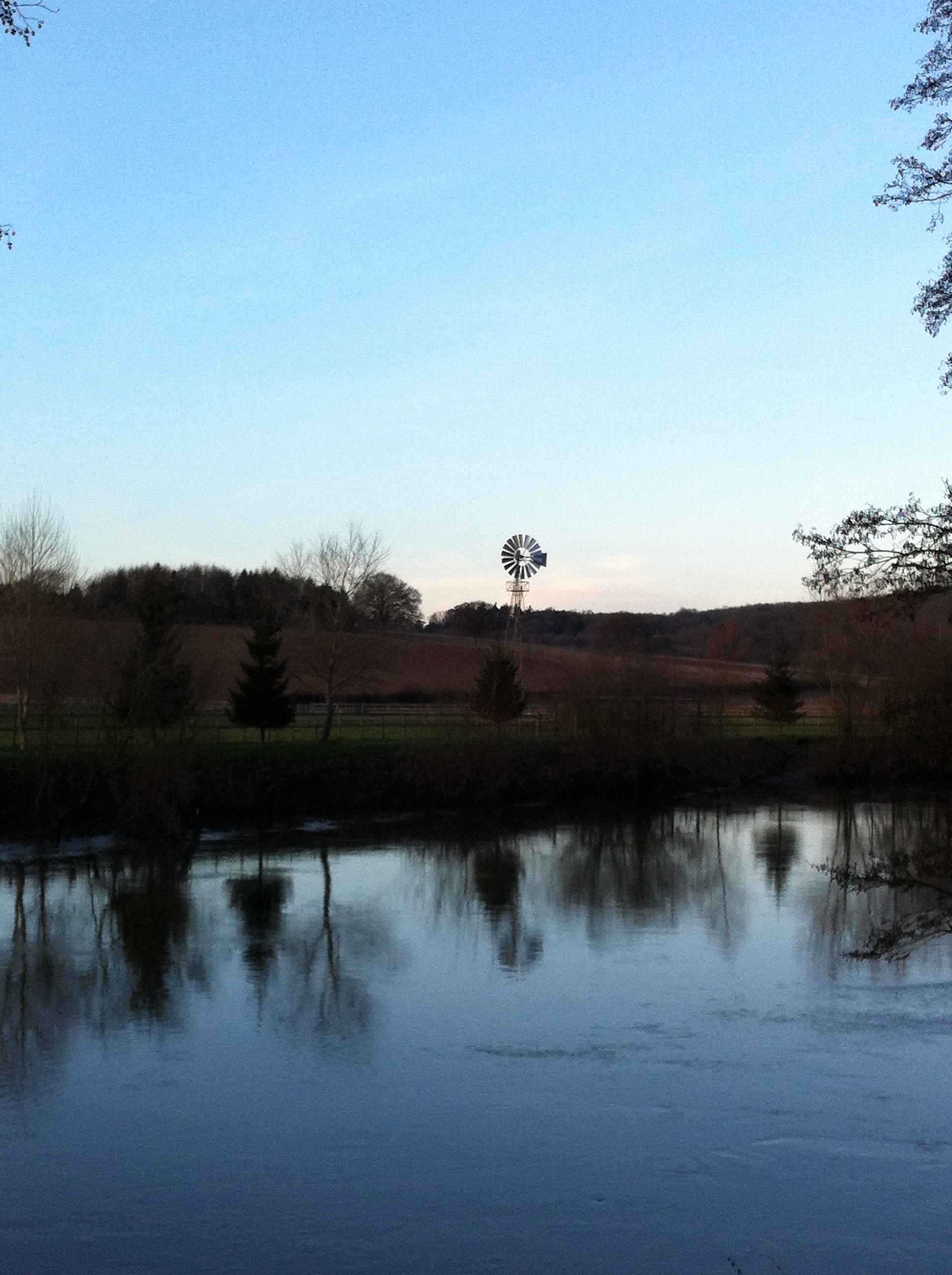
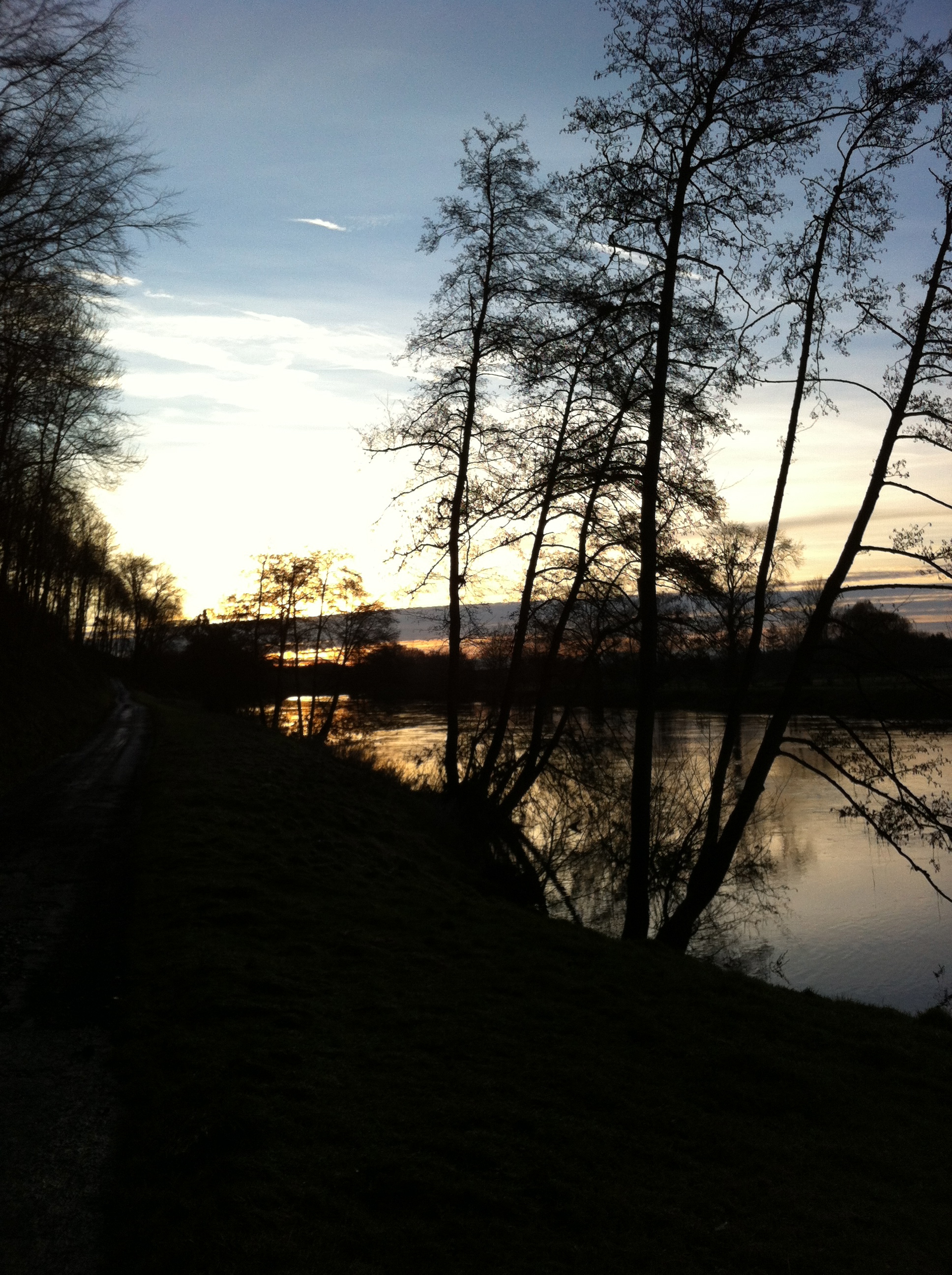
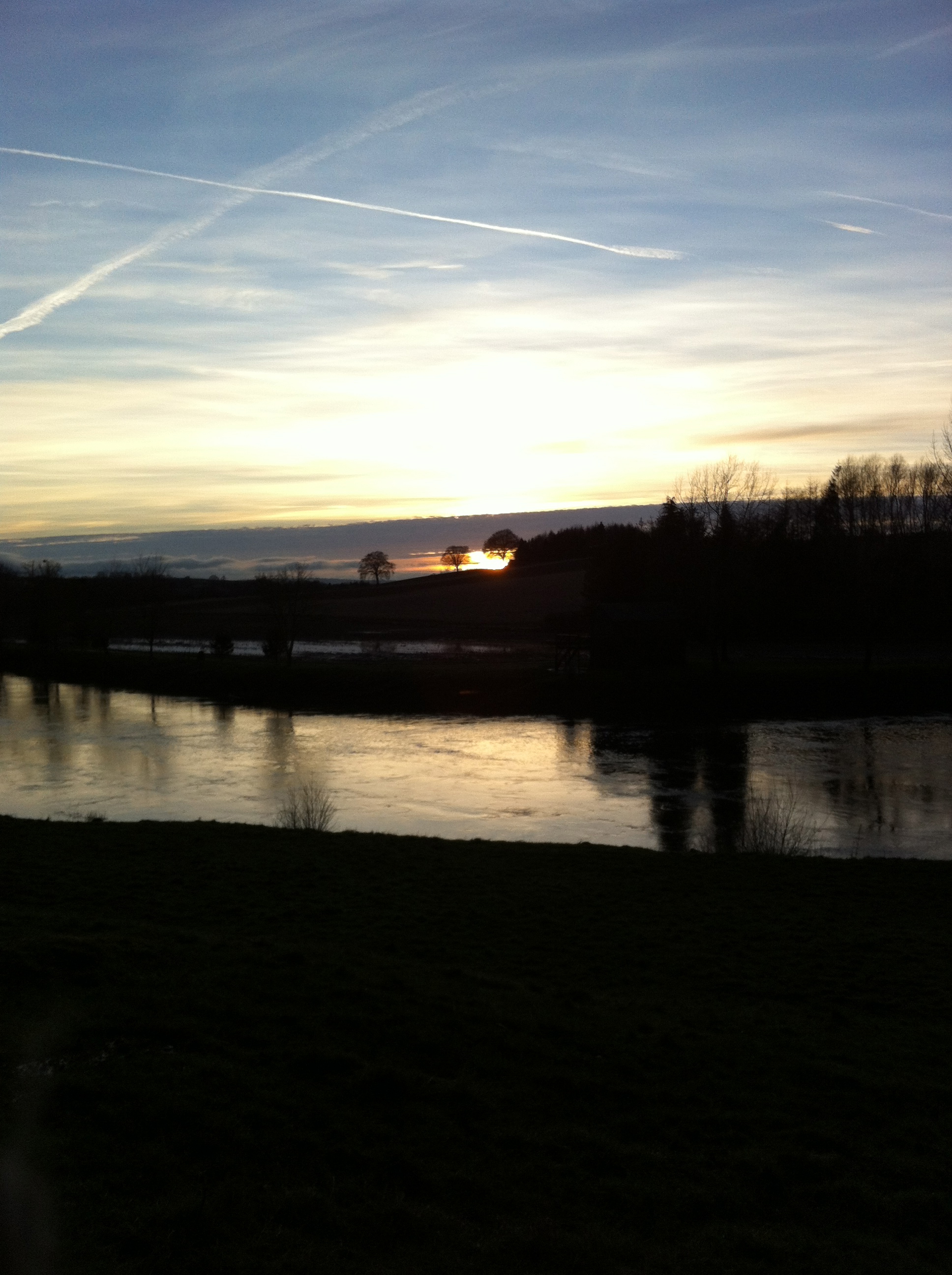
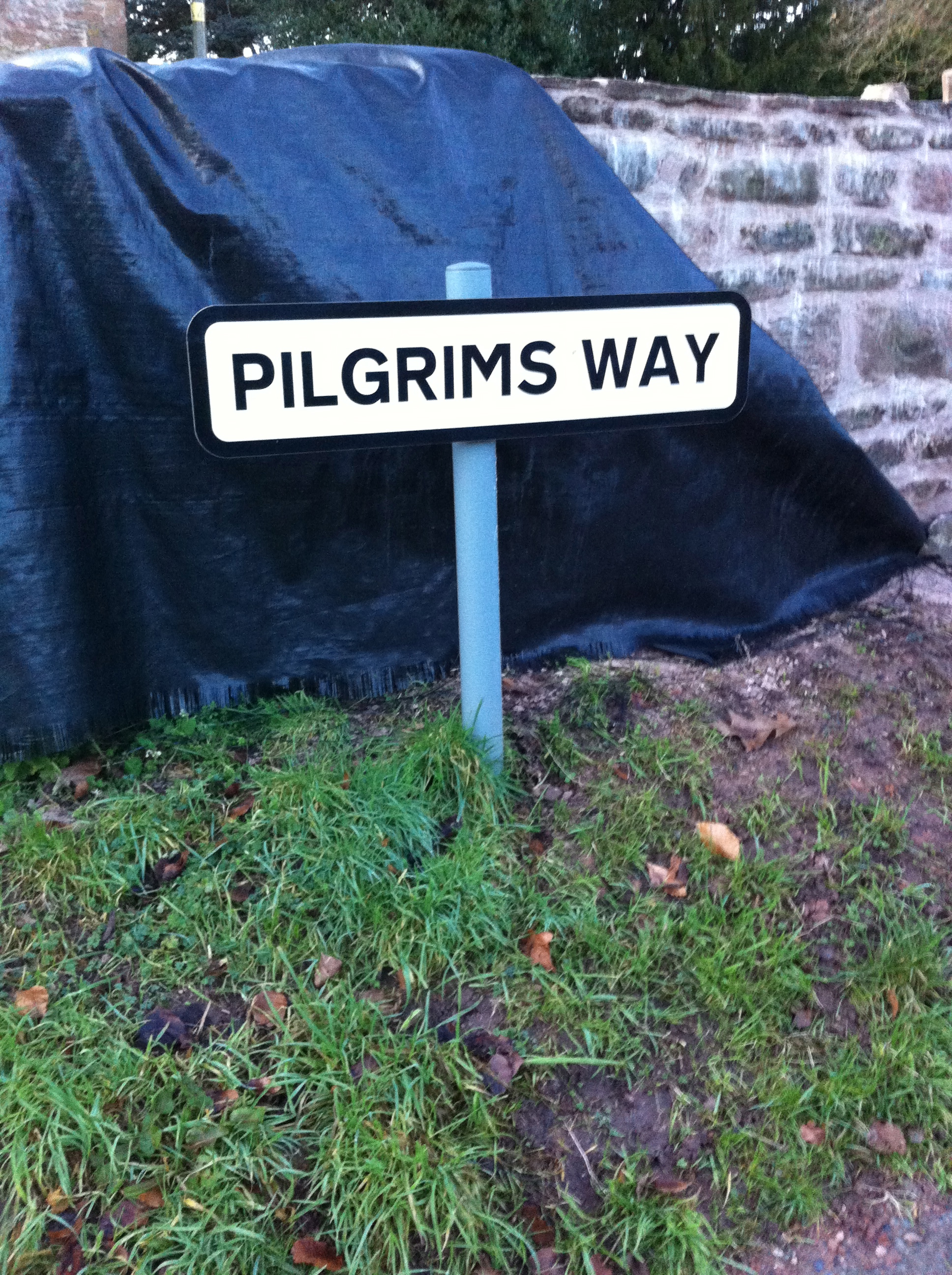
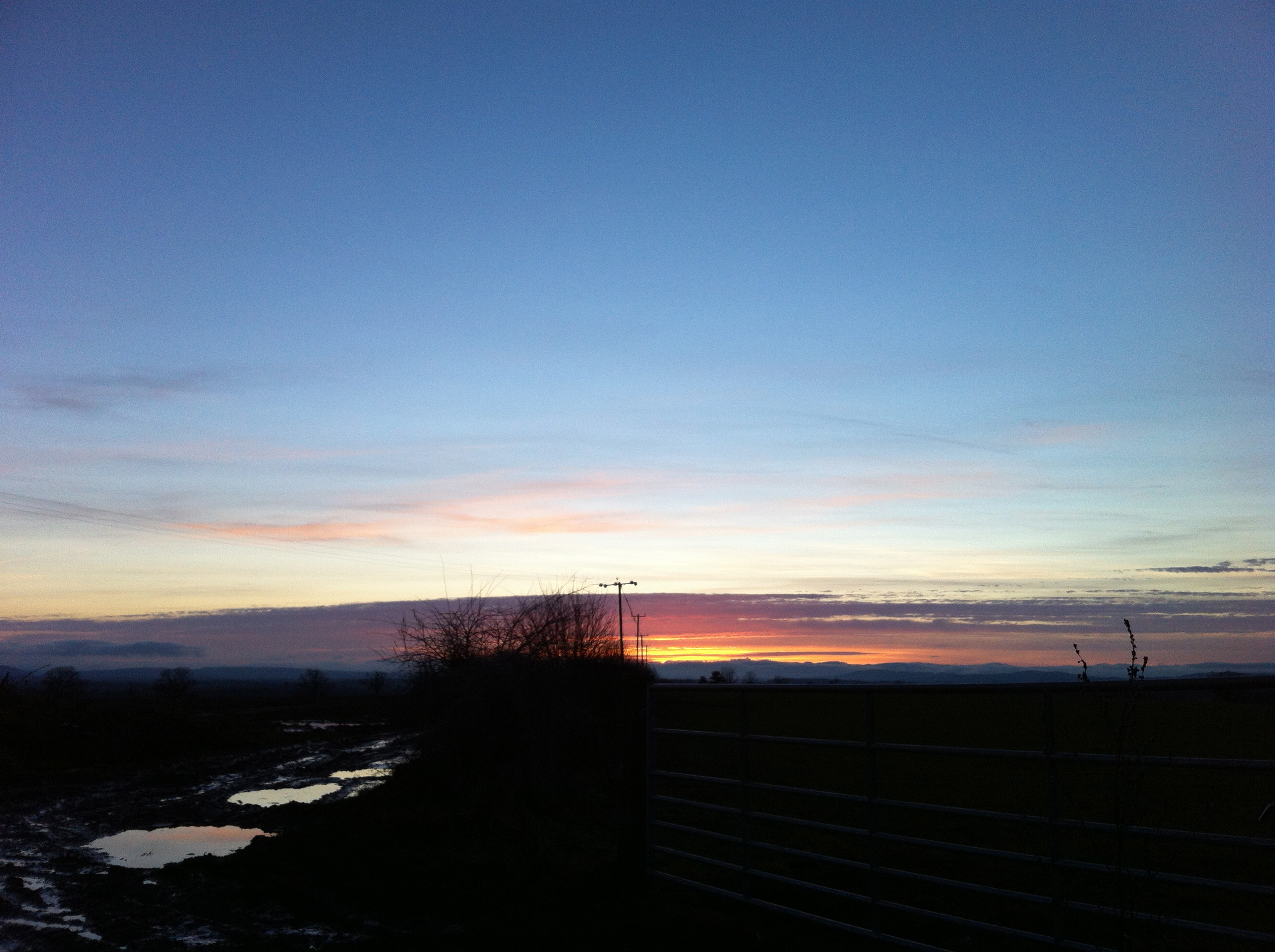
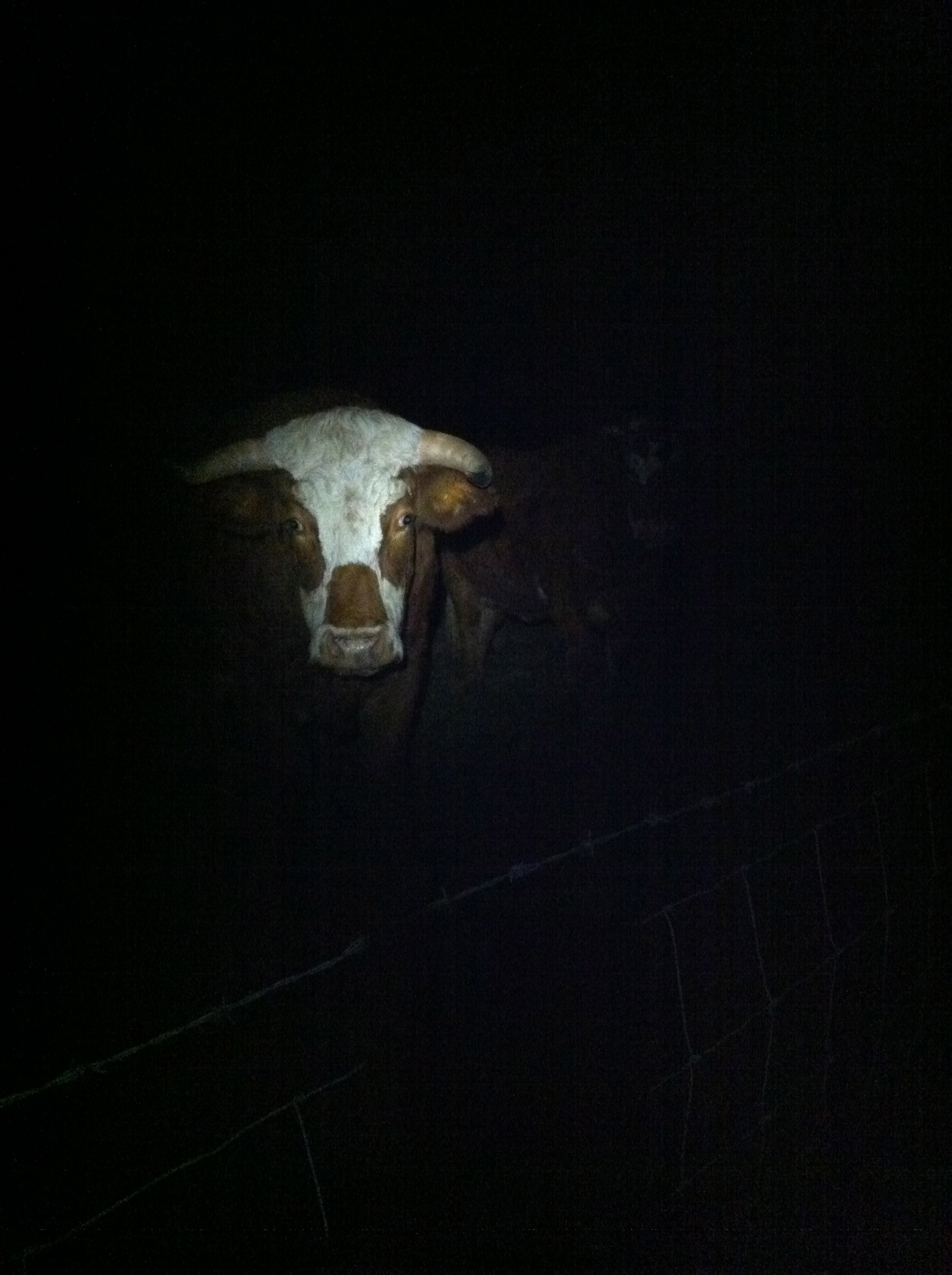
The sun is setting as I follow the Wye back. And, as I pass the Falcon a couple of miles from Caplor, there’s a wood fire burning outside; dancing fire demons to welcome me home and then, in the glow of my headtorch, the white face of a Herefordshire bull.
Late Calennig in Lea
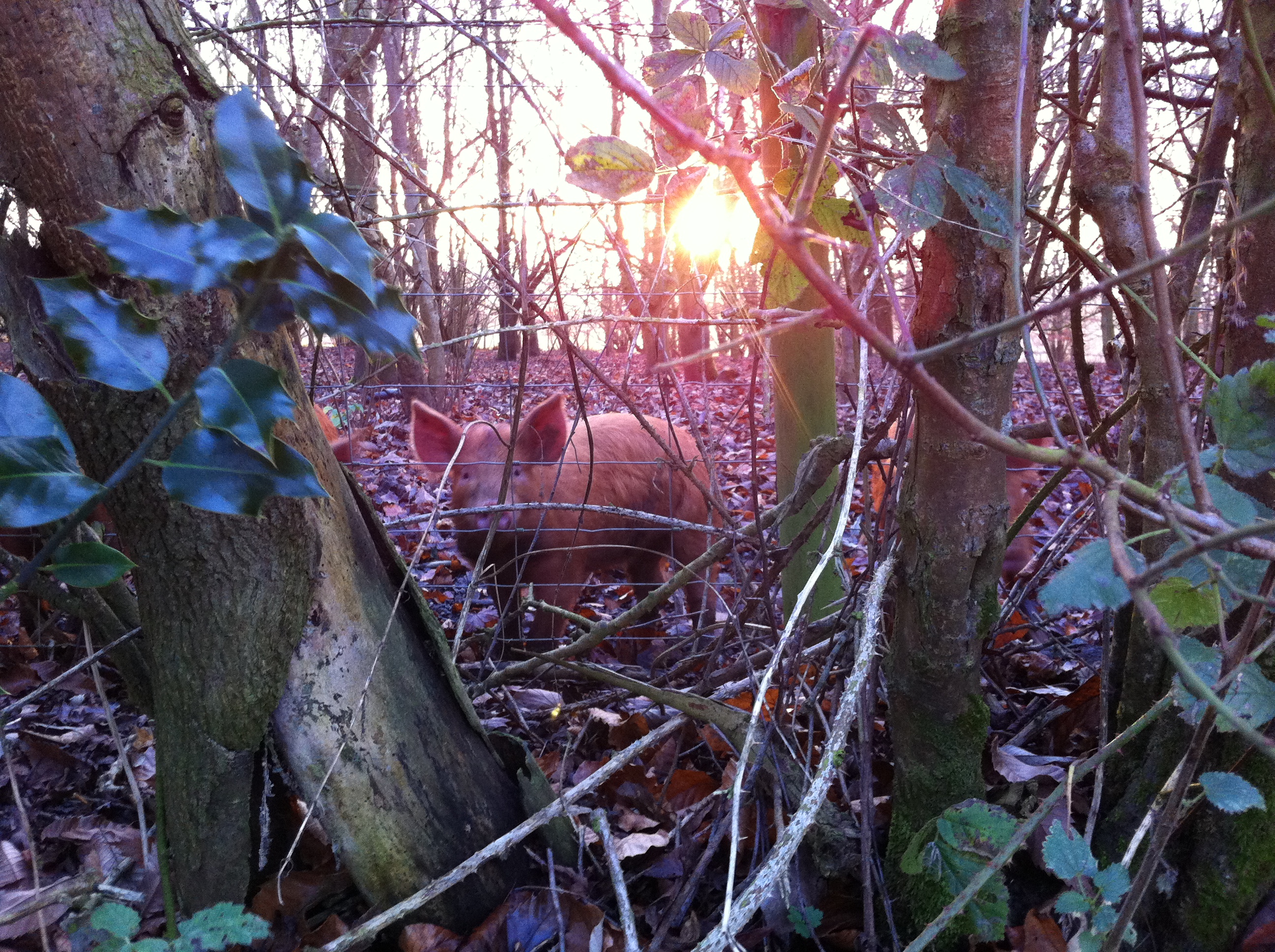
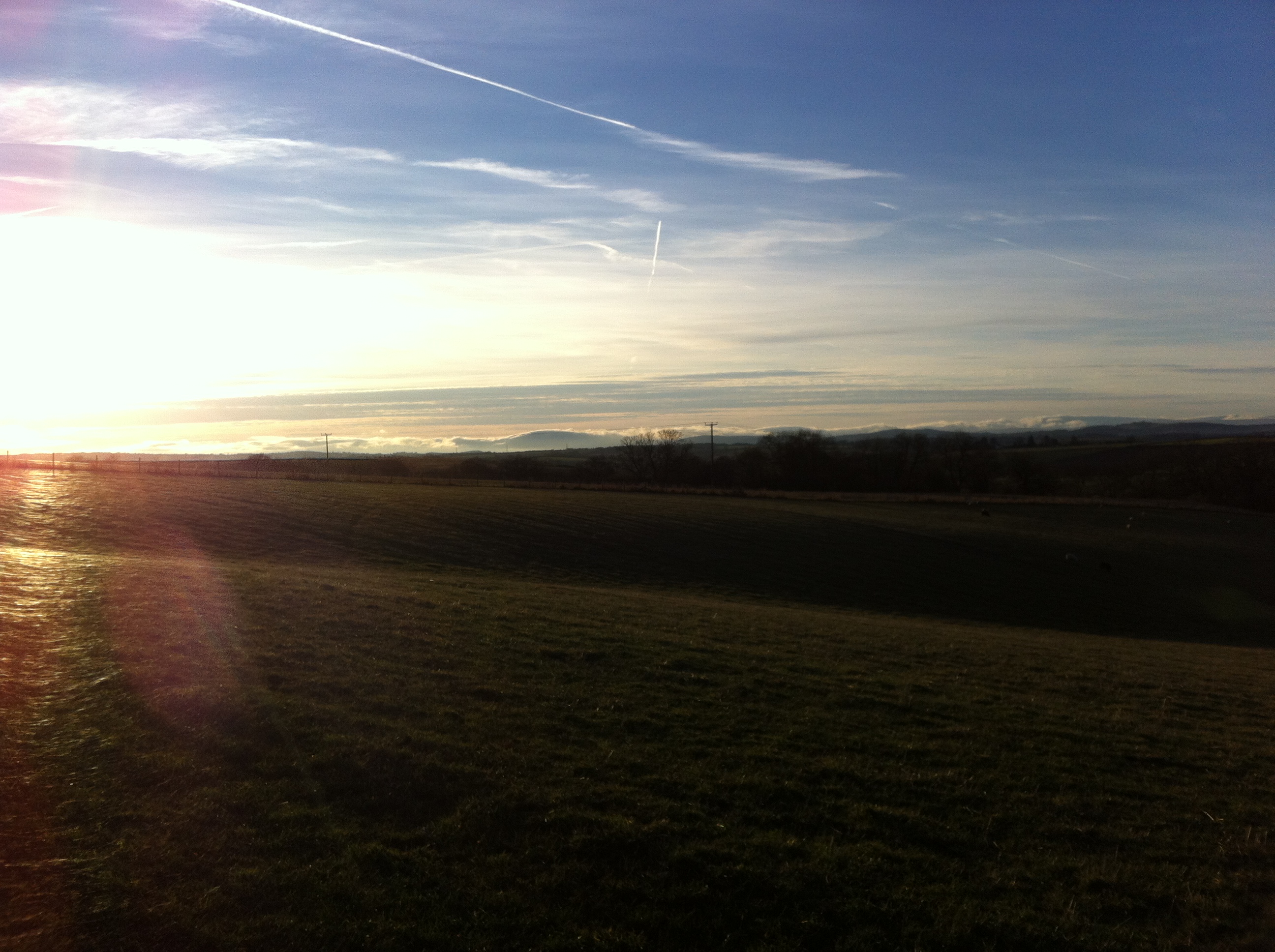
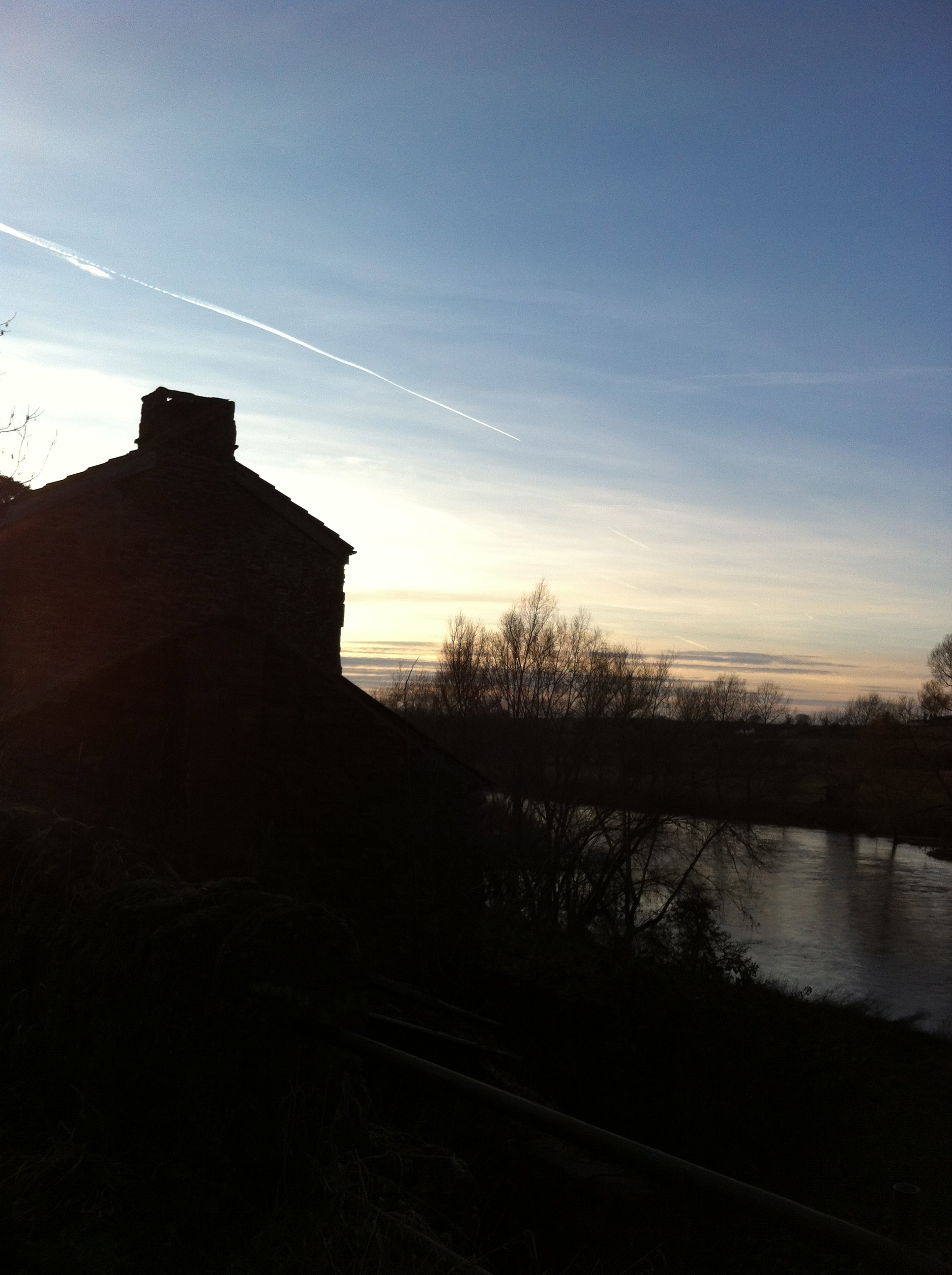
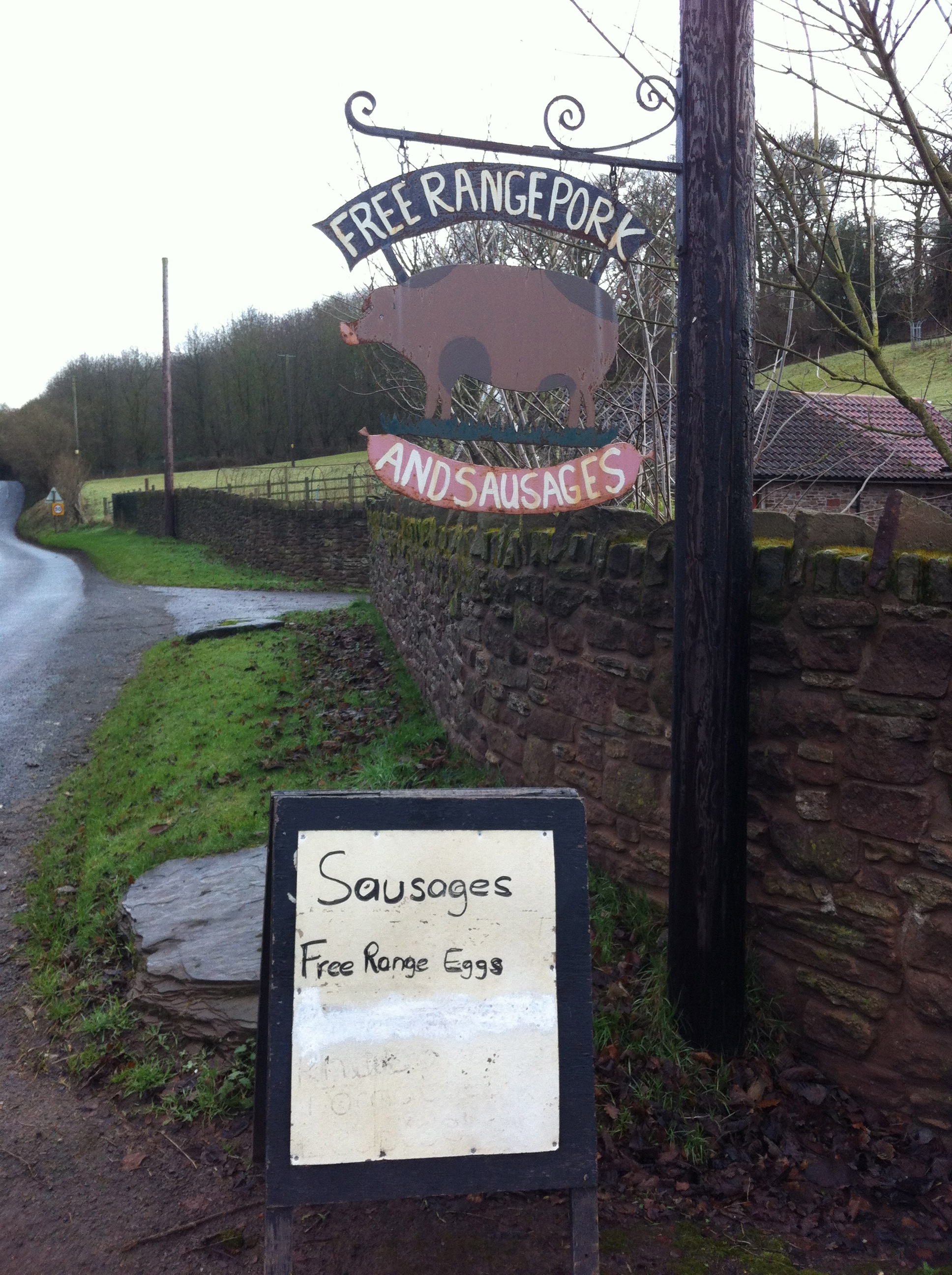
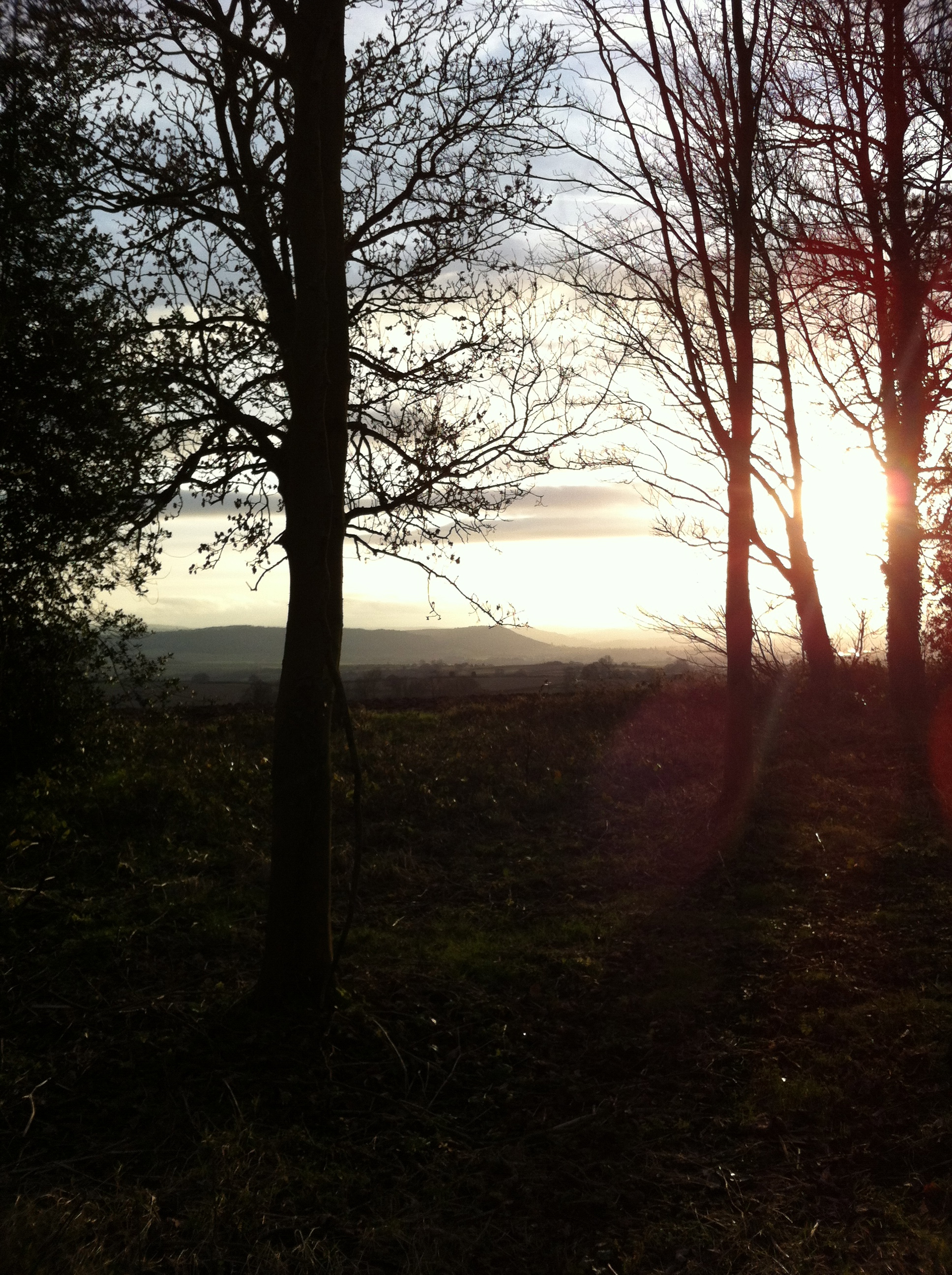
A walk to Lea in the sunset, to discuss yurt-making, shelter and expanding photons. I pass noisy pigs at Crossington Farm.
I carry a sourdough heart and mumpets as a (late) calennig gift and recite this poem in time with my footsteps as I walk and on the doorstep when I arrive:
Dydd calan yw hi heddiw,
Rwy’n dyfod ar eich traws
I ofyn am y geiniog,
Neu grwst, a bara a chaws.
O dewch i’r drws yn siriol
Heb nesid dim o’ch gwedd;
Cyn daw dydd calan eto
Bydd llawer yn y bedd.
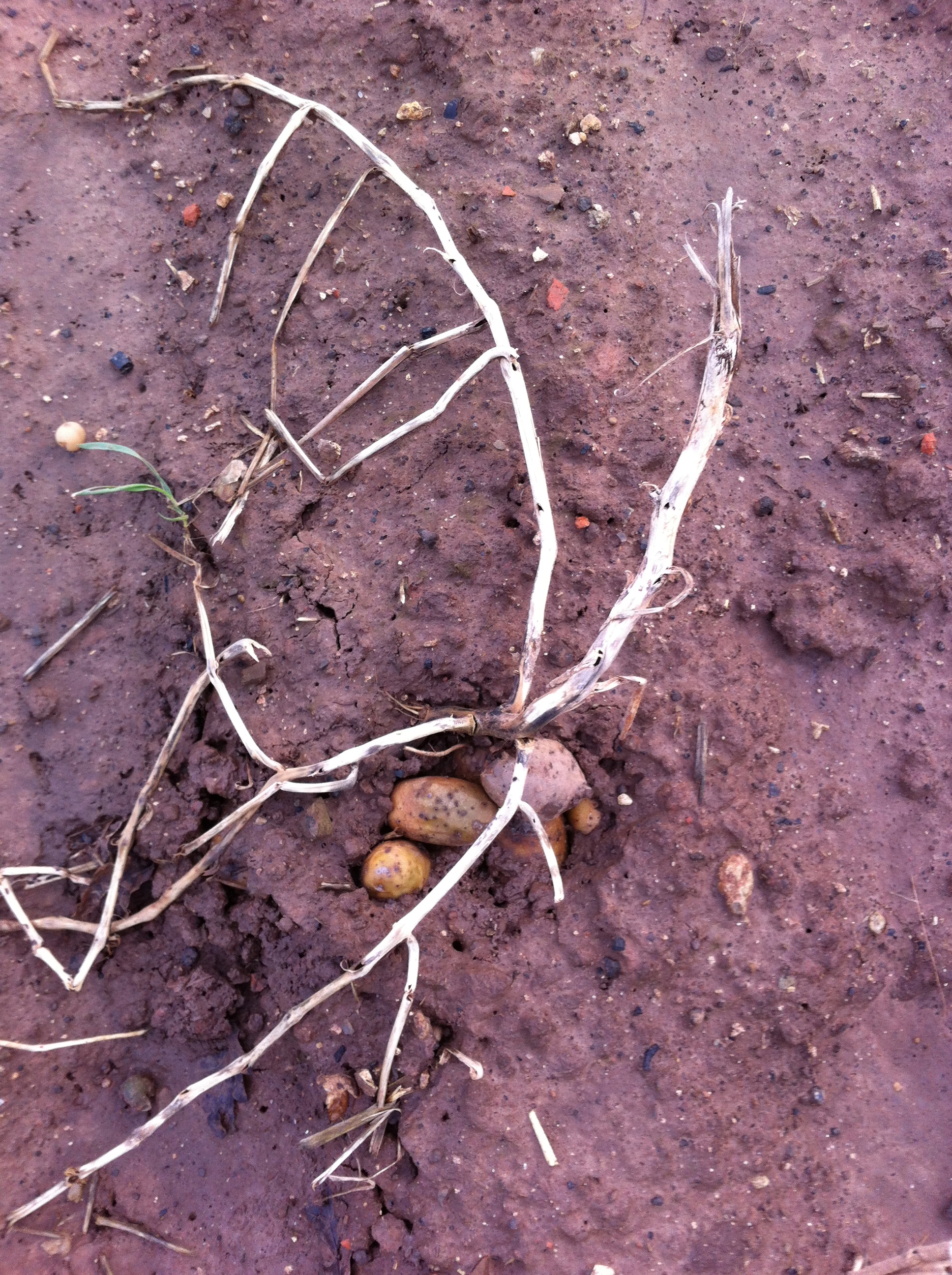
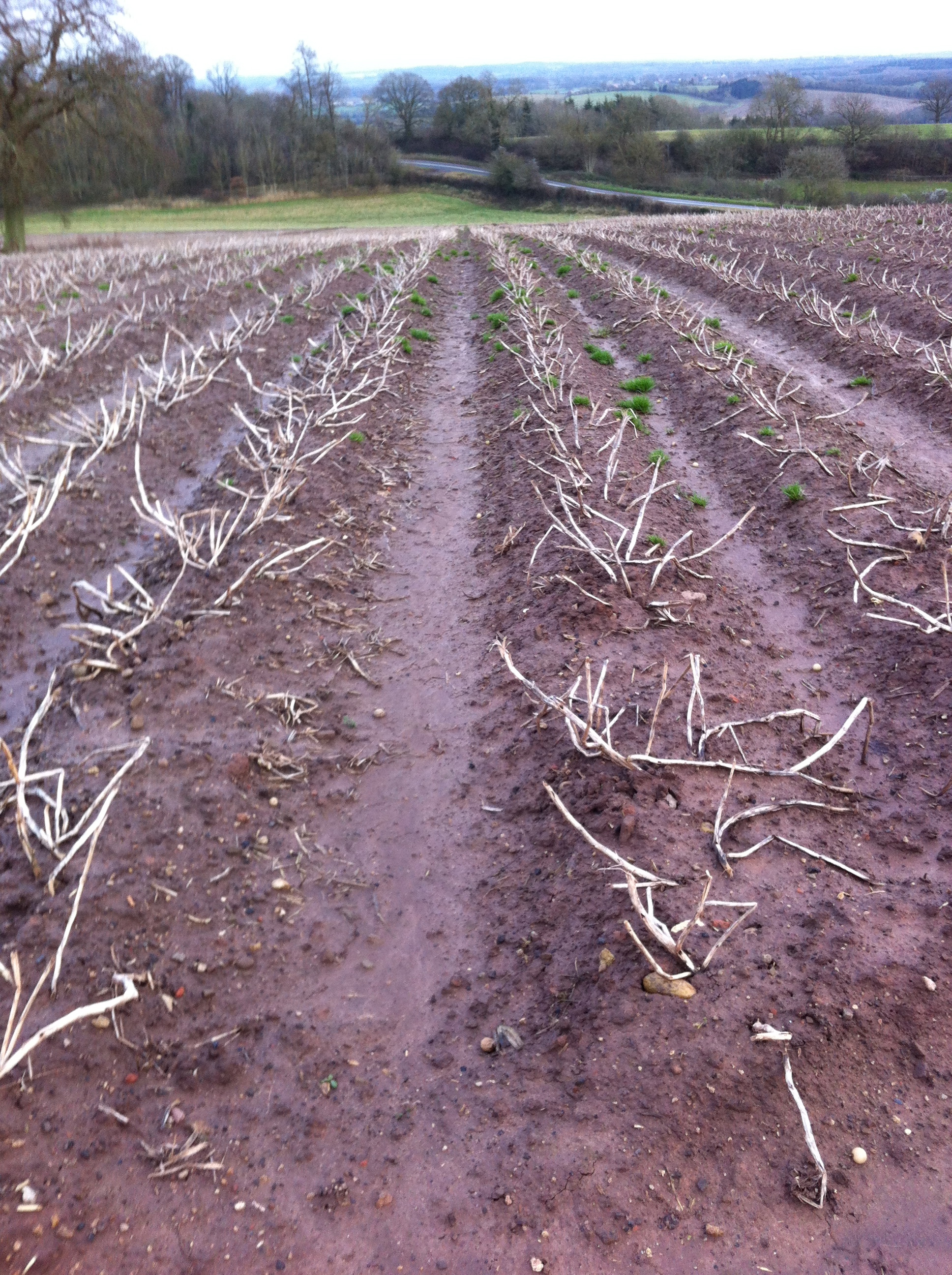
We visit the local shop to find supper. Shopkeeper Fran tells us that most of the extensively farmed local potatoes go up north (Herefordshire) to make Tyrrells crisps. My host kindly makes me a local supper: onion and potato frittata with Ross-on-Wye eggs. We sit in the local pub while it cooks and drink (semi-legal) cider: it’s locally made (Westons) and with Herefordshire apples, but not necessarily walkable-to local ones. Sigh.
I like it here though: good local shop with good local produce…

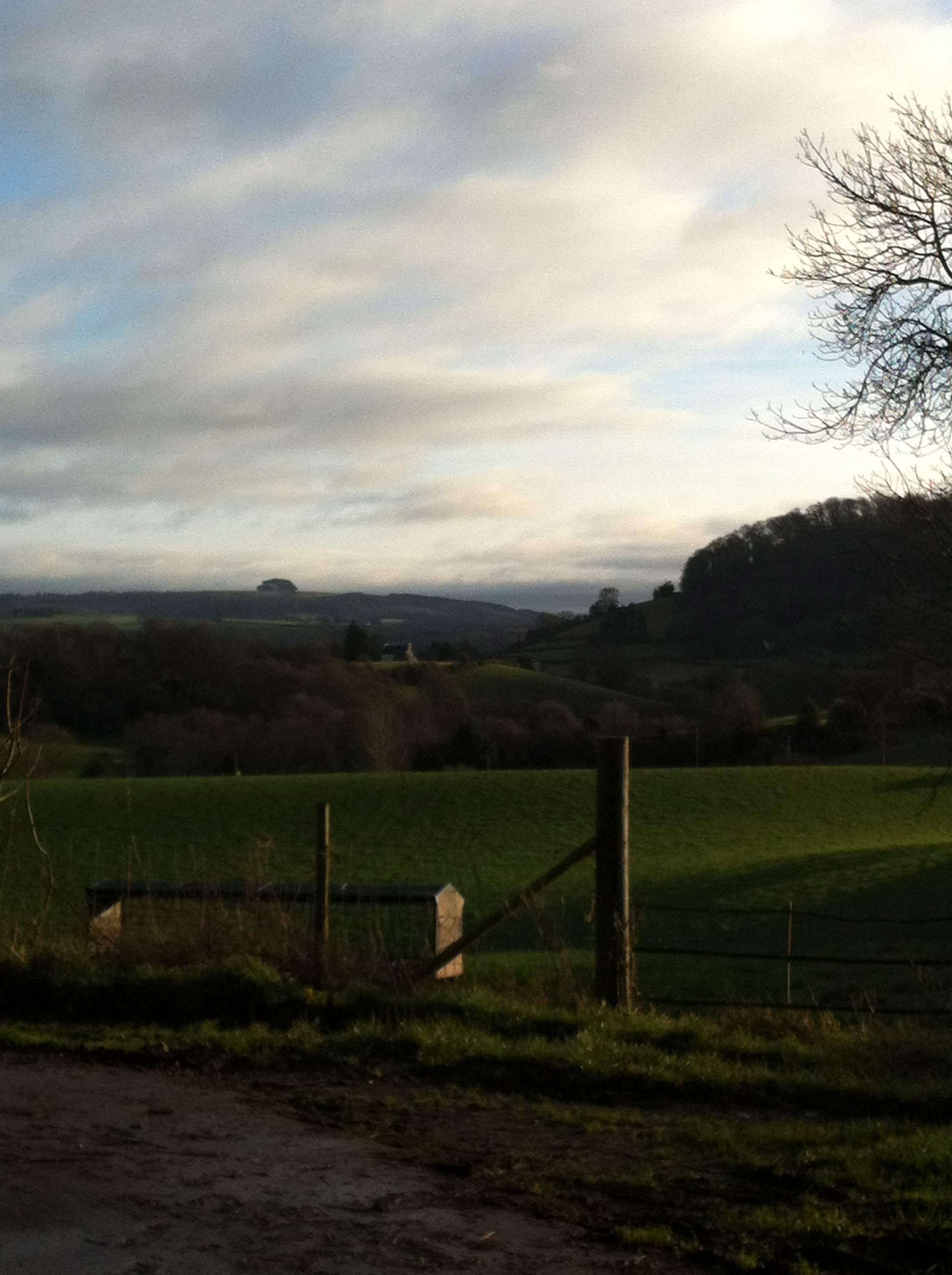
Organic Wednesday
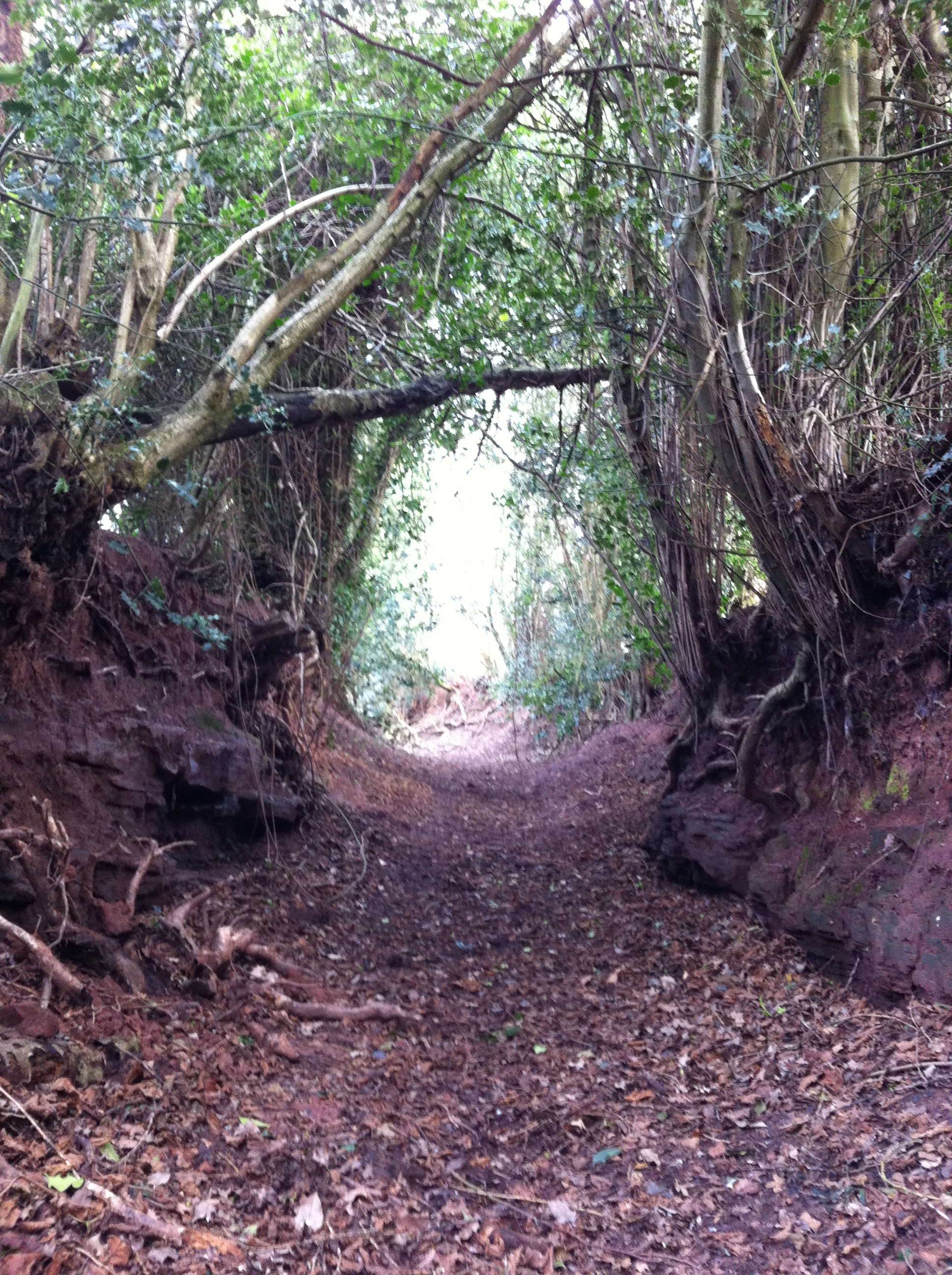
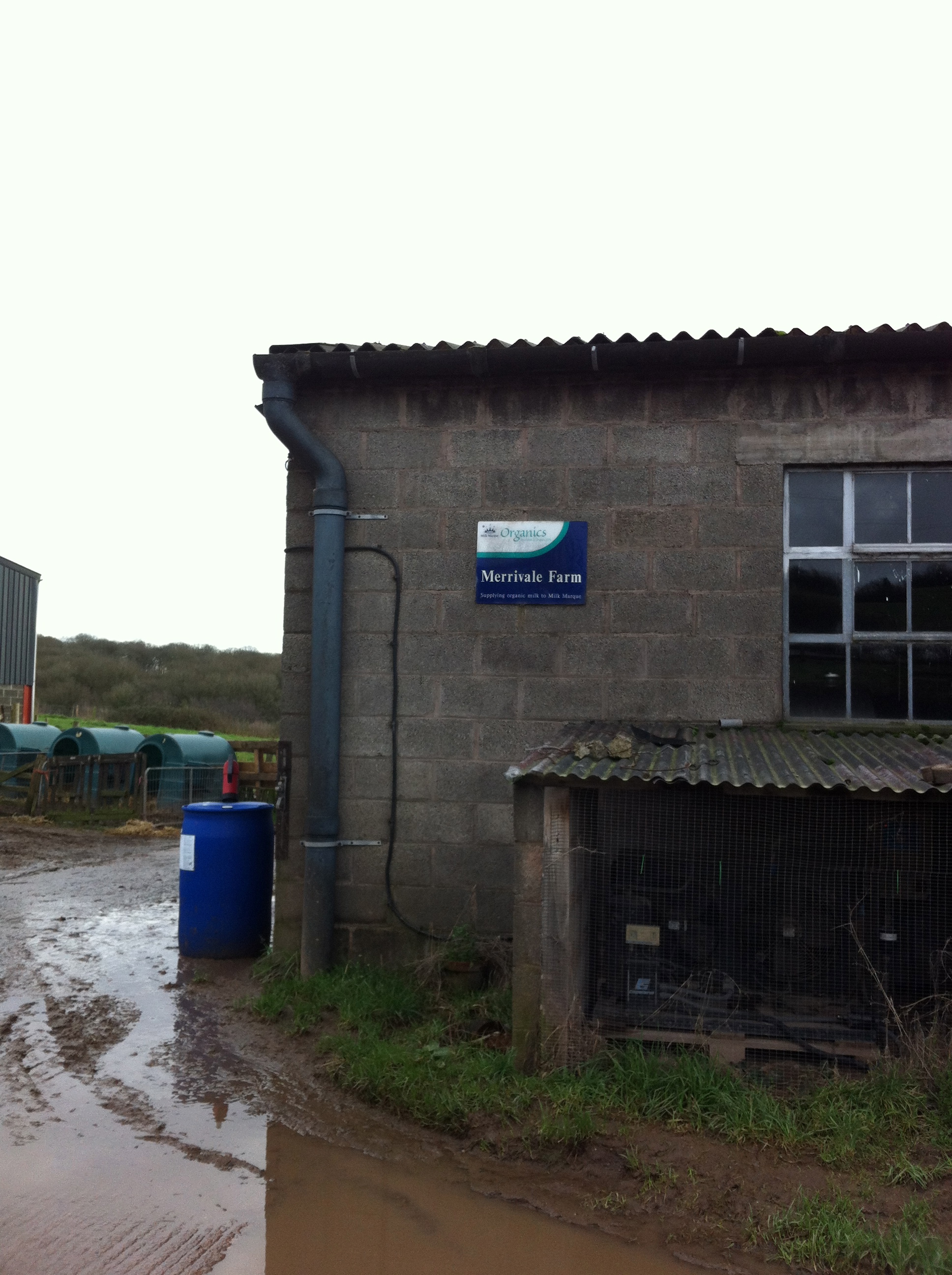
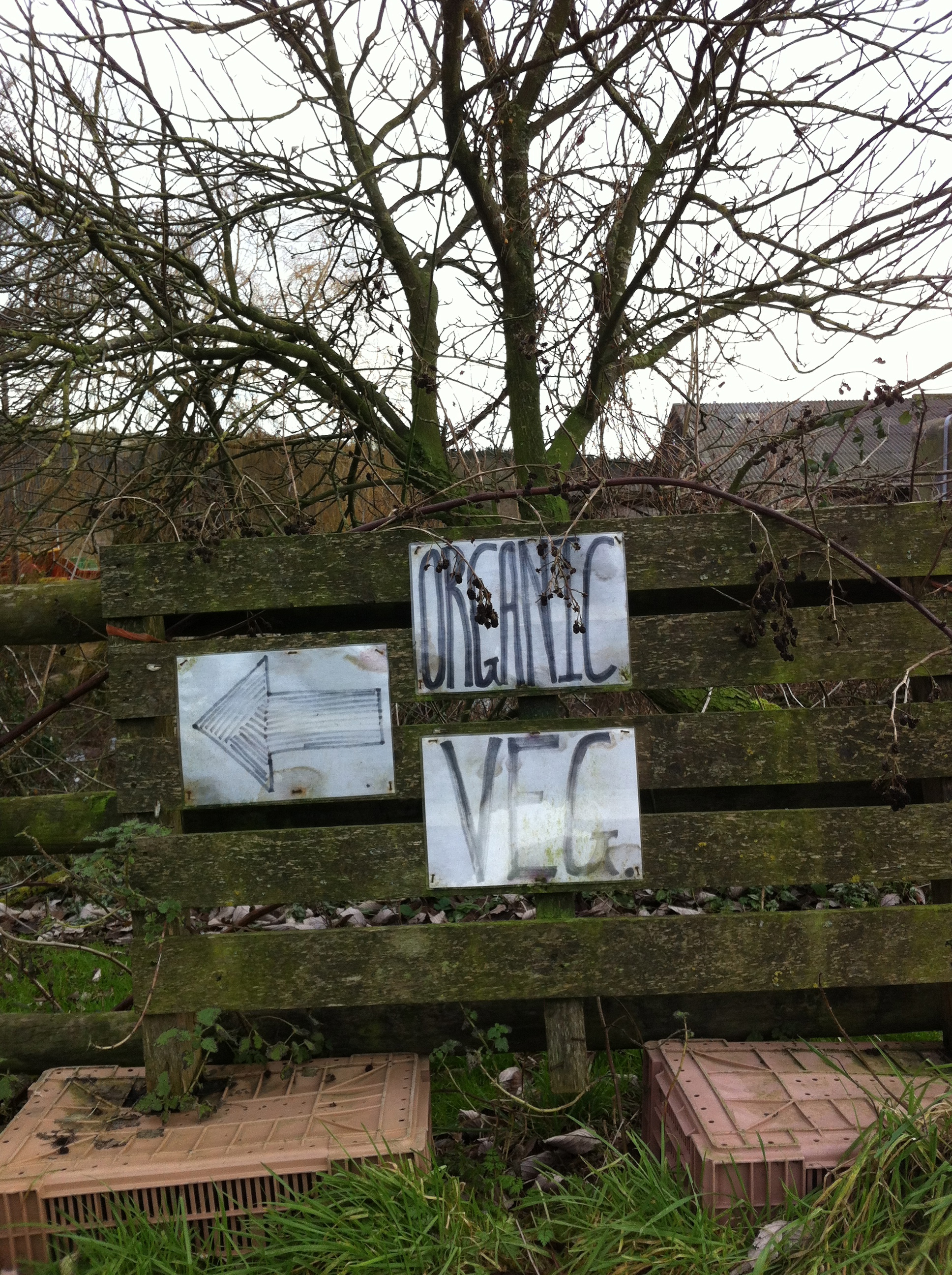
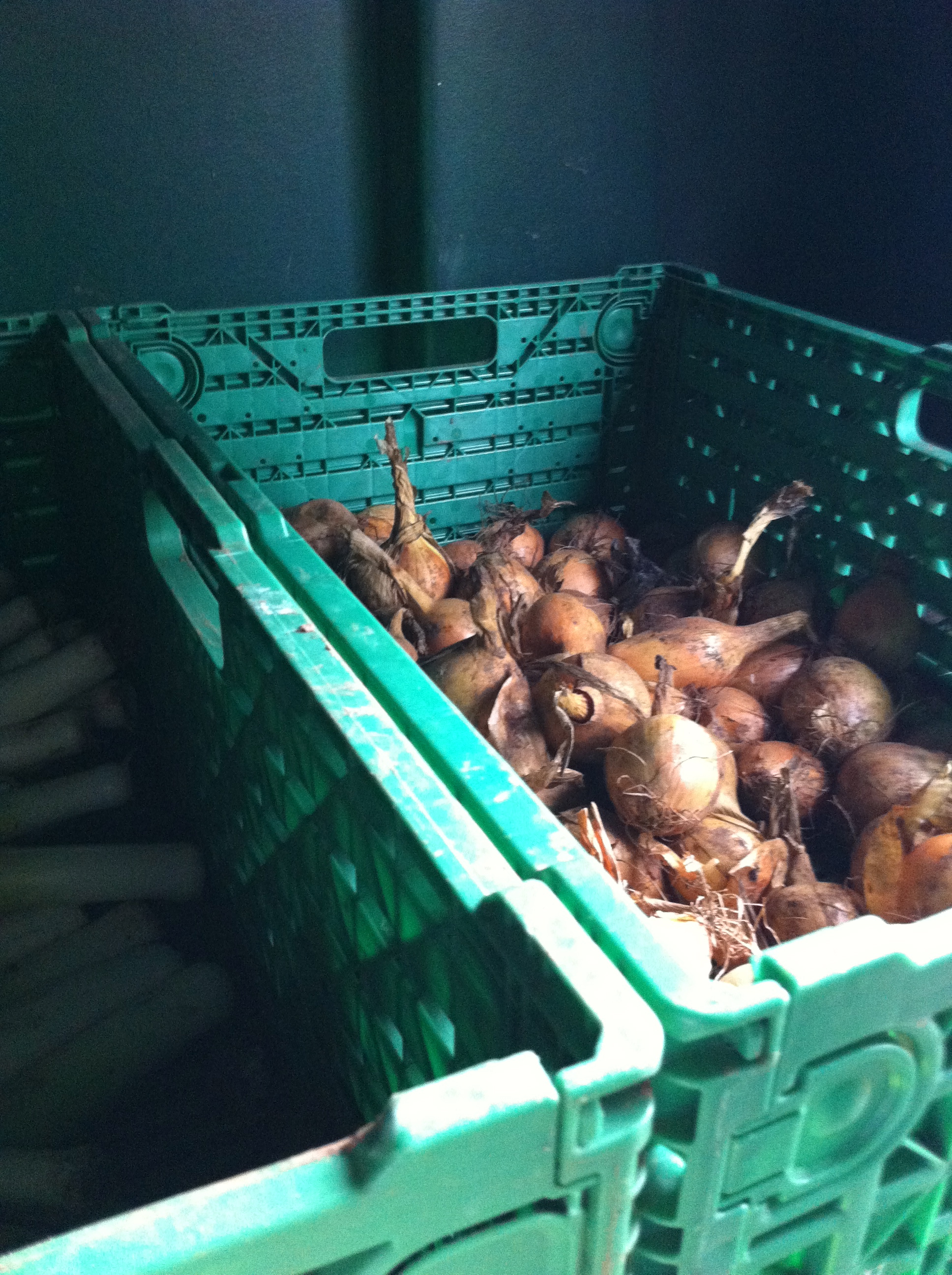
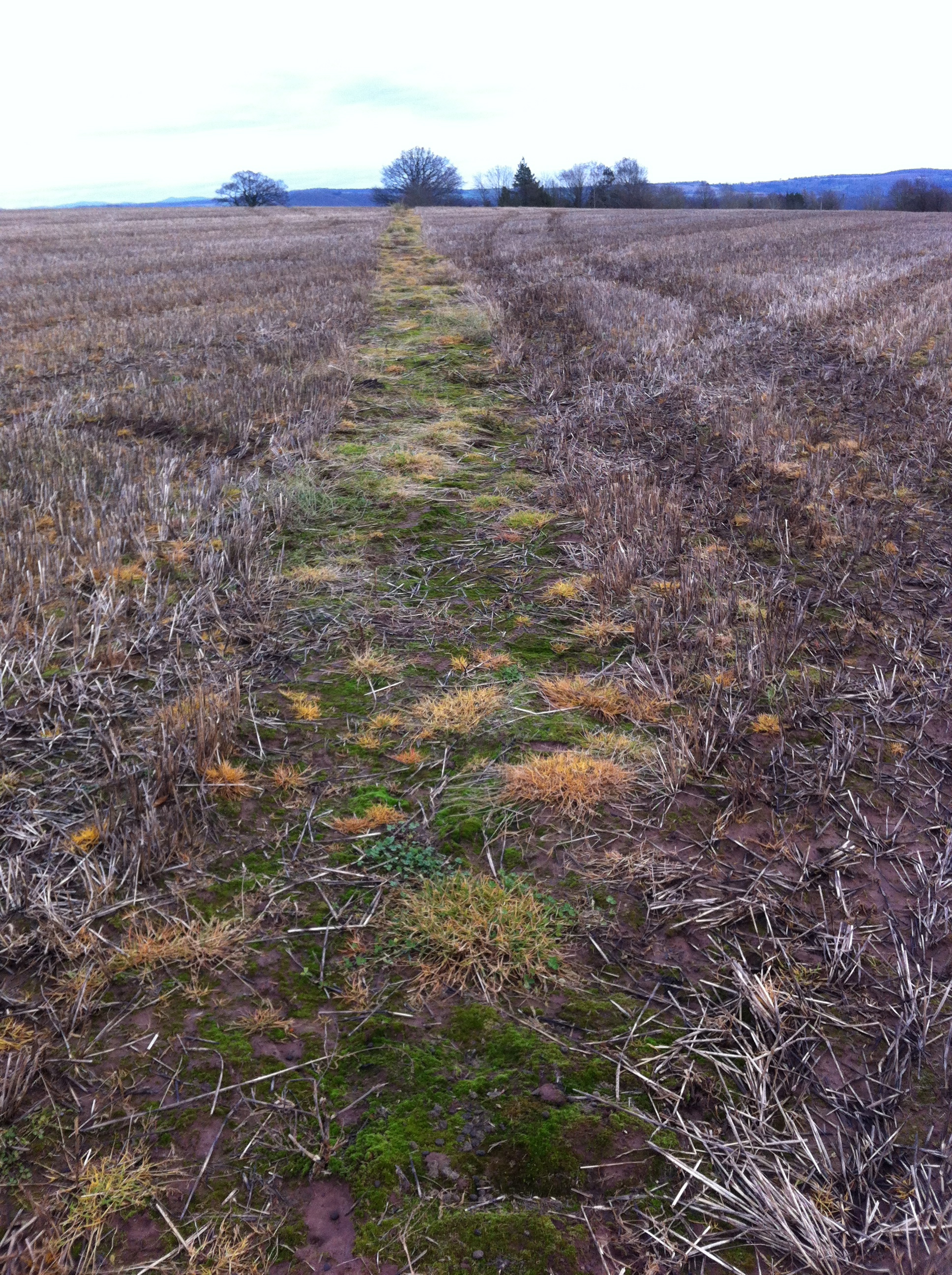
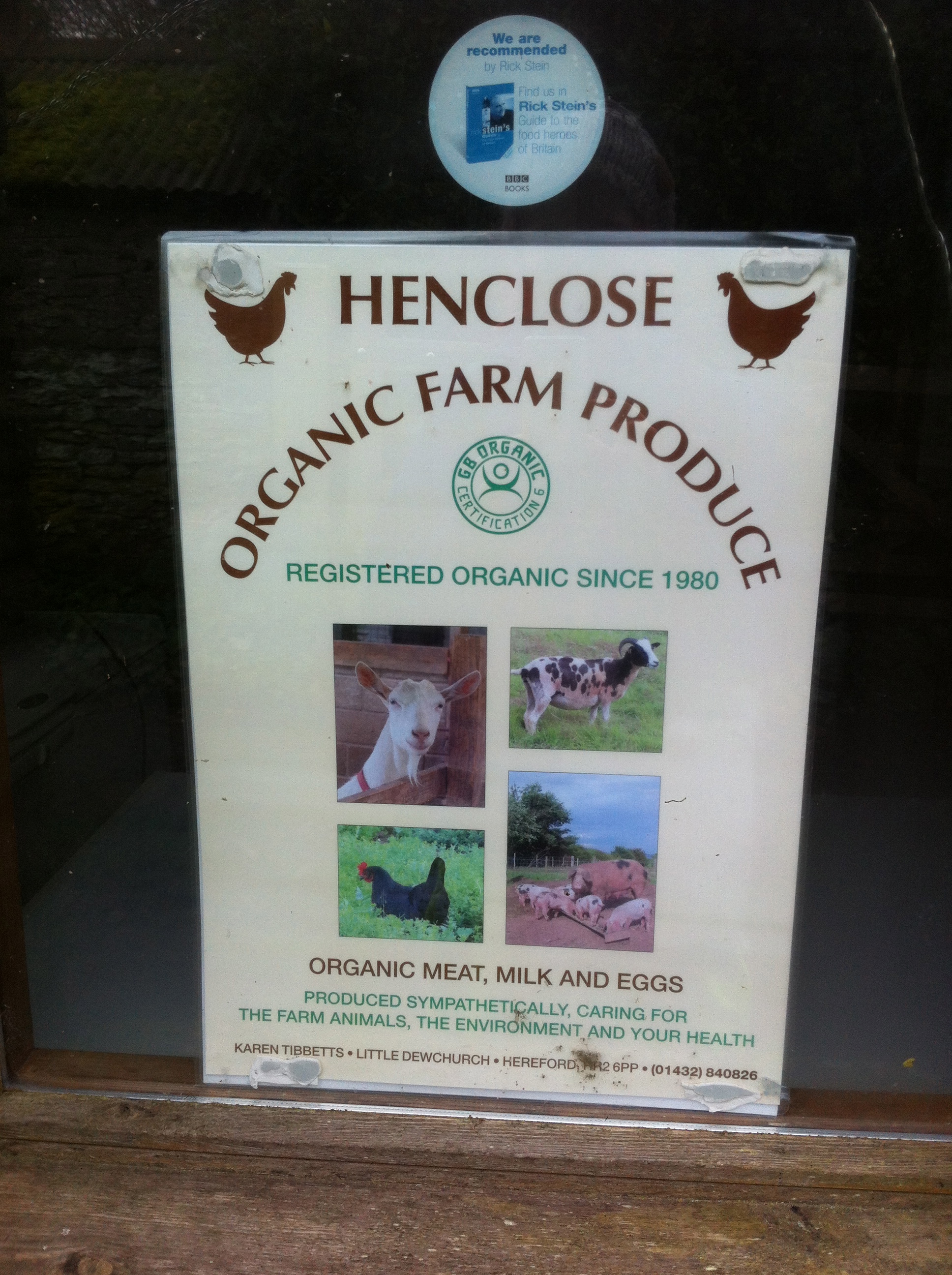
A walk to the organic veg farm at Aconbury, then back (or so I intended) via Henclose organics (goats milk) and Carey Organic farm shop. Both veg producers – who supply the Fownhope farm shop too – have been mainstays during the past month. And I’ve heard that the Henclose unpasteurised goats milk is superb.
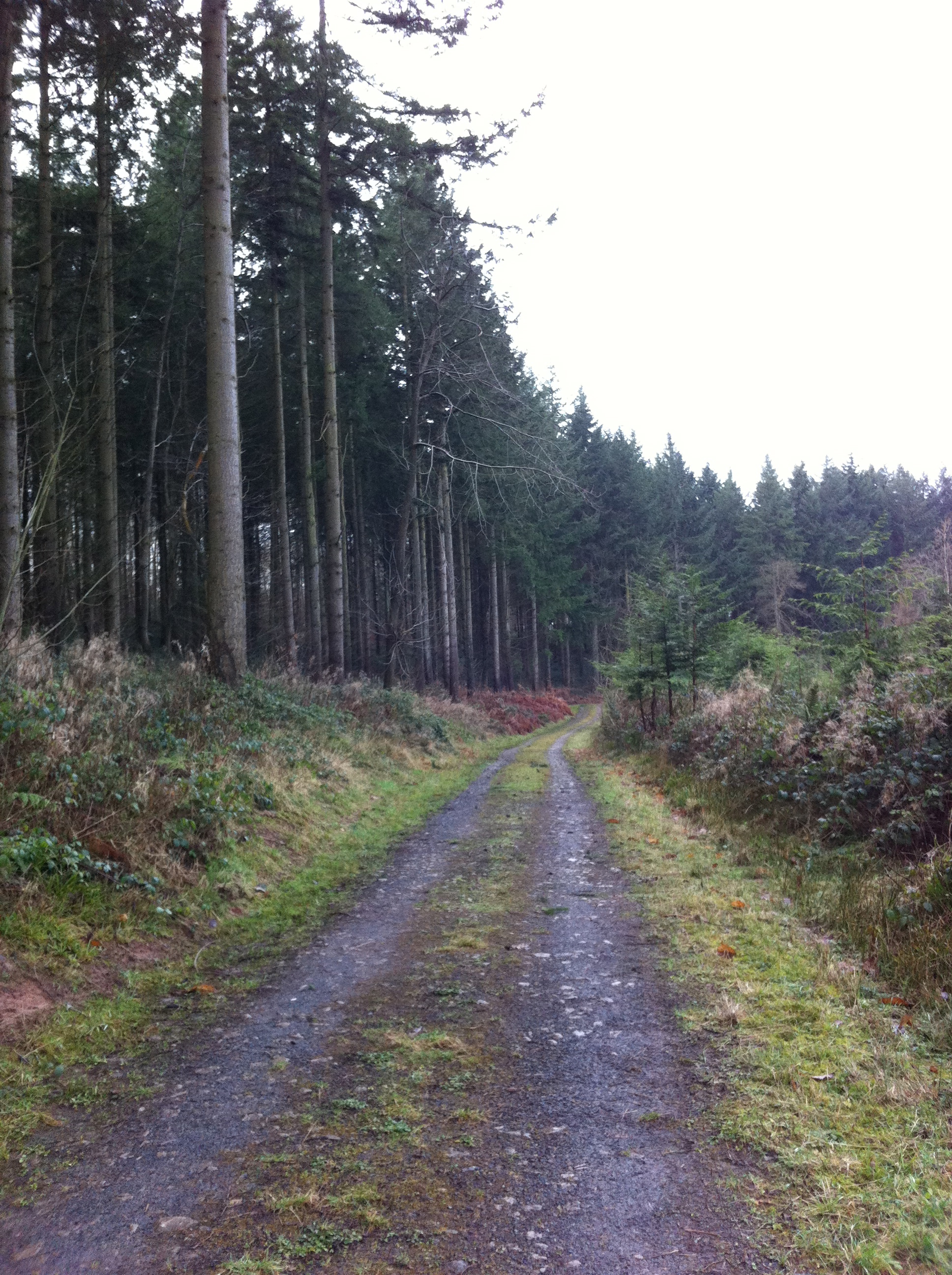
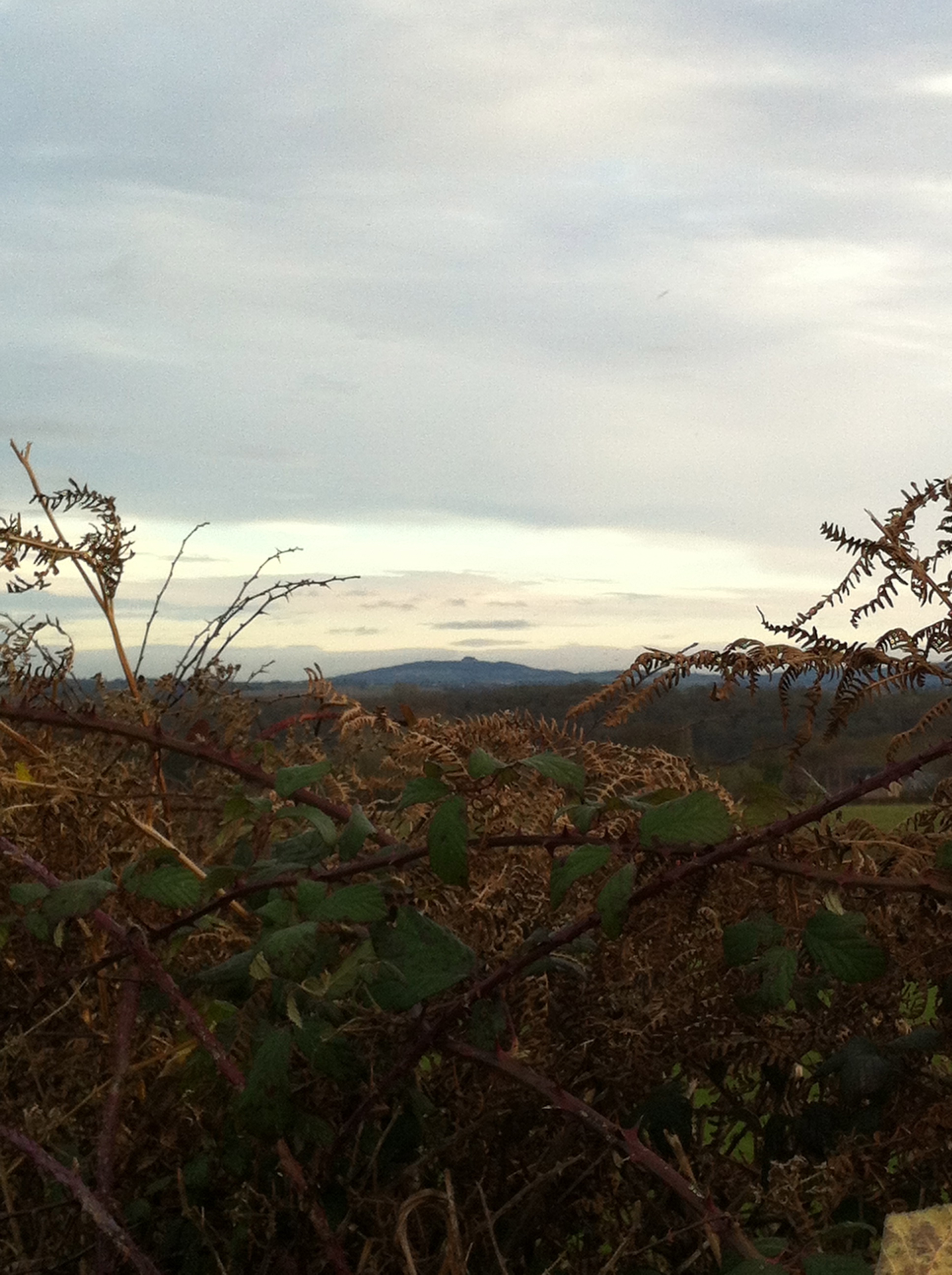
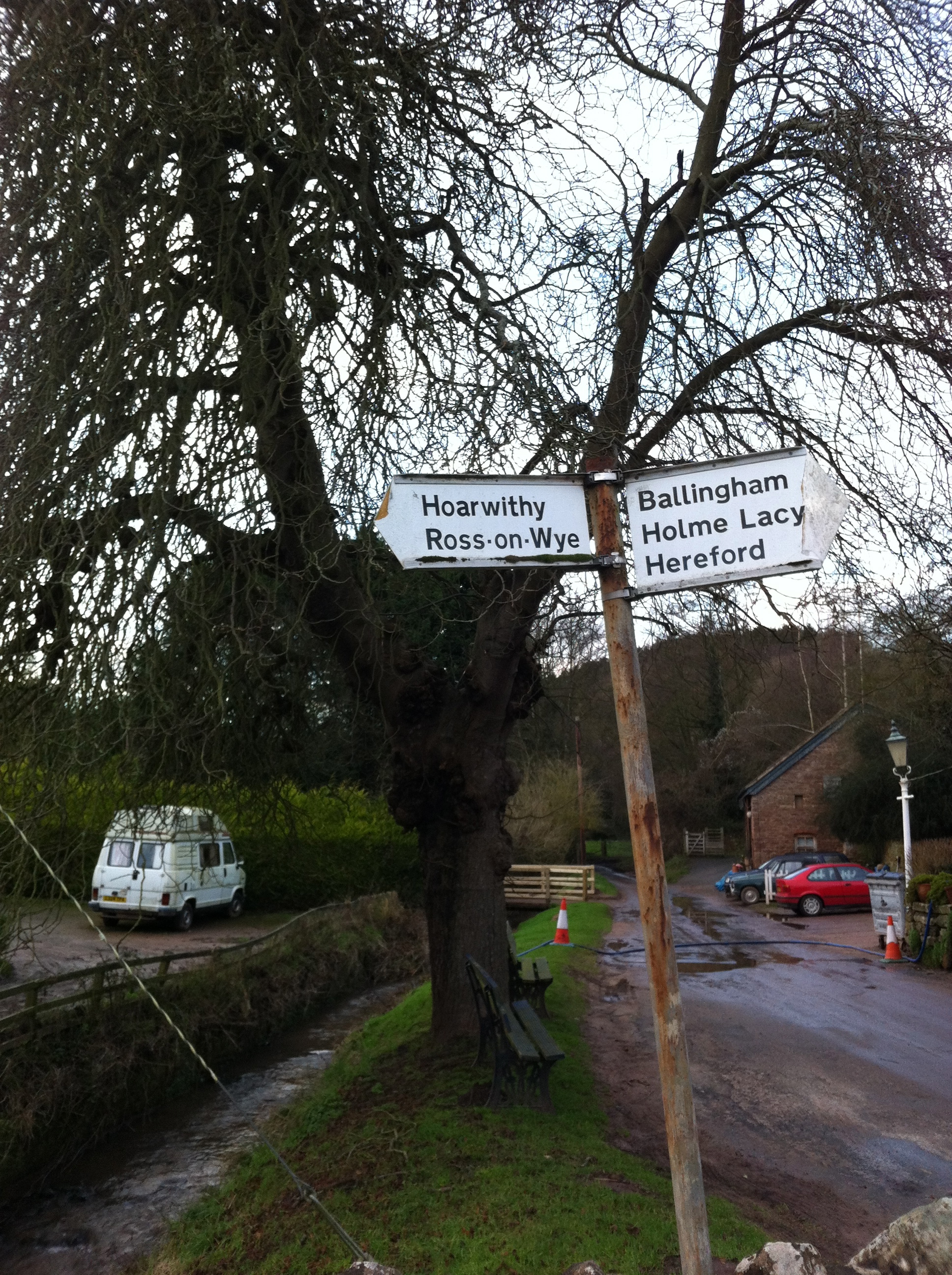
It’s very overcast, and the walk along the road to Hoarwithy slow and tedious, enclosed between high hedges. Crossing the Wye at Hoarwithy, I pass behind the church and pick up the Herefordshire Trail – one of the most newly instituted trails that allows walkers to circambulate the county, taking in all the major market towns and crossing some of the interesting landscape features on the way. (Walking has become an important income stream for the county since the farming community and economy was decimated following the foot and mouth disease crisis in 2001.)
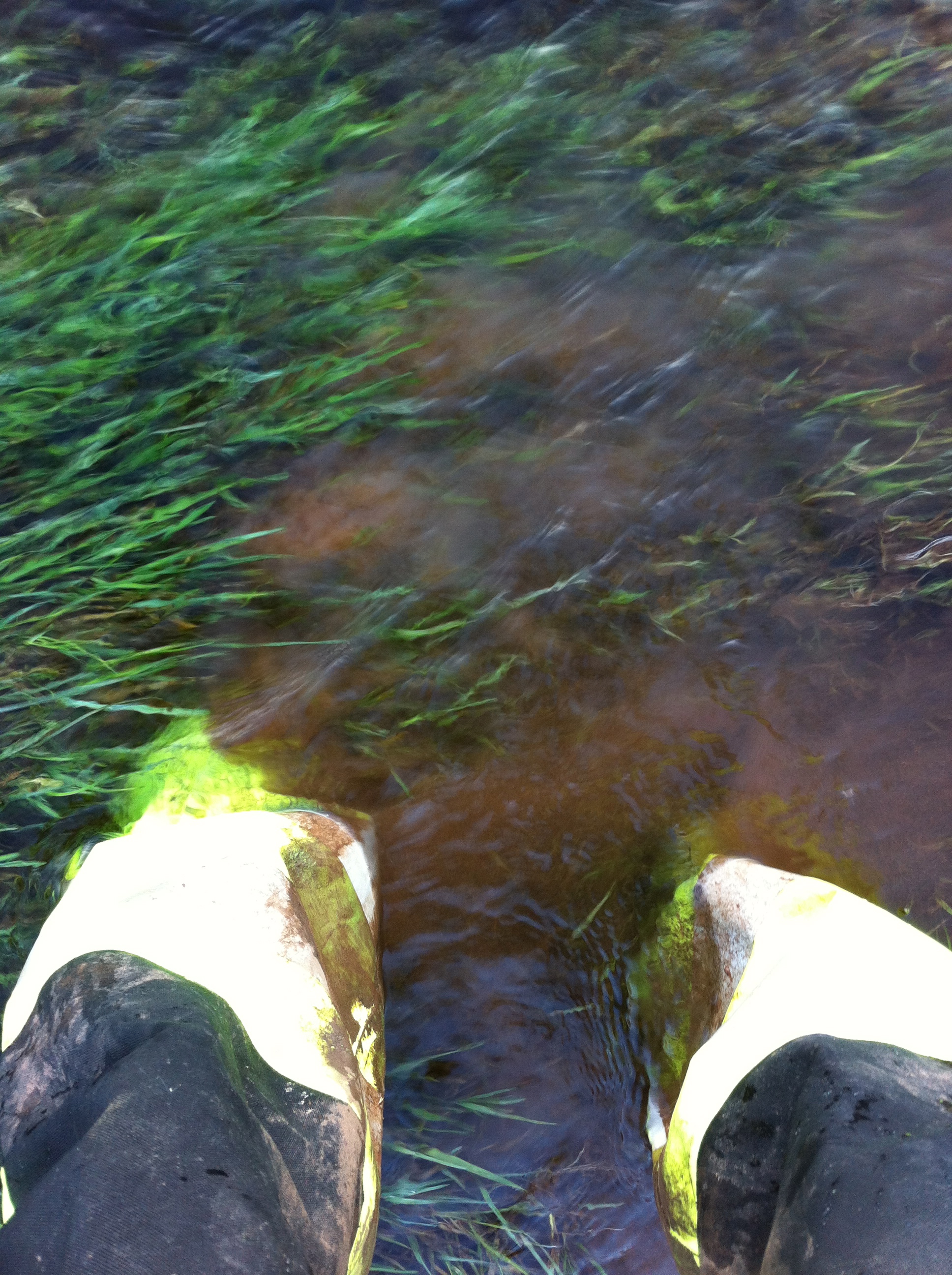
It’s not raining, and I’ve been grateful that for a change, I’ve not got wet feet. Until following a footpath that passes straight through a farmyard I sink up to my knees in mud and slurry. Oh well…
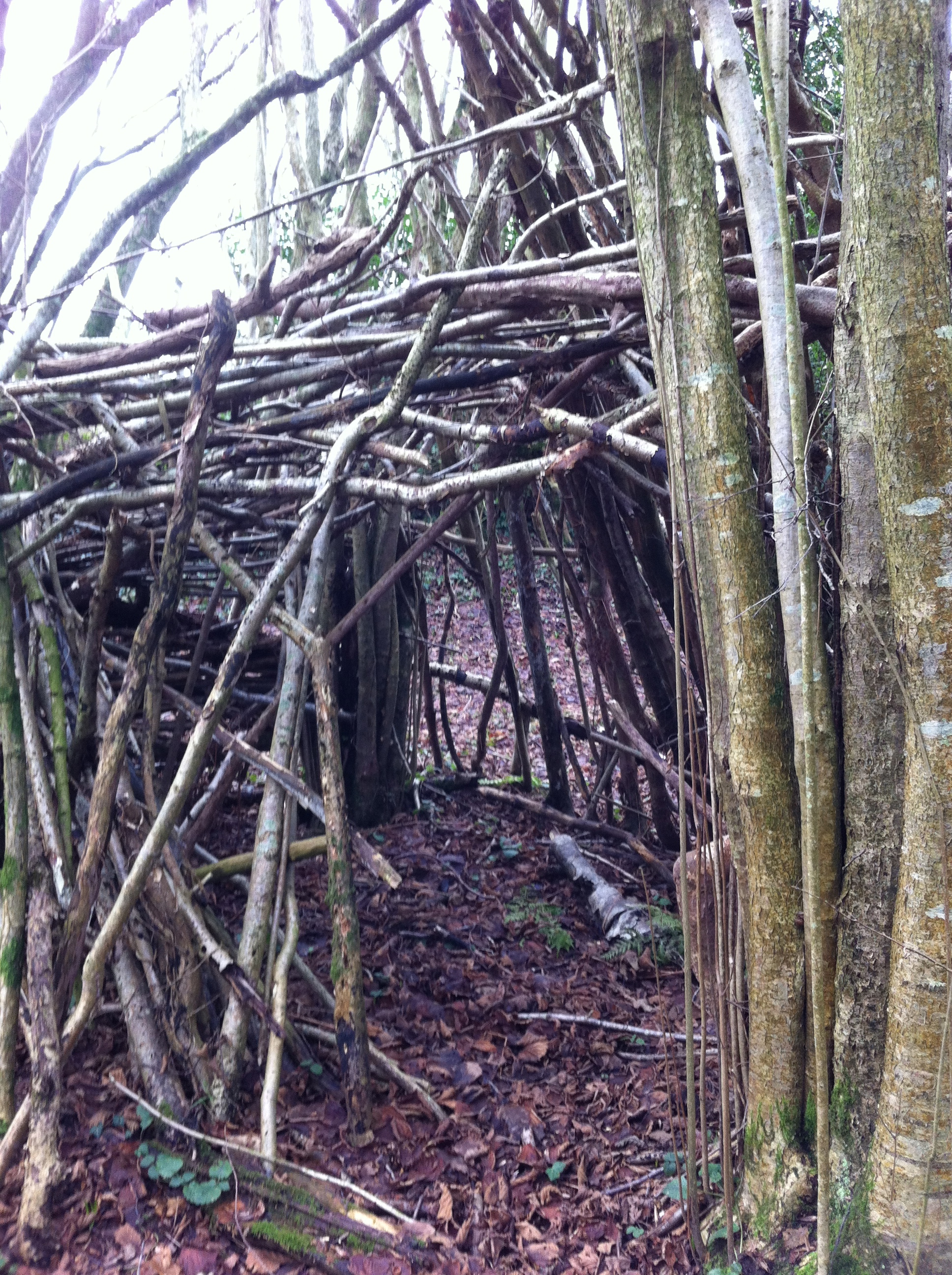
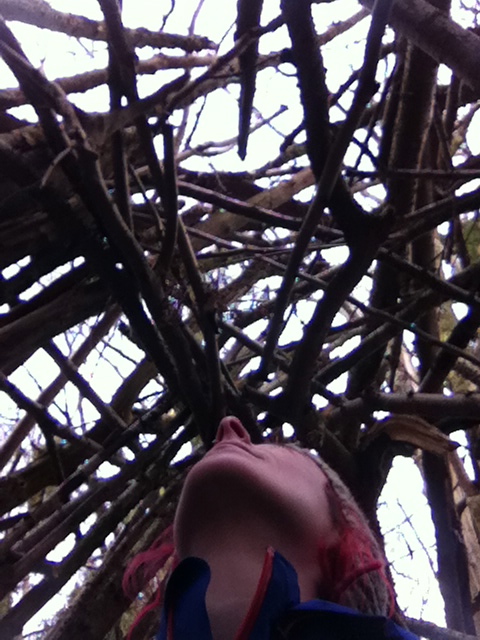
On the way to Aconbury I stumble on a fantastic den of sticks in the woods. Then the faintest glimmer of blue appears in the sky (As always the bizarre line comes into my head: ‘Is it enough to make a sailor a pair of trousers?’, half-remembered from a Victoria Wood sketch that has stuck with me since childhood).
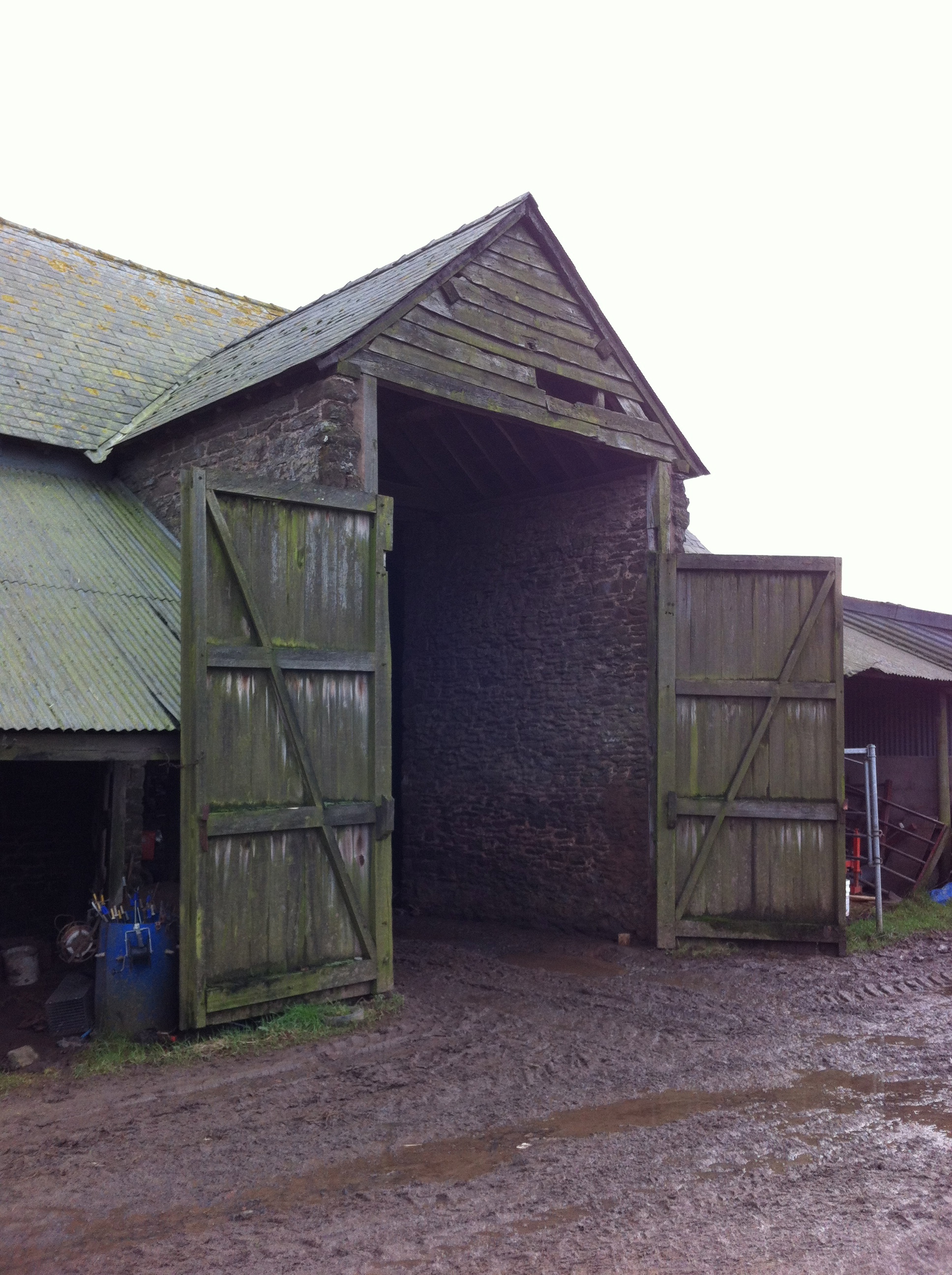
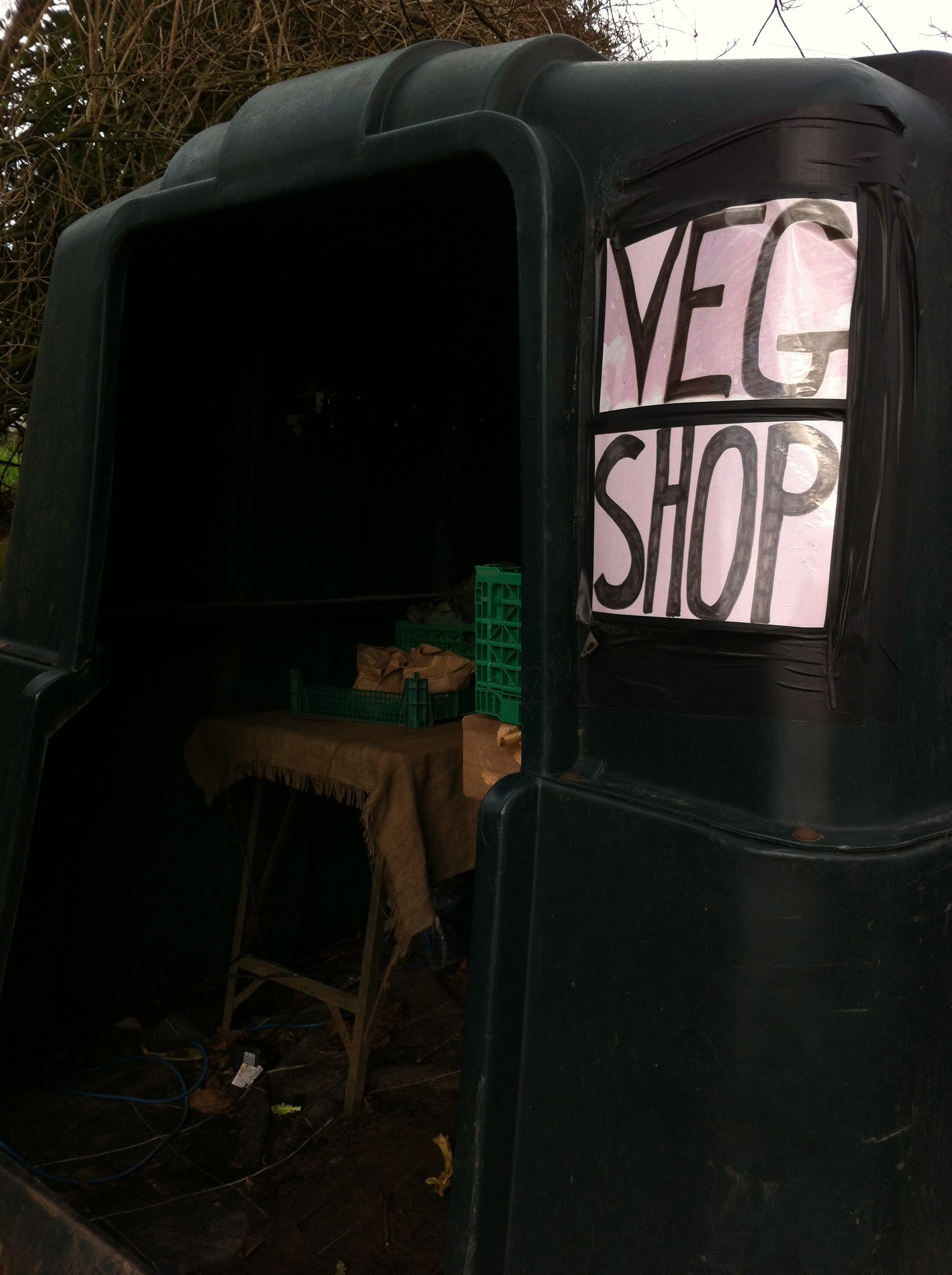
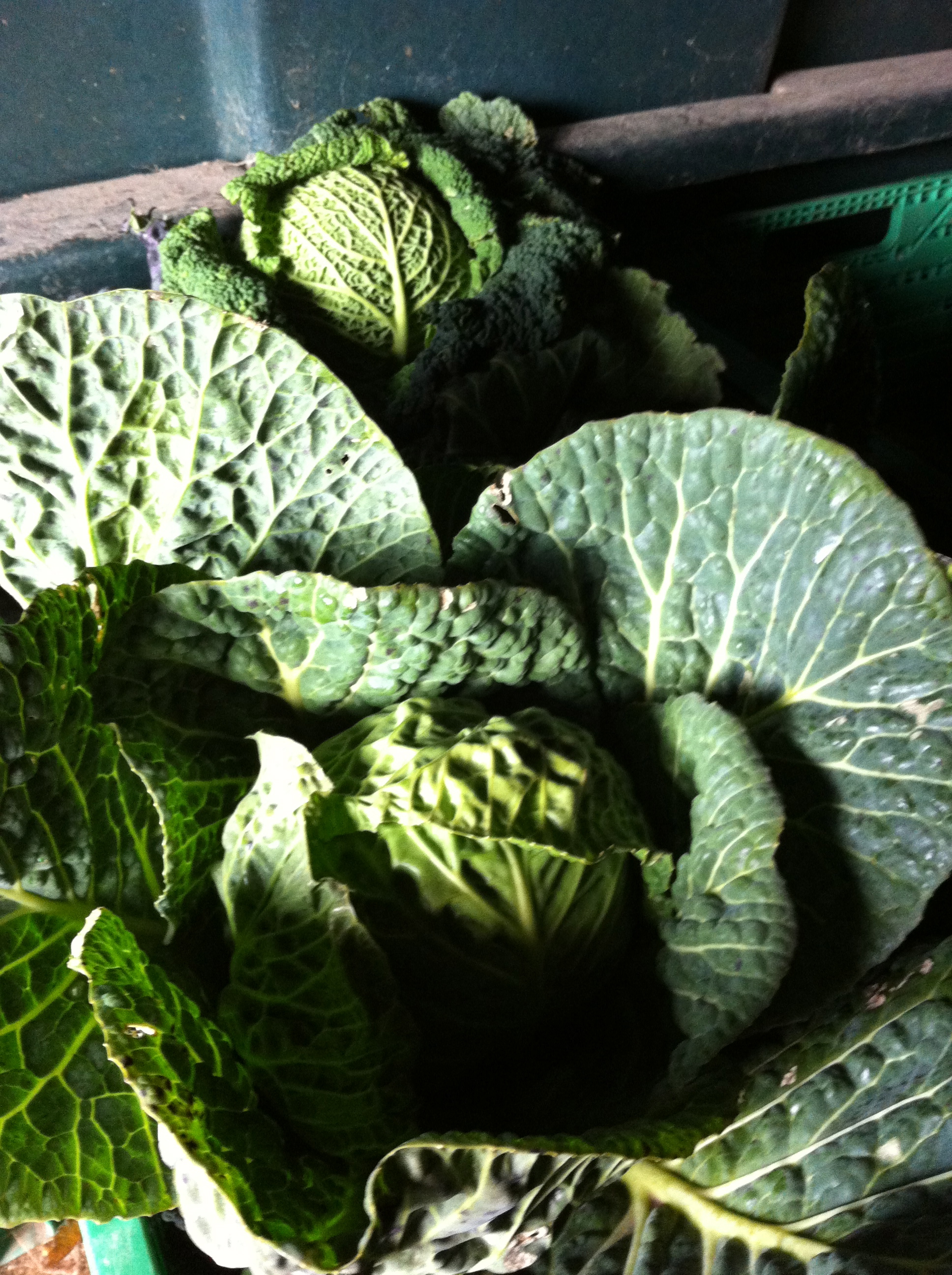
When I eventually arrive at the farm, it’s lunchtime and when I knock tentatively on the door, the family – at least two generations, by the look of it – are about to sit down to some food. So I don’t want to intrude or ask for an audio recording… I explain what I’m doing, ask them if I can buy some veg from curious ‘shop’ housed in what can only be described as a dark green plastic container (yes, leave money in the honesty box), then exchange a couple of pleasantries about the weather. One thing the farmer does say is that it’s been a challenge to grow broccoli in these increasingly wet winters – ‘it doesn’t like getting its feet wet’ he says. As I stand there with slurry still oozing inside my trainers I think ‘Yes. Quite.’
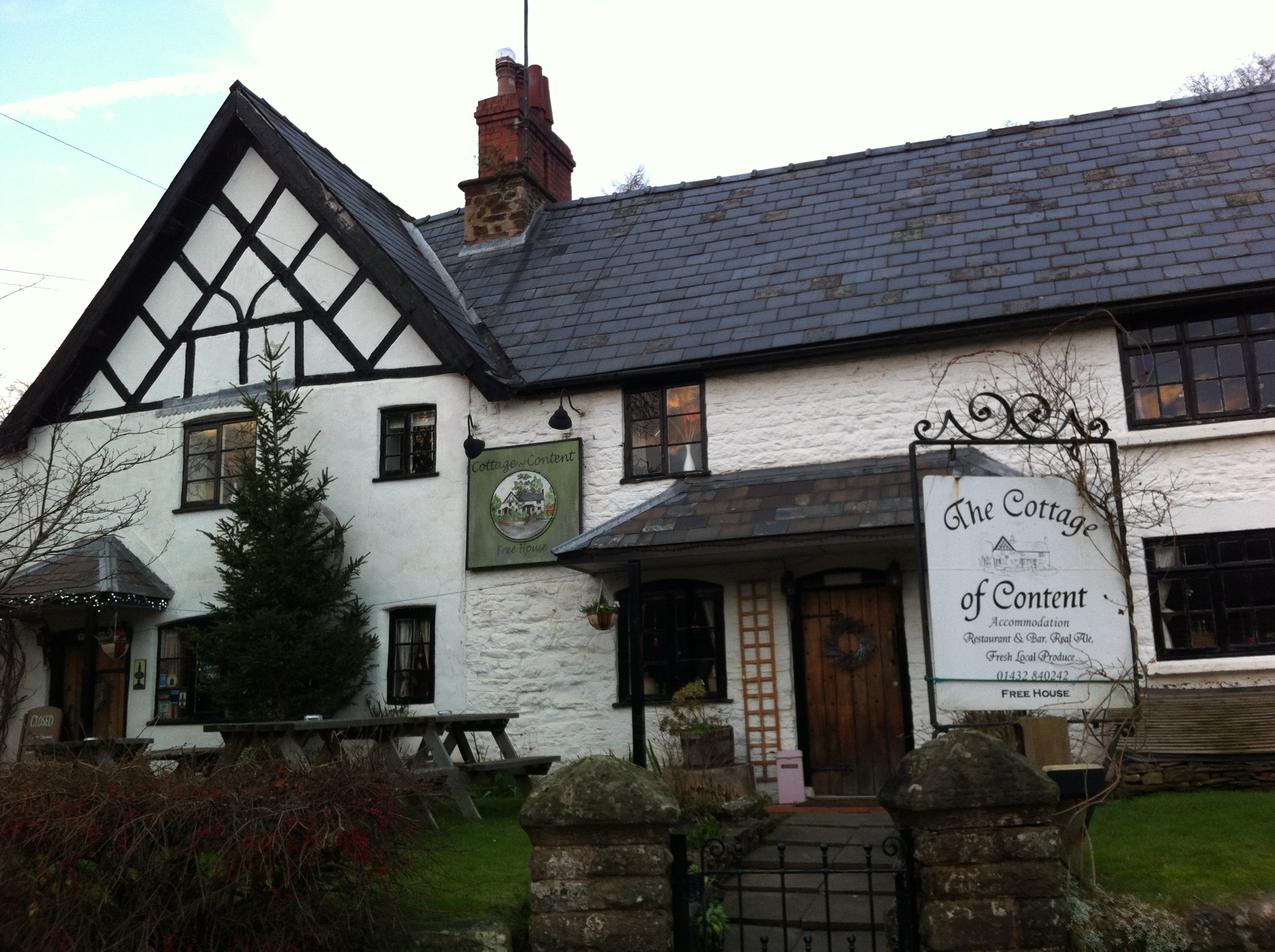
It’s a long way back down through Much Dewchurch. I pass Henclose organics (no one in – apart from the goats rustling in the straw of their shed) and head across country down towards the Cottage of Content (a pub, sadly, not a gingerbread house.) As I pass a small house, I bump into its two residents. I think these are literally the first people I’ve randomly bumped into outside for almost the entire month. In surprise, I ask them if they’ll consent to me audio-recording our conversation which ranges from donkeys and bananas to local food in London.
Audio Track: Lower Knapp Green 2 (Denuded rural infrastructure & post-war farming)
Audio Track: Lower Knapp Green 1 (London, local food, donkeys & bananas)
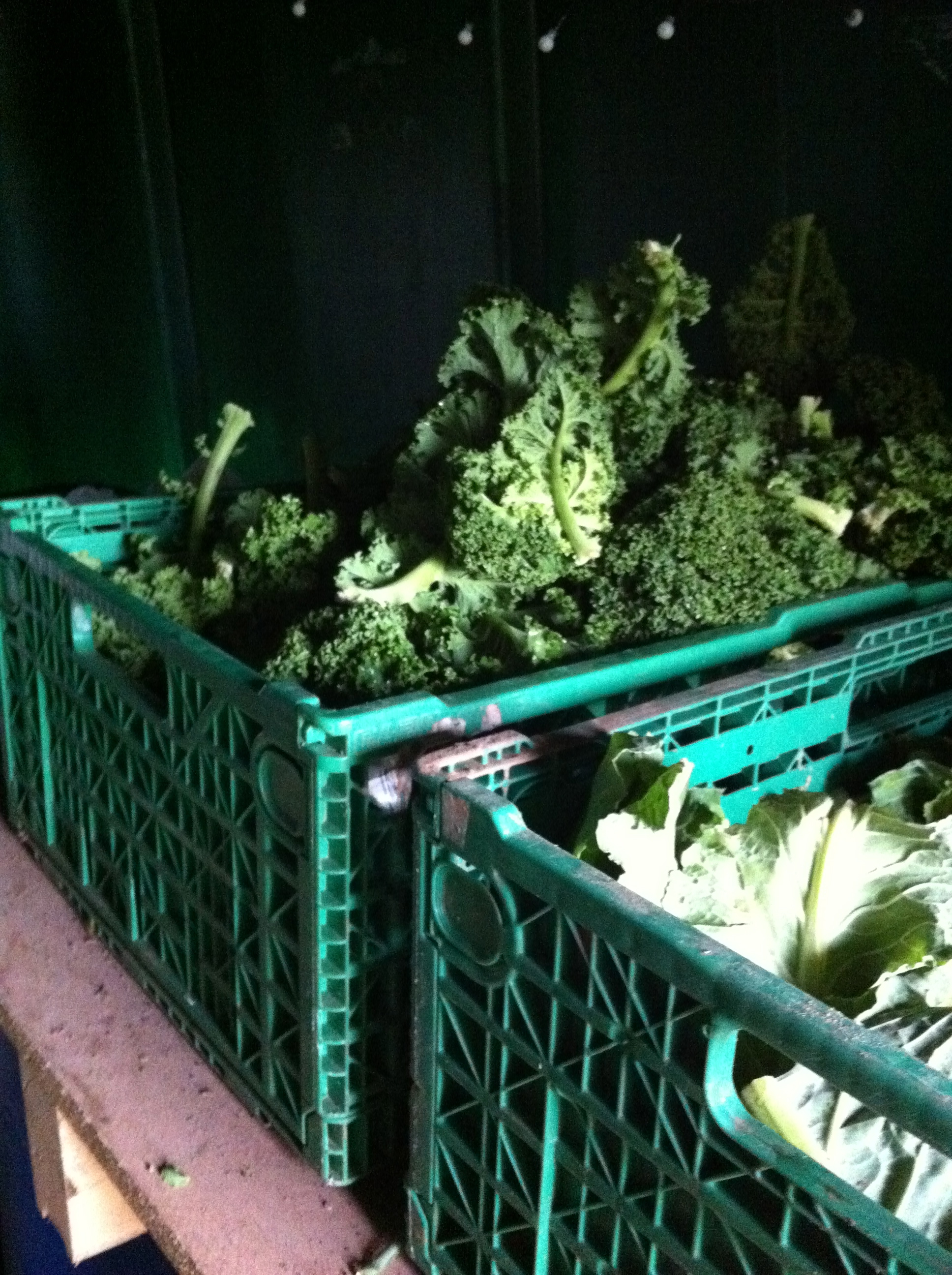
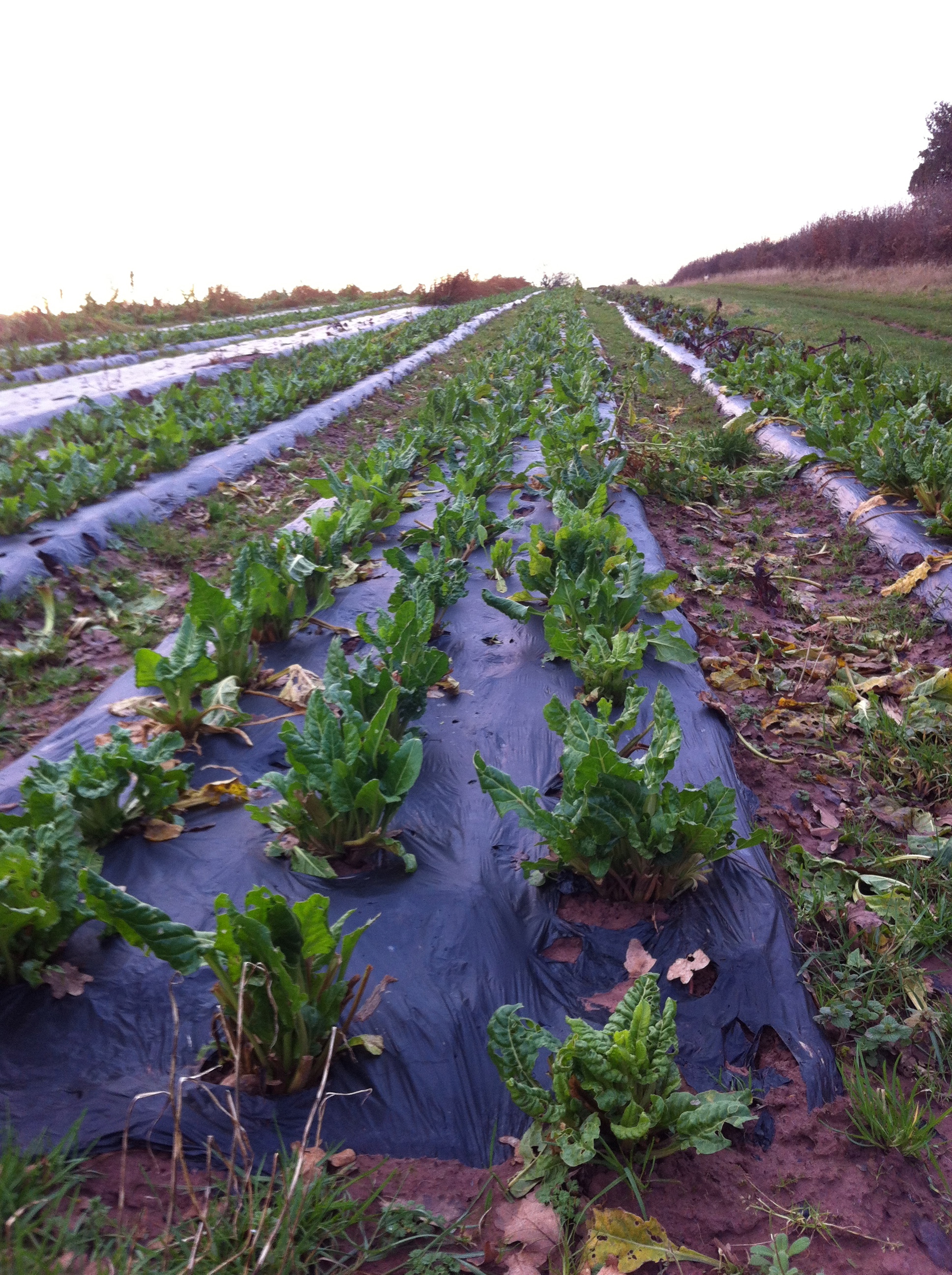
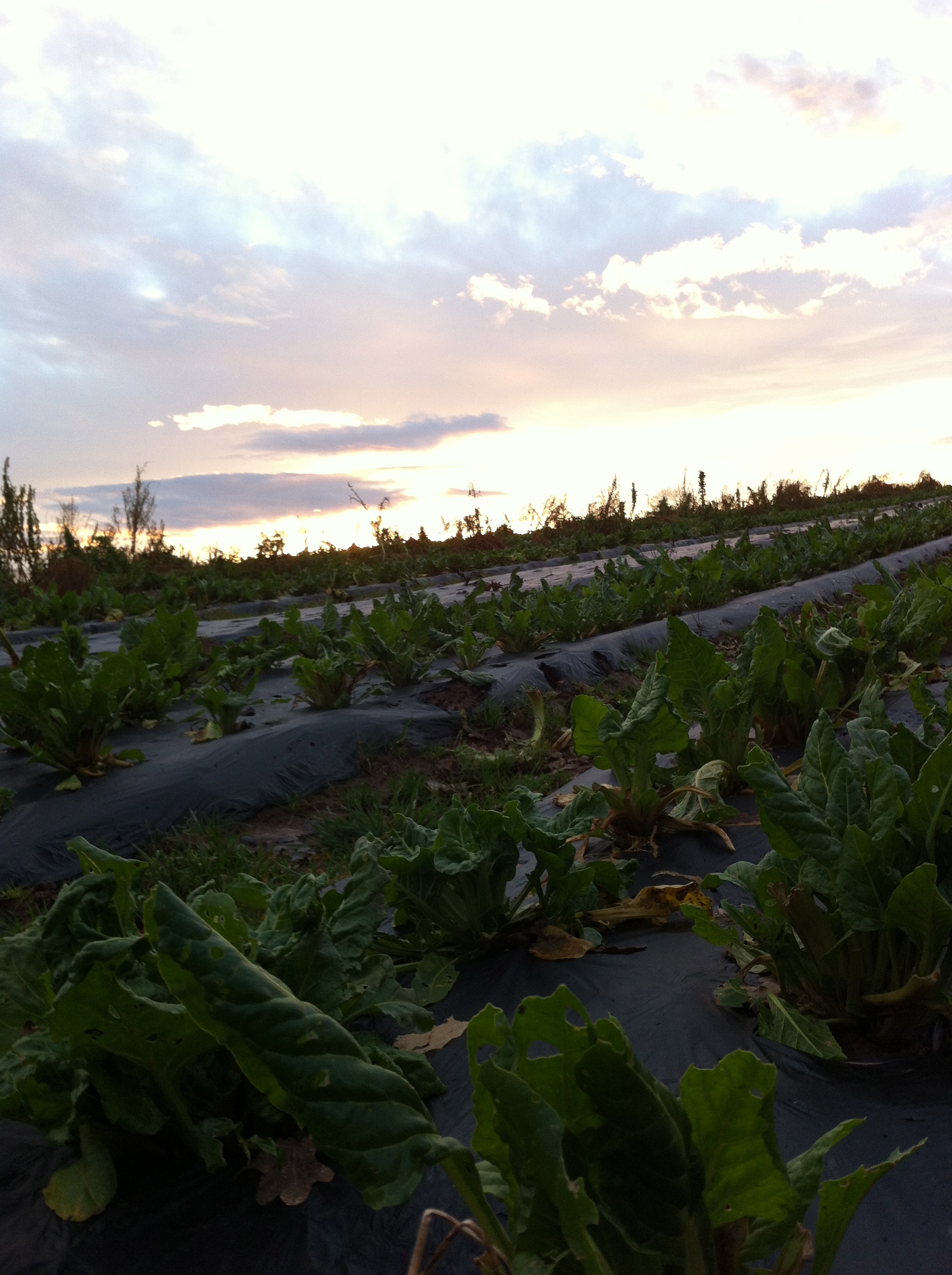
Finally, I head towards Carey and get there as the light is falling. I’ve missed the shop, also closed (arghh). But I can hear a tractor working up in the fields so I head up the lane a little way. I pass a field of young Swiss chard, but no longer hear or see the source of the tractor noise. I look wistfully at it (the chard), realising I hadn’t eaten green leaf vegetables for some time and feeling an intense pang of hunger for chlorophyll tang of leaf. It didn’t even occur to me to pick some. Then as I turned to leave the field, I saw one uprooted chard plant lying muddy on the rutted tracks – fallen off the trailer or pulled up by an animal, I wasn’t sure. But it was going to waste. I picked it up and took it back with me, triumphant at my ‘roadkill’. [Curiously, just days later I discover that the Institute of Mechanical Engineers has published a landmark report Global Food: Waste Not Want Not – which opens with the shocking statement that ‘it is estimated that 30–50% (OR 1.2–2 BILLION TONNES) OF ALL FOOD PRODUCED ON THE PLANET IS LOST BEFORE REACHING A HUMAN STOMACH.’ I read this and remember that chard plant which has, ever since, become indelibly marked in my mind’s eye as a sad signifier for waste]
And then just a long walk back in the dark along the Hoarwithy road in headtorchlight, and my red bike light clipped onto the back of my hood.


Hooves and health
Merlin’s equine podiatrist comes to trim his hooves. He’s been barefoot – i.e. unshod – since April 2004 when I first became involved more intensely with the discipline of natural horsemanship and began to train as an equine podiatrist myself. This before dance training made me too precious about my body to want to consider standing underneath big horses all day, as they thrashed their legs around and I vainly attempted to hold onto the ends of them whilst wielding various sharp instruments (knife, rasp etc.)… But I remain a passionate advocate of ‘whole horse hoof care’, a relatively new (certainly, in the last decade or so) way of thinking about horses’ hooves as part of the whole beast and a key physiological marker of the health and well-being – nutritional/metabolic, cardio-vascular/musculo-skeletal fitness, even psychological – of the whole animal.
This may seem blindingly obvious, but traditionally, as British horse-owners, we have practiced a heartily devolved responsibility when it comes to our horses’ feet, entrusting their care – these distal points of their four precious limbs – almost exclusively to the farrier. (Not, as it happens, unlike our disconnected relationship to our food which is produced ‘somewhere else’ by ‘someone else’ and purchased from the supermarket, neatly packaged (in a protected atmosphere) in sterile plastic.)
‘No foot, no ‘oss’ the famous saying goes. And yet, few of us questioned if a man (for their invariably are) visiting every 6 weeks and nailing rigid metal to this (actually surprisingly mobile) proteinaceous tissue was perhaps the healthiest thing for the natural function of the foot. (Or even the less natural uses we might put it to – in that riding a horse is already inherently unnatural.) Suffice to say, it is now increasingly recognised that it is not. Though it is not as simple as simply removing the shoes. Barefoot horse husbandry – for high-functioning working/sport horses at least – requires a commited attention to the environment in which the horse lives, its nutrition and the ‘conditioning’ that one is prepared to do. In other words, if you want to drag your horse out of a muddy field once a week and go on a ten mile ride on the road or a cross-country competition, then you should probably stick to metal shoes. (Or get a quad bike. Or reconsider whether you have a respectful and meaningful relationship with that animal at all…)
My journey through the landscape of having a shoeless horse has necessitated and given rise to some big leaps of faith and understanding, not least that Merlin’s metabolic health – as evidenced by and echoed in his hooves – is in delicate balance, that it fluctuates seasonally, that British lowland pasture (largely now now rye-grass monoculture to maximise dairy production – and Caplor is a former dairy farm) is too rich in summer sugars for horses, whose digestive systems are still in time-lag, adapted to the dry grasses of the vast, arid plains where they evolved (and where their hooves were healthiest), and that hoof-infesting yeasts thrive in the warm, wet mud of climate-changed British winters.
If we listened to our own bodies as intently as I ‘listen’ to Merlin’s hooves, we might have a better understanding of our own nutritional – and seasonal – needs. And if we took greater responsibility for those needs – not handing them over to the supermarket ‘farrier’ – we might have a better sense of the whole systems in which we live, eat, breathe, participate.
Amazing, really, how I can now manage to bring every conversation, blog post or social encounter round to climate change, food and our relationship to it…
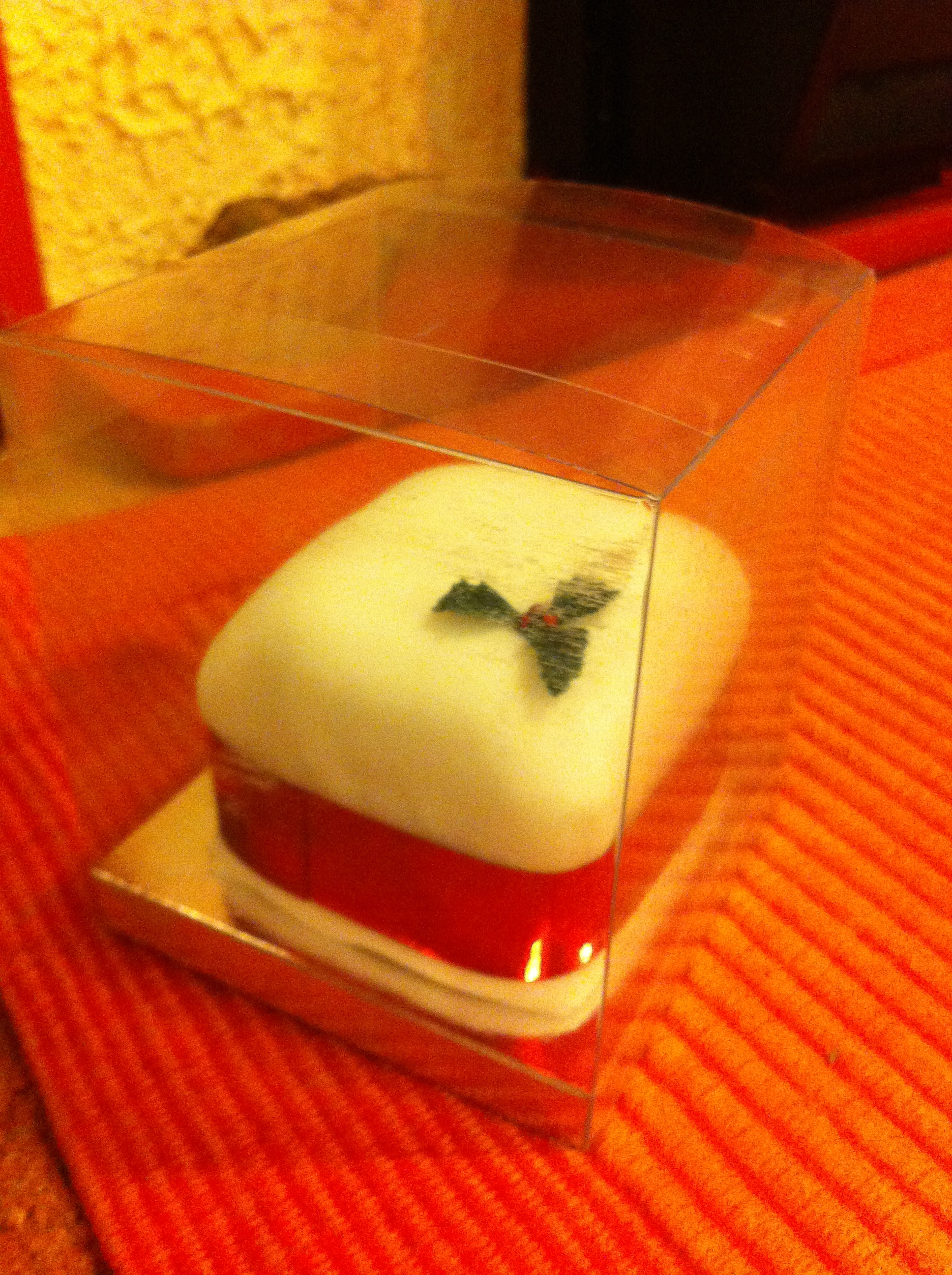
(And Debbie, Merlin’s trimmer, brings me some vegan Christmas cake too. Only 6 more days before I can eat it…)
Personal horizon (or Stoke Edith in search of swedes)
A New Year’s Eve walk in torrential rain to Stoke Edith (or, just beyond, to Newton Cross) where the swedes I’ve been buying from Fownhope Farm Shop come from. Today’s walk is just about walking (and talking if I encounter anyone, which seems unlikely in this deluge). Twenty-six days after I started and I’m only just now getting back to my original curiosity and key intention behind the project: to measure through the medium of walking the limits of my existence, beating the bounds of my ‘personal horizon’. For J. G. Ballard, who coined the term, this was based on sightlines (the limits of where he was able to see from the ground outside his home): only three quarters of a mile for him, in flat country. (According to psychogeographer Iain Sinclair, Ballard spent his year on a driving ban at home in Shepperton, refusing to take public transport and only walking three quarters of a mile in all directions, which meant he got to know his local area very well, and also that he ‘wrote more and better’, Sinclair says.) But for me it was more about ‘effortlines’: how far I was able to walk away from home and back in a day – preferably within daylight. (My original idea was to follow a simple formula of calculating how much light remained between setting off and dusk, then walk as far as I could in a more-or-less straight line for half of this time, then turn around and come back home.) This would of course depend not only on the time of year but also on the terrain, topography and, as it turns out, finding enough calories to sustain me.
It seems laughable now that, at the outset, I saw the local food I’d be eating as largely incidental – the walking would drive the work (and the talking, about food), but I had not considered quite how vital the food would be to fuel the walking. It has turned my idea of what a sustainable – and sustaining – art practice really is, completely on its head (as discussed in yesterday’s blog.)
So it’s both a revelation and a relief to have finally found a balance between calories in and calories out, and to understand in a very profound way how the landscape I’m walking and moving across is literally supporting me, nutritionally as well as ‘gravitationally’ (?). It seems a genuine embodiment of the former Countryside Agency’s Eat the View initiative, which was about connecting consumers to the countryside that provides for us.
This last week stretching ahead of me feels too short – there is too much to do, too many more people yet to talk to, in the food web that my encounters with others has uncovered. I also need to catch up and start ‘walking the food miles’ (as a friend succintly described the project) to all the places where some of the food I’ve been buying elsewhere (or on the farm shop here) is actually grown. So it’s also a relief to strike out away from home with a very physical purpose and rediscover the sheer exhilaration of crossing space. My determination beats even the weather, which is relentless. (My first exchange of the day is on the farm yard with monosyllabic but expressive cow-man Tom, who is also, like me, peering out of a small gap in his head-to-toe waterproofs. He gestures at the sky with his walking stick and says ‘Don’t think it’s going to stop’.)
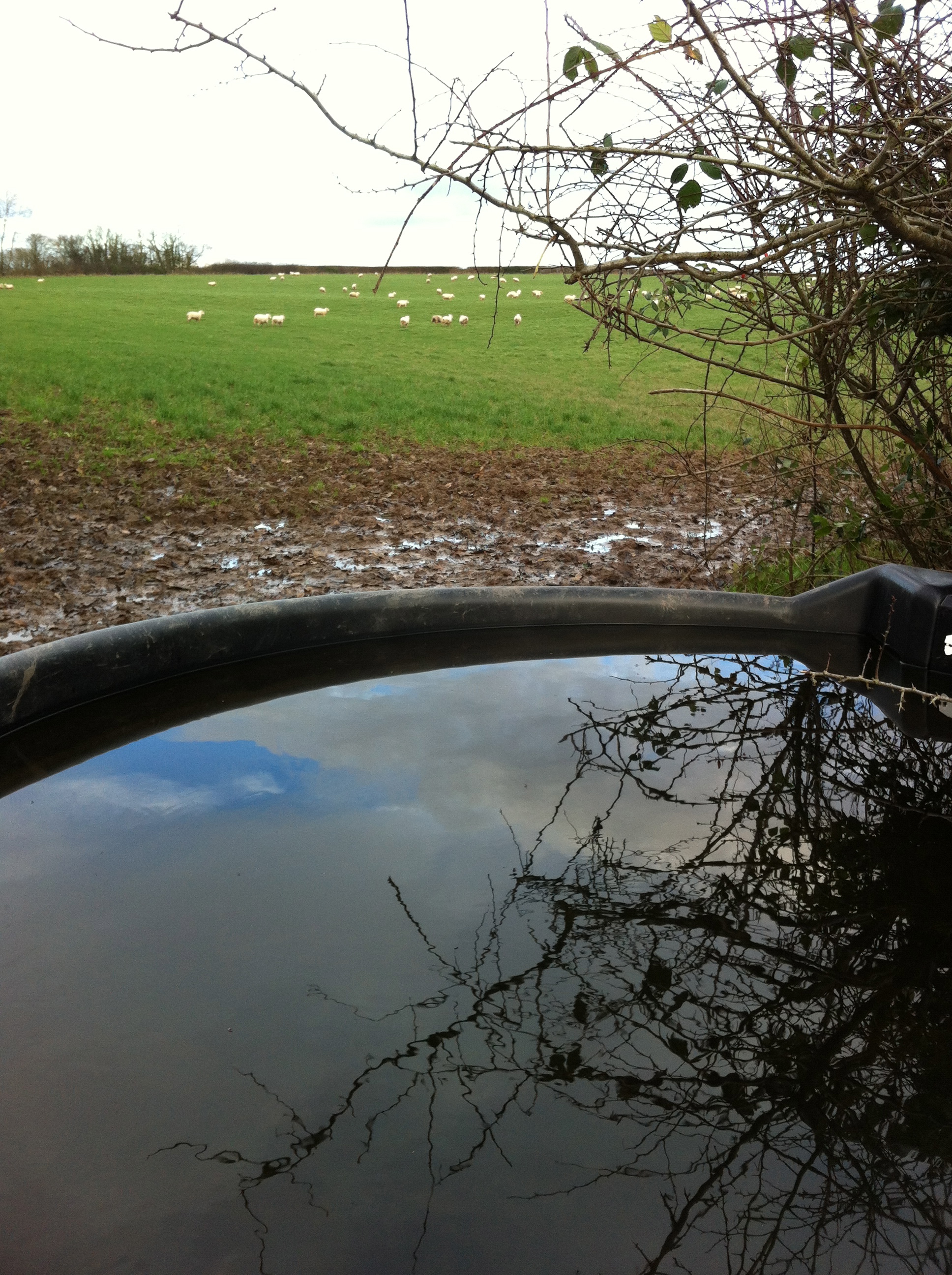
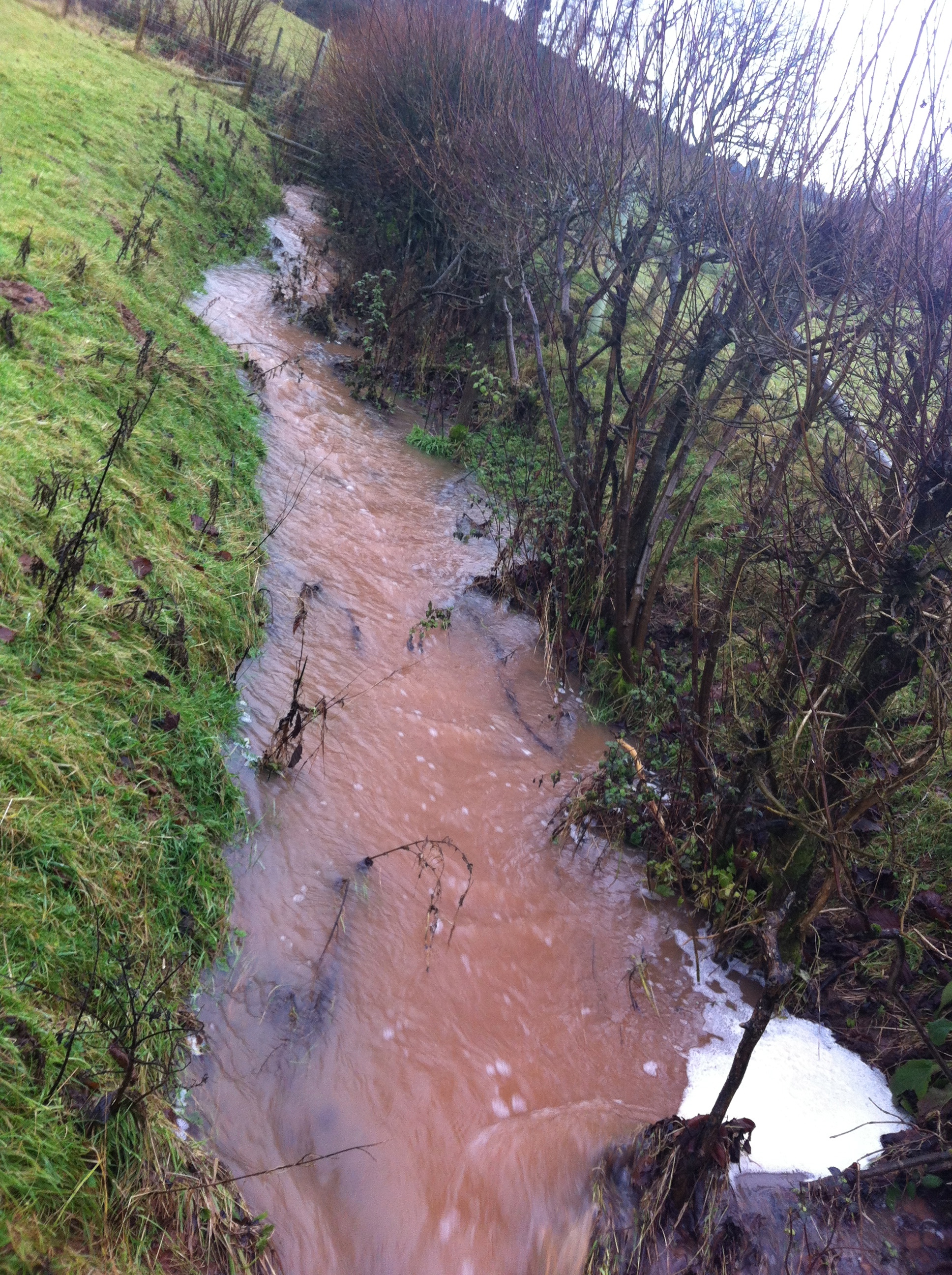
I have almost given up taking photos of the mid-field rivers, floods, puddles and lakes that have appeared all across Herefordshire… almost.
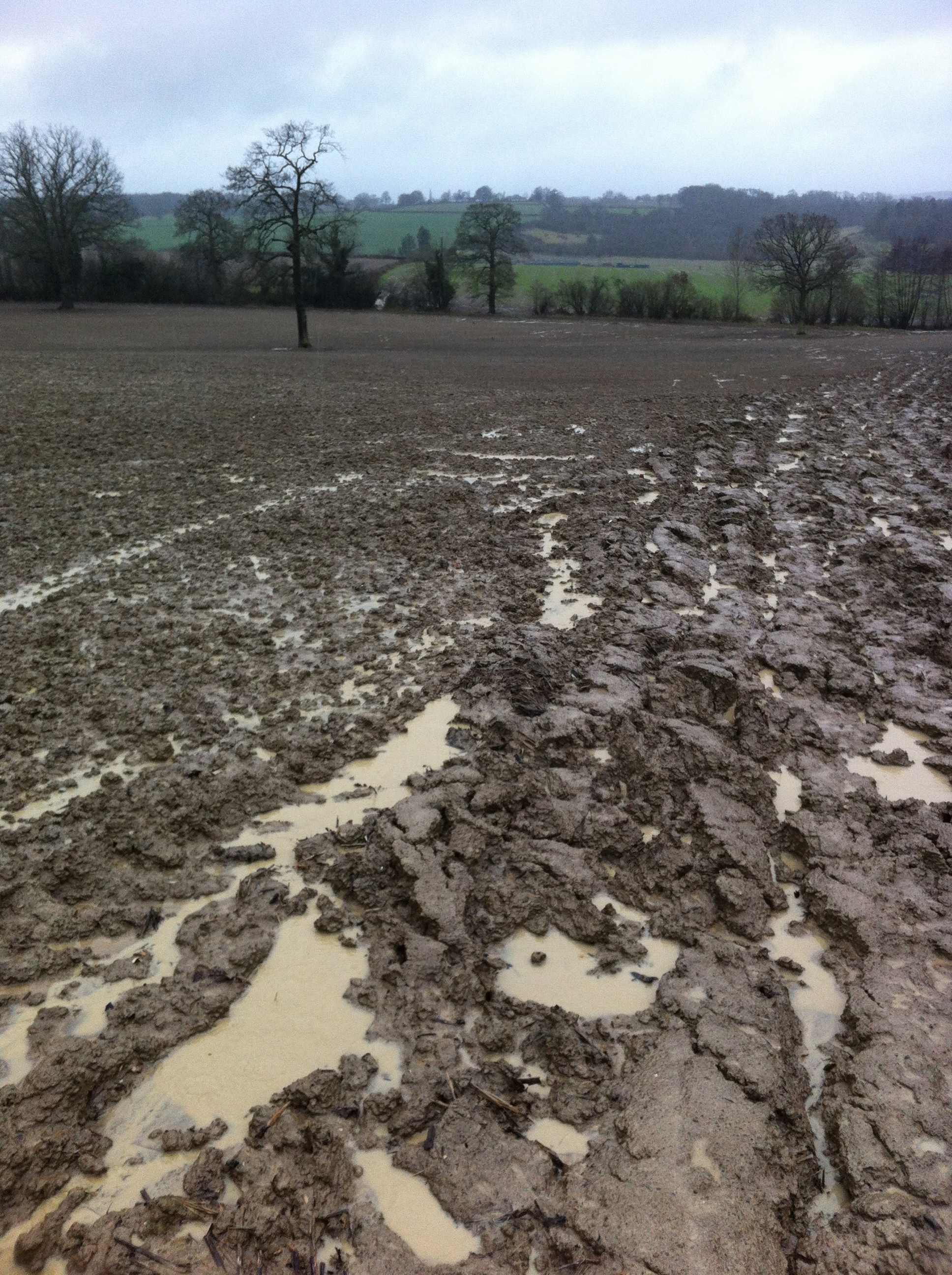
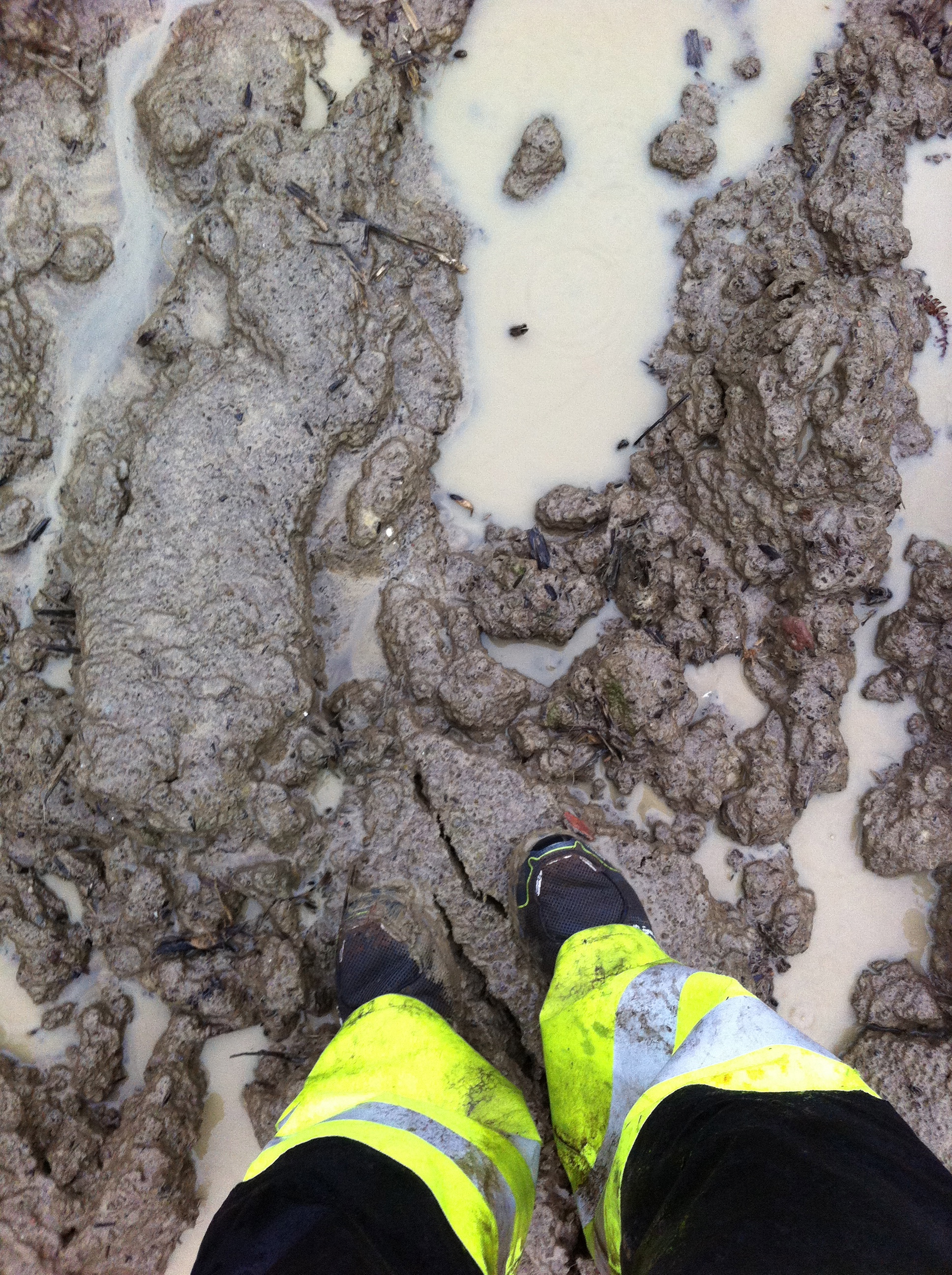
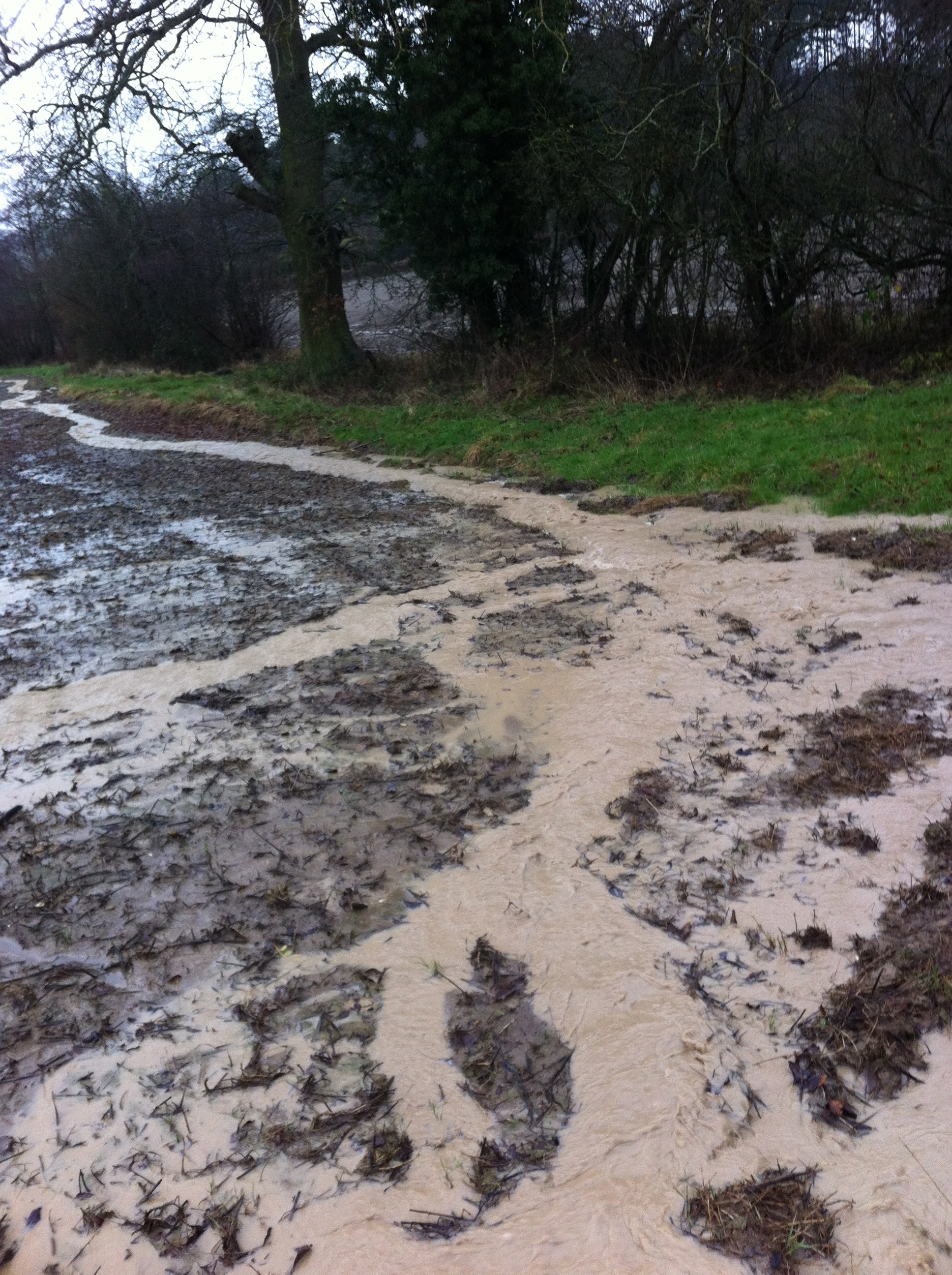
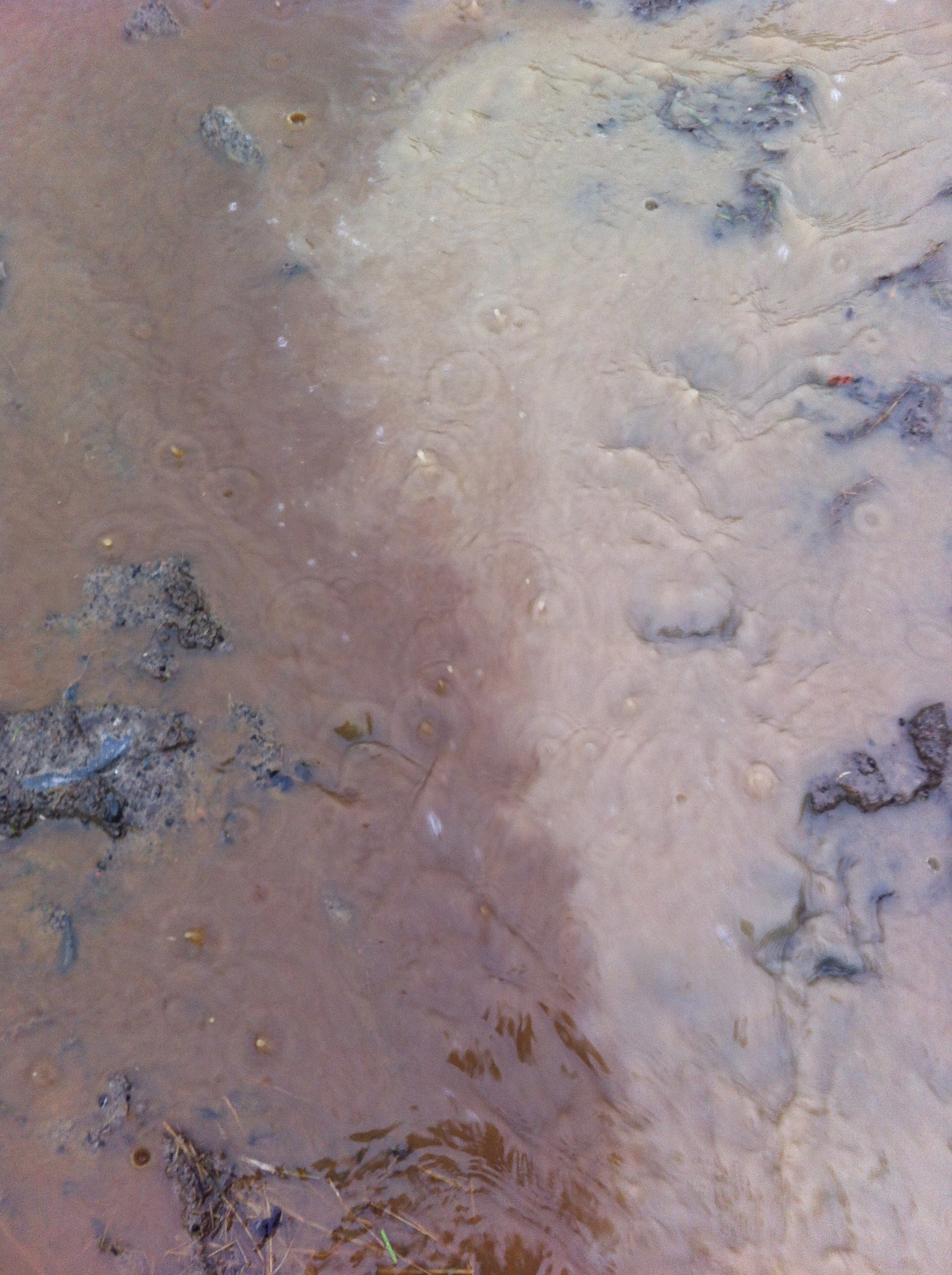
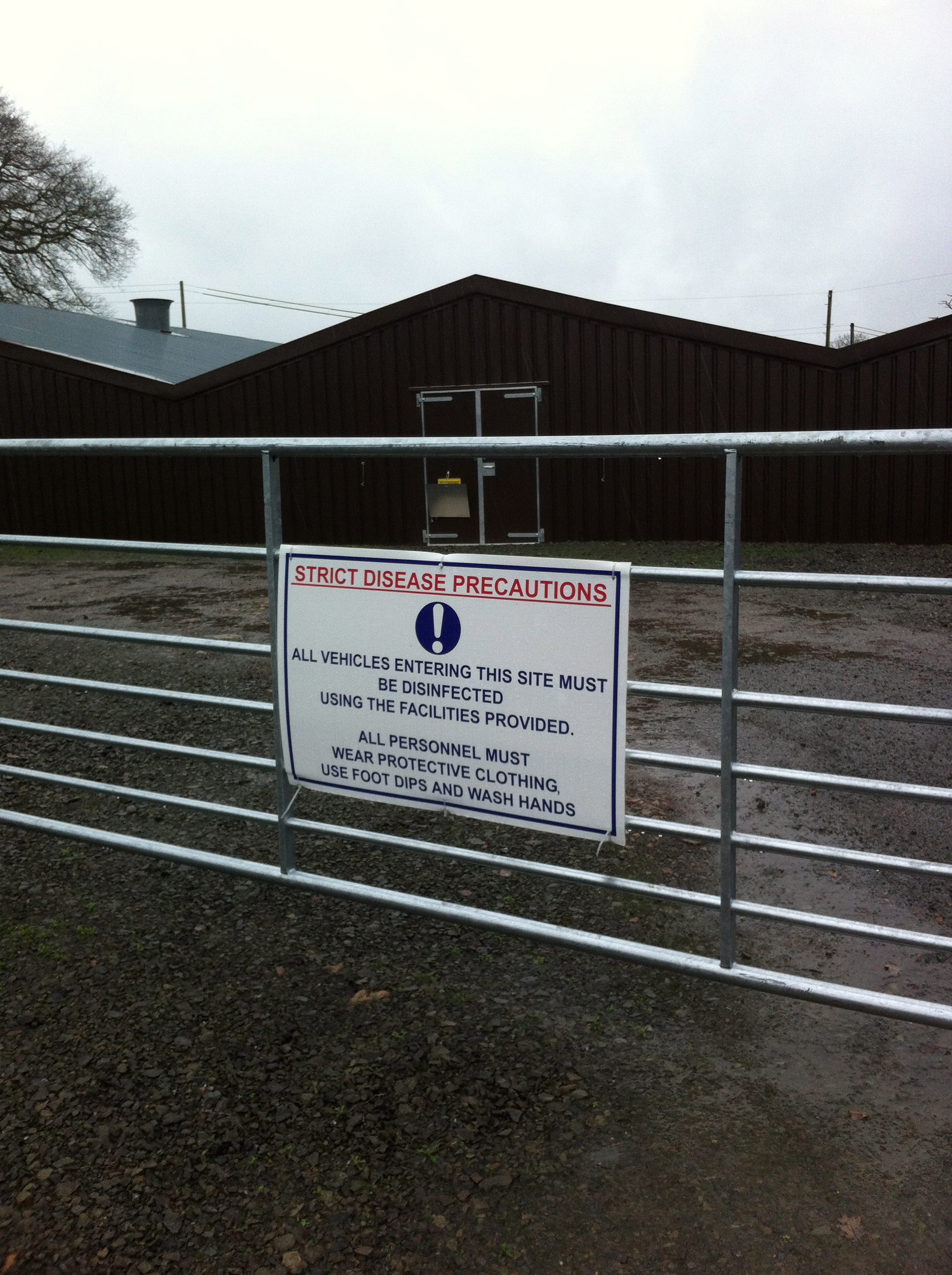
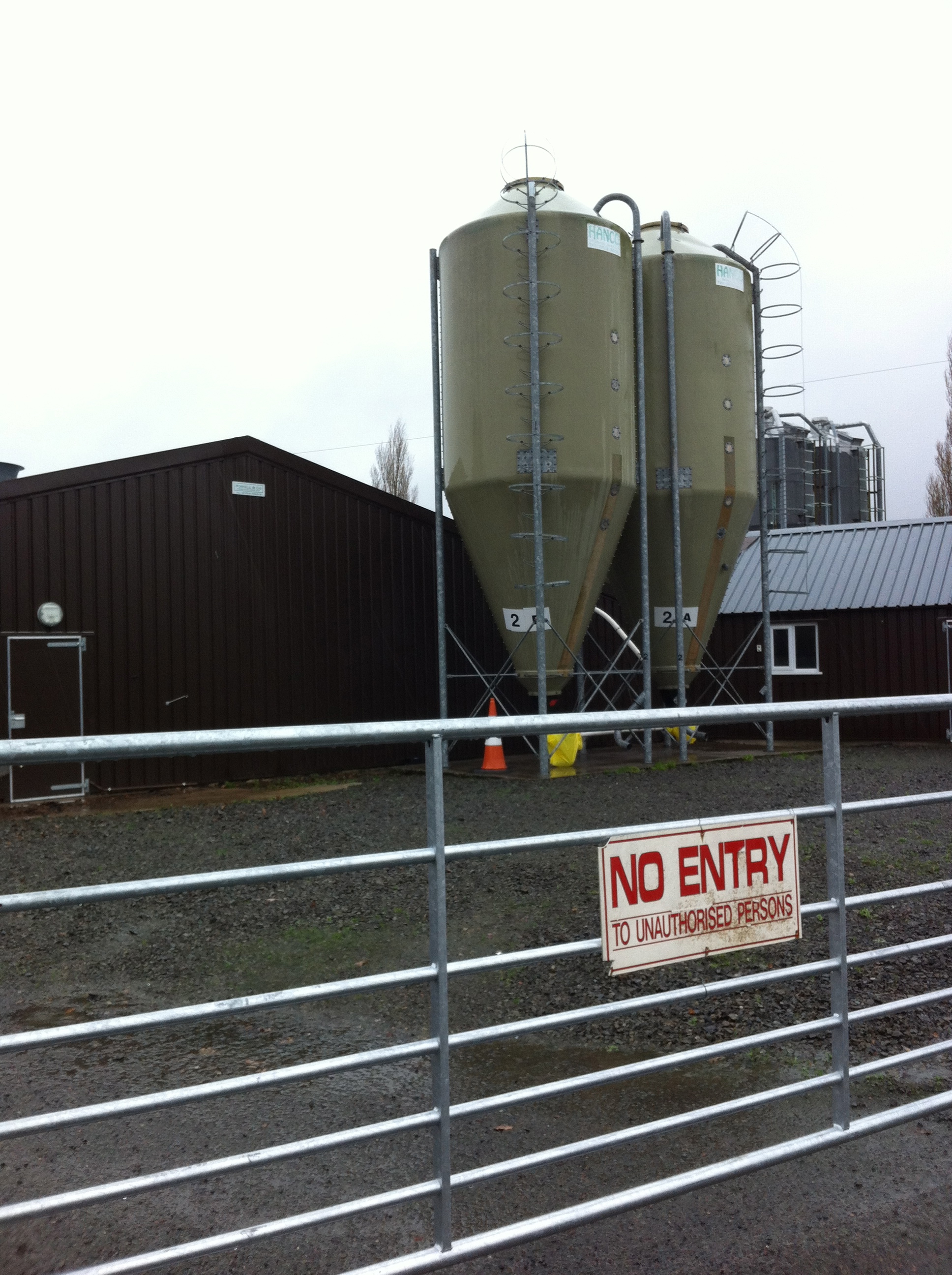
But after a few miles, even I’m defeated. If I take pictures of them all, my obsessive documentation will slow me down even more than the mud. I also pass (depressingly) intensive broiler chicken sheds in Woolhope, the grain hoppers (unlocal grain? who knows) feeding straight into the windowless sheds in an automated system, so that even that simple connection between feeding – and acknowledging in the process – the animals we eat is lost. I walk over 9 miles beyond Stoke Edith to the main Hereford-Worcester road along the verge in incessant and depressing traffic to Newton Cross, then I turn around and come home. I didn’t see the swedes. But I was grateful for their sustenance and the miles they’d travelled. Every muddy last one of them.
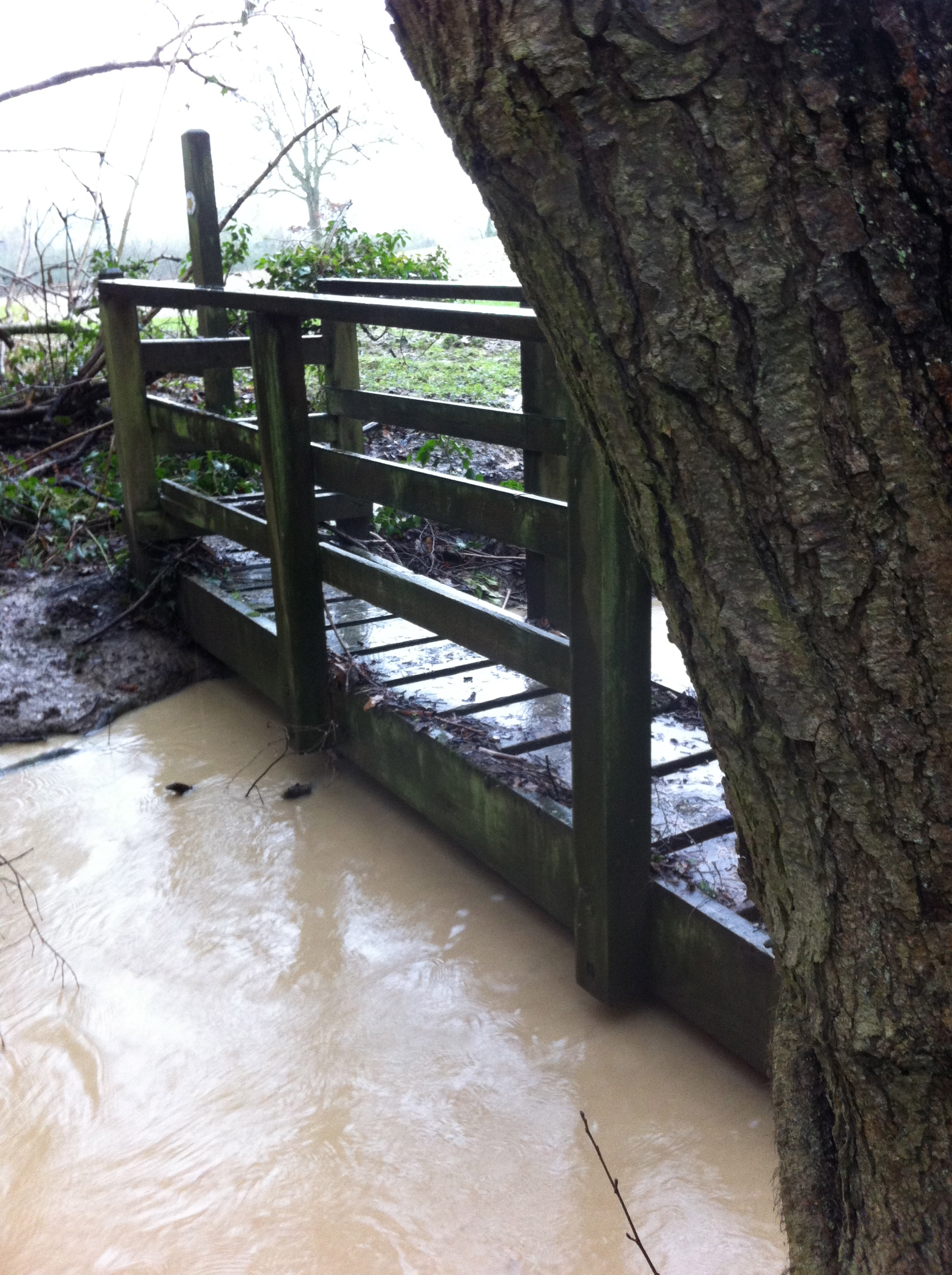
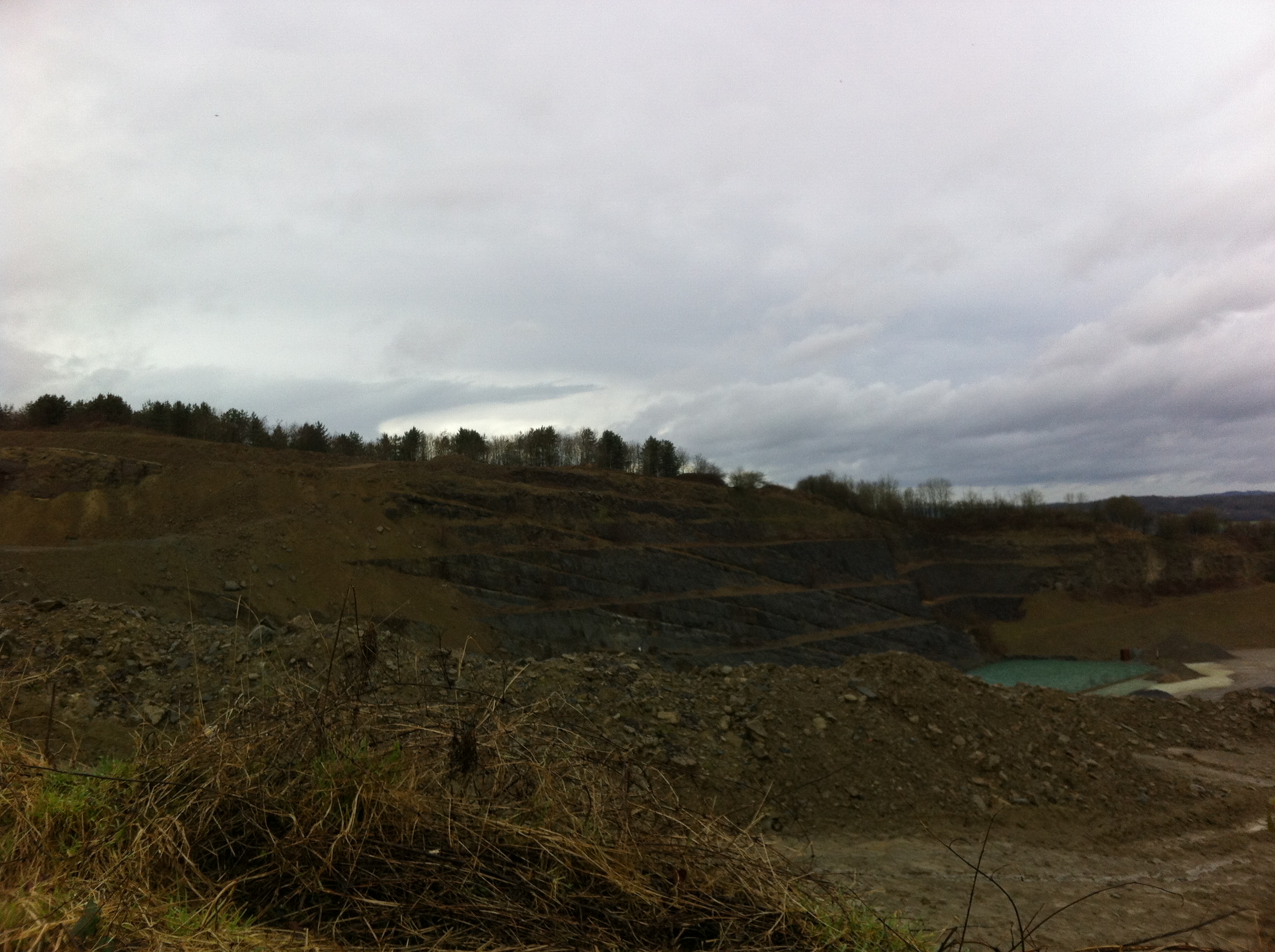
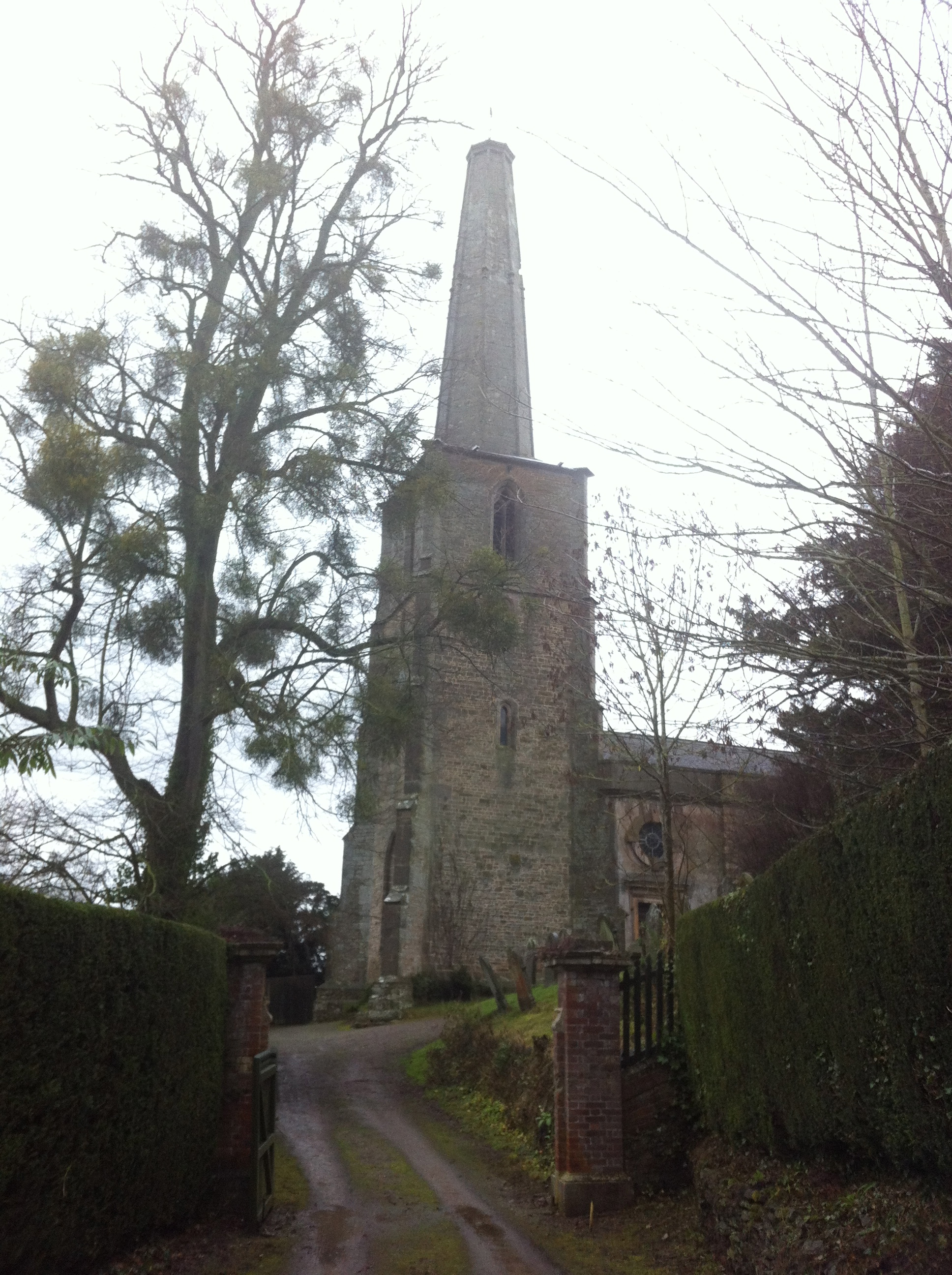
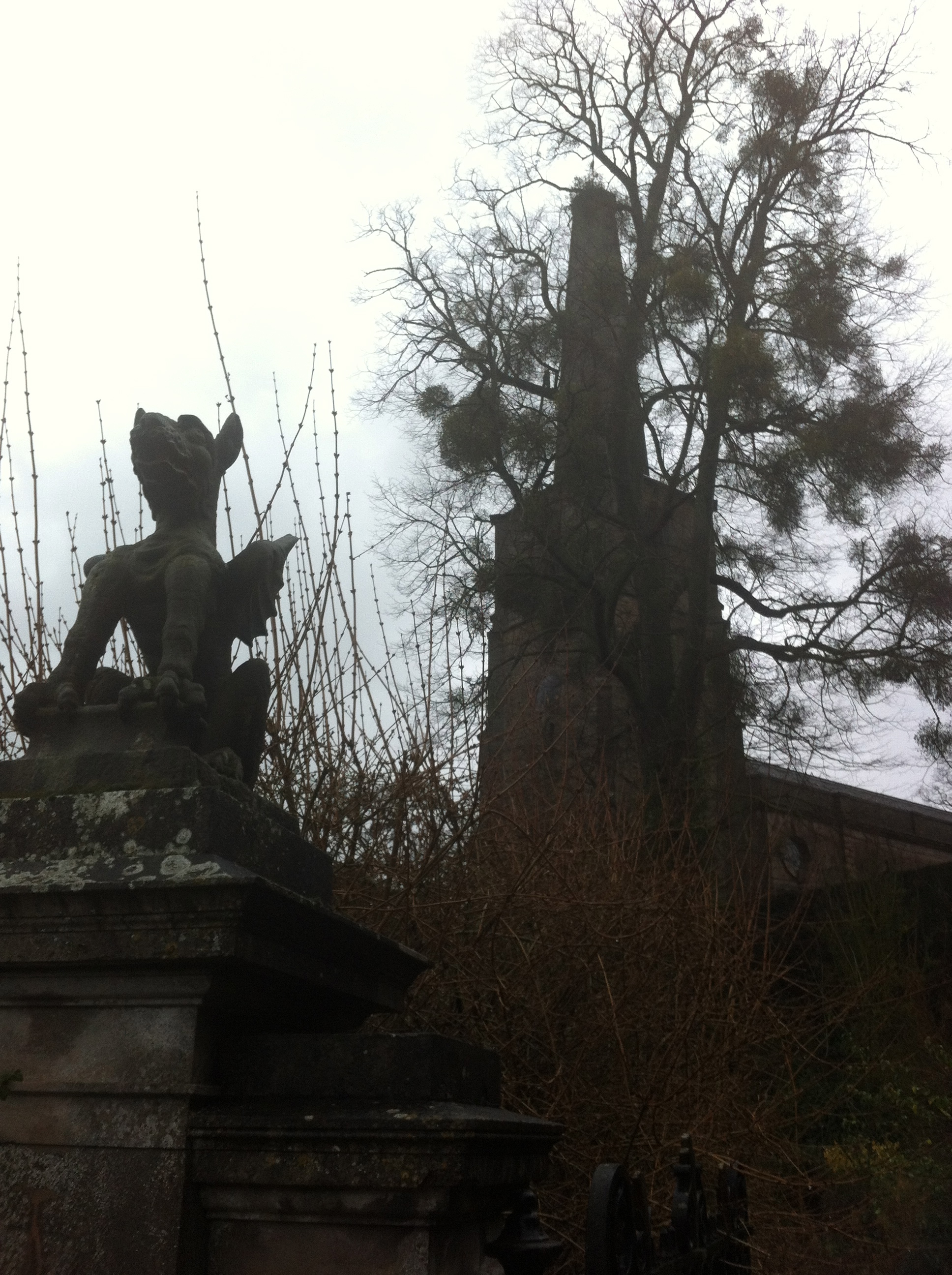
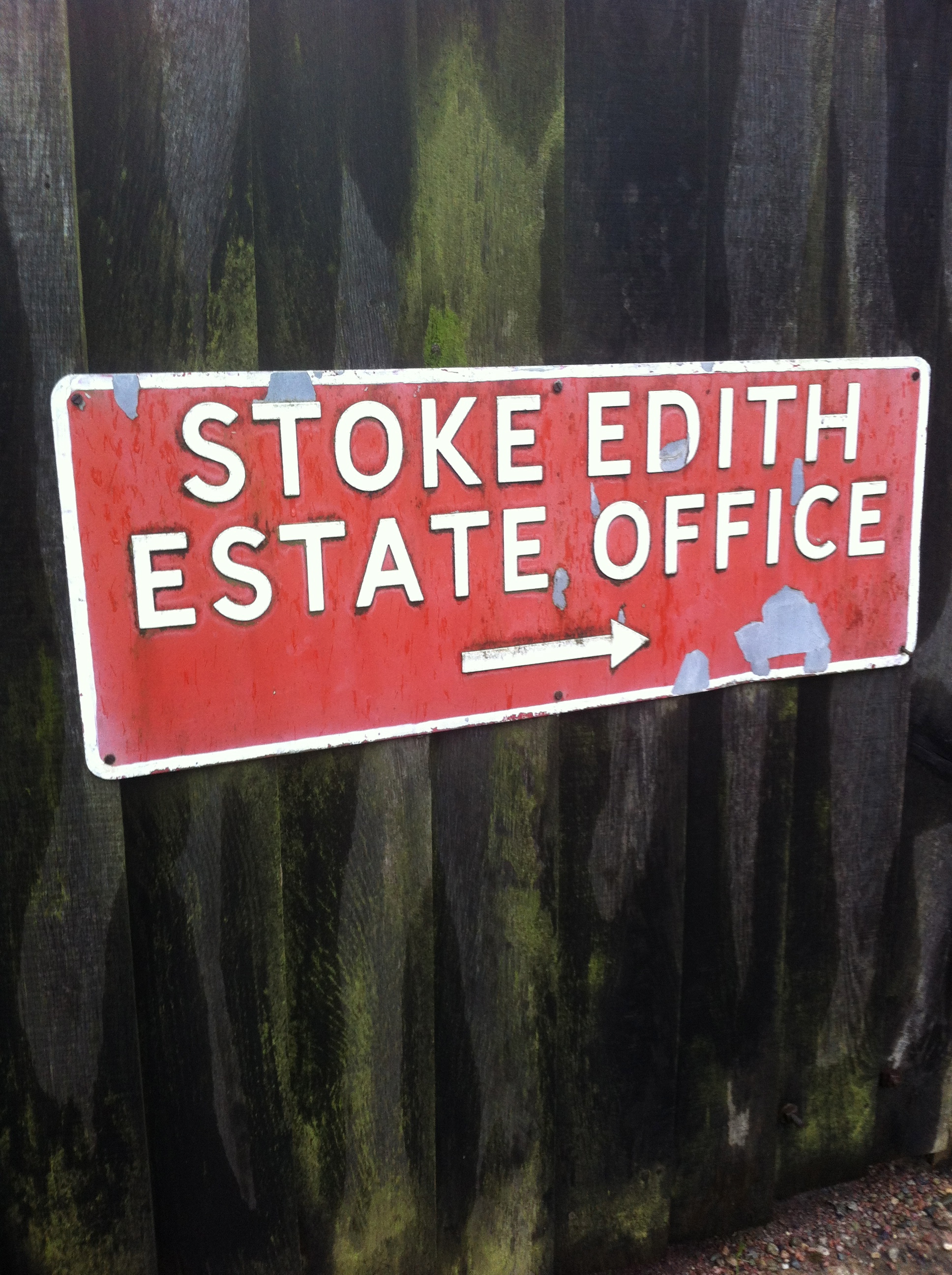
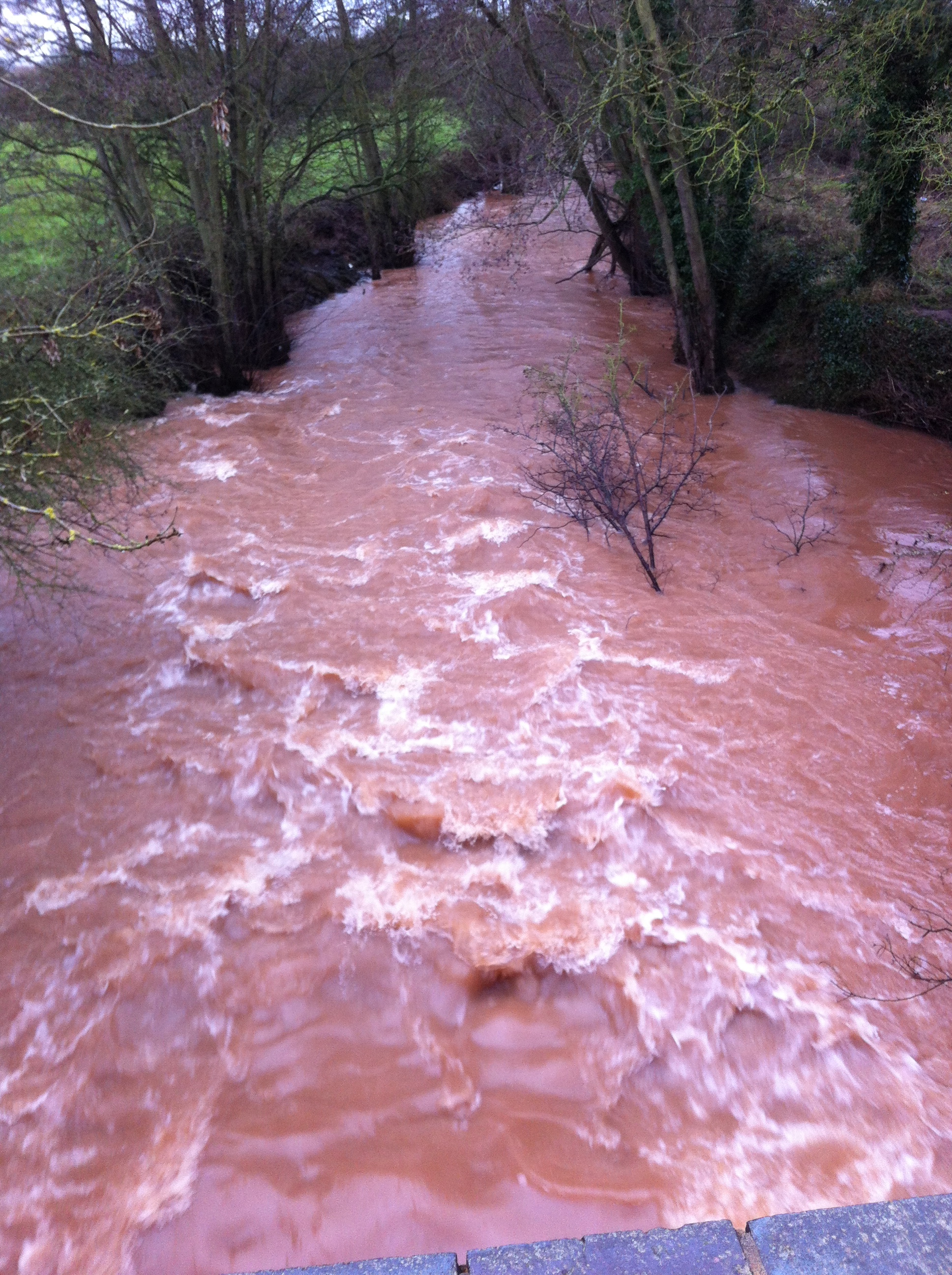
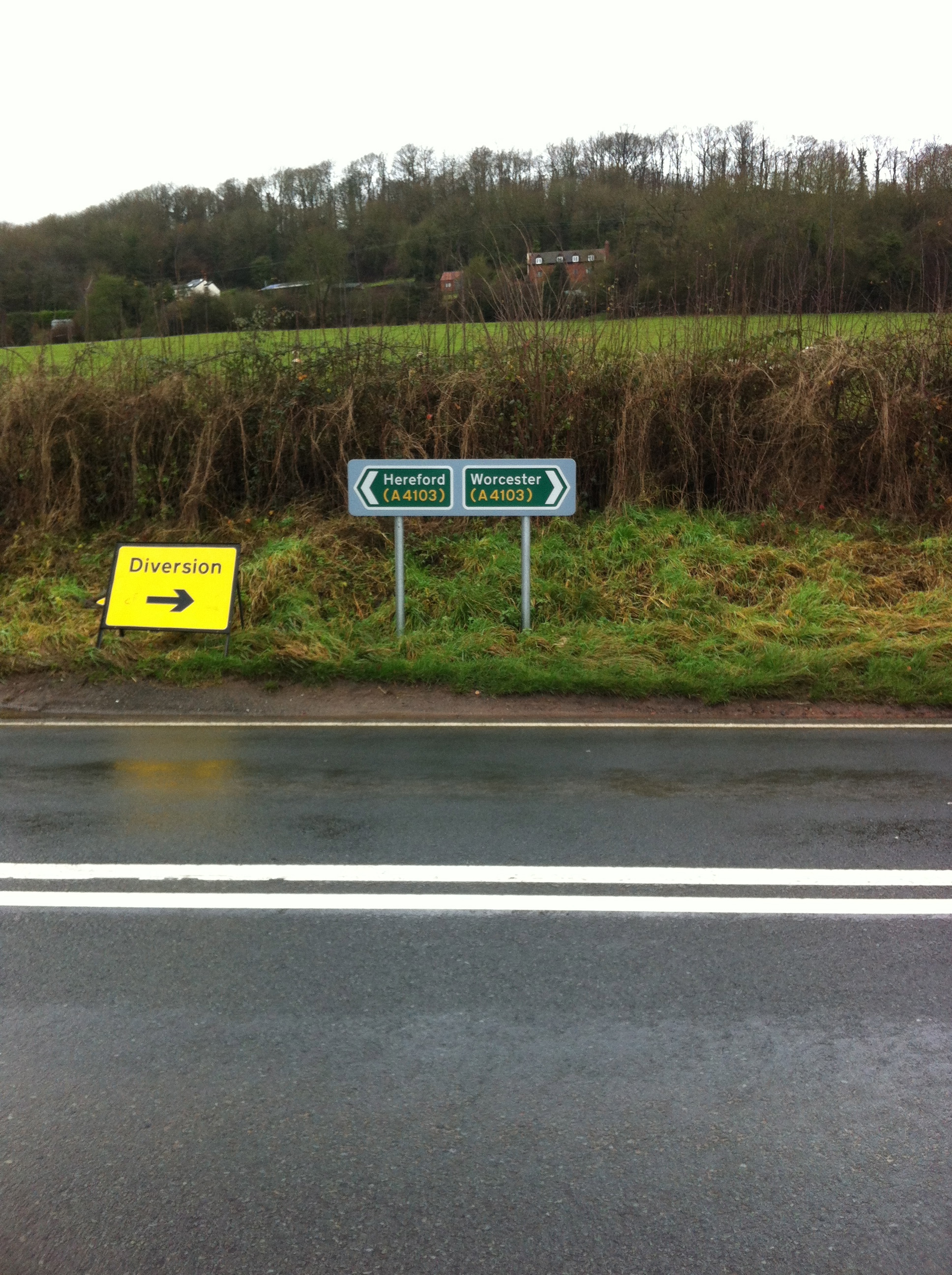
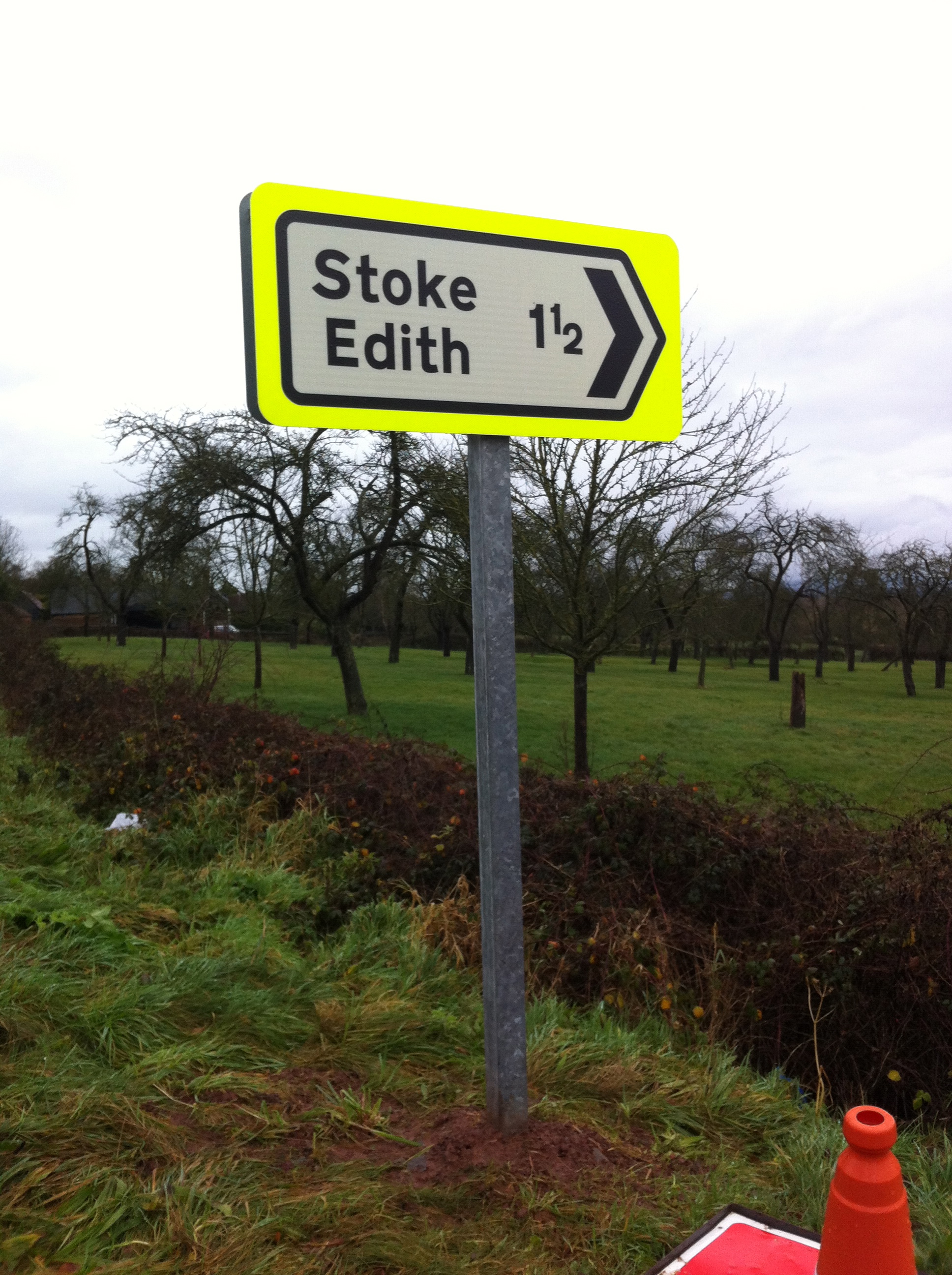
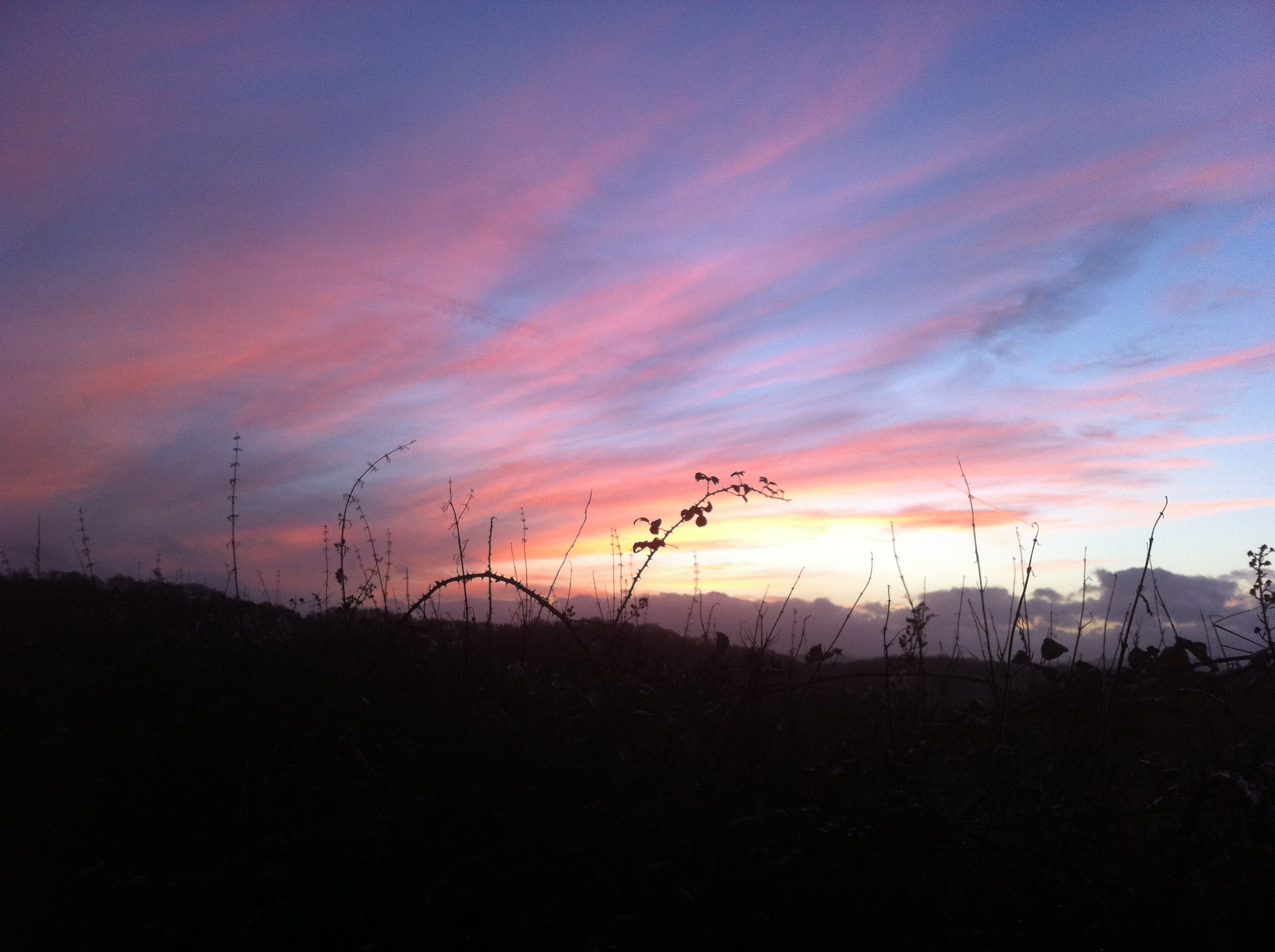
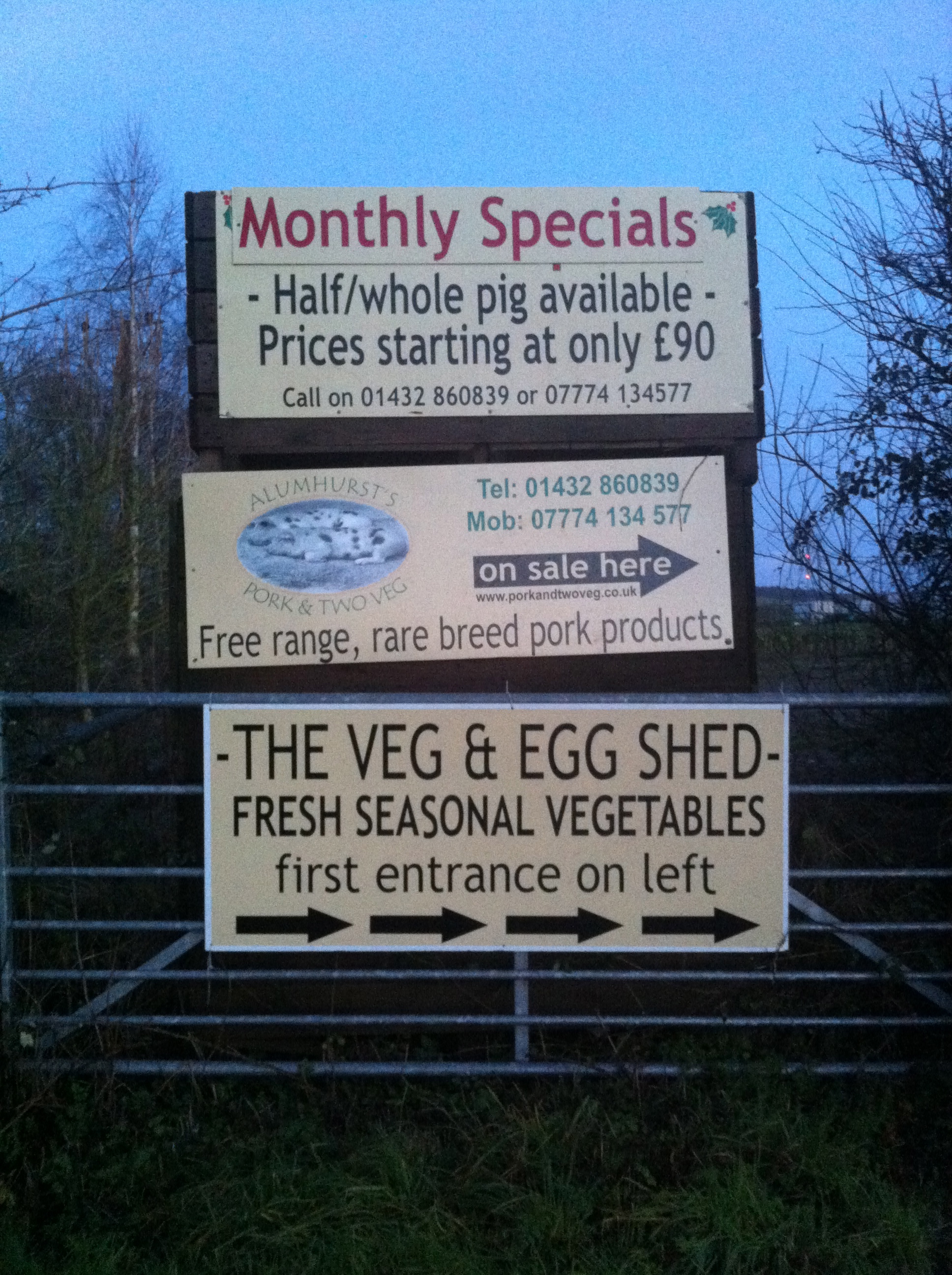
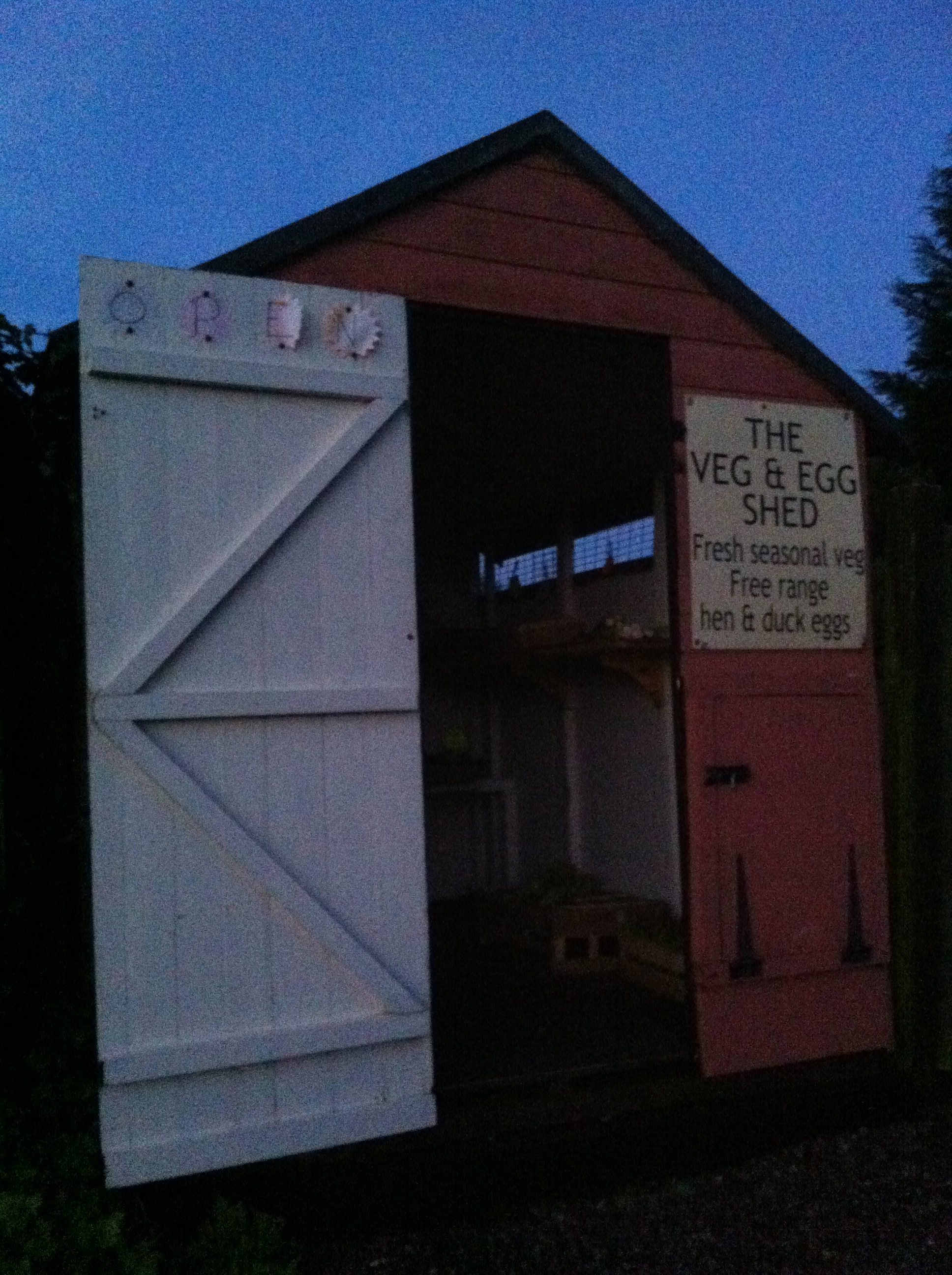
And then, after witnessing the beautiful sunset, I buy luxurious duck eggs, Once Upon a Tree juice and vegetables from the Alumhurst Veg and Egg Shed
There’s no such thing as inappropriate clothing, only bad weather
When I first heard the (apparently Scandinavian) phrase ‘there’s no such thing as bad weather, only inappropriate clothing’ I immediately, gleefully and smugly adopted it as my new life mantra.
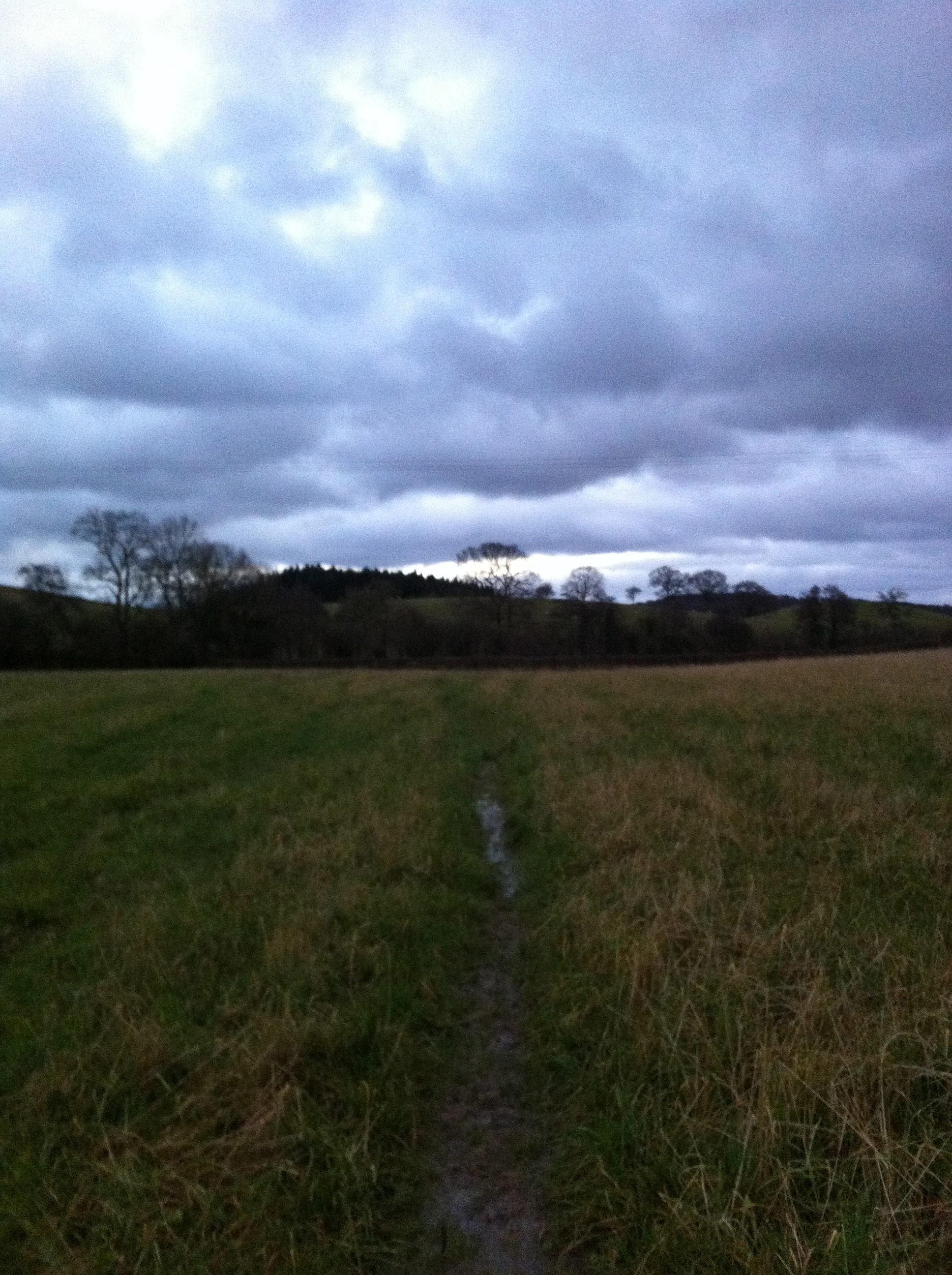
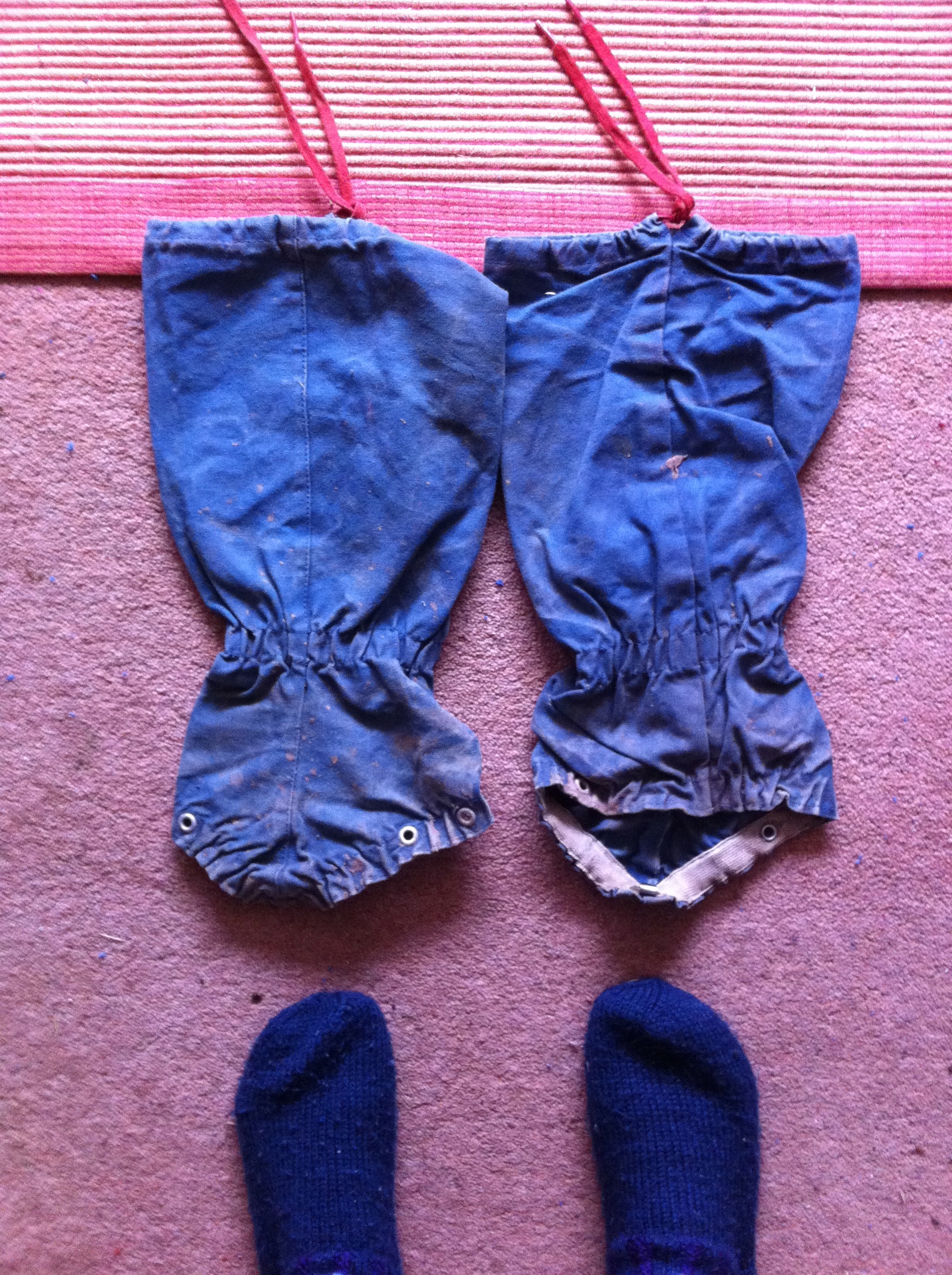
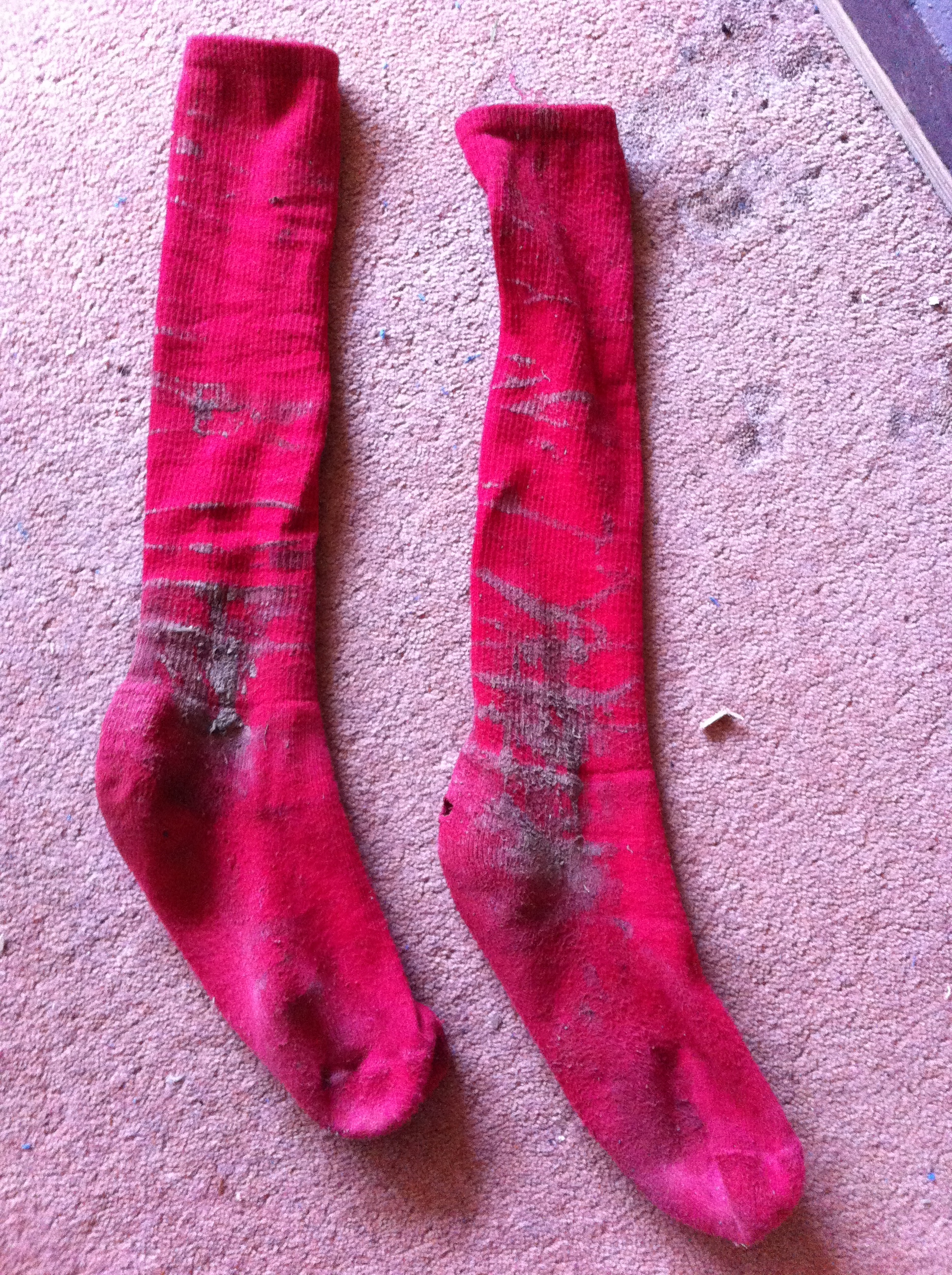
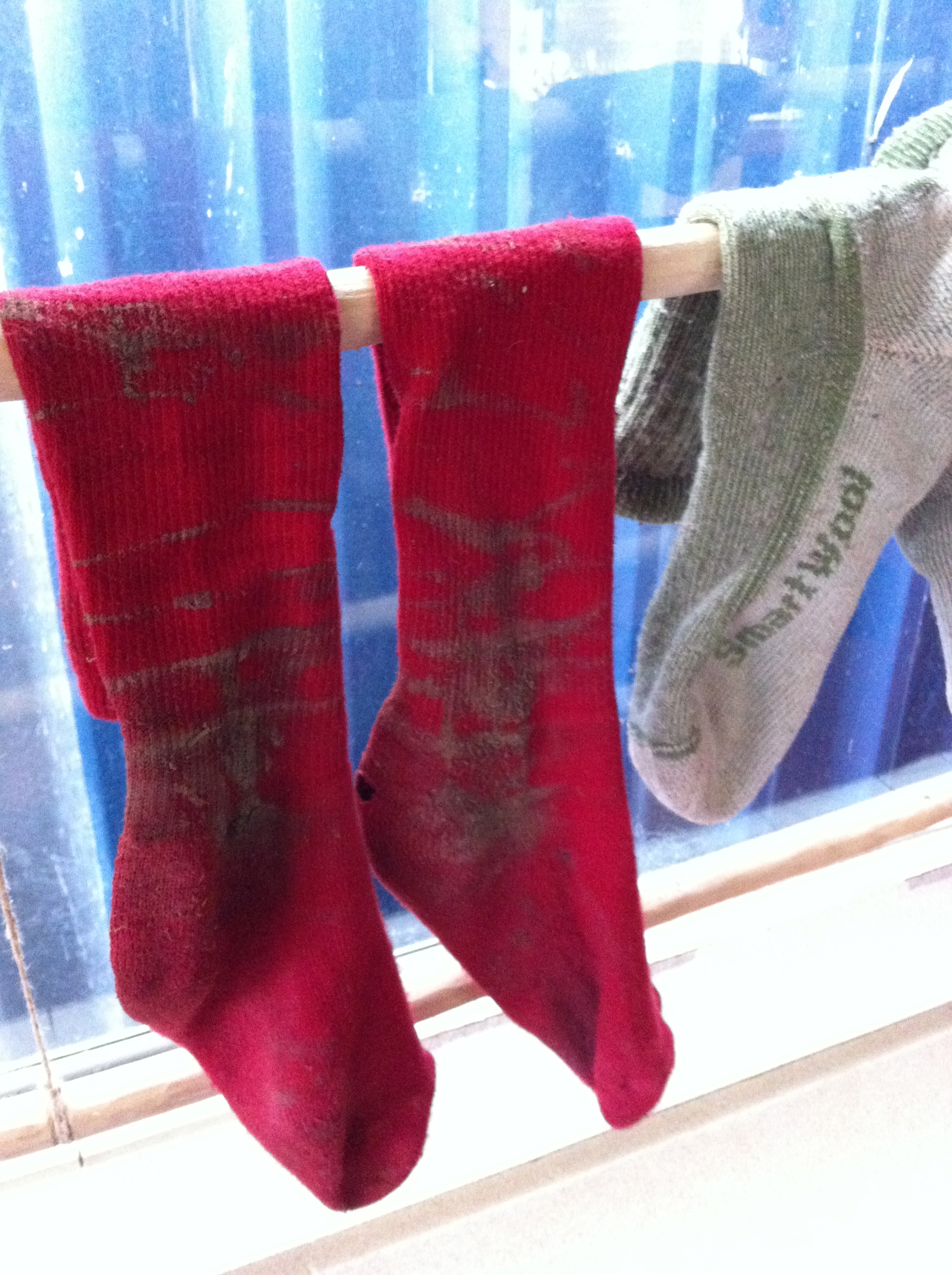
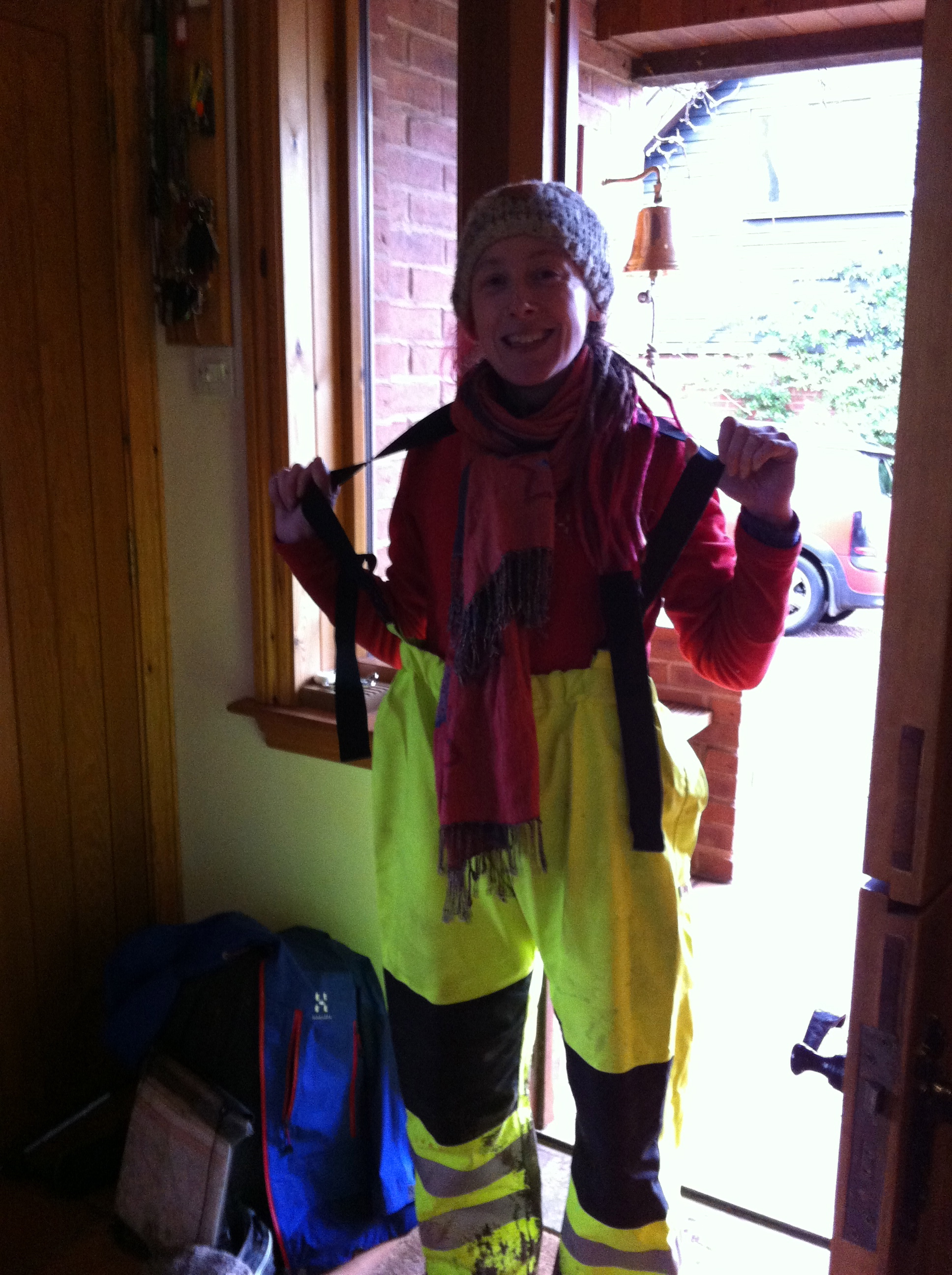
This winter, I’m not so sure. It doesn’t seem to matter how much Gore-tex I layer onto my body, the water is still finding a way in. Even in wellies. This does not make a December walking performance very comfortable. It slows me down – and not in a good slow-food-slow-activism way either. I’m not sure if drawing my own minute attention – through the immediate discomfort of soggy feet – to the changing patterns of weather and climate is particularly useful in an activism sense, but still…
I’m reminded of my conversation last week with Caplor farmer Gareth on his experiences of extreme weather events in Africa and Fownhope, and how his farming practices are, finally, changing:






Christmas @ The Crown
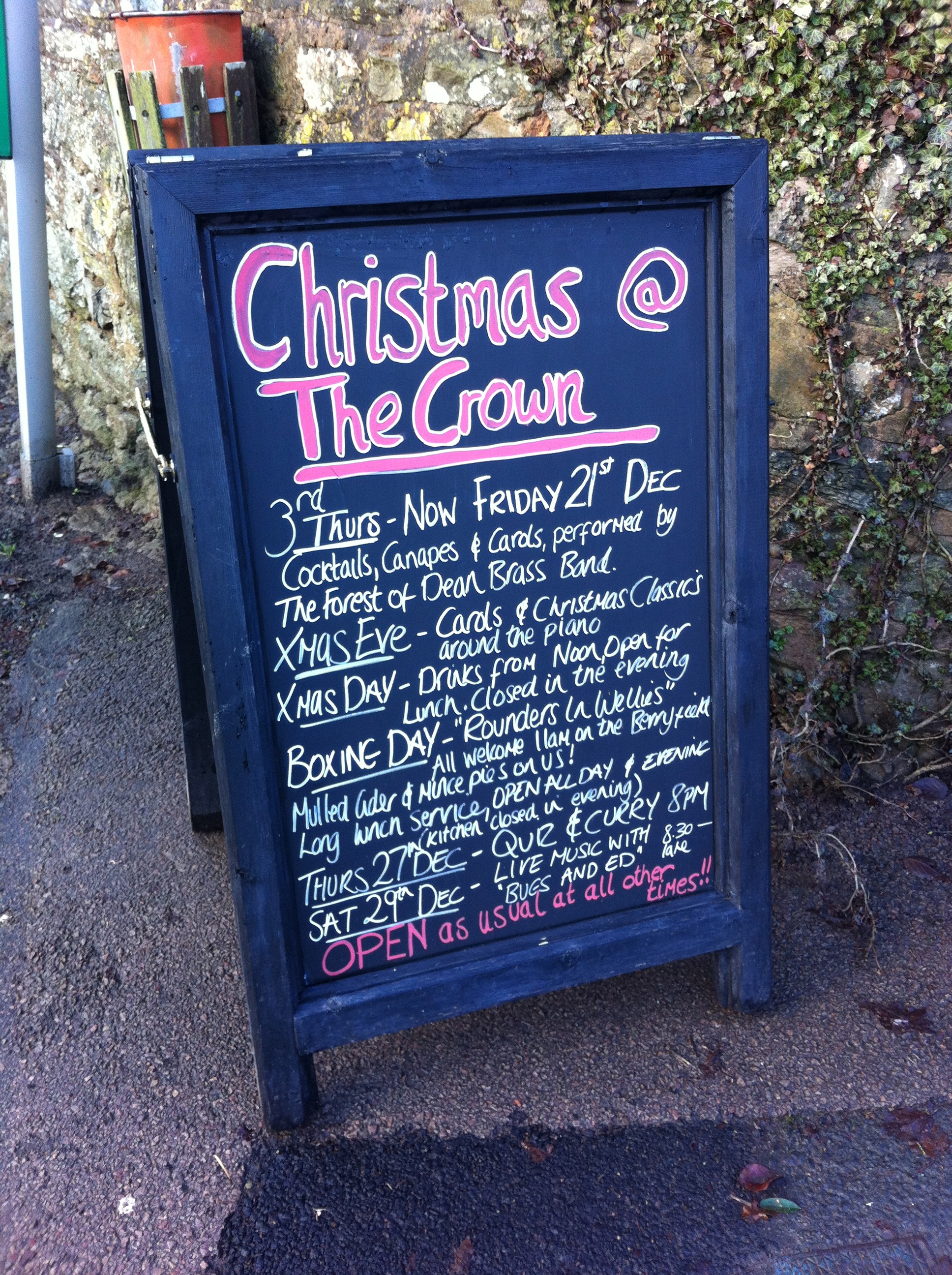
It’s Christmas morning and I’m feeling very honoured to have been invited to join the Stanier family at The Crown Inn, Woolhope, where their traditional Christmas walk across the Marcle Ridge takes them for drinks and aperitifs. I walk over from the opposite direction, via Alfords Mill across flooded fields, which slows me down like a reverse (rural) travelator.

There is a pint of their own (Once Upon a Tree) very fine Tumpy Ground waiting for me when I arrive, as well as bags-full of their own cold-stored eating apples and a bottle of perry. I could squeal with happiness. Their generosity is overwhelming and their interest in this project – the rules, the questions, what it’s revealing about the local food infrastructure (which their own amazing company is a vibrant and enlivening and positive part of) – is really rallying. Conversations range widely, but I mention my slowly emerging realisation that maybe I should eat meat. We talk a lot about their home-raised pigs, and the importance of knowing and honouring the animals we eat – not a piece of nameless, faceless protein packaged in plastic in a supermarket – even if that means that they ‘still deserve a name’.
I return home in the gloaming as the moon starts to appear
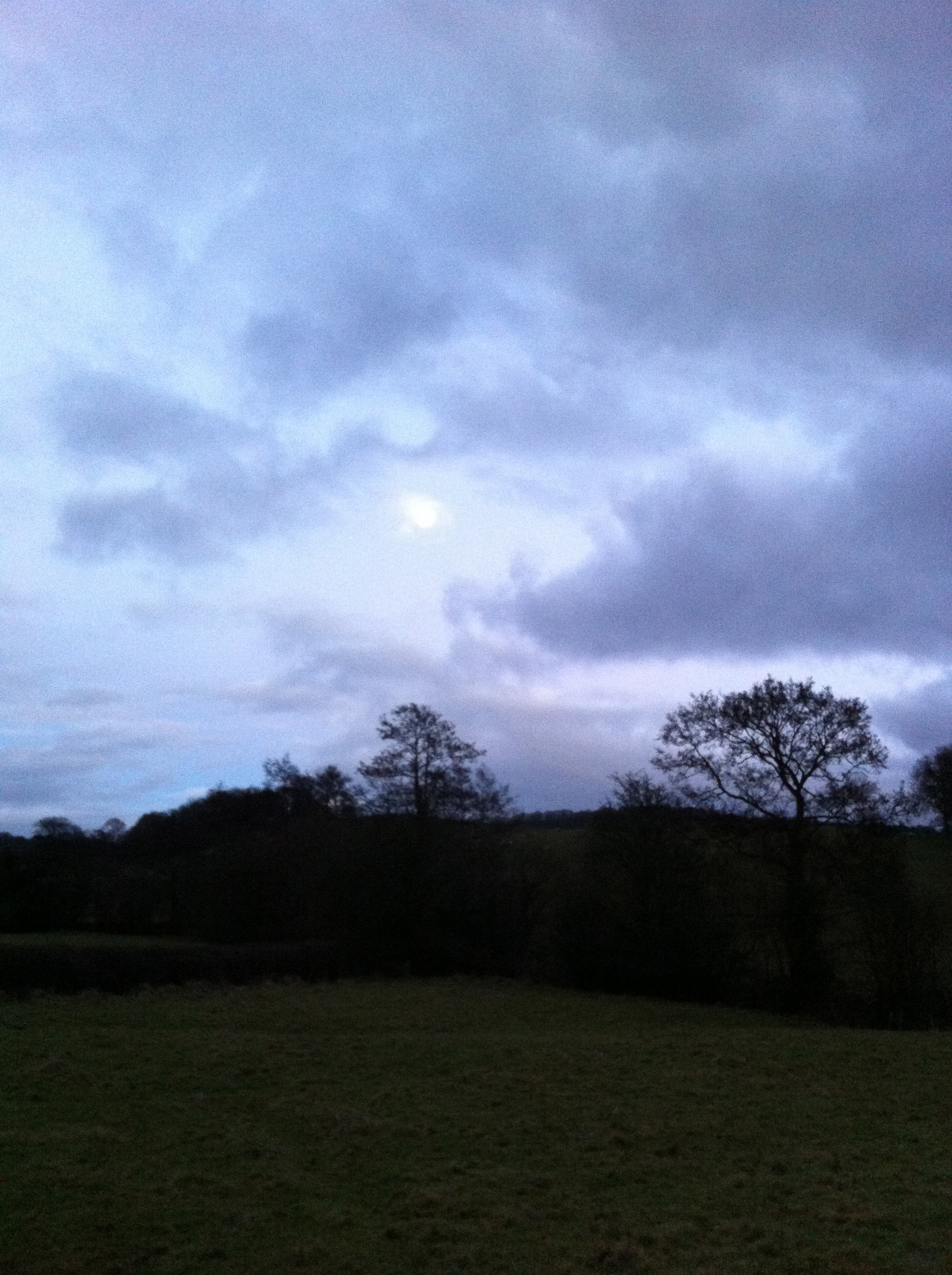
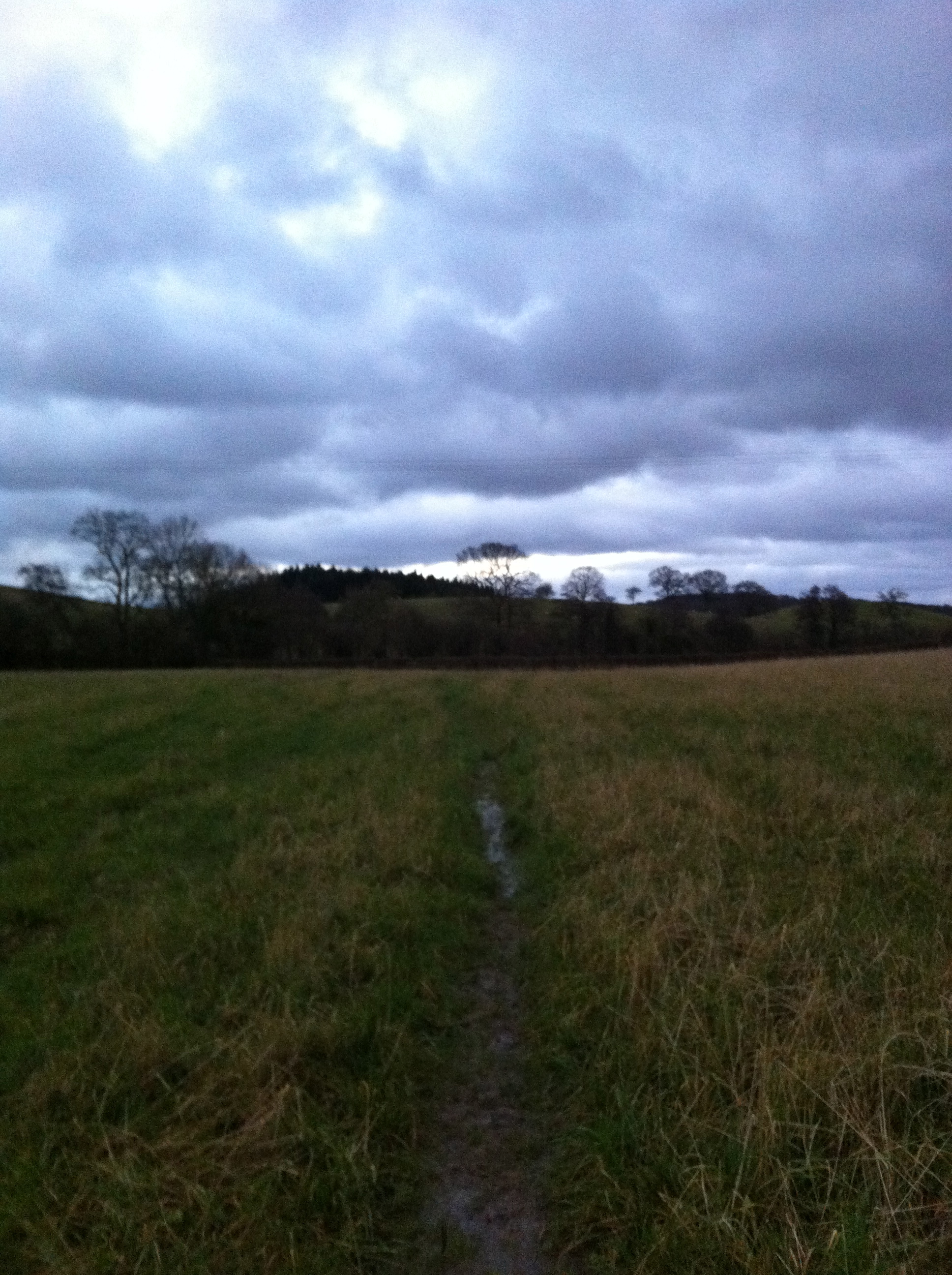
in a considerably unstraighter line from the one I walked out with a rucksack full of precious, glorious apples, sit by the fire surrounded by them and eat five in quick succession. I am as happy as a (free-range) pig. A huge thank you Staniers!


 All in a Day's Walk