All in a Day's Walk
A month-long slow food walking performanceArchive for sourdough
Late Calennig in Lea
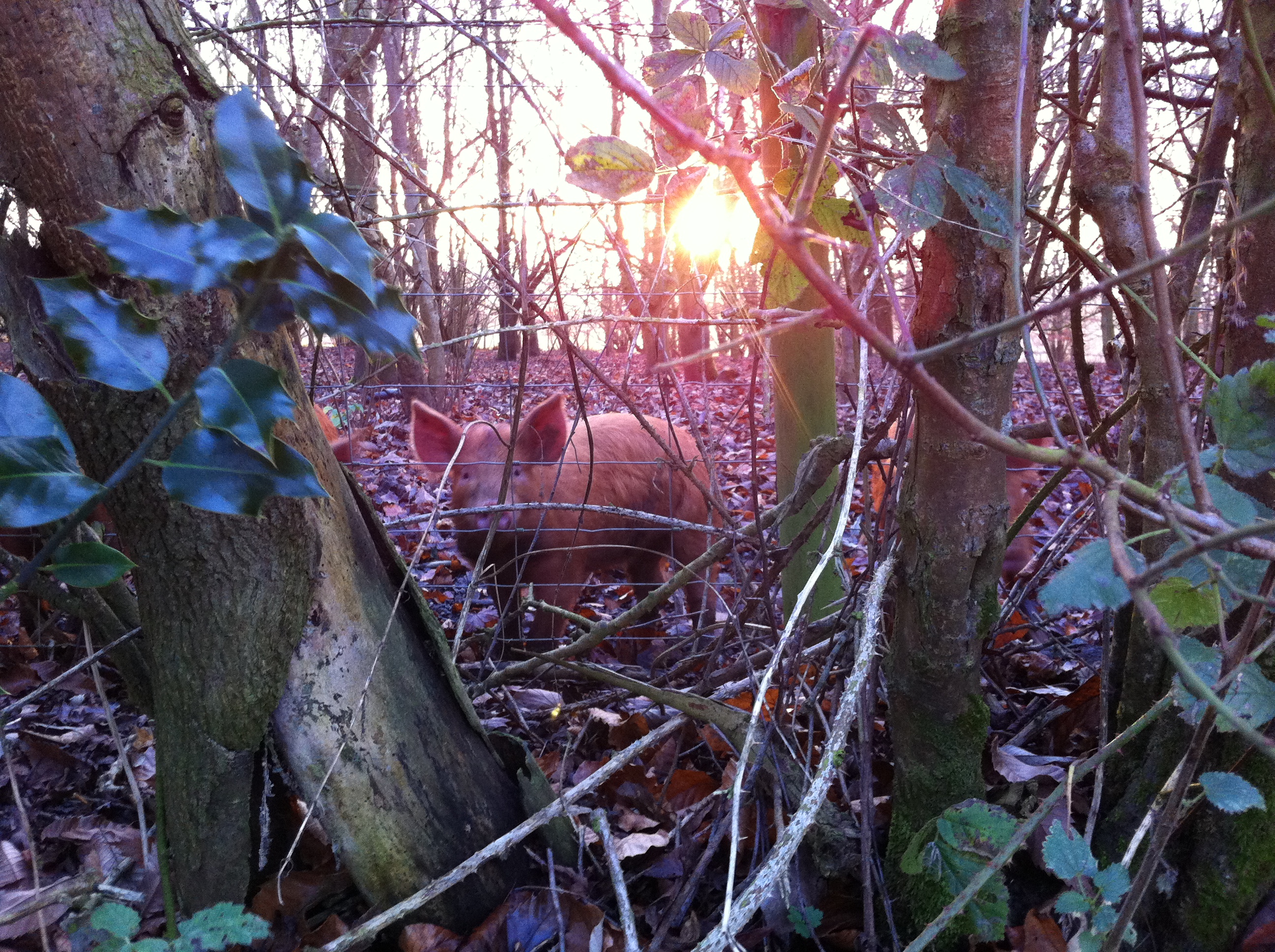
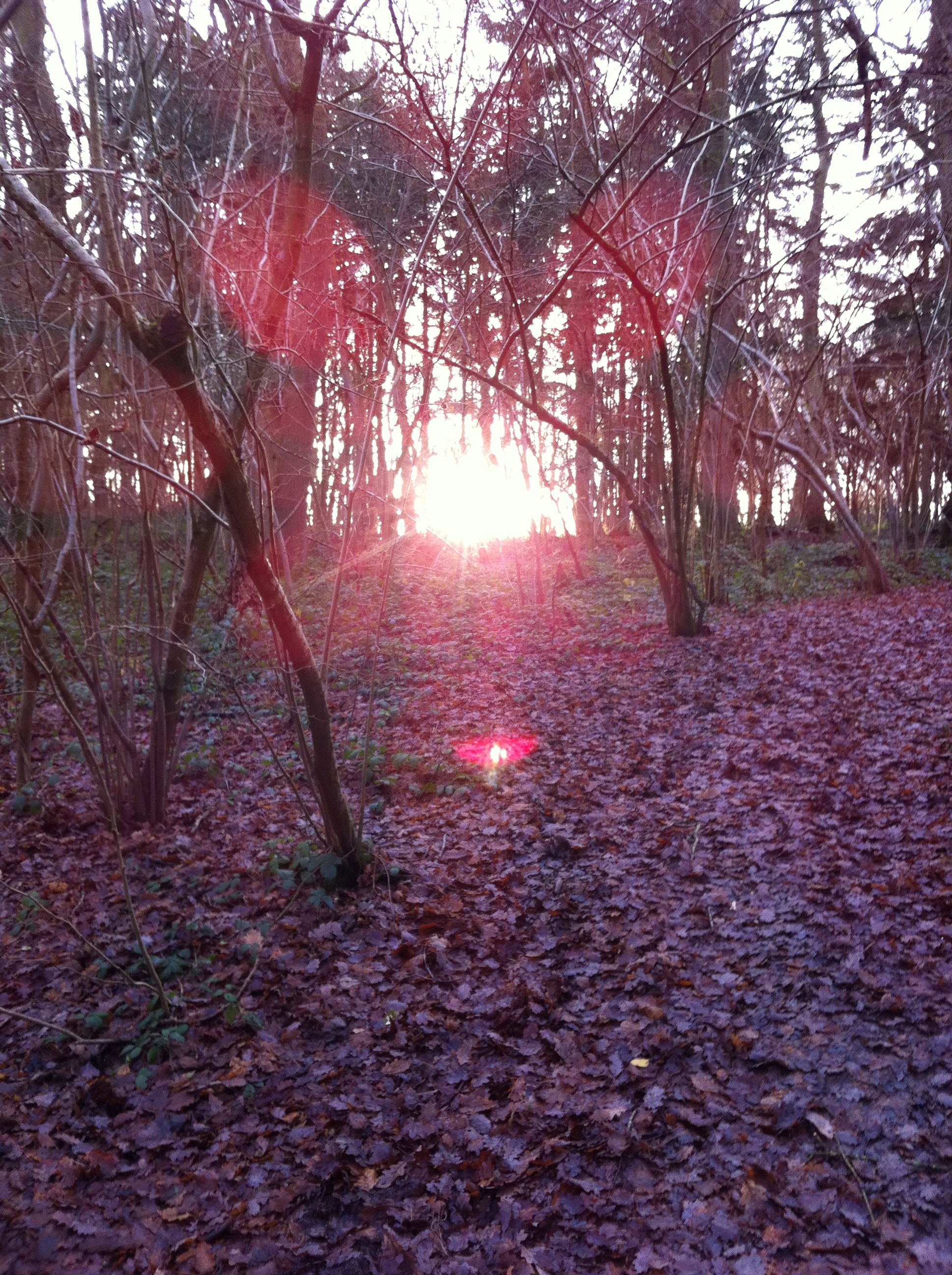
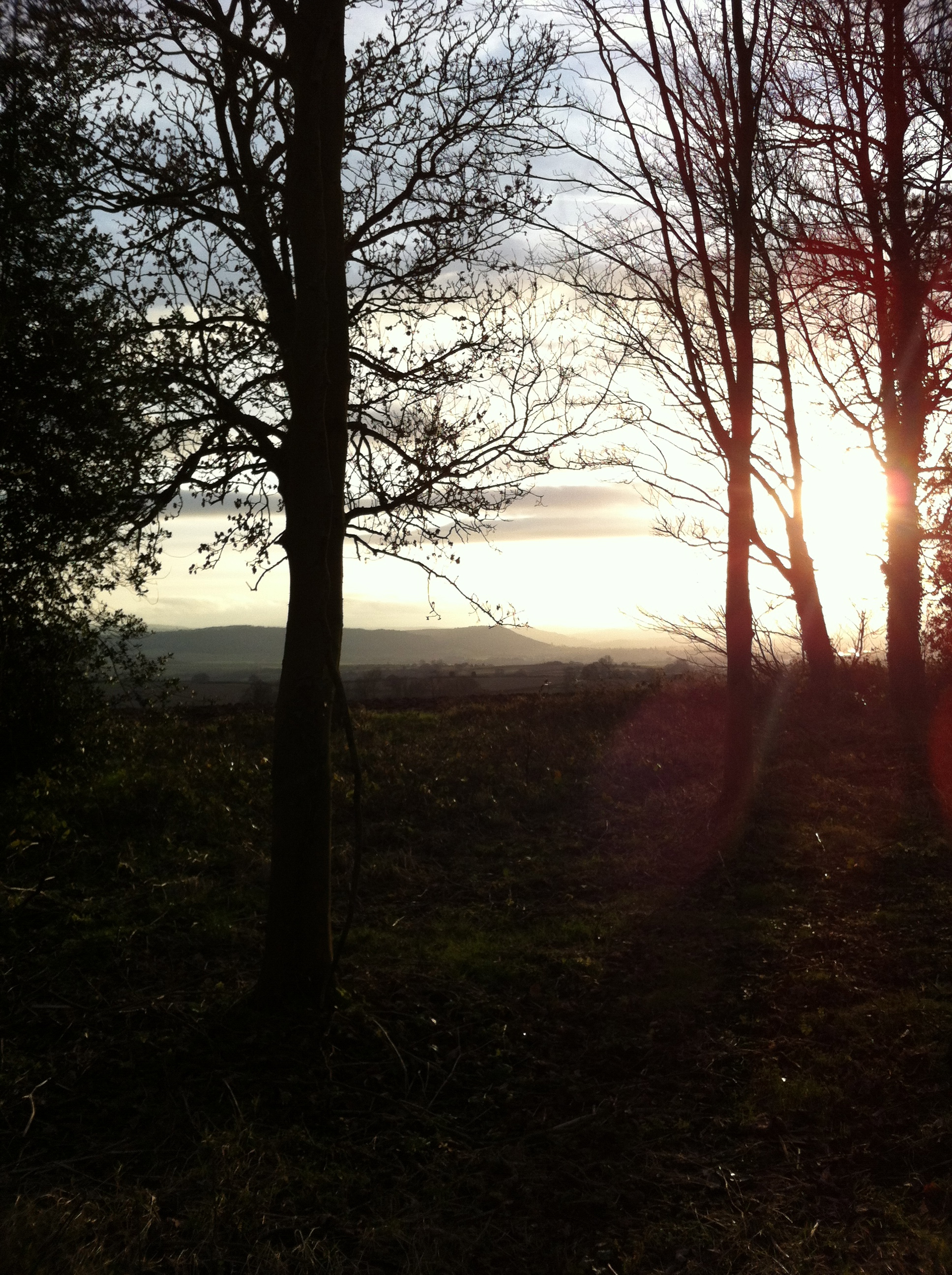
A walk to Lea in the sunset, to discuss yurt-making, shelter and expanding photons. I pass noisy pigs at Crossington Farm.
I carry a sourdough heart and mumpets as a (late) calennig gift and recite this poem in time with my footsteps as I walk and on the doorstep when I arrive:
Dydd calan yw hi heddiw,
Rwy’n dyfod ar eich traws
I ofyn am y geiniog,
Neu grwst, a bara a chaws.
O dewch i’r drws yn siriol
Heb nesid dim o’ch gwedd;
Cyn daw dydd calan eto
Bydd llawer yn y bedd.
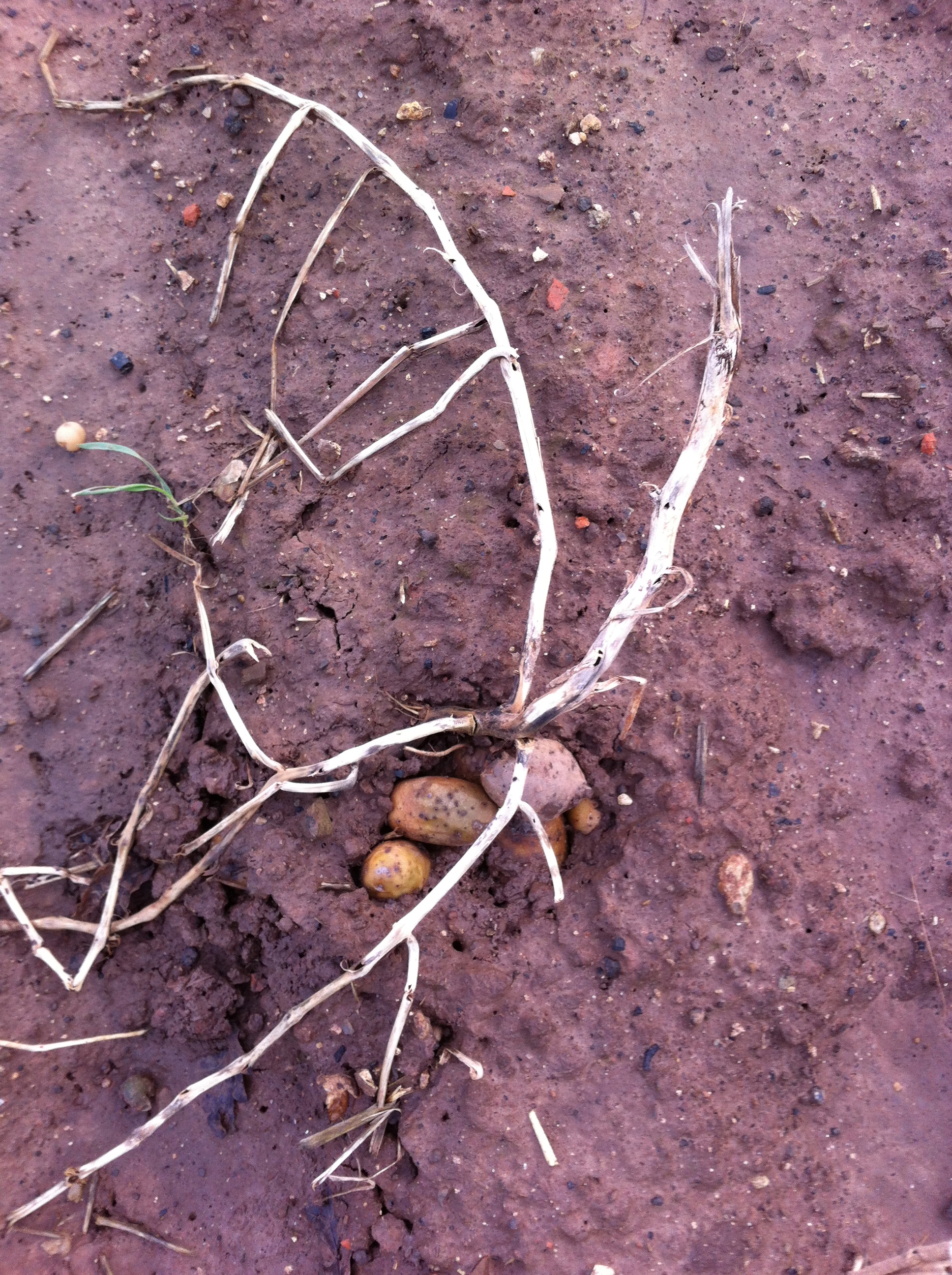
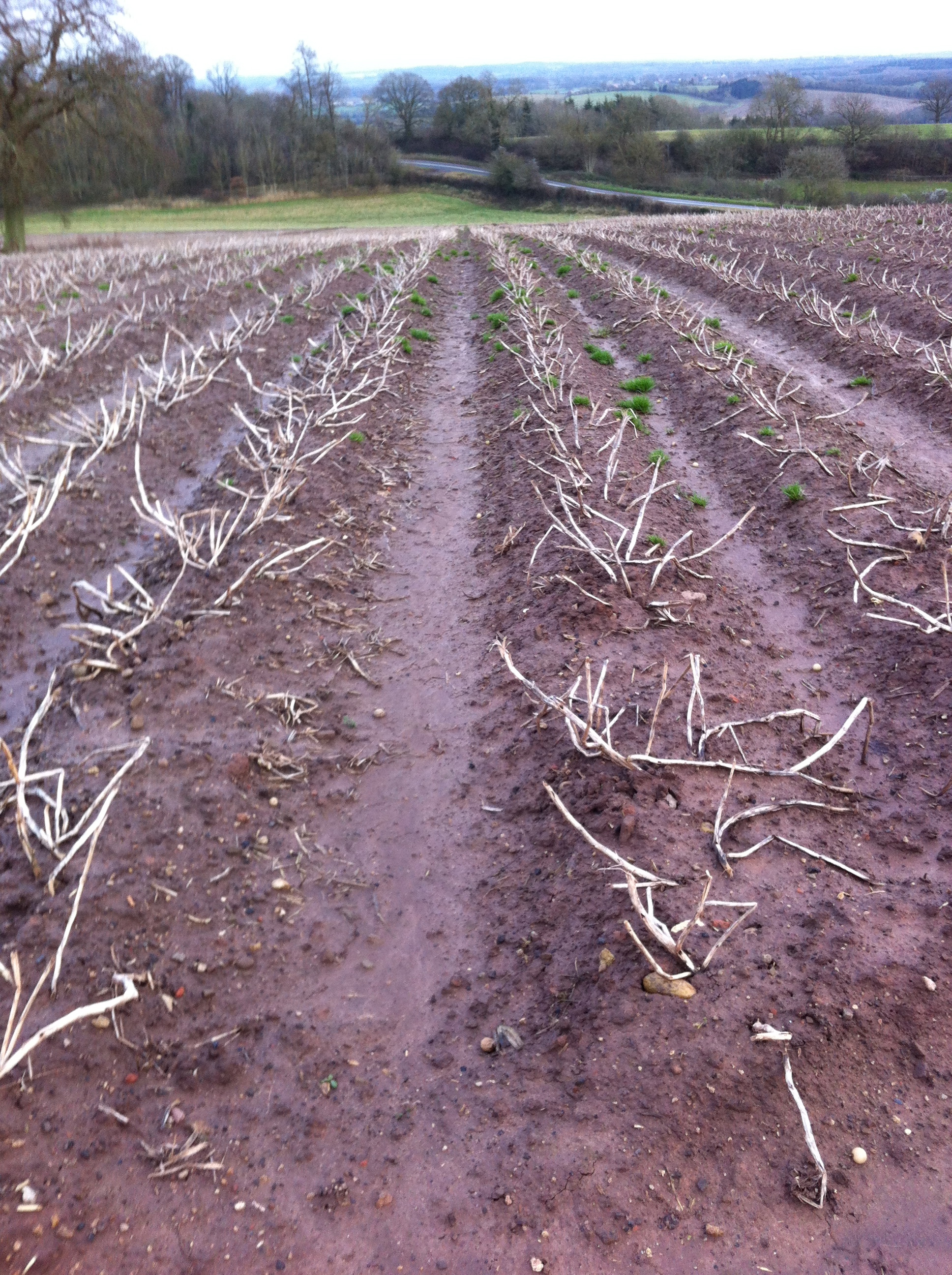
We visit the local shop to find supper. Shopkeeper Fran tells us that most of the extensively farmed local potatoes go up north (Herefordshire) to make Tyrrells crisps. My host kindly makes me a local supper: onion and potato frittata with Ross-on-Wye eggs. We sit in the local pub while it cooks and drink (semi-legal) cider: it’s locally made (Westons) and with Herefordshire apples, but not necessarily walkable-to local ones. Sigh.
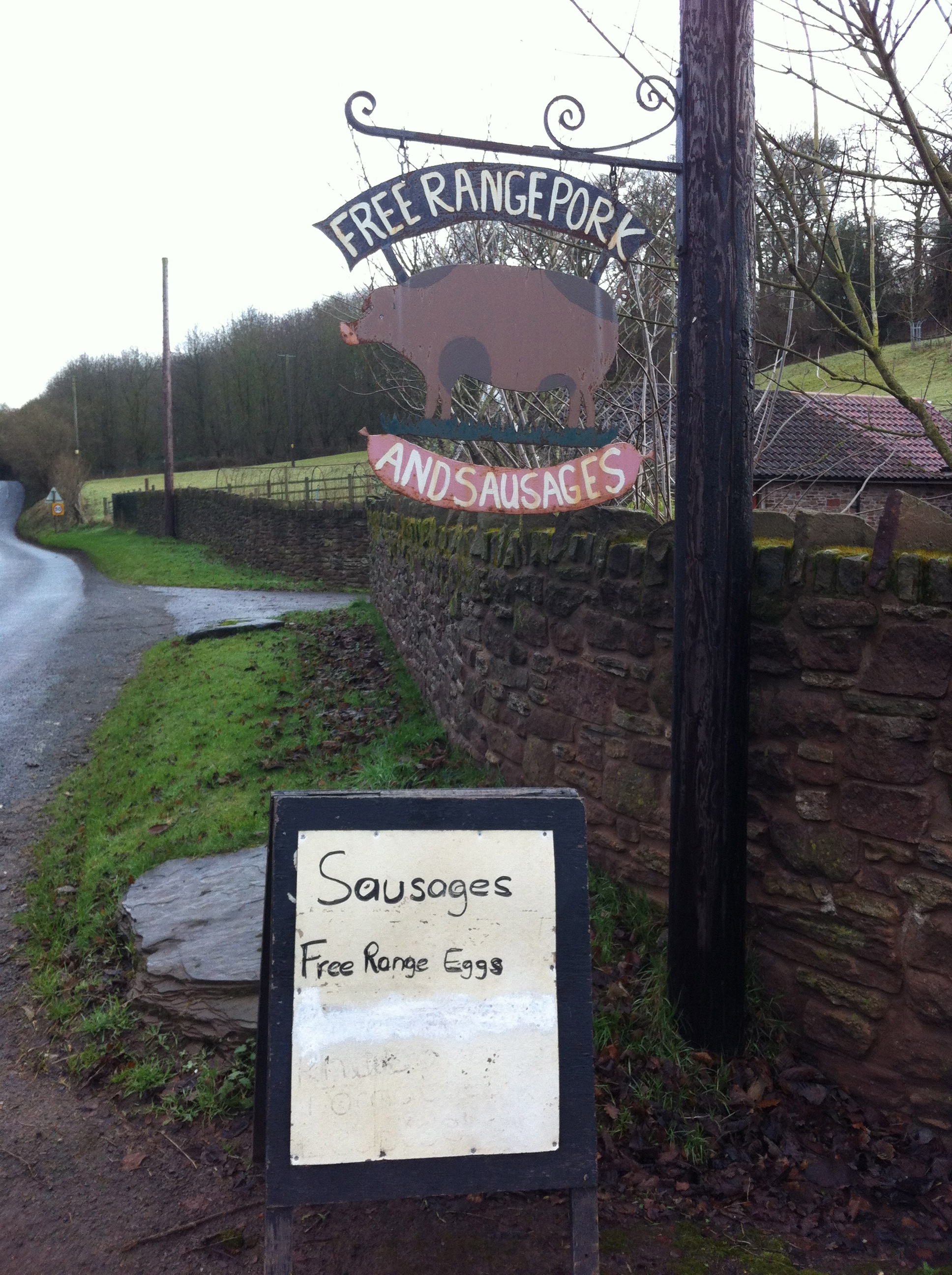
I like it here though: good local shop with good local produce…

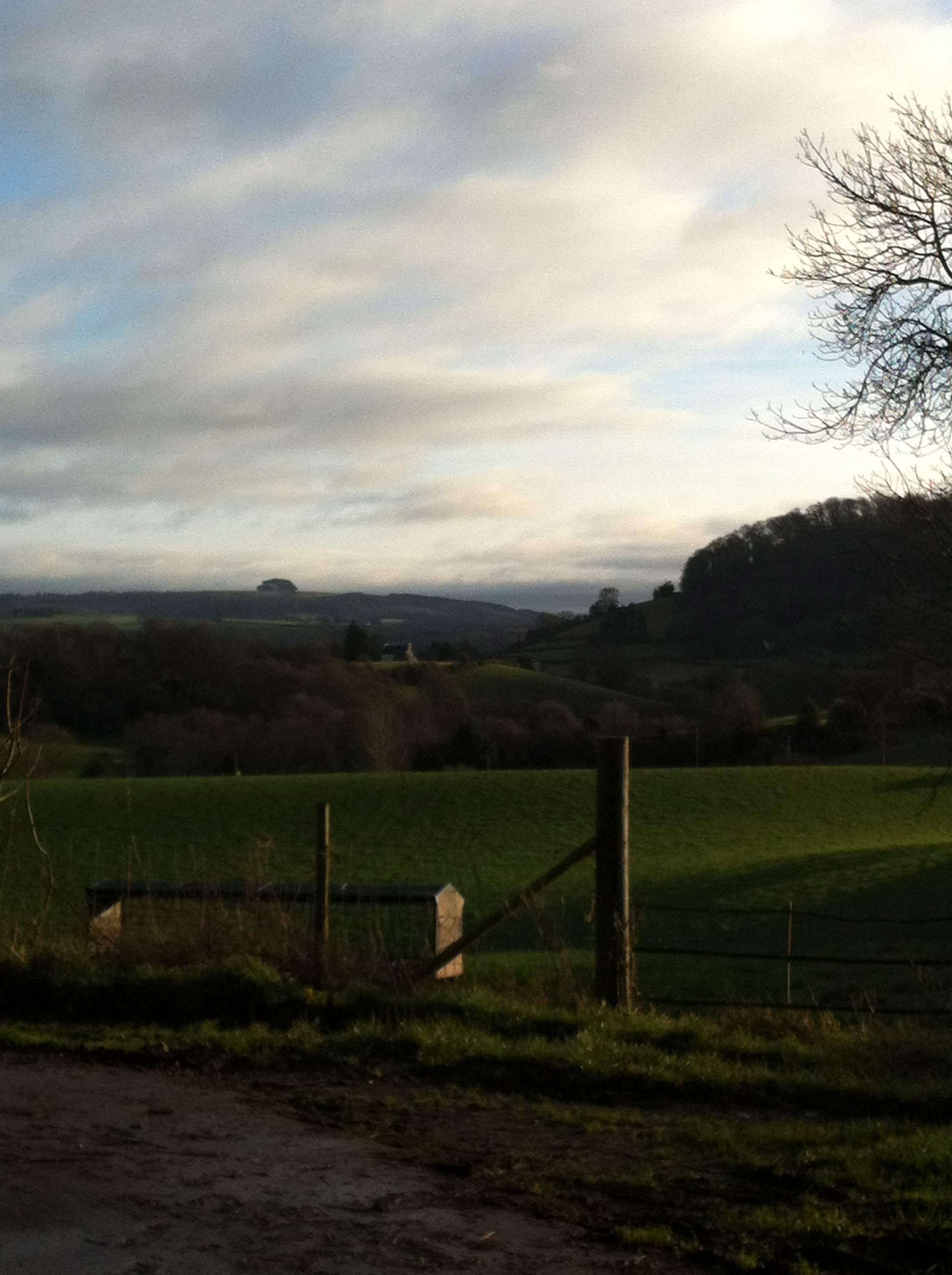
Little green shoots of change
A walk through the morning to Hoarwithy, where I’ve arranged to interview Sally Dean and Rob Elliott, who run the appropriately sub-titled ‘Real Food’ B&B Aspen House [which has since closed, in 2015].
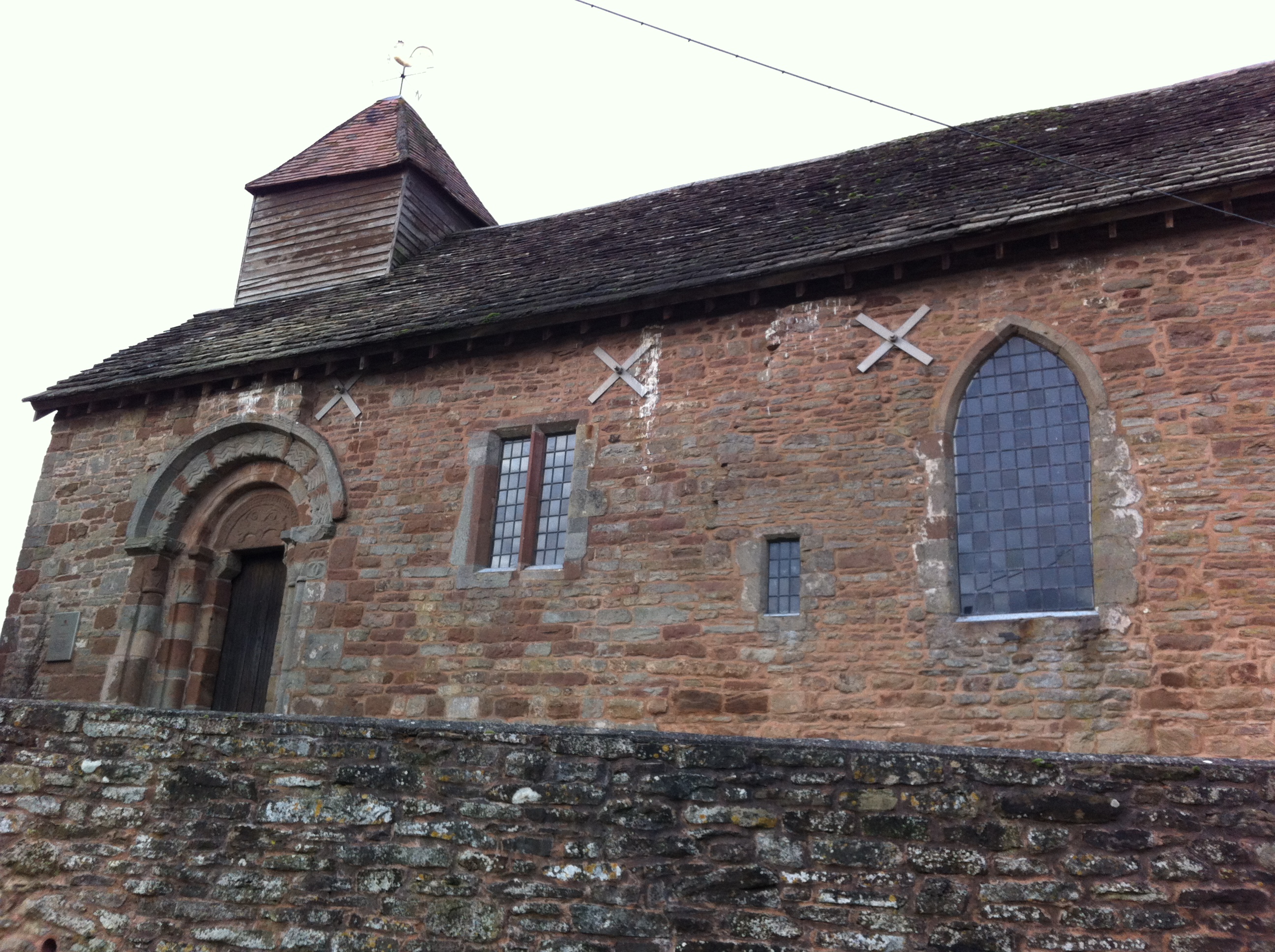
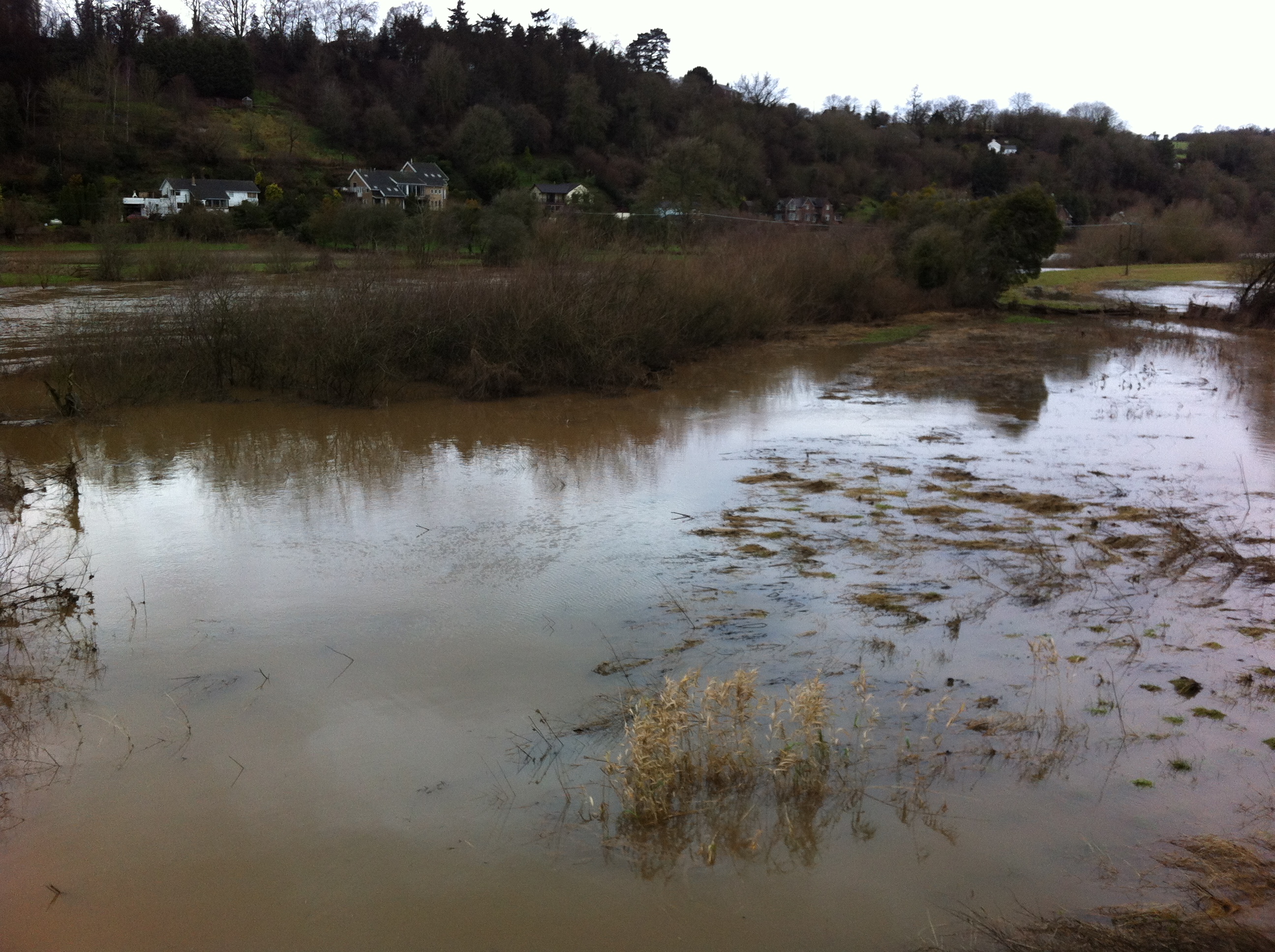
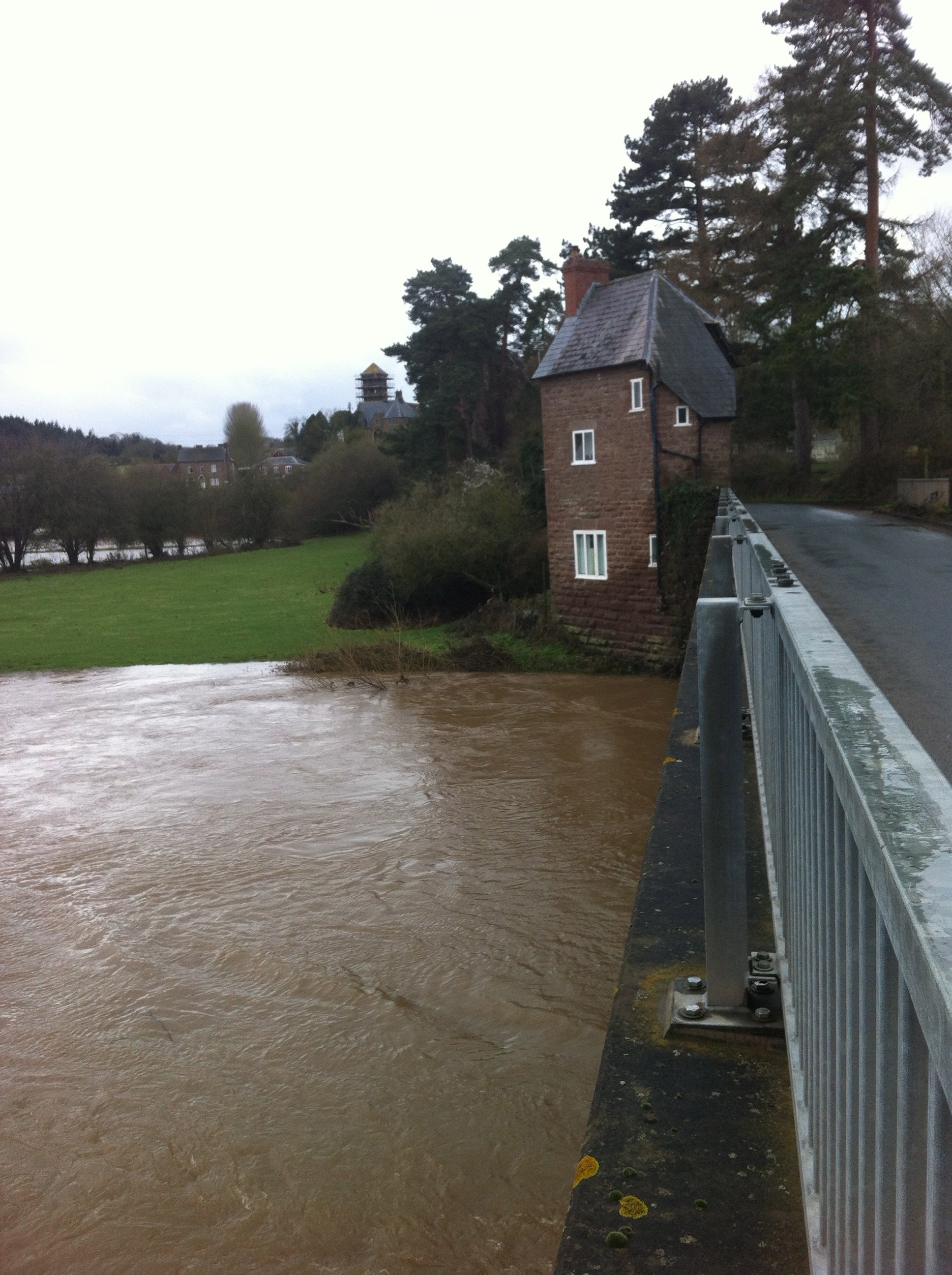
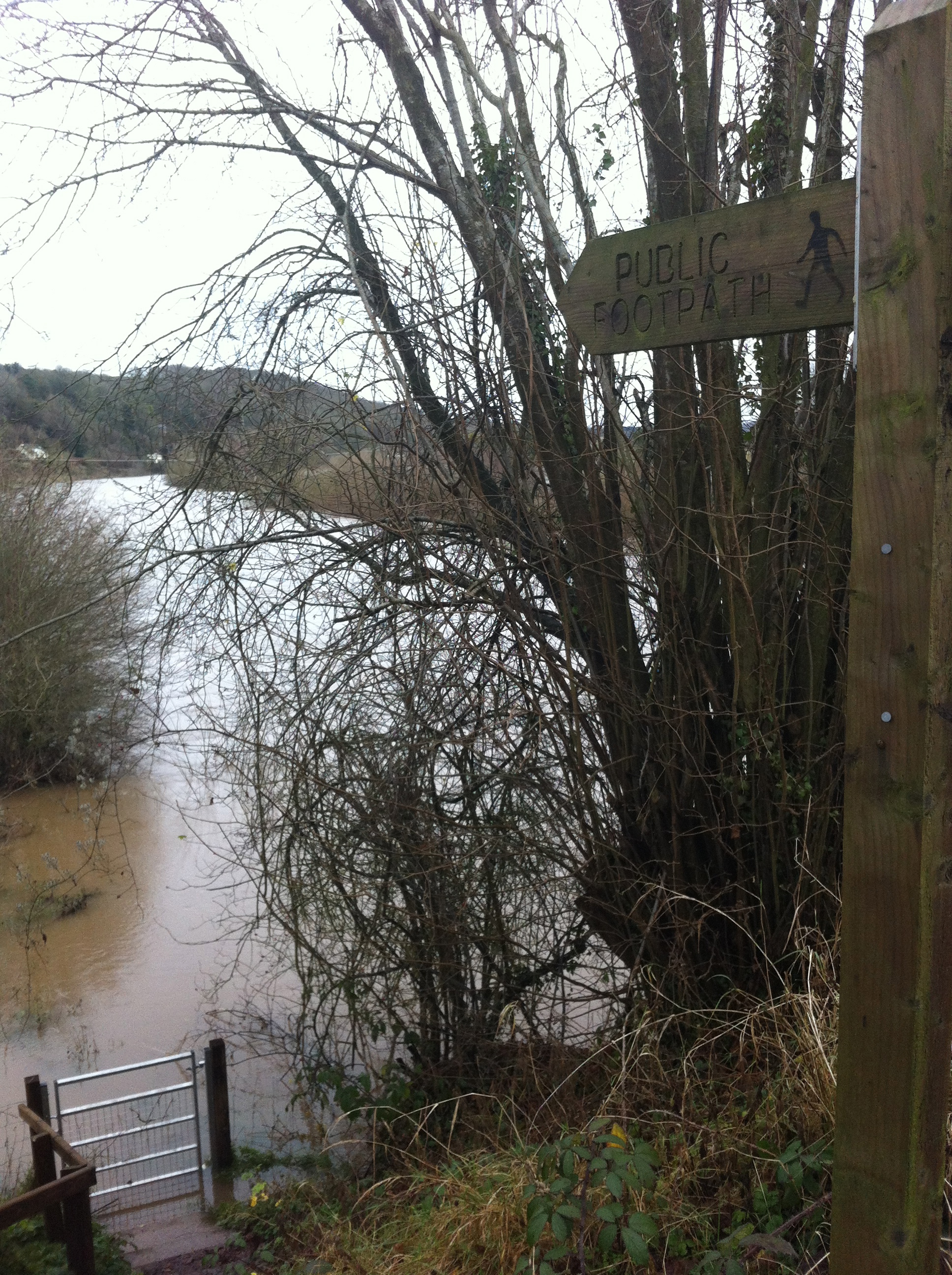
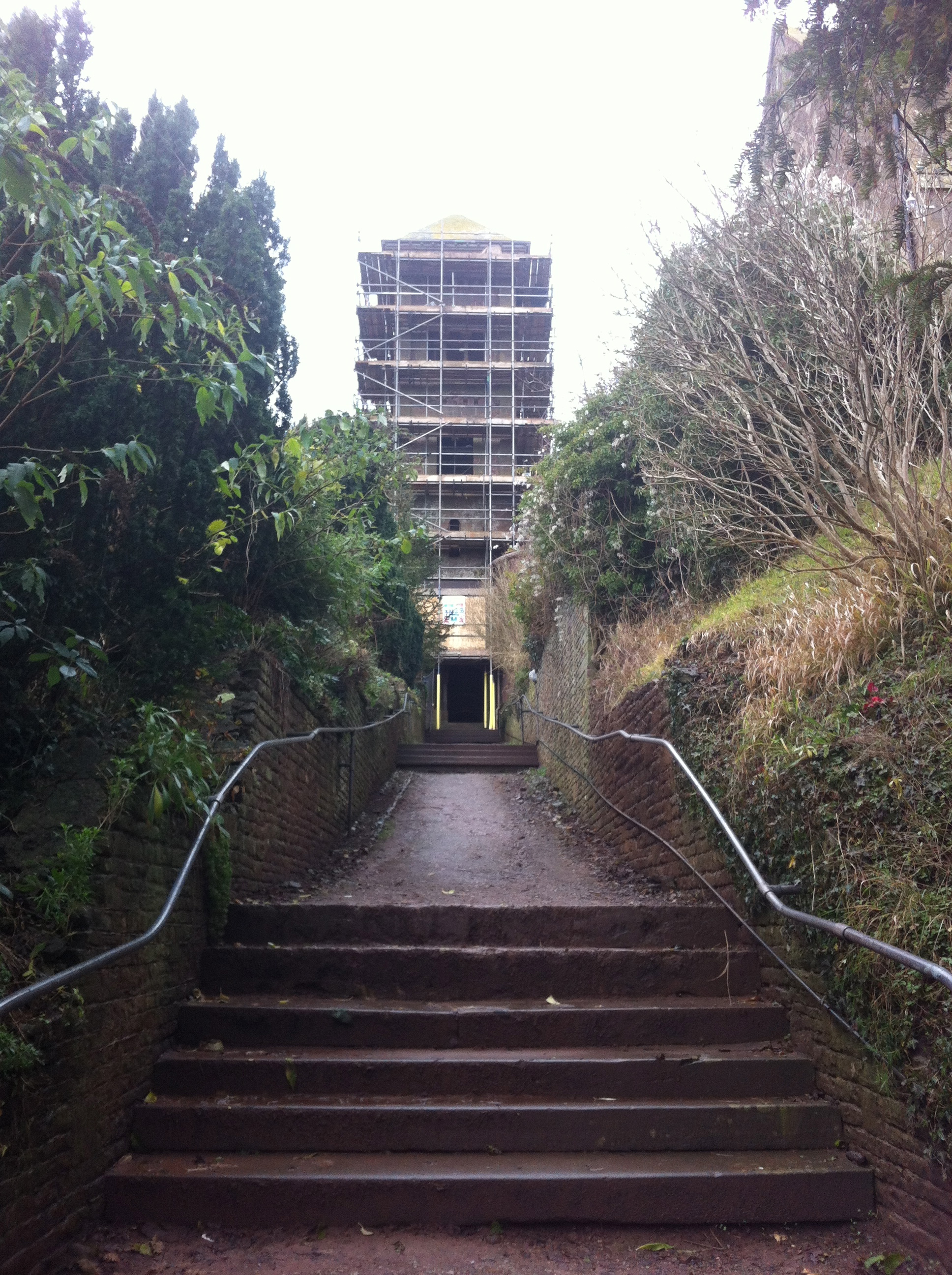
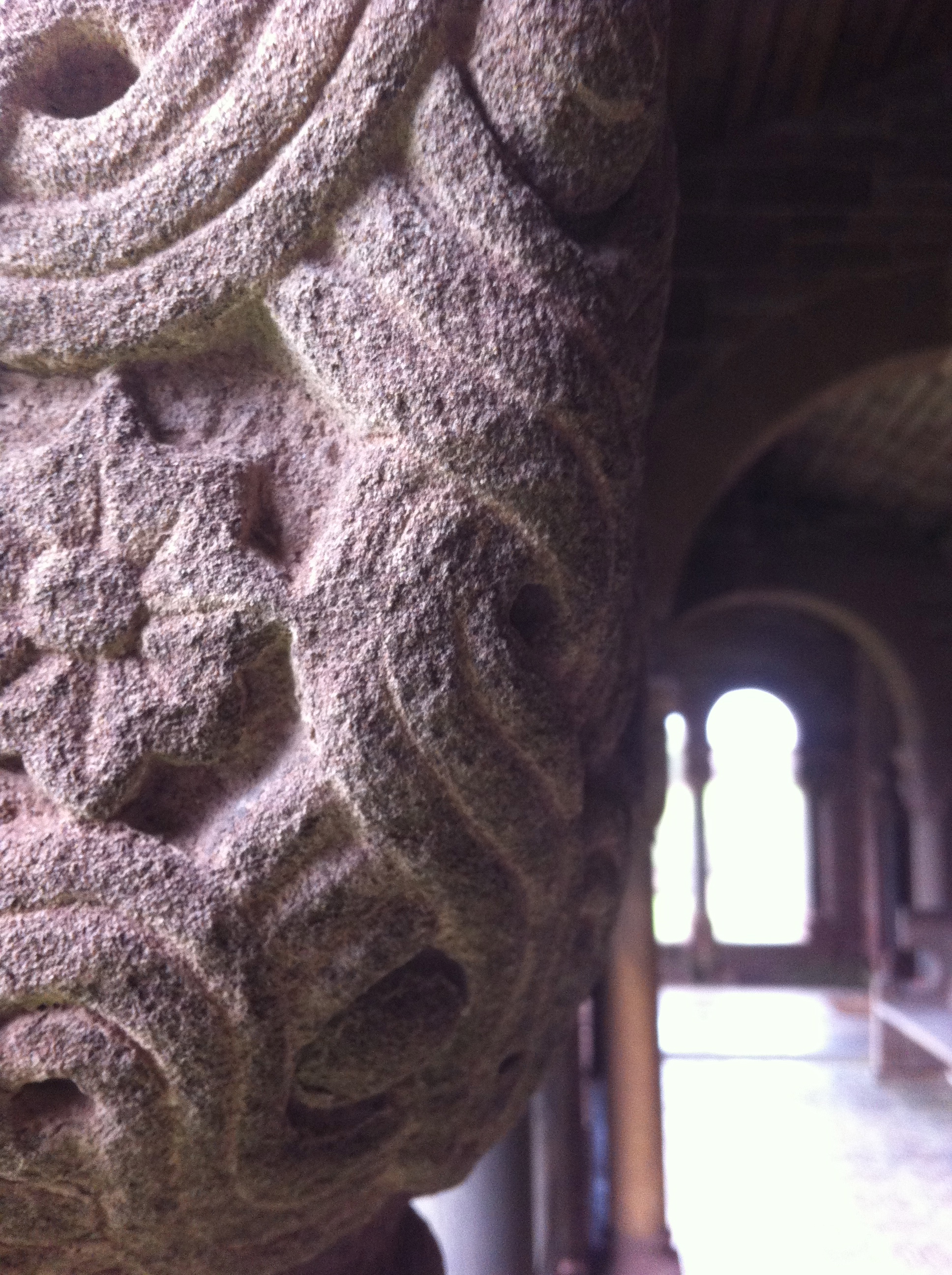
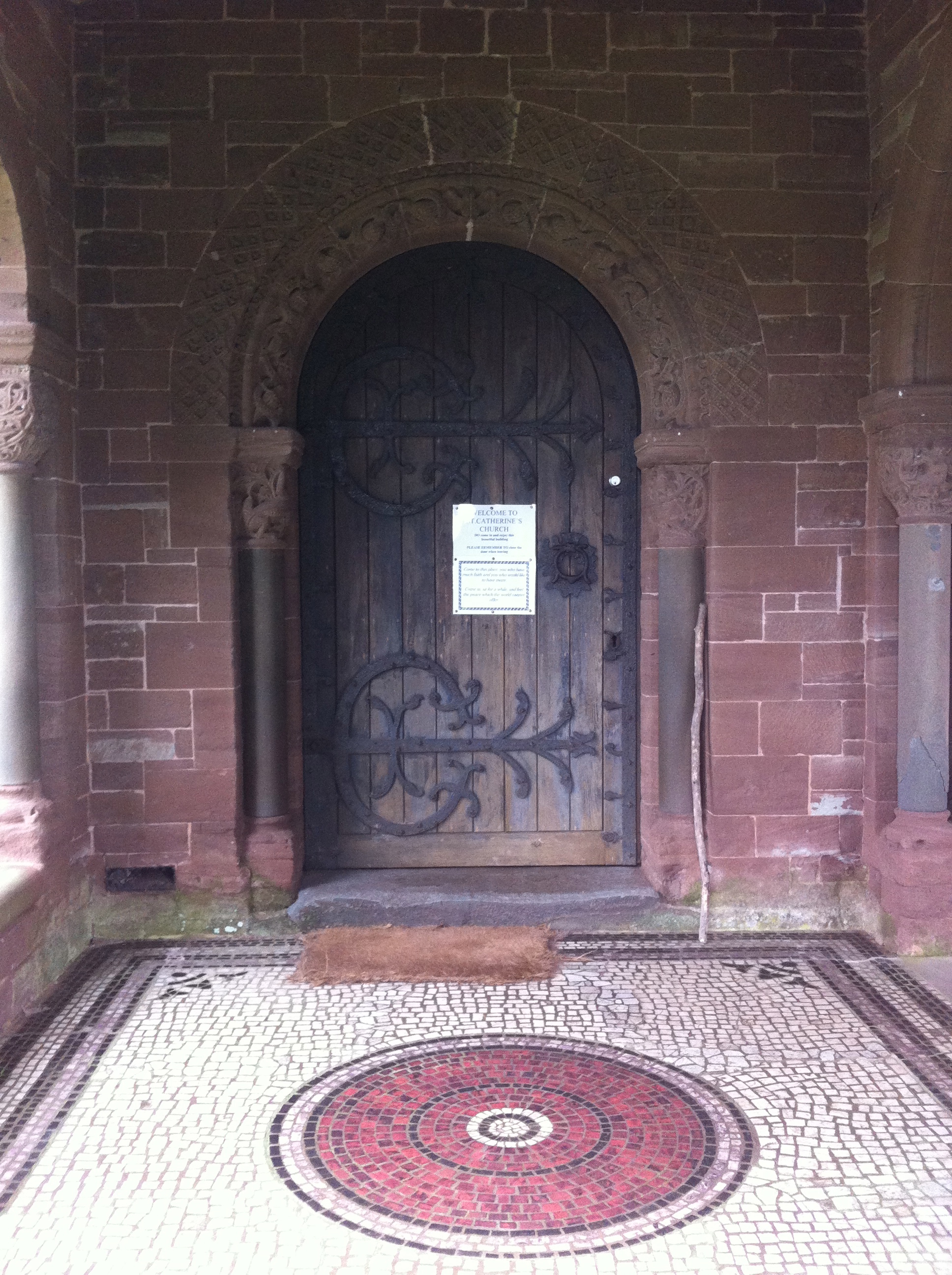
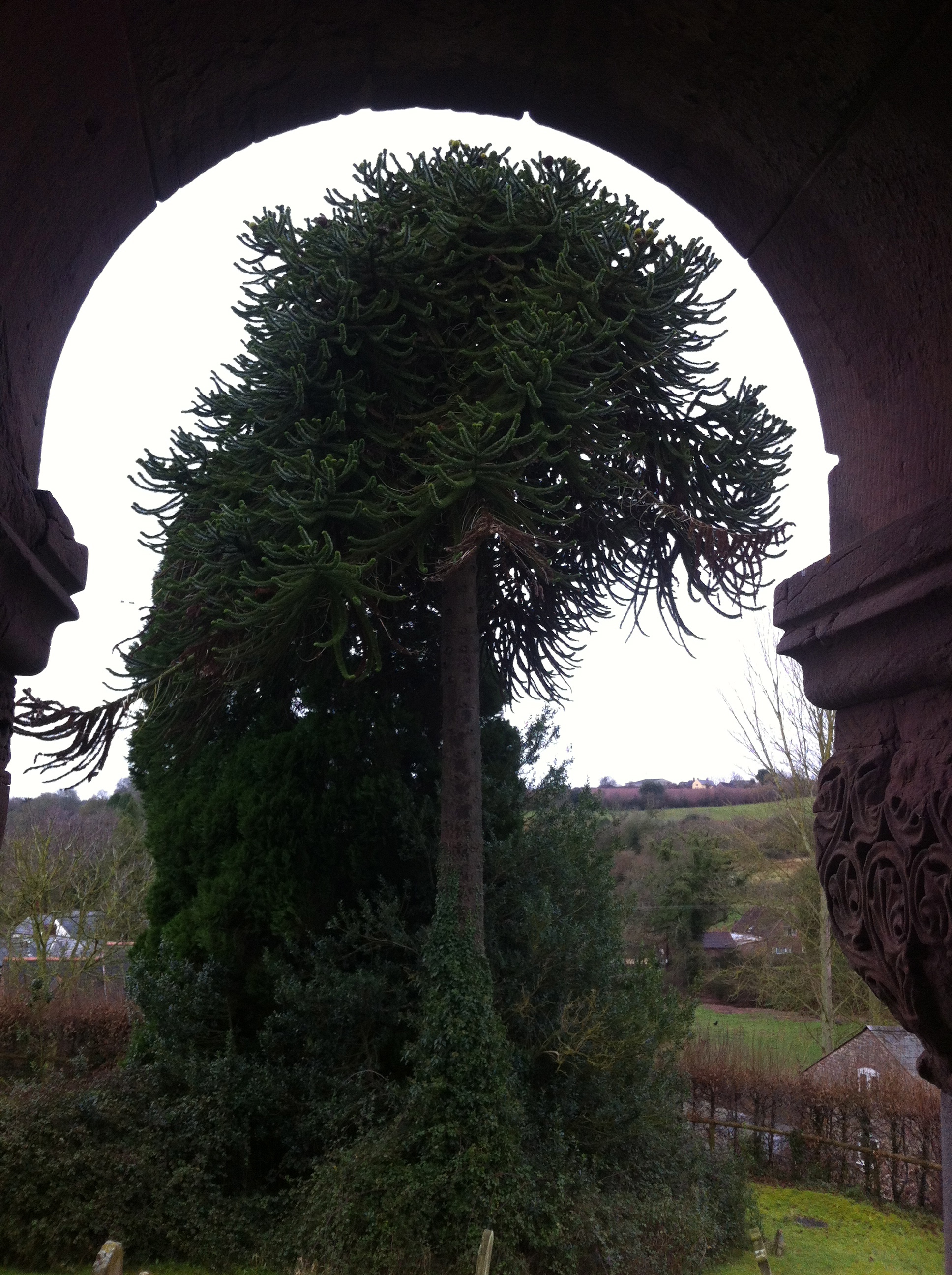
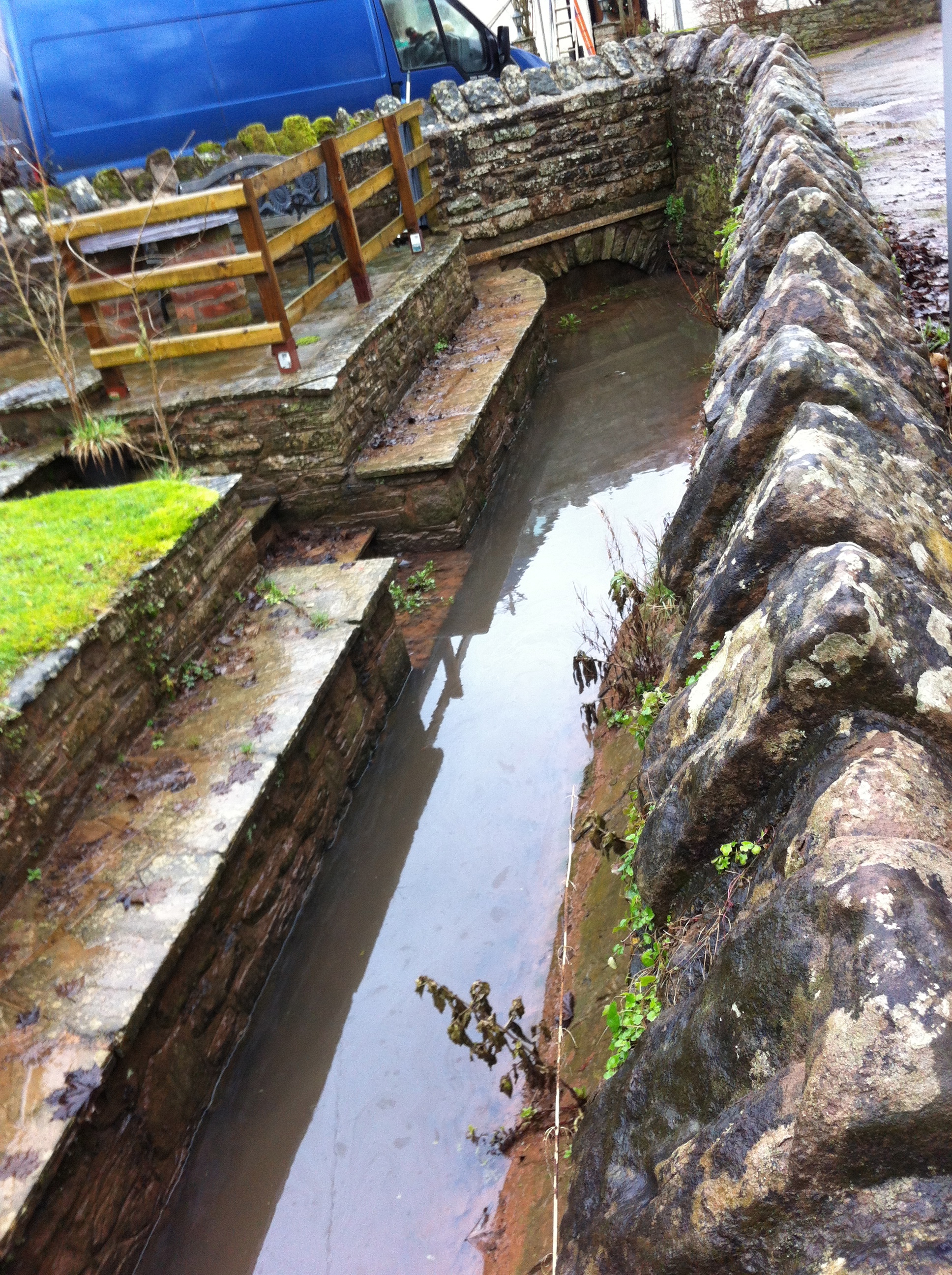
I walk over Capler Camp and through Brockhampton, hemmed in by high hedges, passing polytunnels (which Gareth talked much about), puddles and floods and being passed by the four-wheel drive convoys of the pheasant shoot… I stop to record the racehorses on the gallops at Aramstone (a racing yard) Audio Track: Aramstone gallops and later (because I’m earlier than expected for our meeting) to record the flooded wye forcing its way under the bridge at Hoarwithy Audio Track: River Wye (in spate) at Hoarwithy bridge. Then I visit the remarkable (and unexpected in this small village) Italianate church, before heading down the road to Aspen House.
Sally and Rob are more than ‘just’ B&B proprietors: they are passionate advocates (and activists) for local, seasonal, ‘real’ food. Sally, a nutritionist, is also local chapter leader for the Weston A. Price foundation (an organisation organic dairy farmer Will Edwards also spoke passionately about). Rob is a writer (The Food Maze and How to Eat… Like There’s No Tomorrow) and blogger. Both are extremely knowledgedgable about nutrition, local infrastructure, farming, growing and how our rural eating-living needs to work in order to be sustainable and just as well as genuinely nutritious. They are hugely inspiring and uncompromising in how they live and their desire to communicate what they do to as many people as possible. We have intense, wide-ranging discussions which I’ve edited only a selection of highlights below, as they are both best represented in their own, articulate words:
Audio Track: Sally and Rob on the importance of slowing down: slow food and slow cooking
Audio Track: Sally and Rob on meat and balanced food production
Audio Track: Sally and Rob on localised food infrastructure
Audio Track: Sally and Rob on local food activism: ‘little green shoots’ of change
A huge thank you to them for their time and sharing their knowledge so passionately..
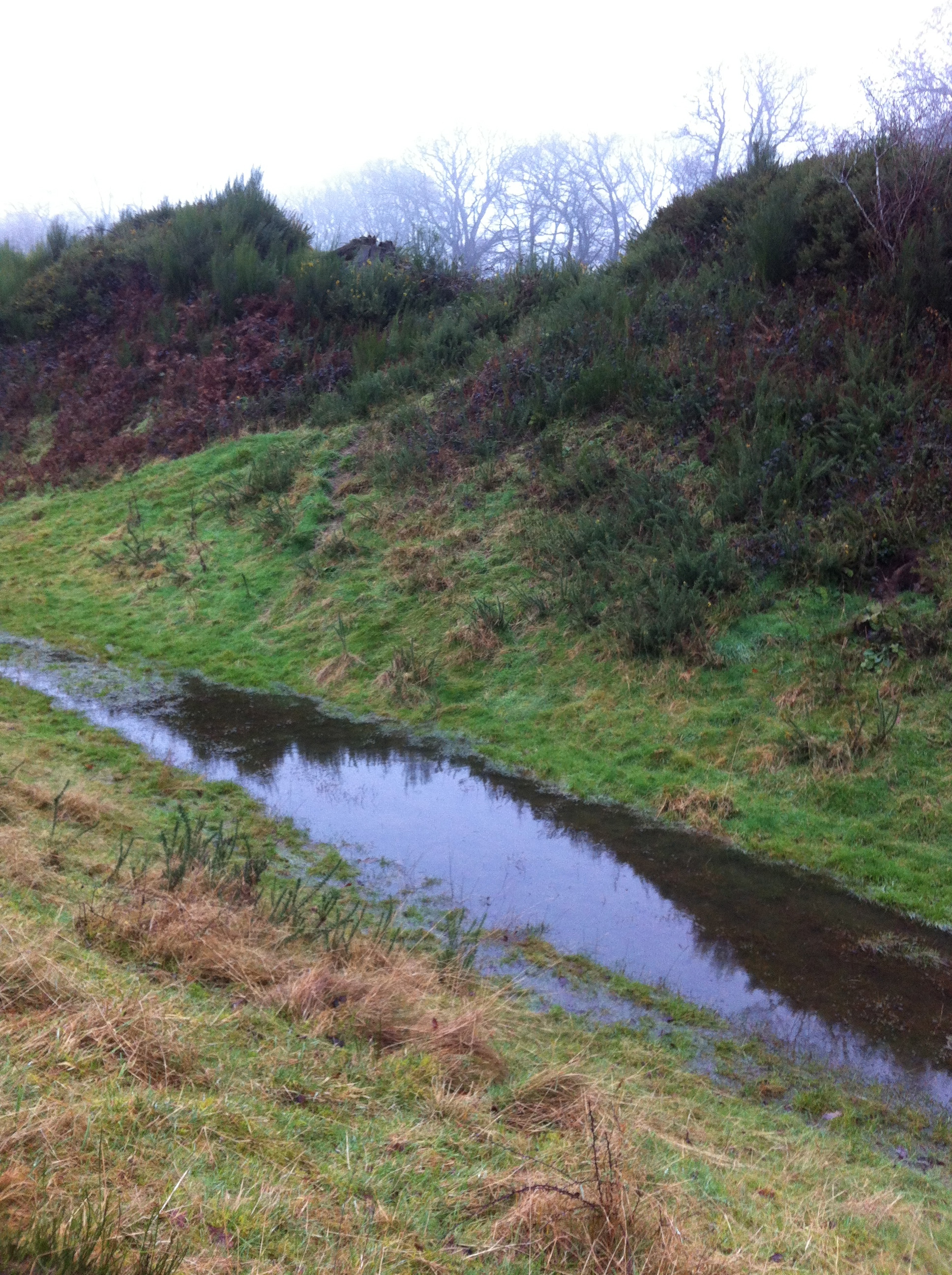
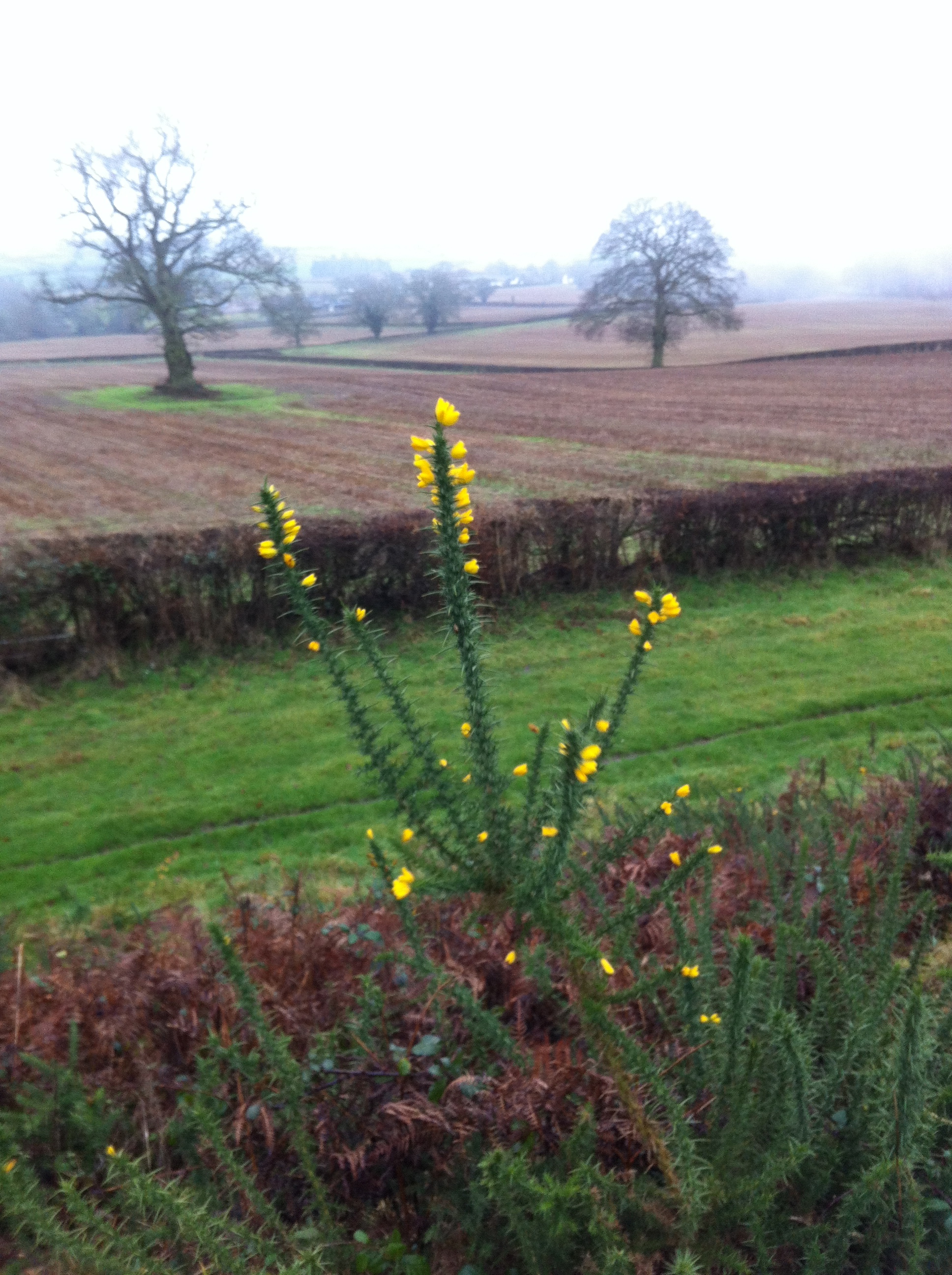
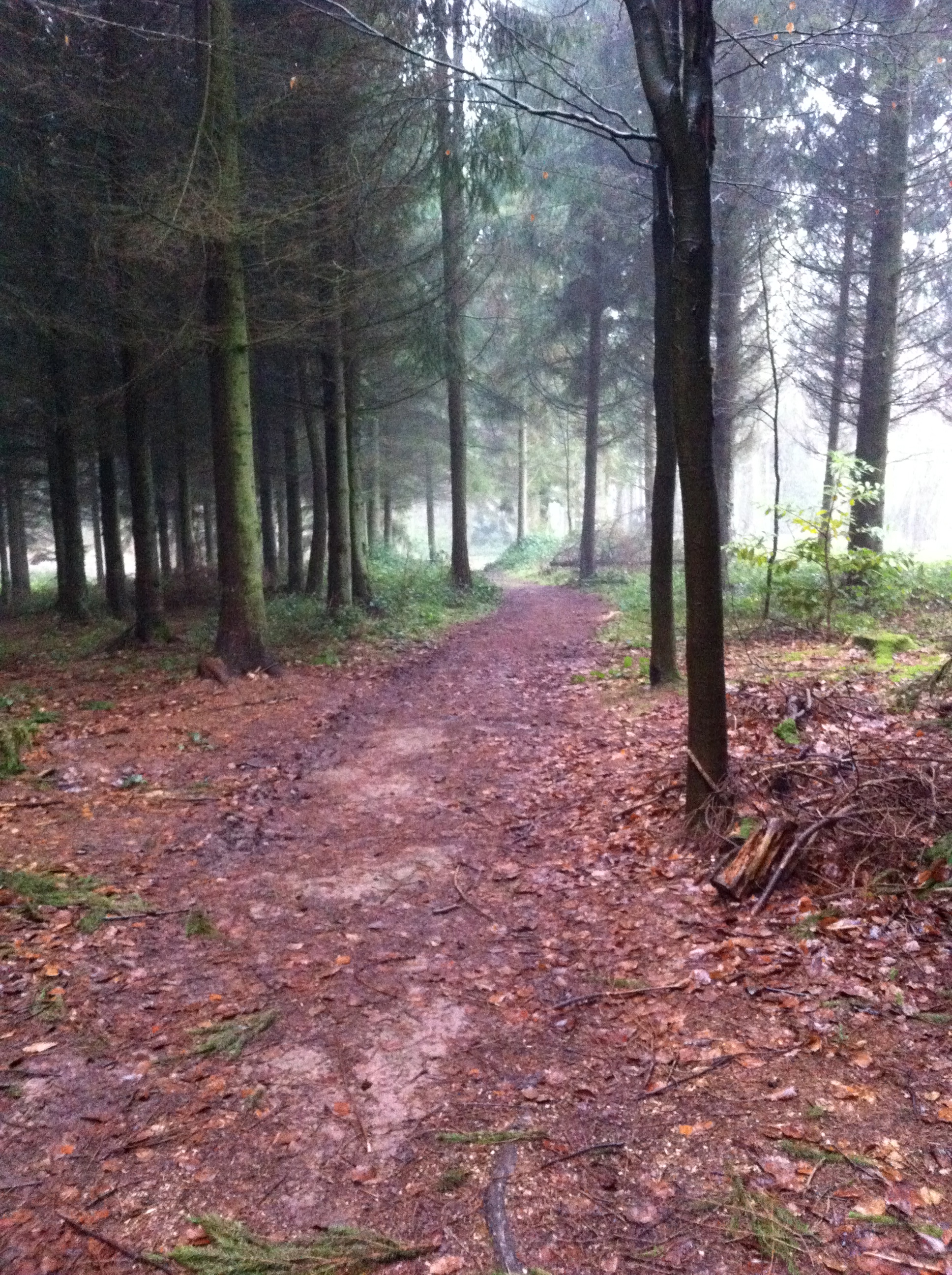
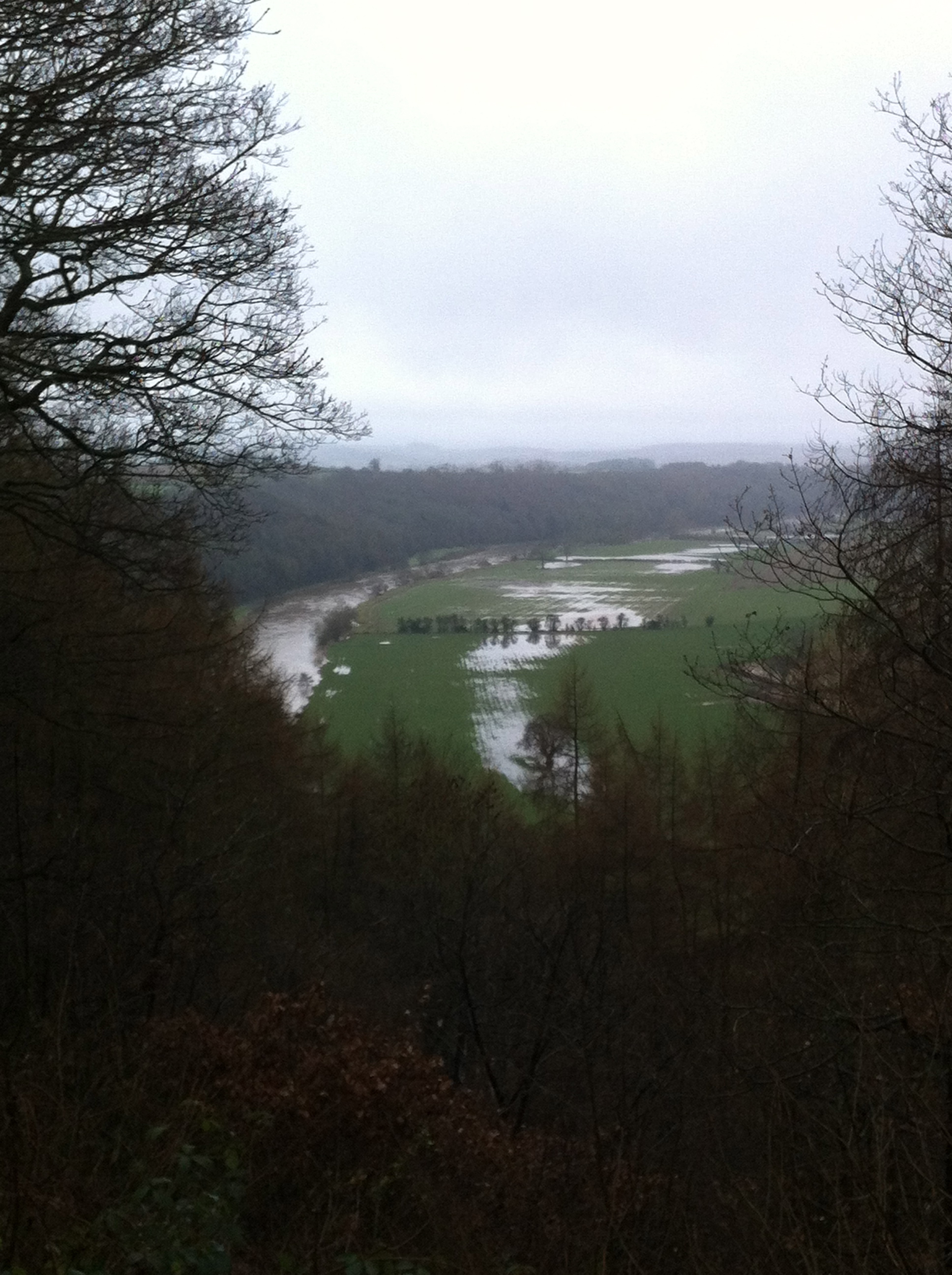

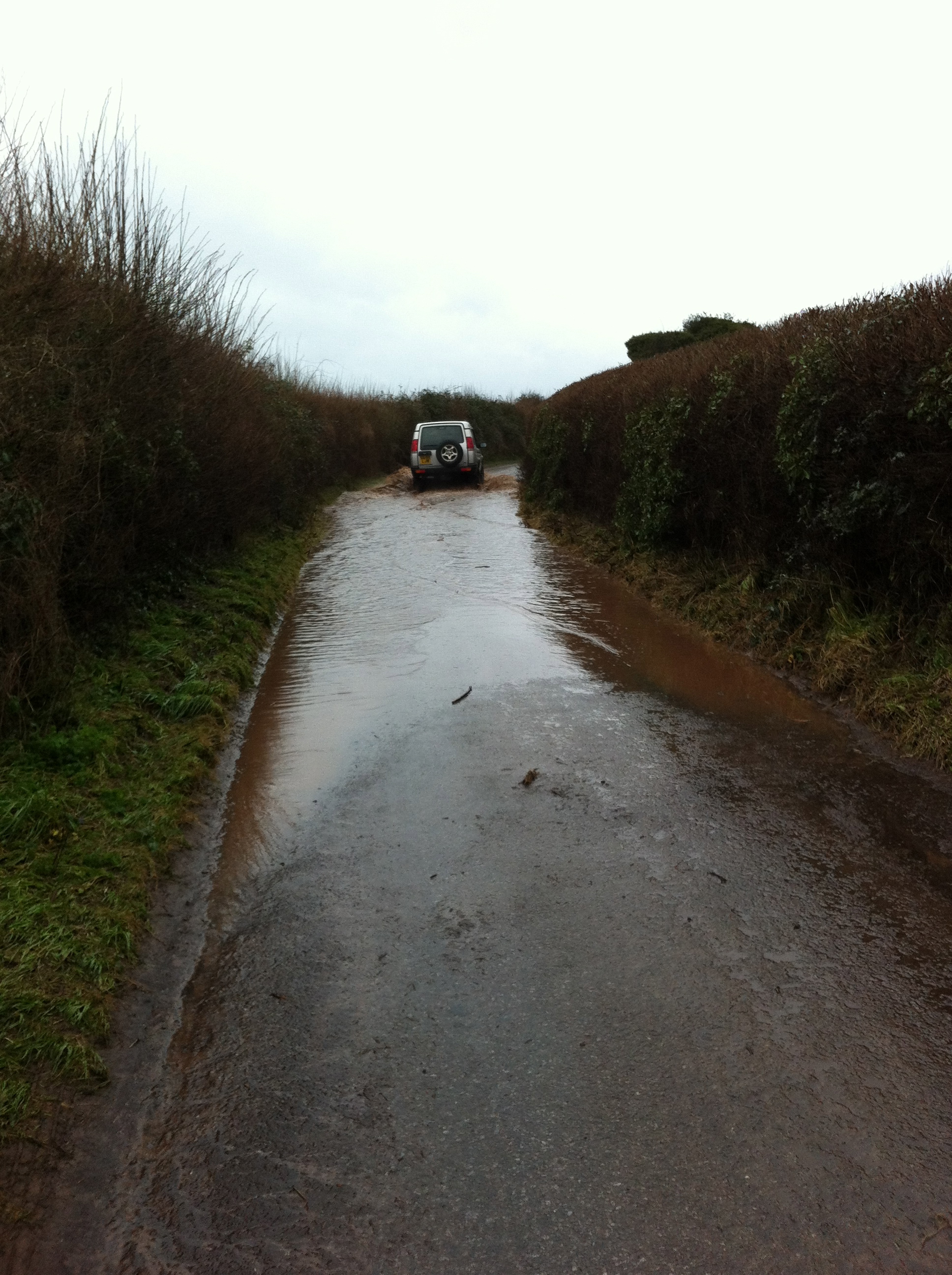


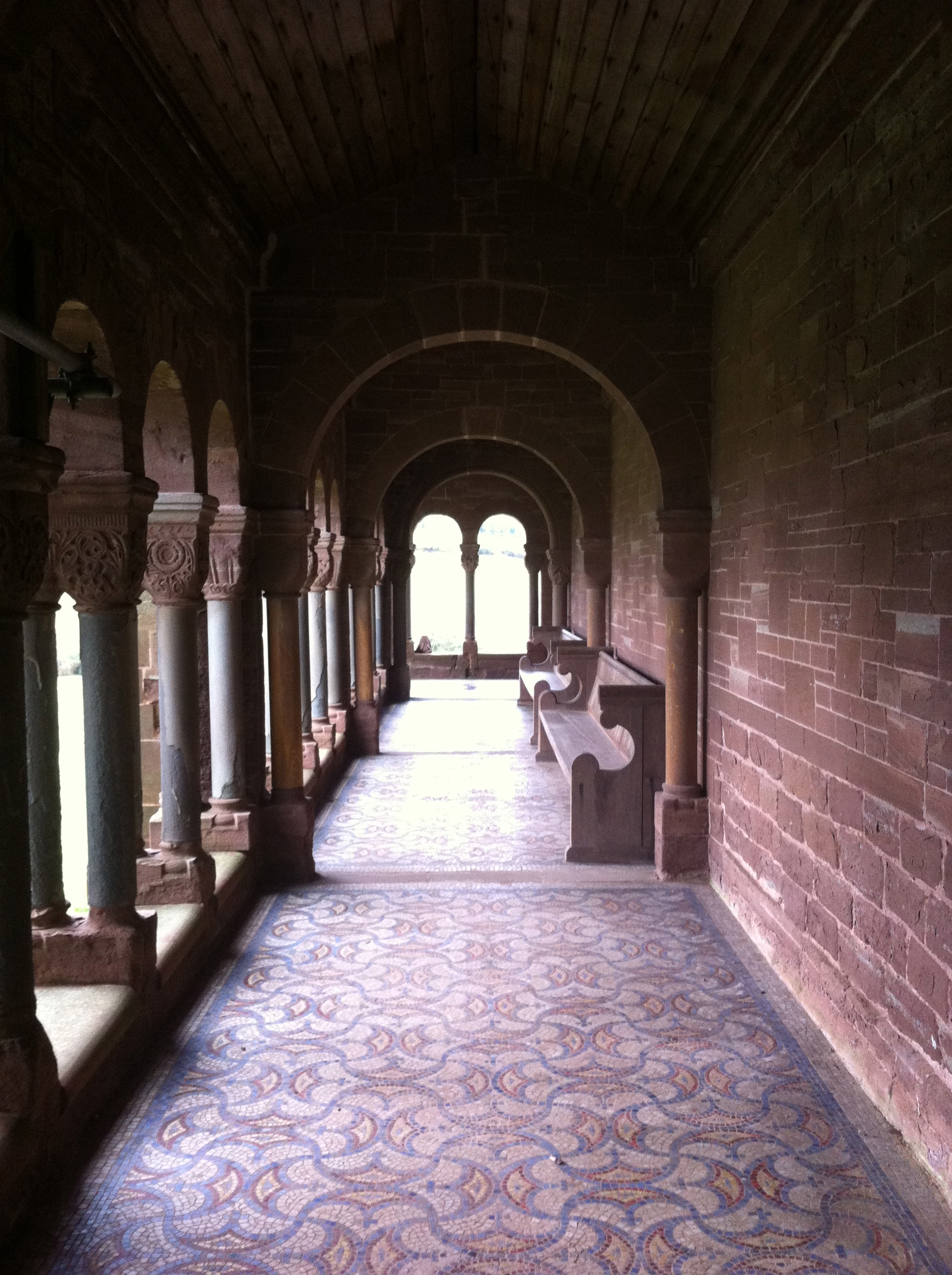
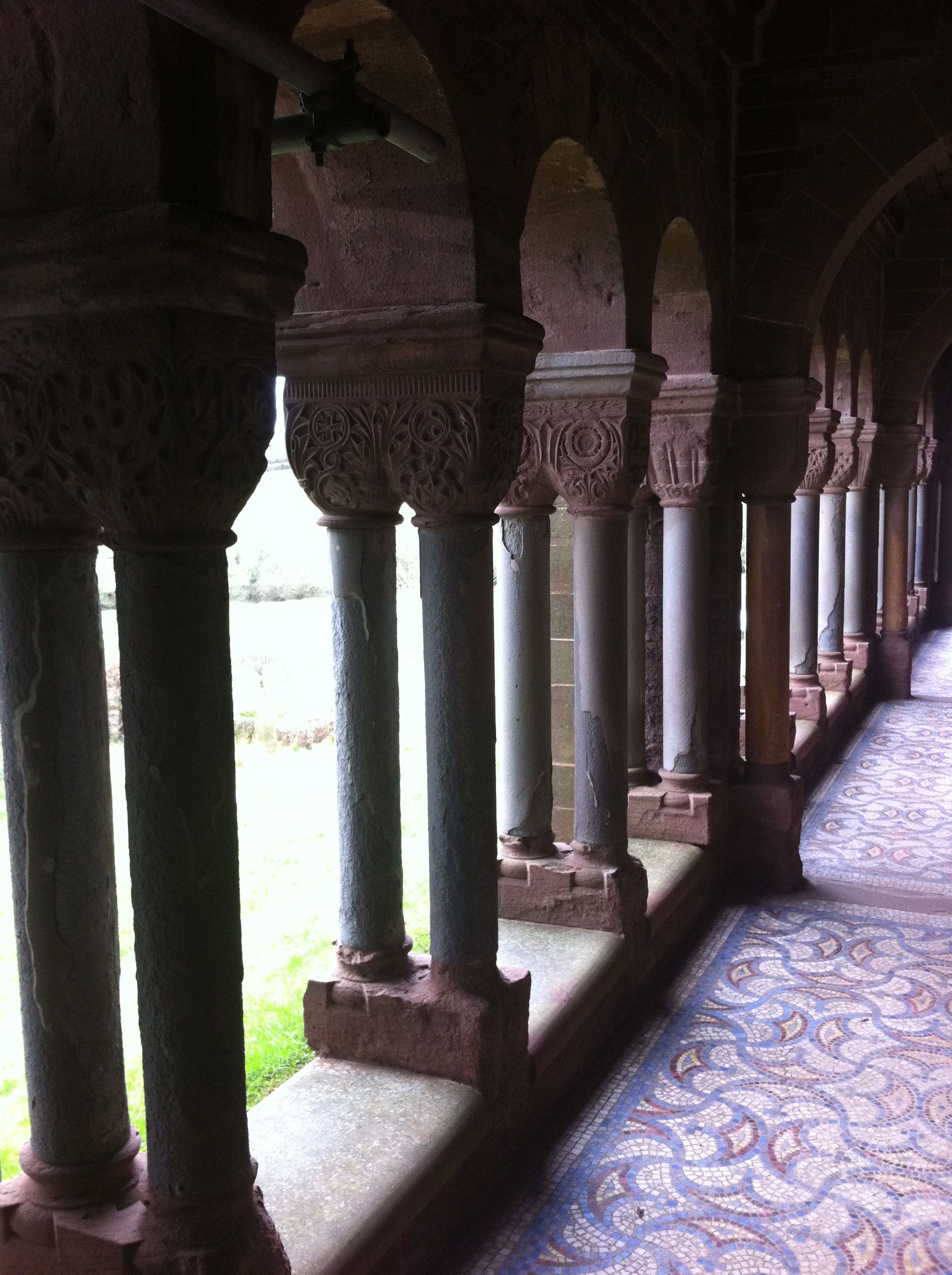
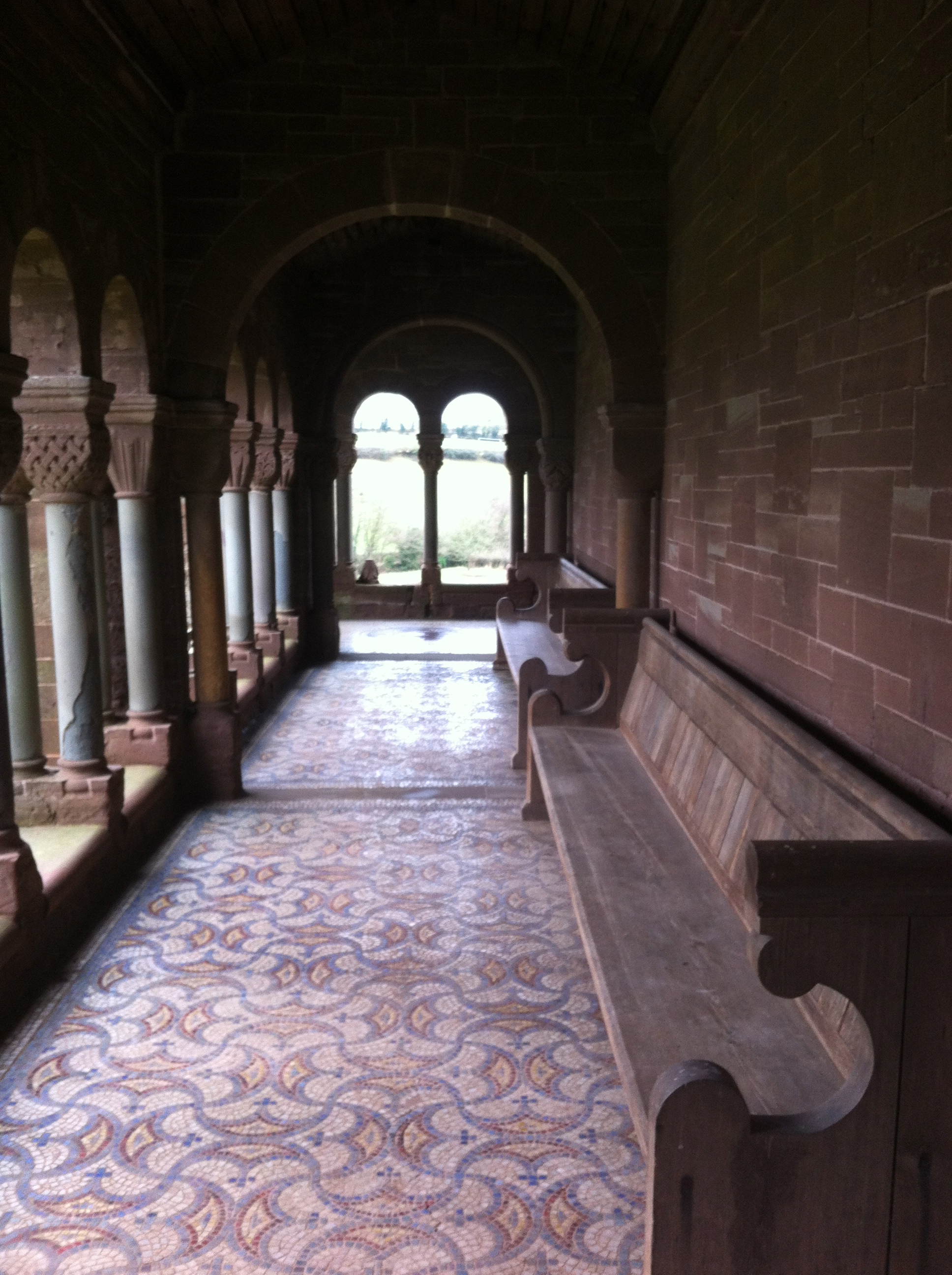
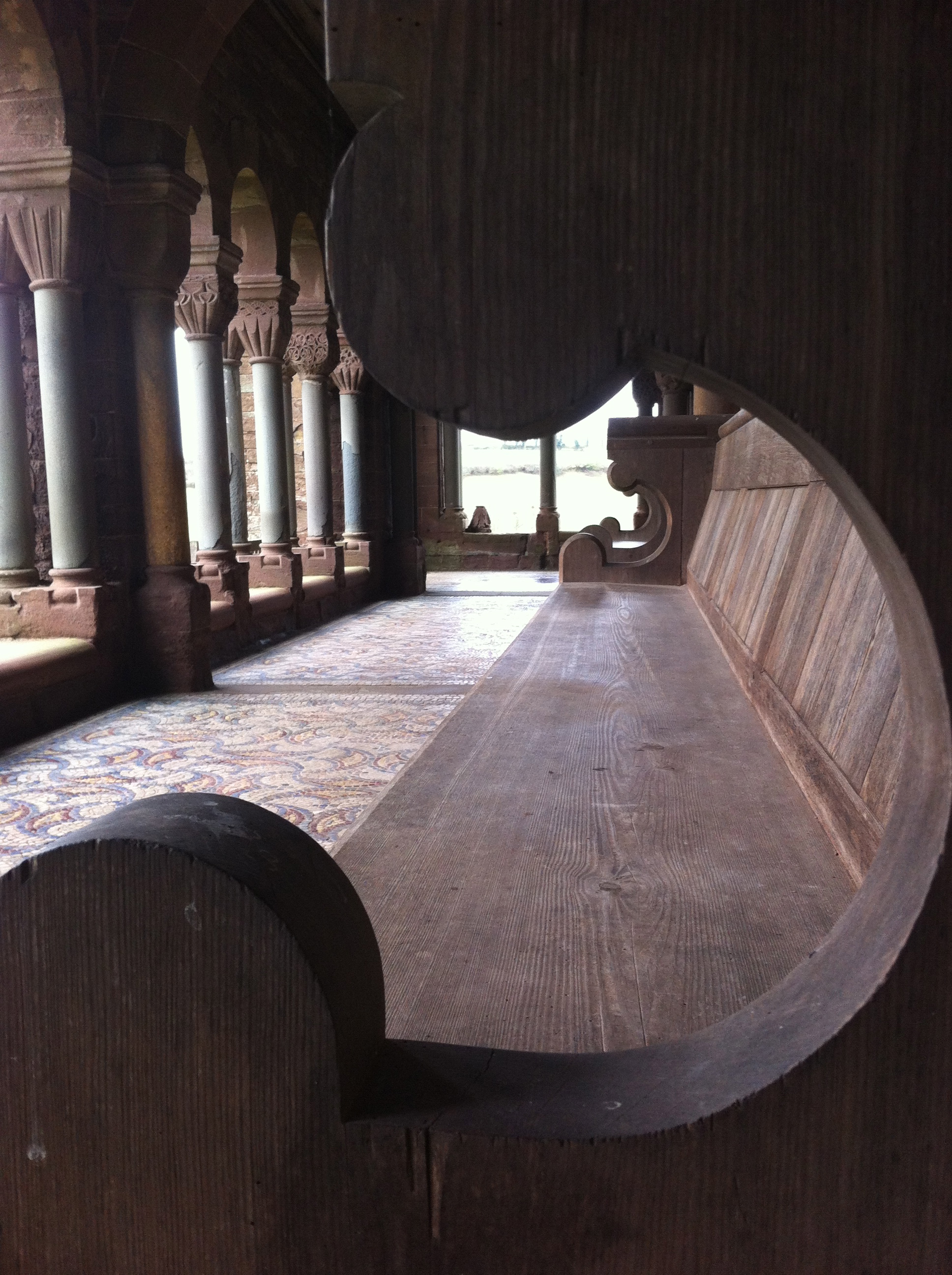
And then later in the evening, because it’s Friday, I walk (4 mile round trip) through the dark to the pub with friends for local bitter…
Winter solstice

It’s the winter solstice which is the event I now choose to celebrate – with food, conviviality, warmth, gifts – as my mid-winter festival of choice. (Not that I’m completely bah humbug about the big C – I’m even walking to Putley for carol singing tonight.) All in a Day’s Walk has thrown this into an even sharper focus this year – the presence of daylight (or not) has been very much present for me in my daily life in walking and even eating. Eggs – my precious only source of local protein – have been harder to come by, because the shorter days are also the reason why the hens on the farm are laying less. (A connection I hadn’t considered before.)
I’m not a very conscientious celebrant, but it feels important to mark this turning point – the ‘standing still of the sun’ – as I’m walking underneath it.
‘The great cosmic wheel of the year… the symbolic wheel of time is acknowledged here. Jul or Yule means wheel in Norwegian. Northern Europeans of our Celtic past believed this mystic wheel stopped briefly at this crucial point as one cycle ended and a new cycle of the sun began. It was taboo to rotate any wheels at the Winter Solstice, from cartwheels to butterchurns, as they waited for the return of the sun.
Evergreens are brought into the home at this time to represent everlasting life…Each of the evergreens has a deeper symbolism. Red holly berries represent the red female blood of life while the white mistletoe berries represent the the white semen drops of the life-giving male
There is an old tradition of making wheels of evergreens as we celebrate the wheel of the year turning once again towards the sun… ‘
Glennie Kindred (2001) Sacred Celebrations Glastonbury: Gothic Image
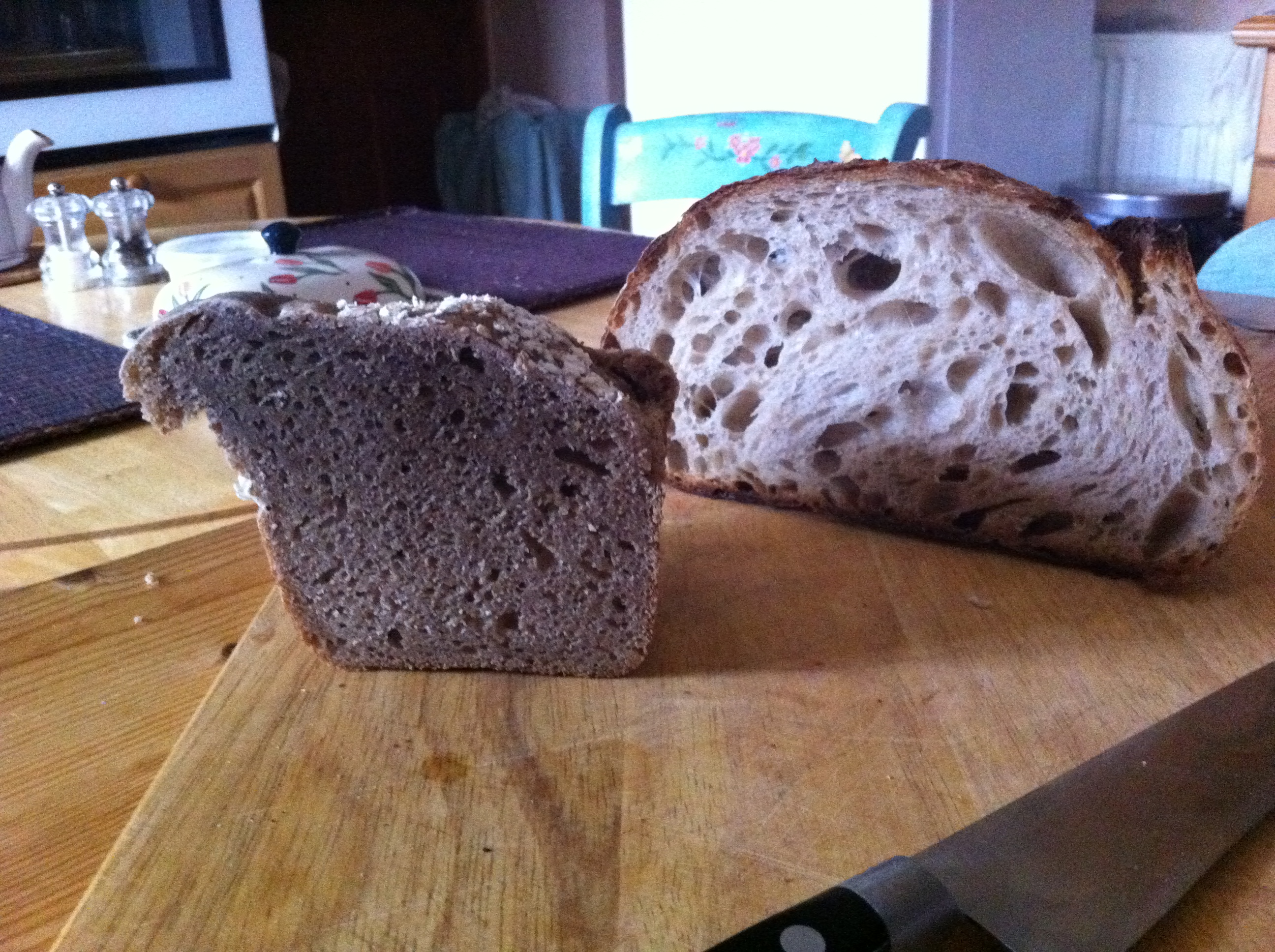
Over the past few days, my walking has allowed me to collect various evergreens and I make a solstice wheel from plaited ivy (Fownhope church wall, to be mildly subversive), holly (How Caple and Capler Camp – the iron-age hill fort above the farm), yew (Capler Camp) and mistletoe (Oldstone Farm orchard). I also make my first truly successful rye-spelt sourdough bread – coincidentally shaped into a wheel/ring so that it can cook more easily in my stove-top oven improvised from a cast iron casserole dish.


Local hangover for local people
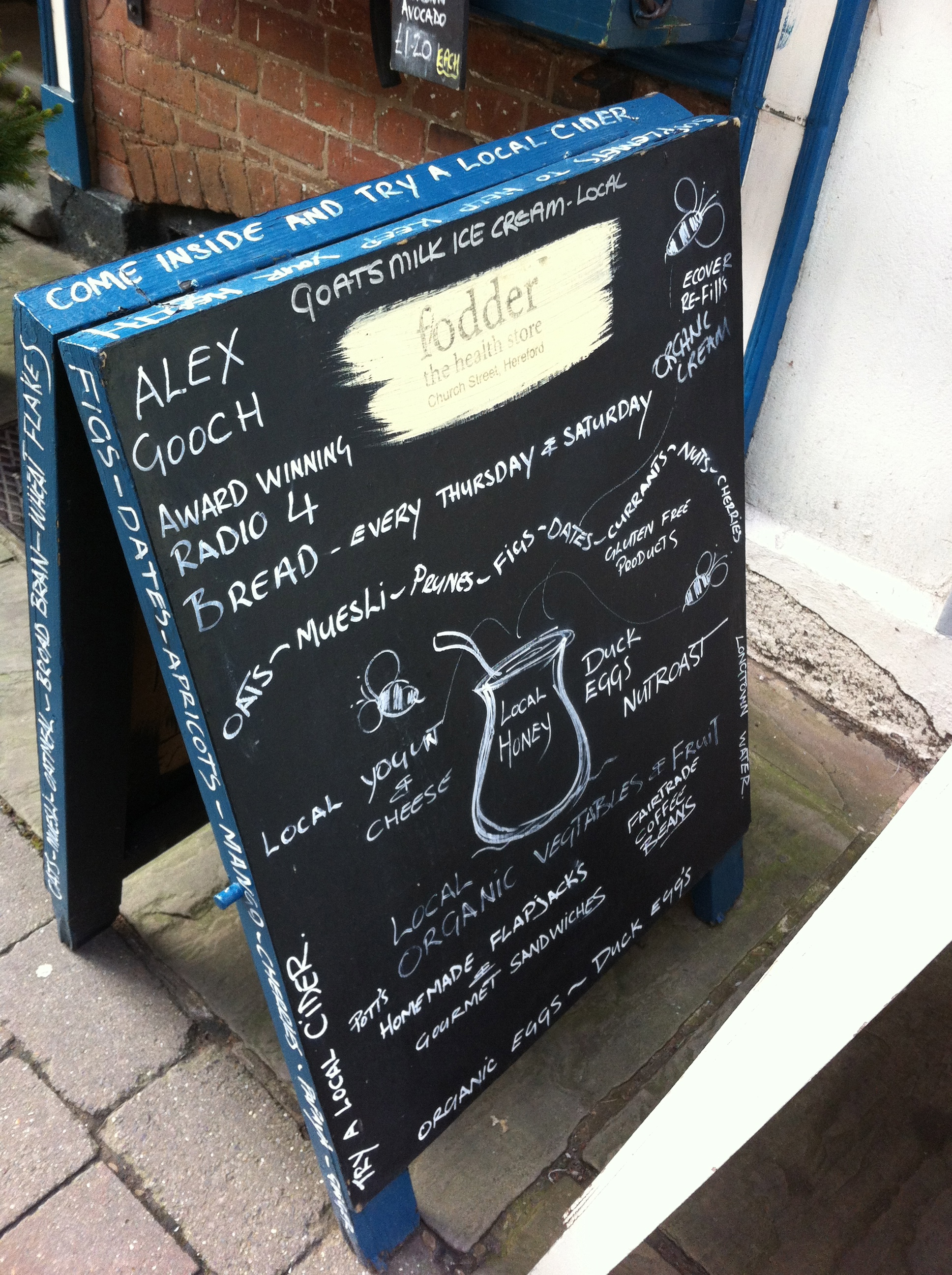
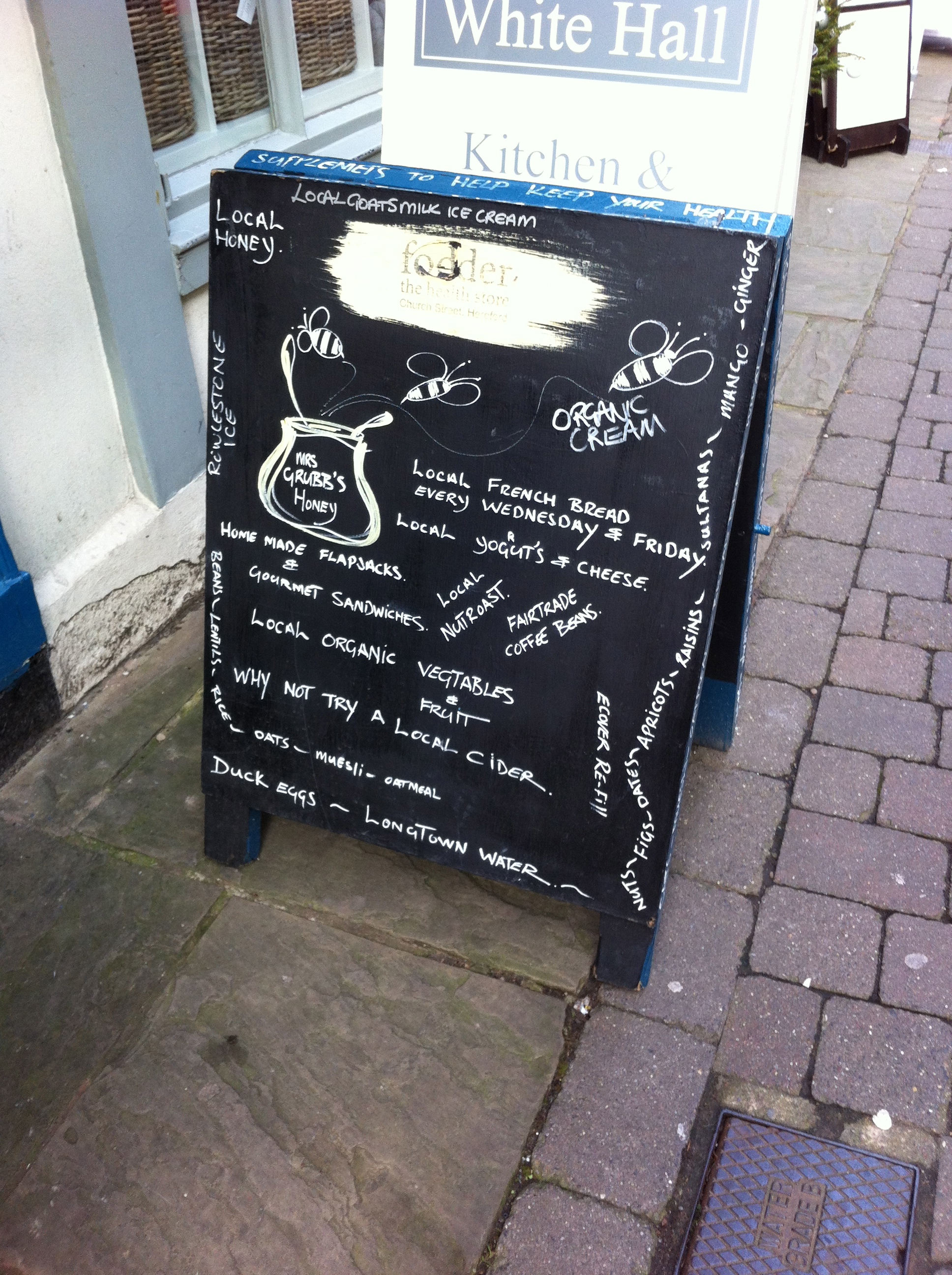
Today, thanks to the generosity of friend Hugh, I’m mildly hungover (largely sleep deprivation from late conversation) on his family’s local and delicious Once Upon a Tree cider and perry from Dragon Orchard at Putley. But I still have to walk 9 miles home in -1 cold. I pop into Hereford city centre first, but even at the wholefood shop, I’m surprised that, today at least, I can’t find produce that can be guaranteed within walking distance of home (which is not to say there is not a lot of produce from elsewhere in Herefordshire of course).
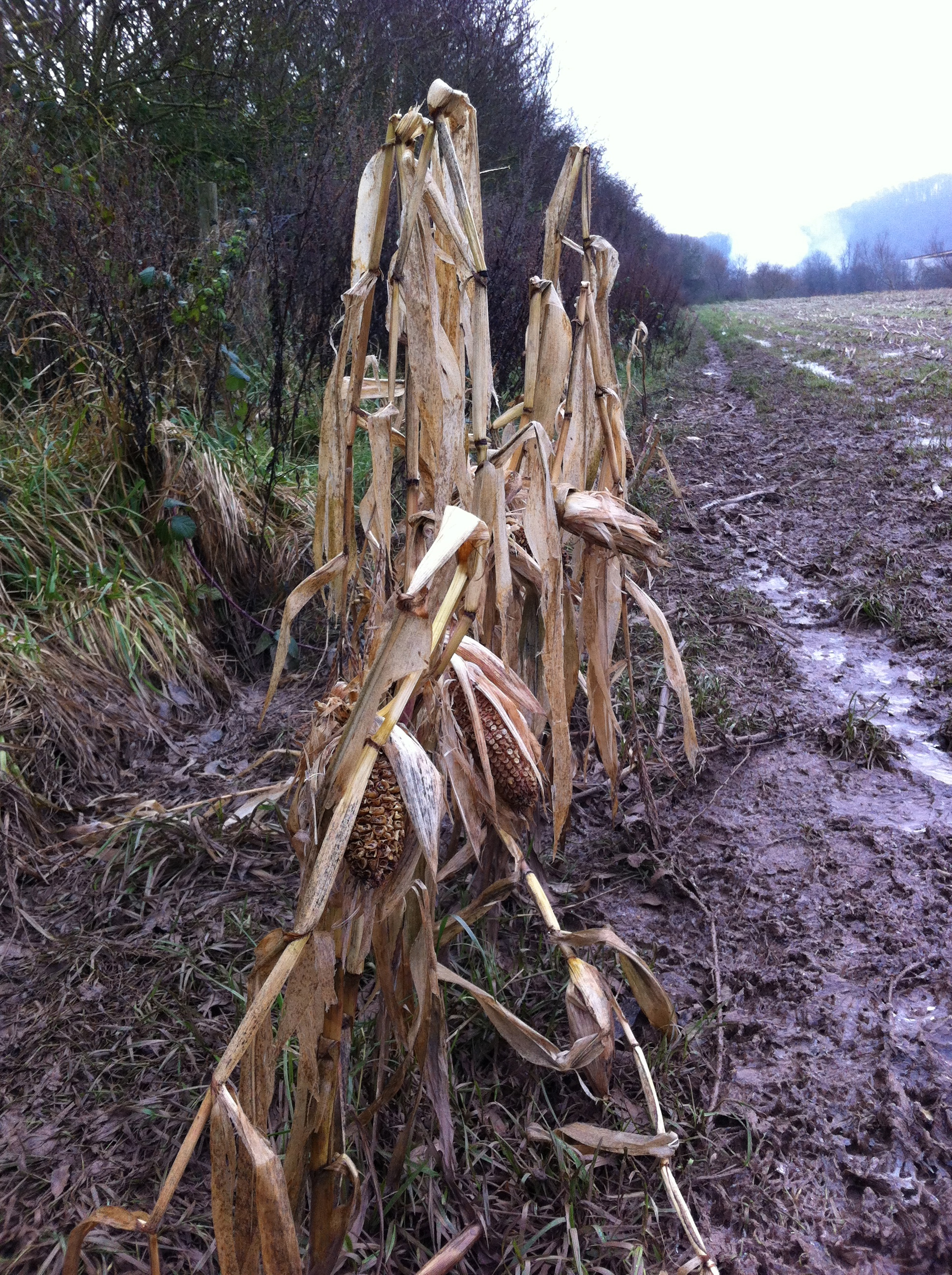
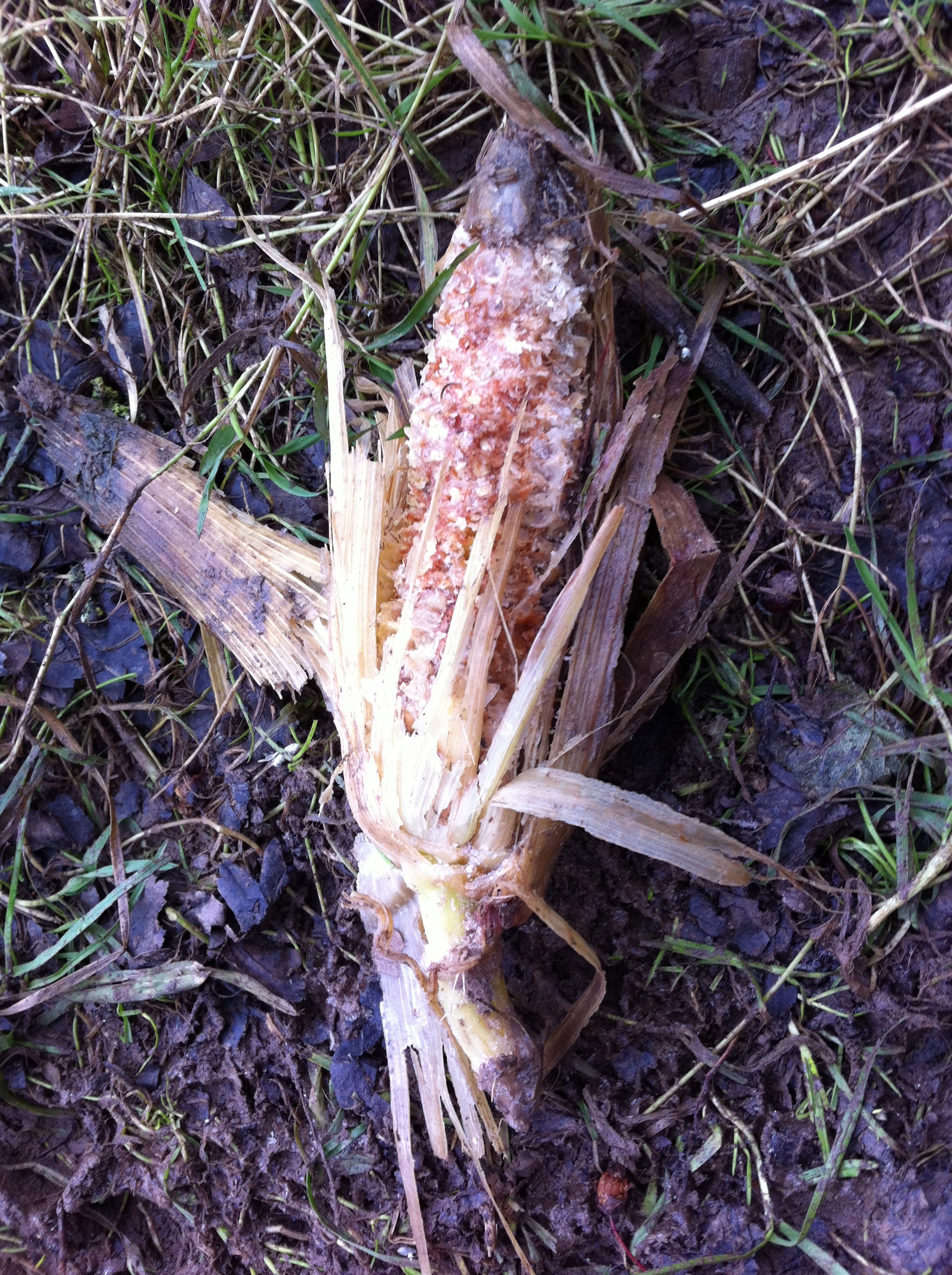
On the way back, in daylight this time, I realise that last night I was walking across a harvested field of corn (maize) next to the river Wye. I am so hungry it makes me wistful for my last supper of popcorn.
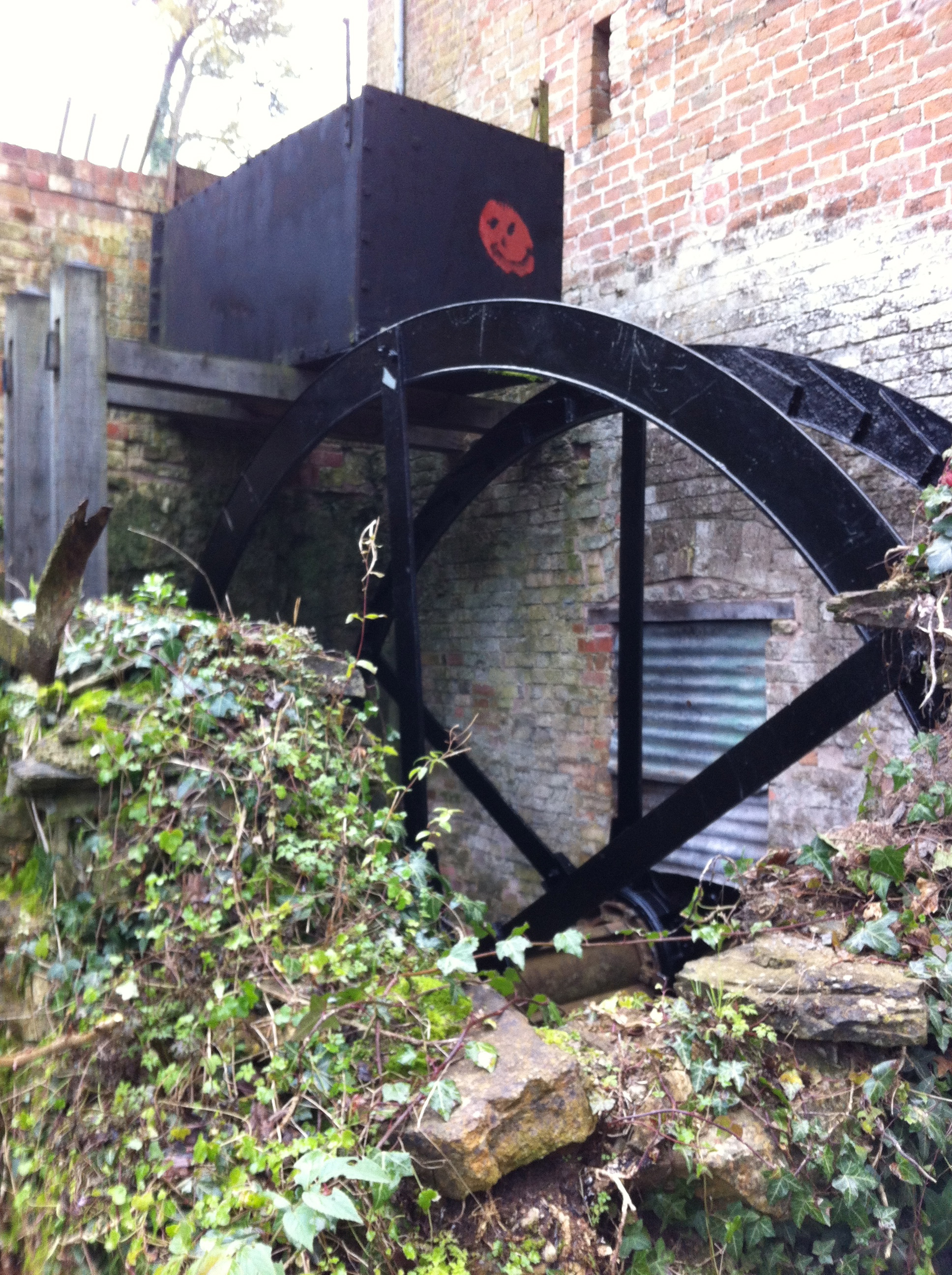
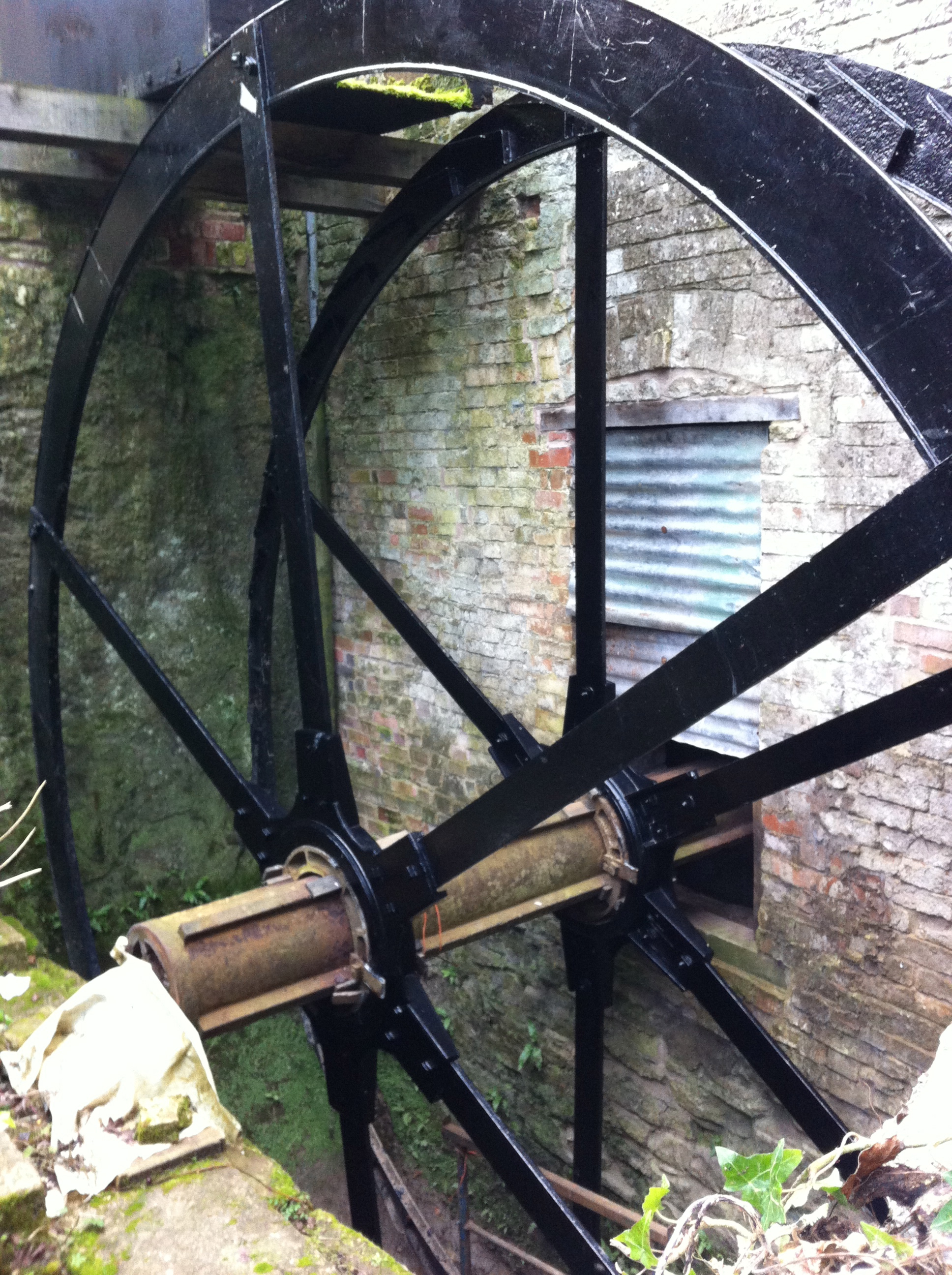
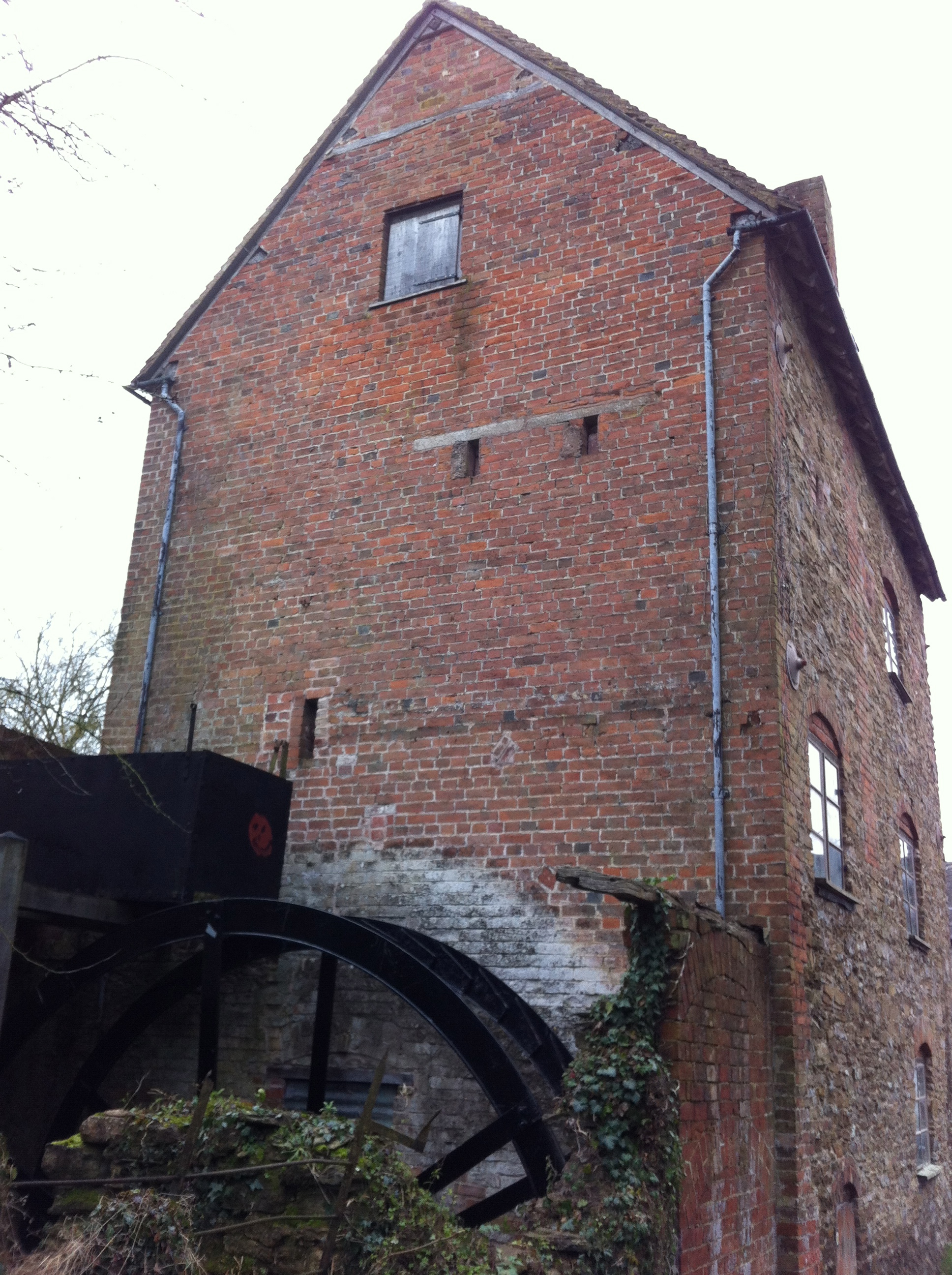
Half a loaf of sourdough loaf comes home with me in my rucksack. My fascination with this walked connection of mill to grain to loaf continues. At Mordiford, I stop to record the sound of the river at the mill
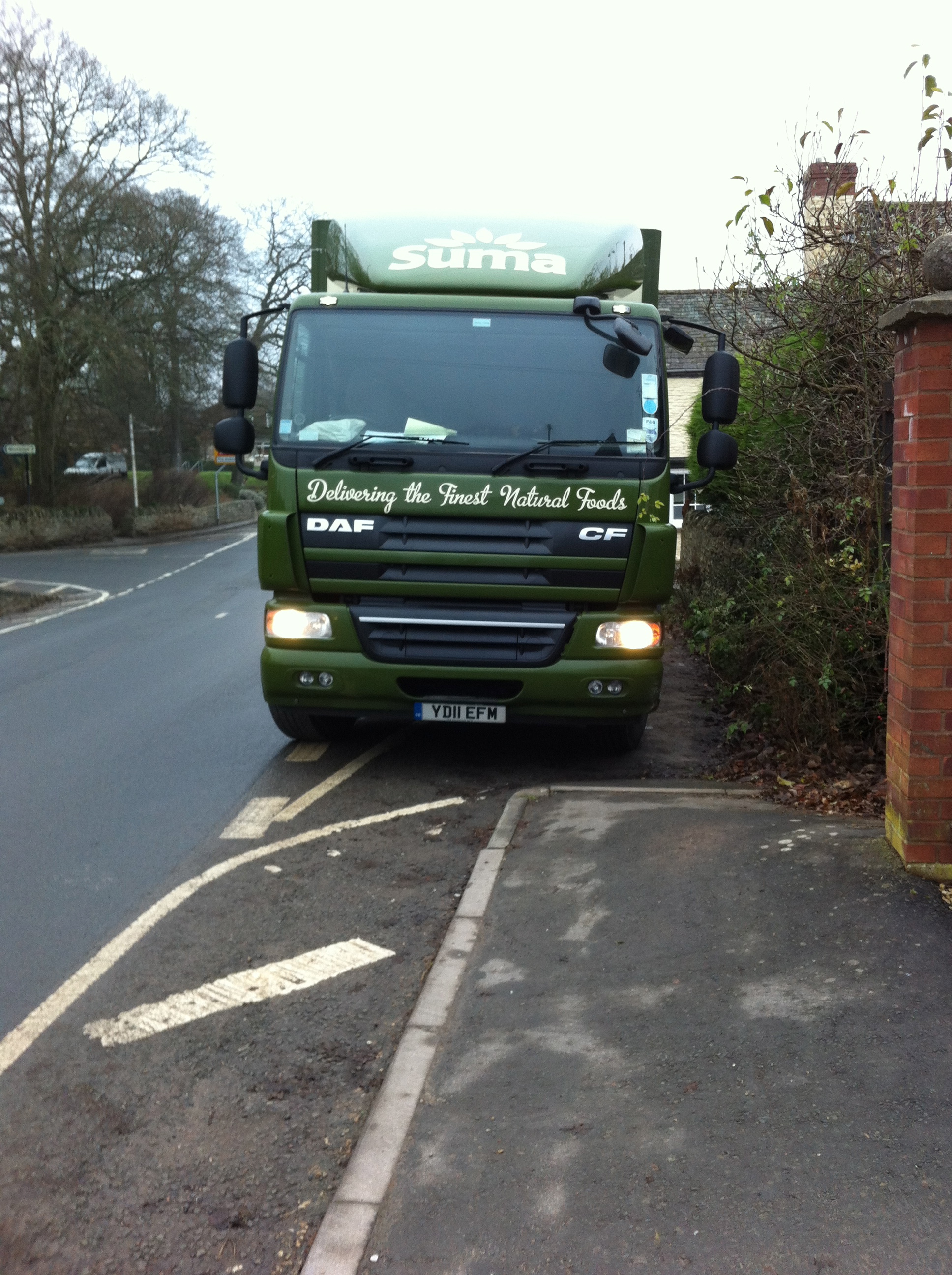
Then returning home through the village, I see a Suma (wholefood cooperative extrordinaire) delivery van and look longingly inside as I pass. I can’t believe I’m suddenly fantastising about food miles…
My knapsack full of sourdough
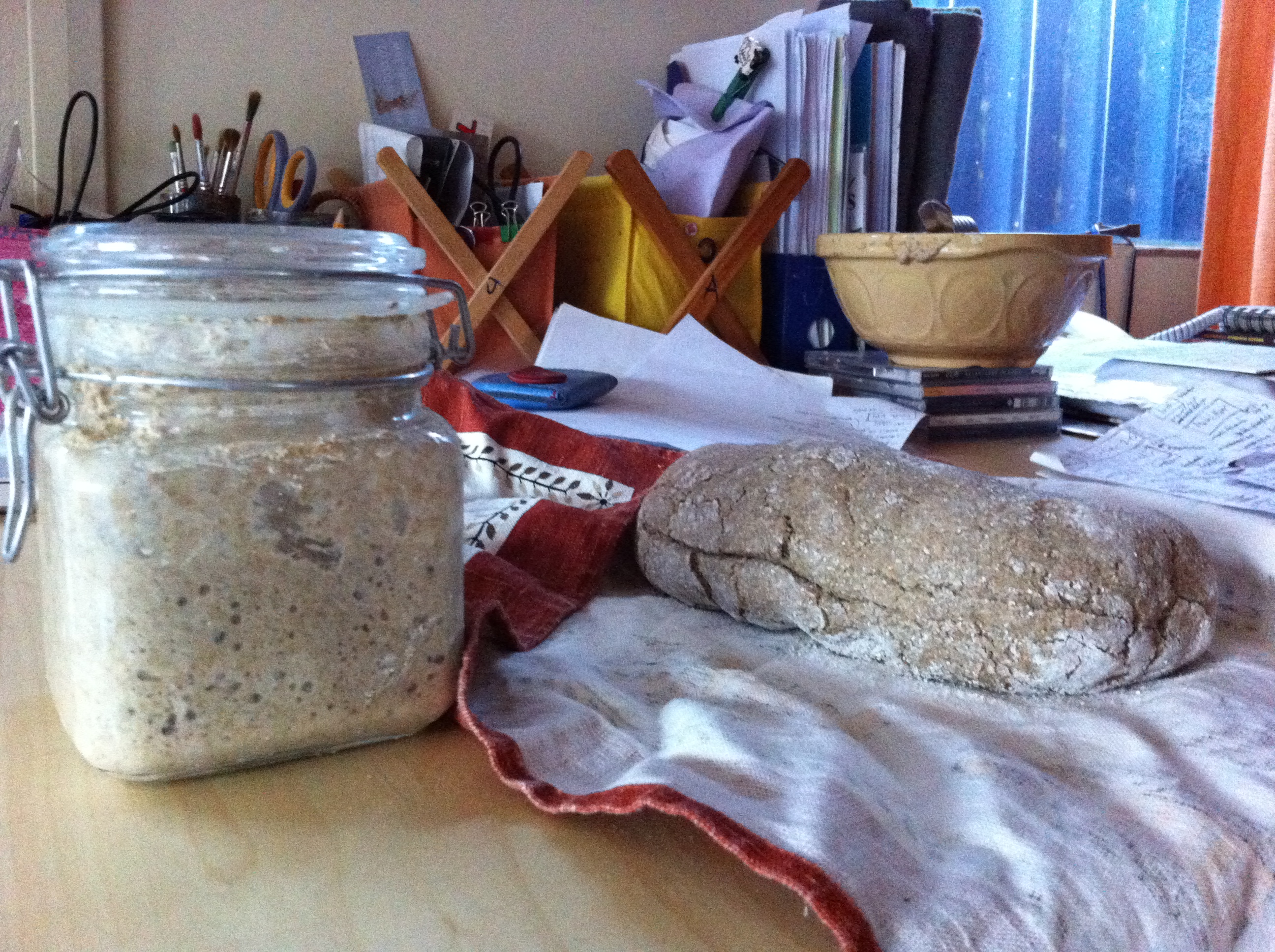
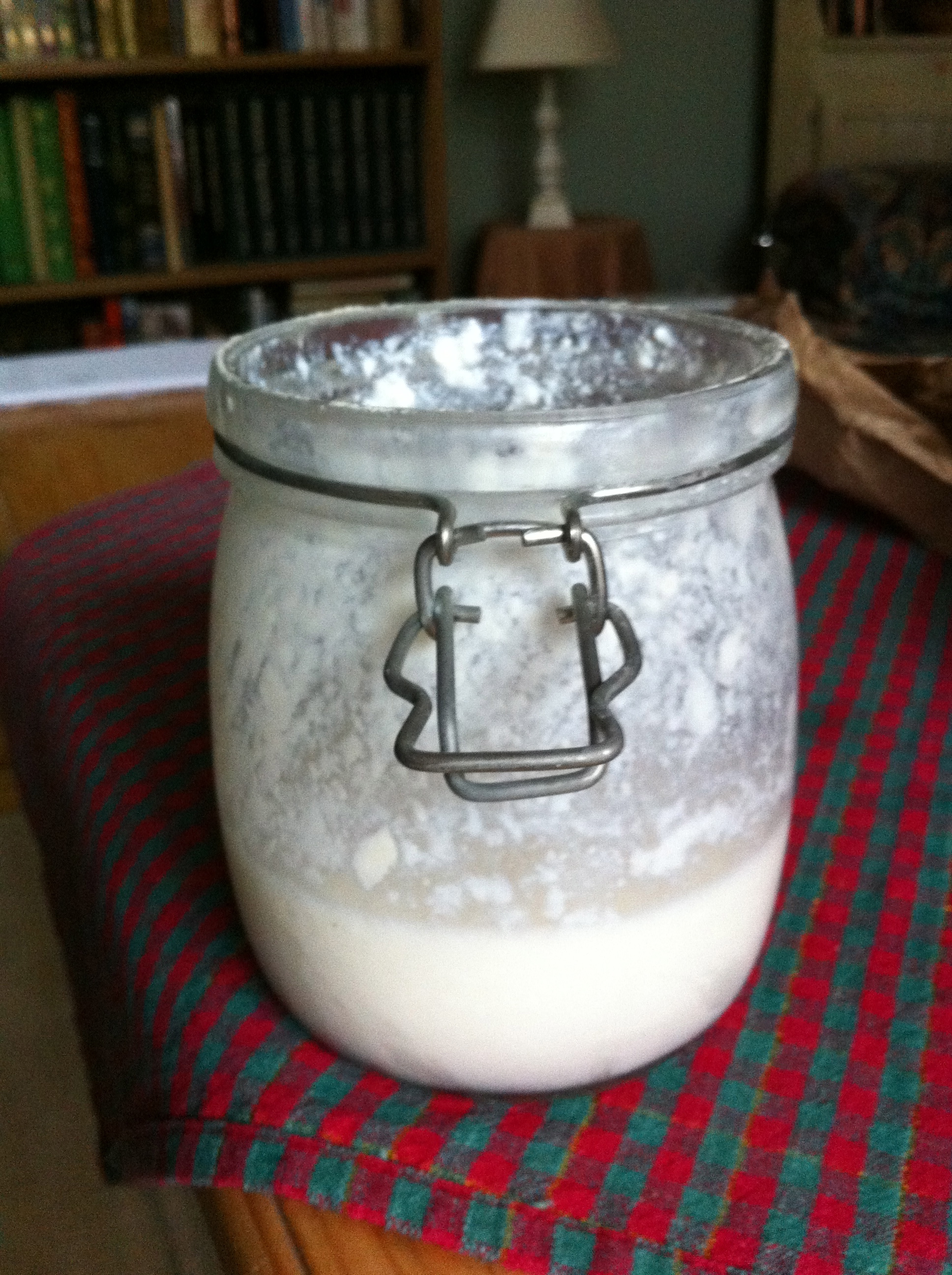
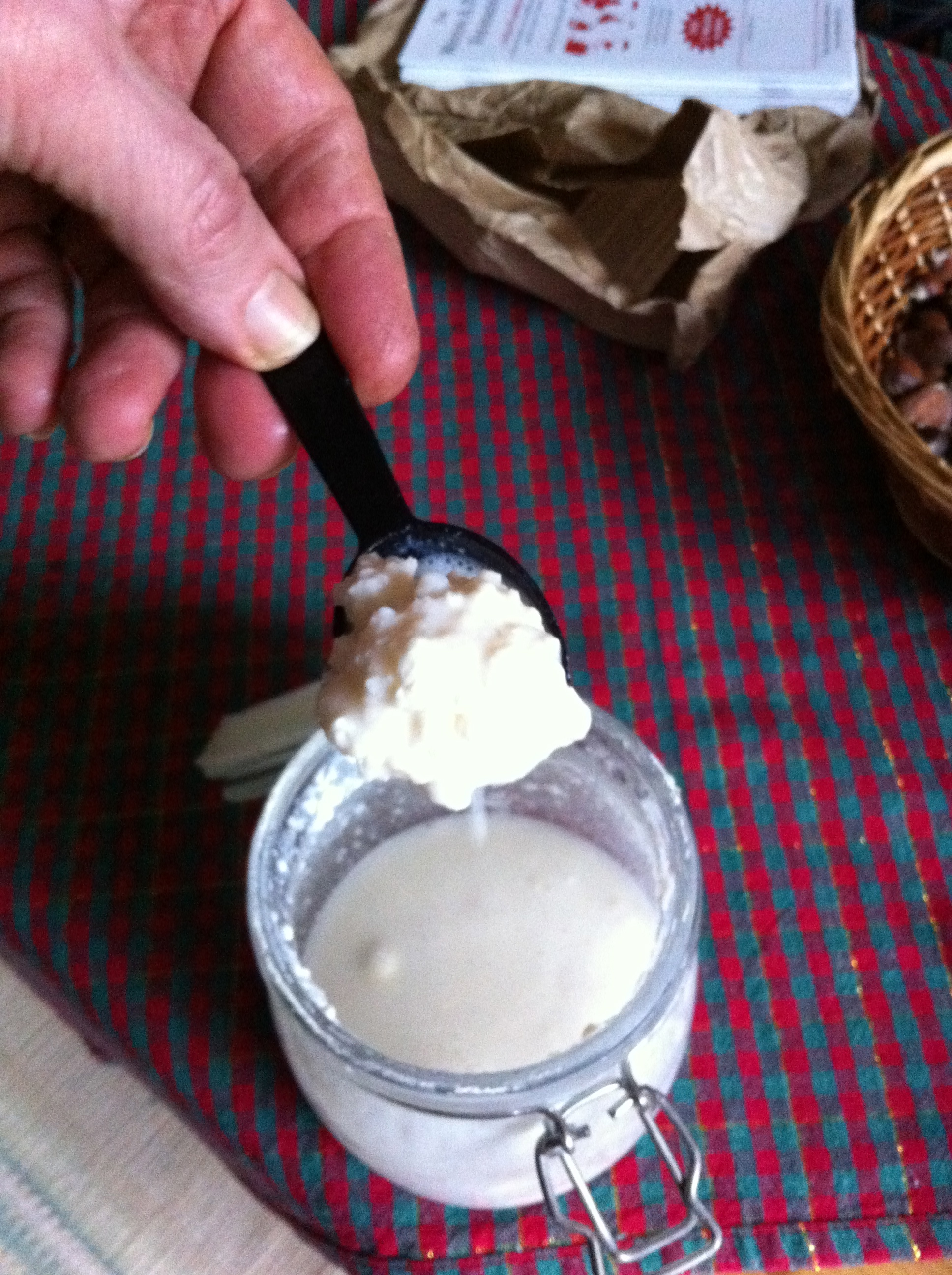
The rye sourdough leaven gifted to me by Gail Sayce on Saturday is refreshed and ready! The yeast – naturally occurring on rye grains – is busy bubbling away. This means I can make proper, leavened bread.
I follow Dan Lepard’s 100% sourdough recipe from The Handmade Loaf (2004, p. 31), making a gelatinised rye mix from hot water and rye flour, whisked into 200g of the leaven and then forming a dense dough by adding more dry rye flour (no salt). I roll it into a baton as instructed before, too late, I realise it won’t fit in my pot. So I turn it into a crab.
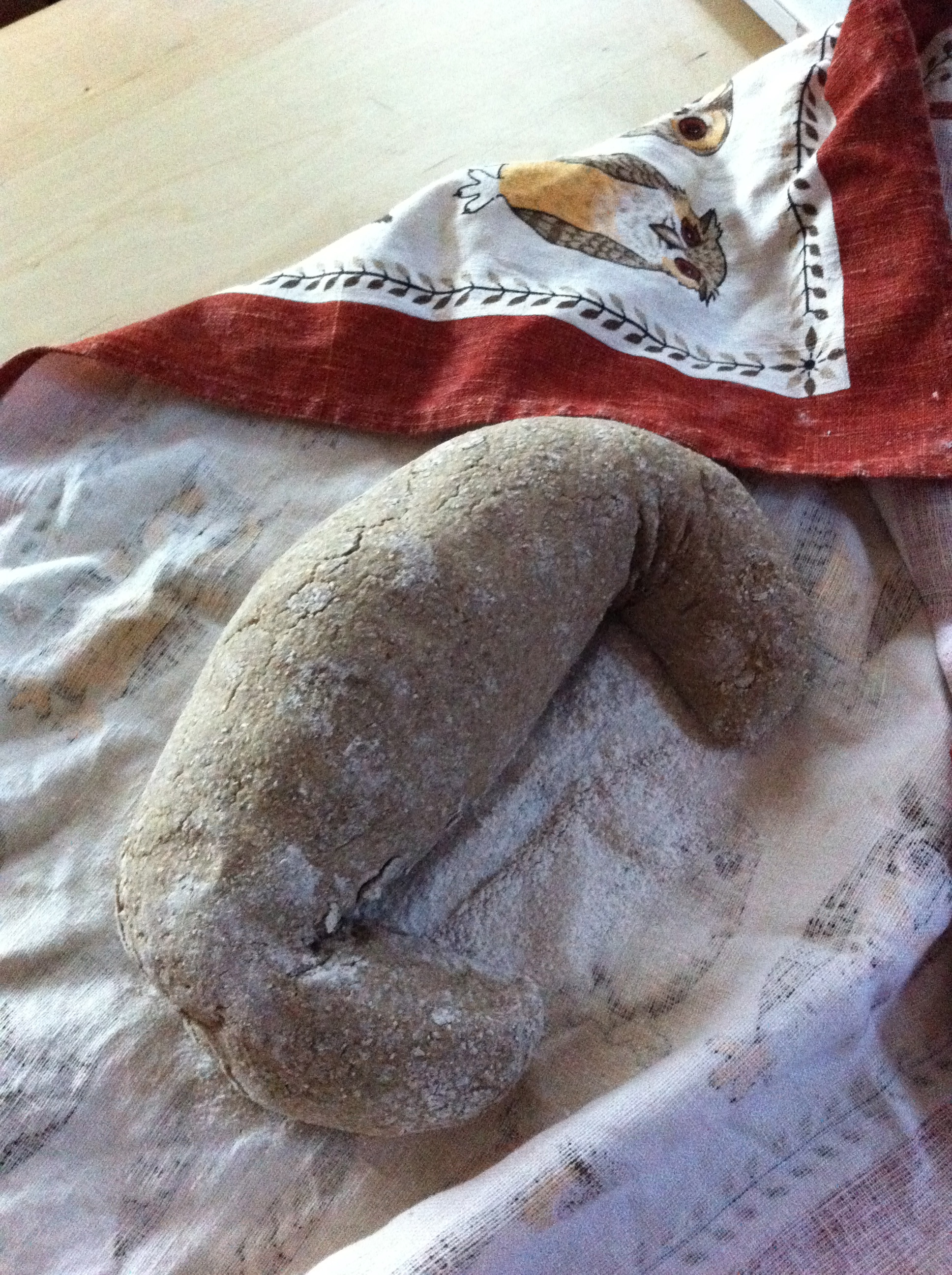
I then realise it’s meant to rise for 5 hours. Disaster! My walk of today is 8 miles into Hereford this evening to visit friends, so I won’t have time to let it rise and cook it on the burner. Then I realise I can take it with me. So, some hours later, I swaddle up the still-rising dough like a baby (crab) and put it in my rucksack, packed against my back for warmth. Then I walk through a cloudless, moonless gloaming which becomes proper, full-blown, dark, subzero night at Mordiford along the Wye Valley Walk into Hereford: along the stank with the Lugg invisibly rushing to my right and then, crossing at Hampton Bishop. The dough-baby-crab arrives looking somewhat premature: a bit grey and not quite well-risen. We bake it in Lucia’s kitchen and I eat my first leavened bread.
There is initial excitement when we think that I can have it with her homemade damson jam because the fruit is from a nearby farm at Martley. Thankful for the deliciousness, it goes on the dry and somewhat unsuccessful bread until 11-year-old Esme comes home and asks, with uniquely youthful attention to the rule of the game: ‘But what about the sugar?’
Oops.
But it’s good to know that I’m making other people think about where their food comes from.


 All in a Day's Walk