All in a Day's Walk
A month-long slow food walking performanceArchive for walking
Little green shoots of change
A walk through the morning to Hoarwithy, where I’ve arranged to interview Sally Dean and Rob Elliott, who run the appropriately sub-titled ‘Real Food’ B&B Aspen House [which has since closed, in 2015].
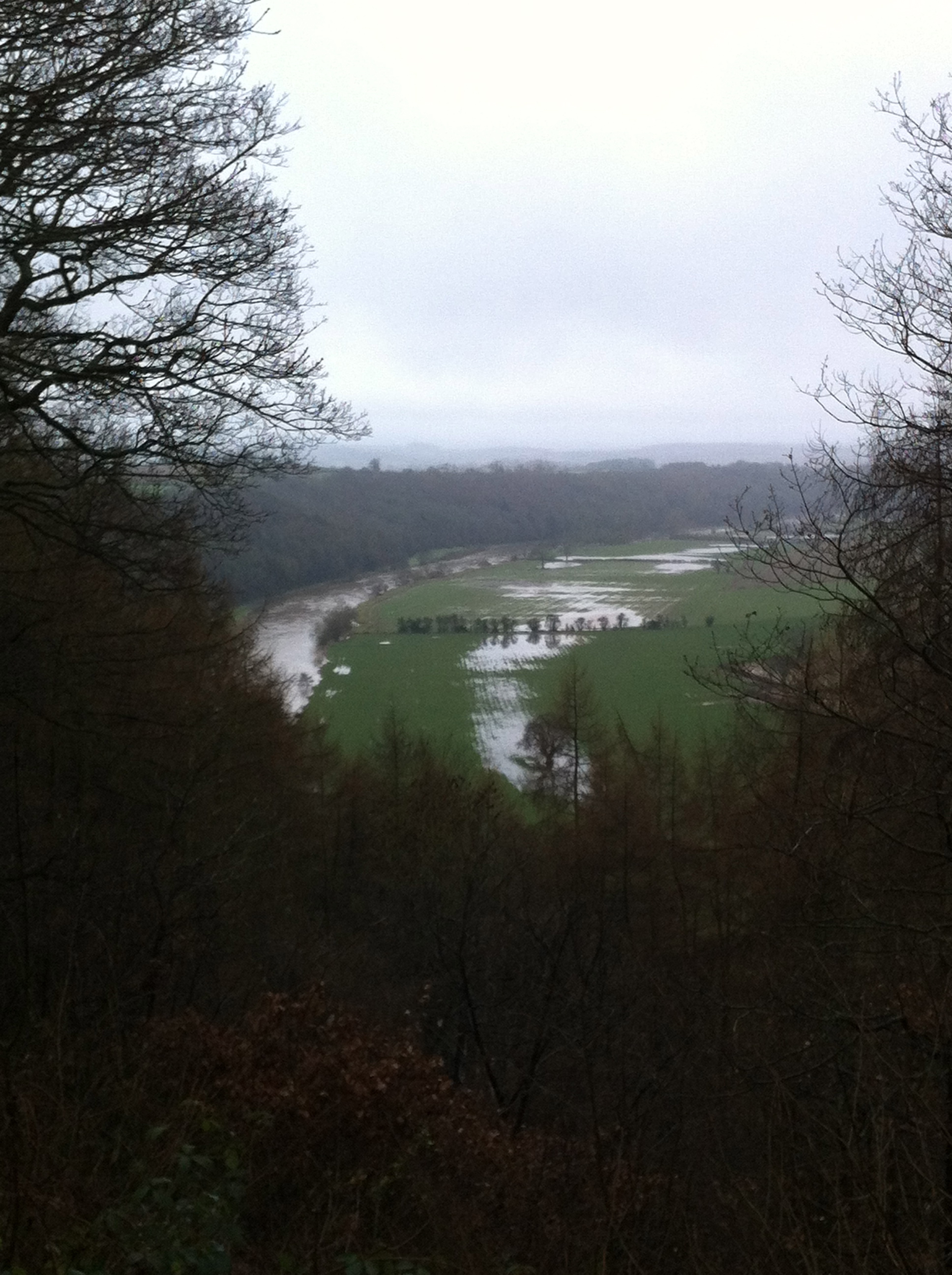
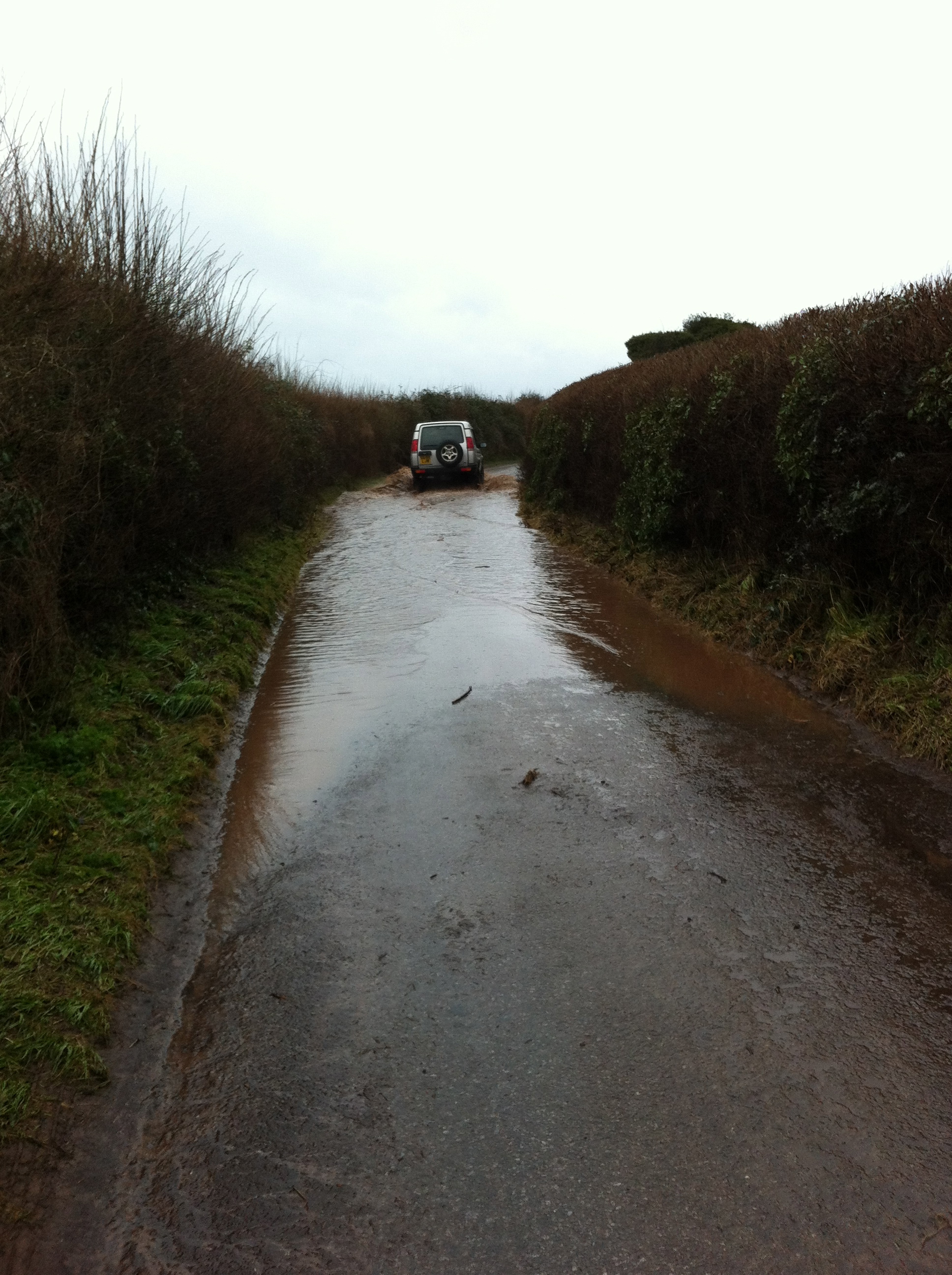
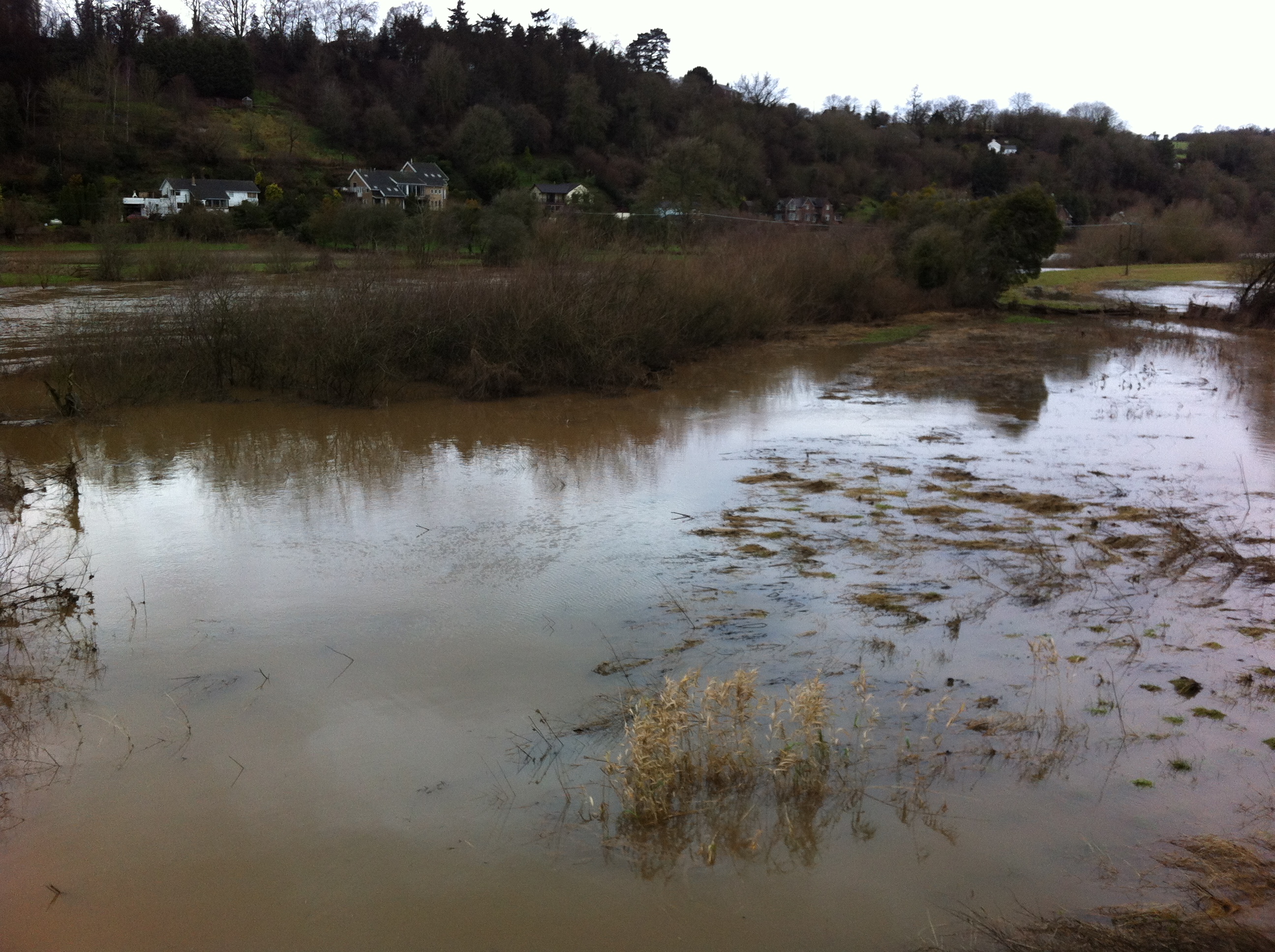
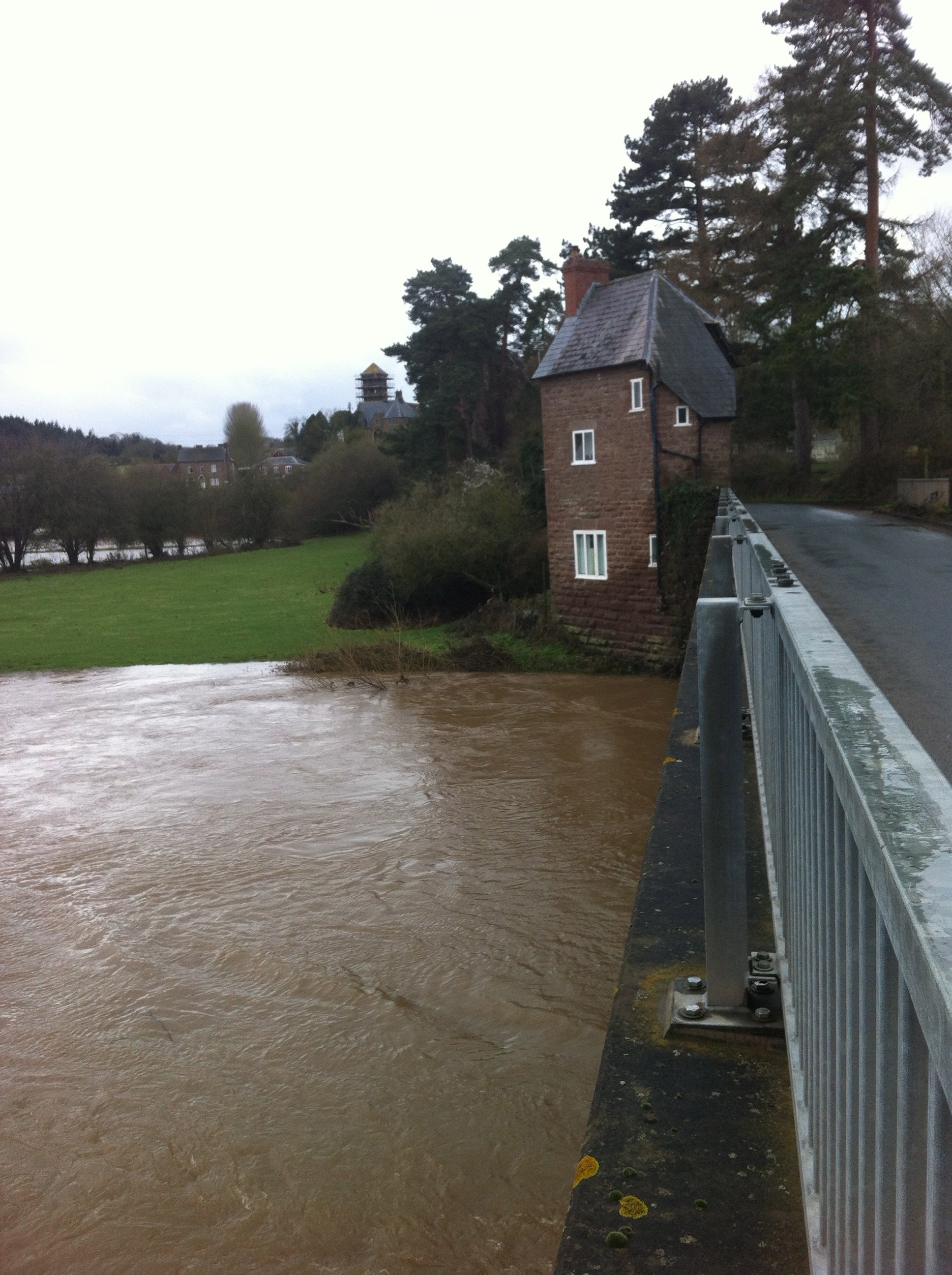
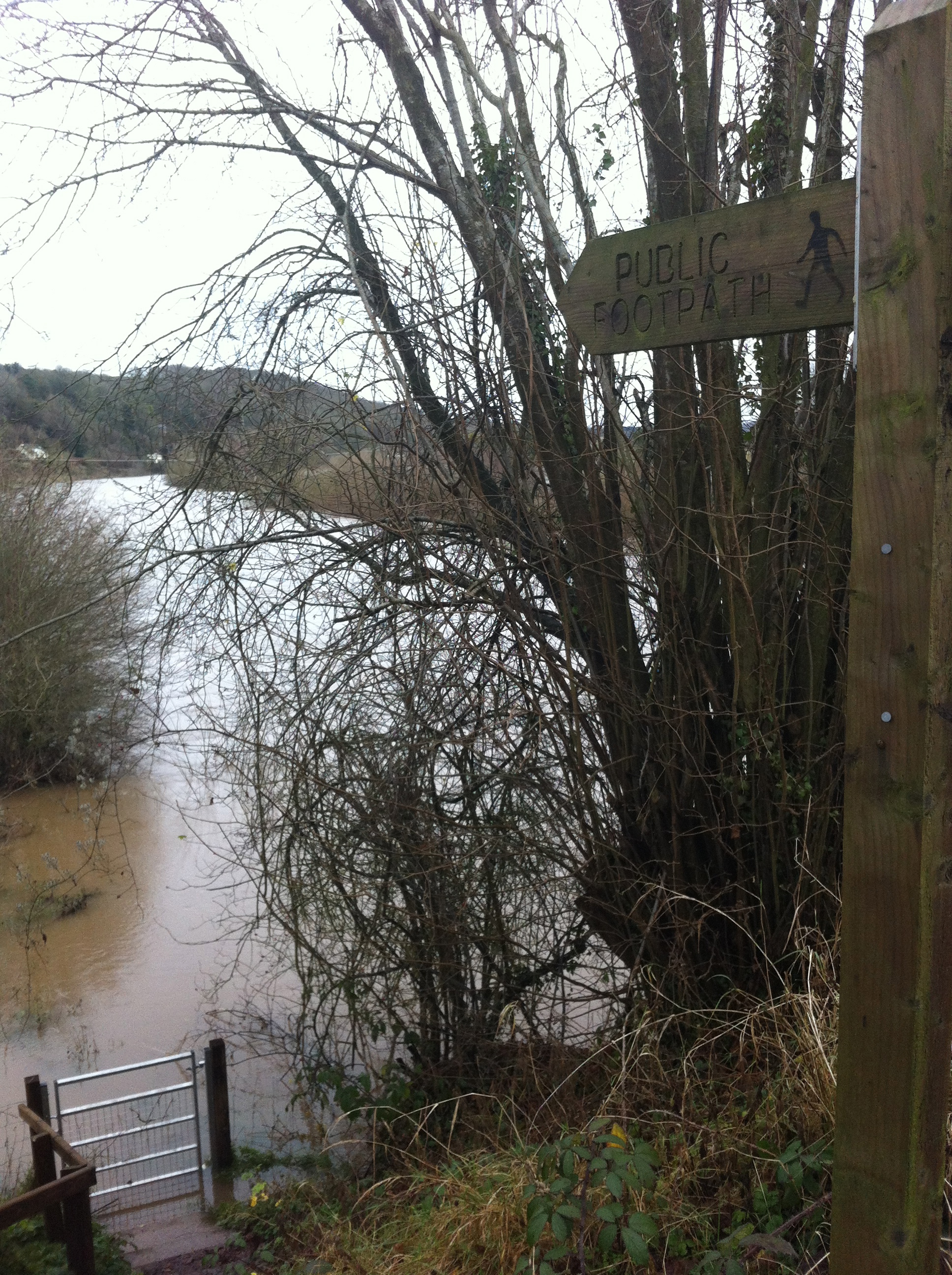
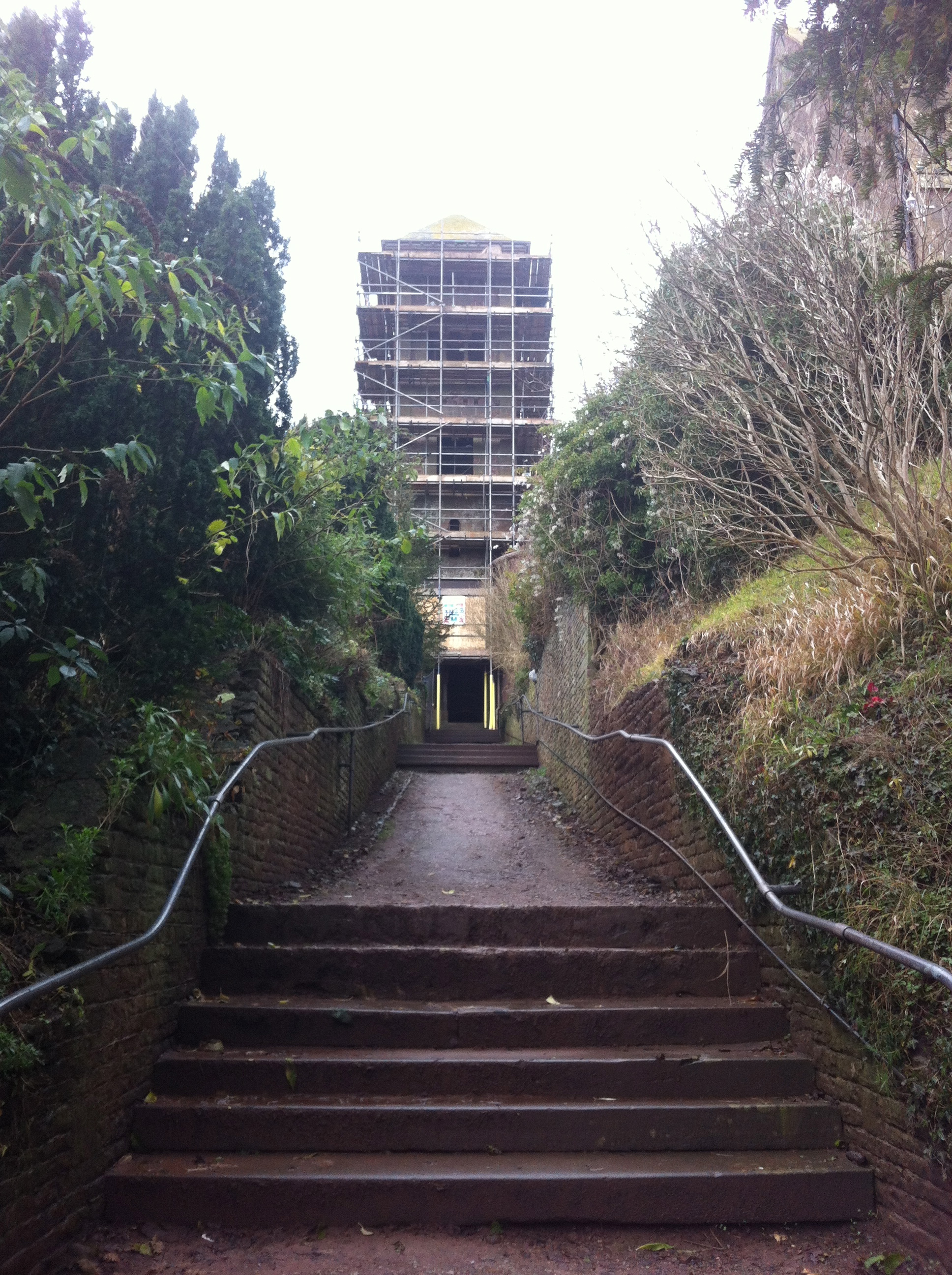
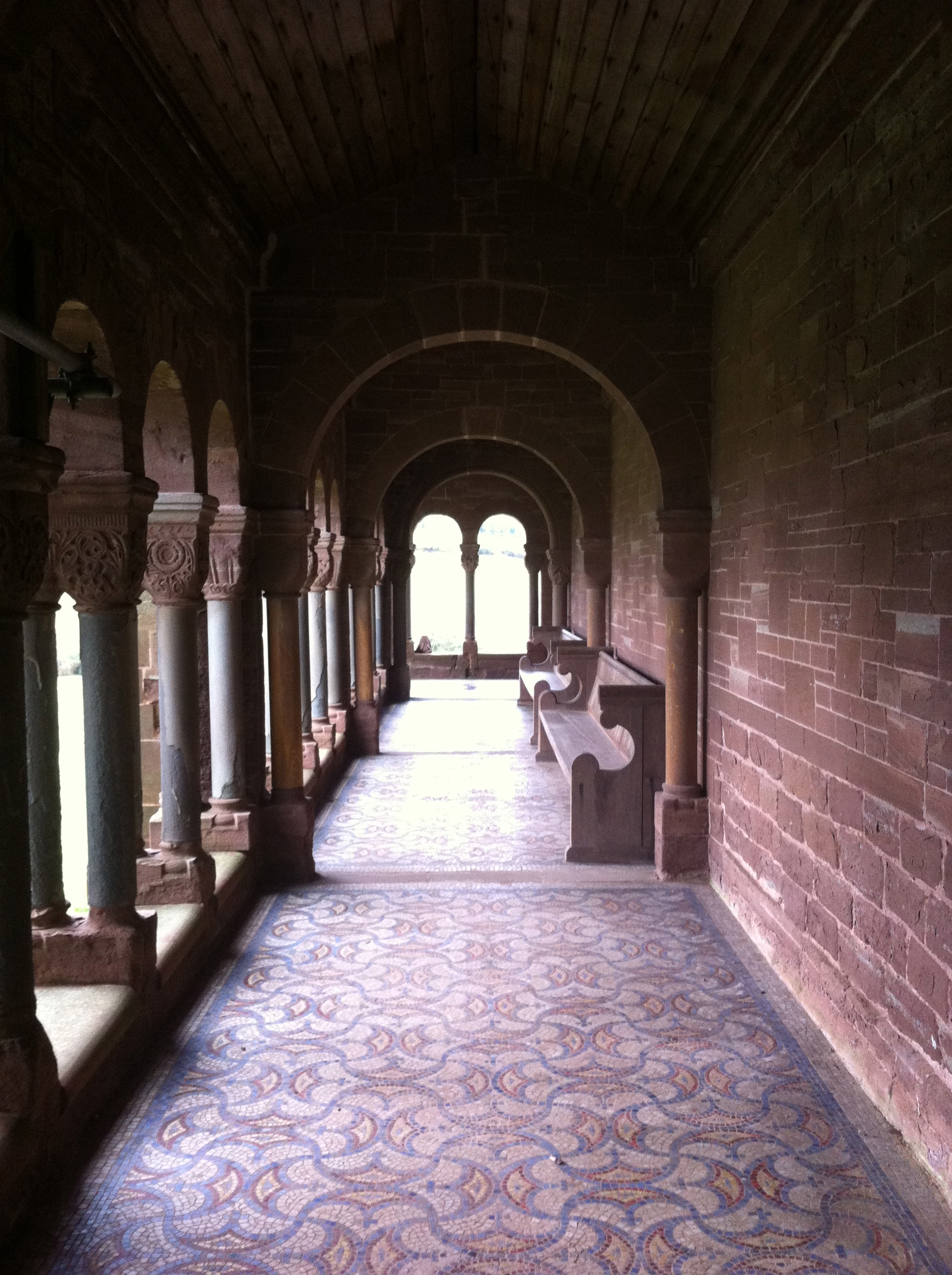
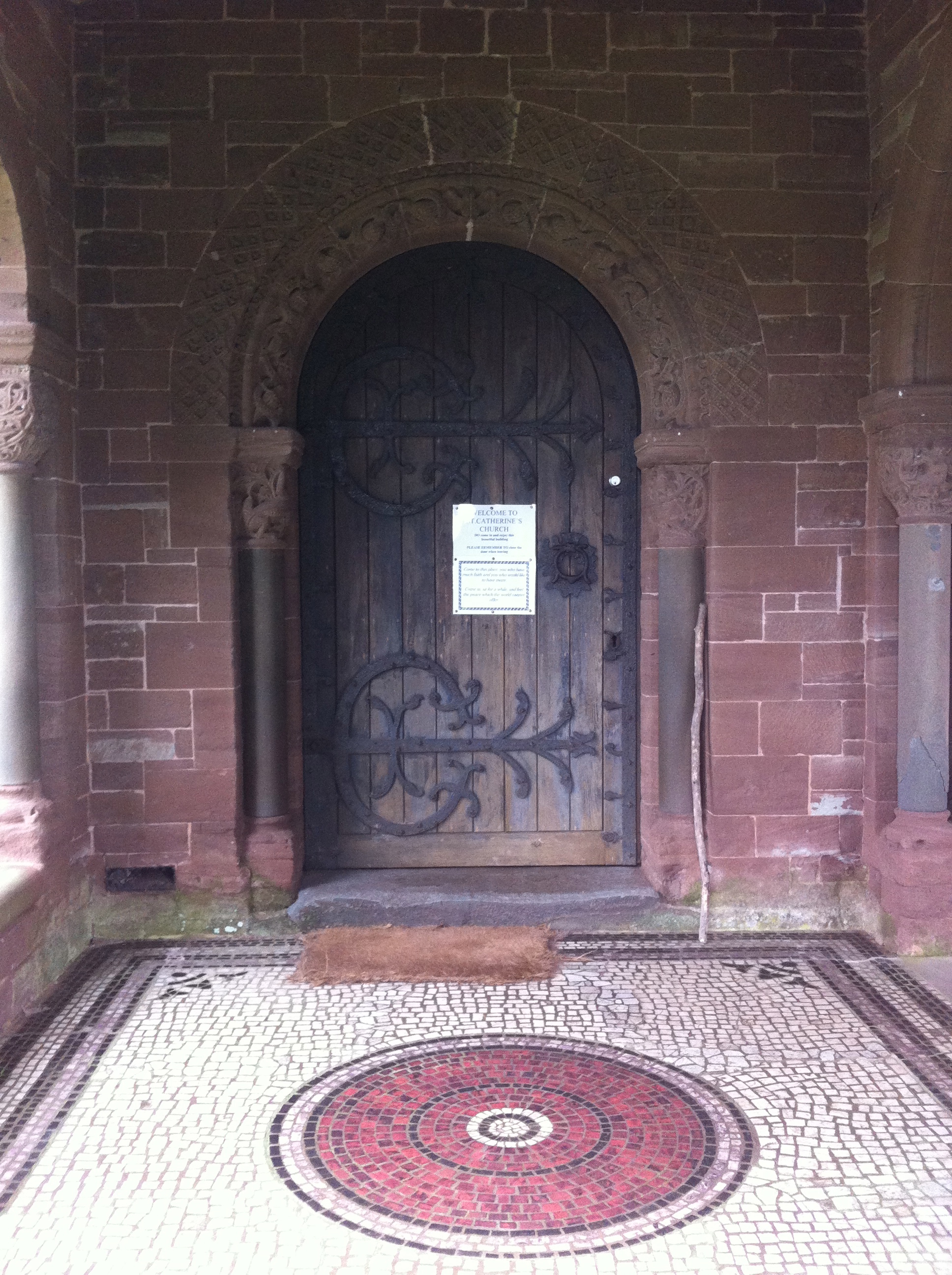
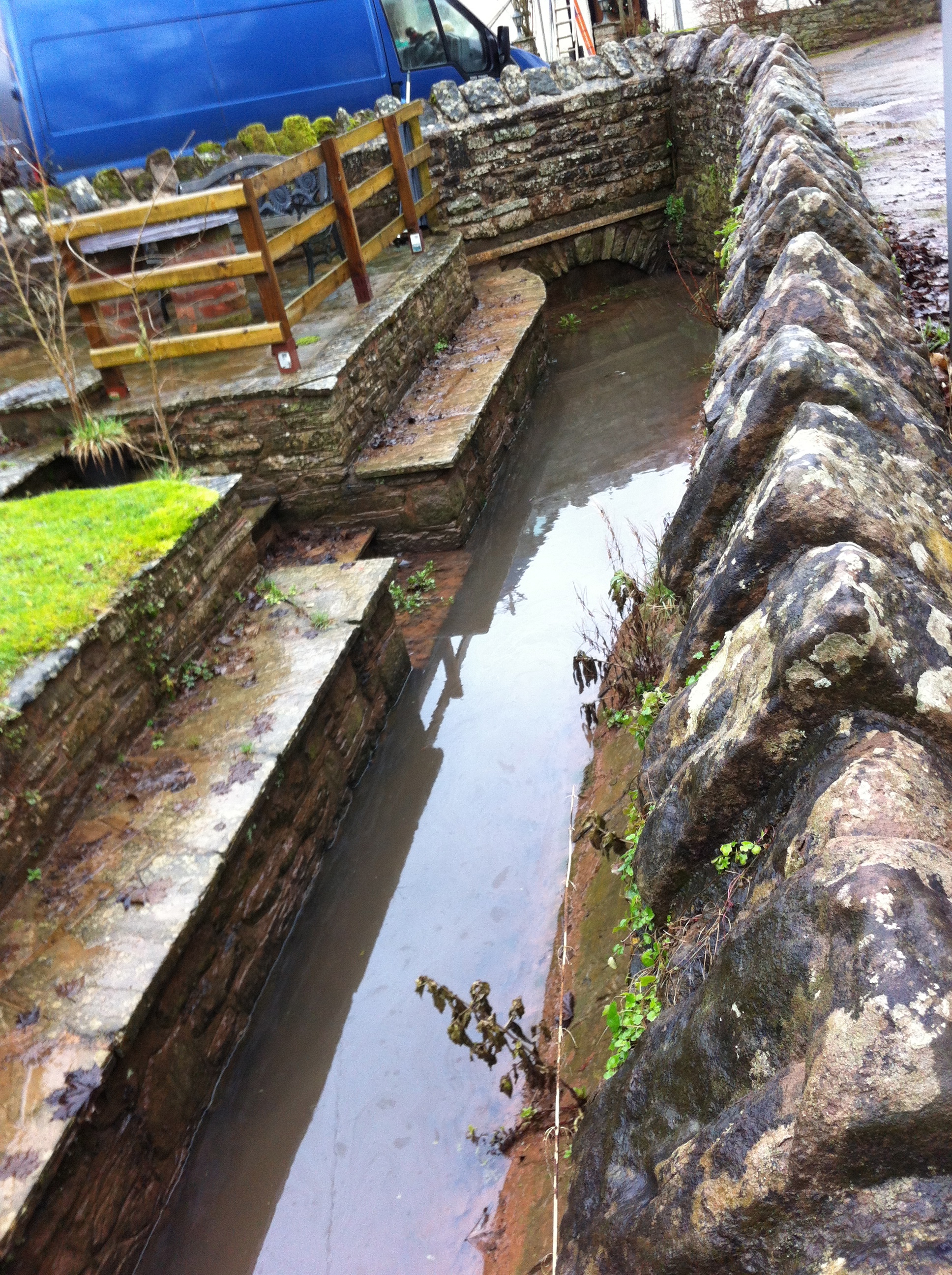
I walk over Capler Camp and through Brockhampton, hemmed in by high hedges, passing polytunnels (which Gareth talked much about), puddles and floods and being passed by the four-wheel drive convoys of the pheasant shoot… I stop to record the racehorses on the gallops at Aramstone (a racing yard) Audio Track: Aramstone gallops and later (because I’m earlier than expected for our meeting) to record the flooded wye forcing its way under the bridge at Hoarwithy Audio Track: River Wye (in spate) at Hoarwithy bridge. Then I visit the remarkable (and unexpected in this small village) Italianate church, before heading down the road to Aspen House.
Sally and Rob are more than ‘just’ B&B proprietors: they are passionate advocates (and activists) for local, seasonal, ‘real’ food. Sally, a nutritionist, is also local chapter leader for the Weston A. Price foundation (an organisation organic dairy farmer Will Edwards also spoke passionately about). Rob is a writer (The Food Maze and How to Eat… Like There’s No Tomorrow) and blogger. Both are extremely knowledgedgable about nutrition, local infrastructure, farming, growing and how our rural eating-living needs to work in order to be sustainable and just as well as genuinely nutritious. They are hugely inspiring and uncompromising in how they live and their desire to communicate what they do to as many people as possible. We have intense, wide-ranging discussions which I’ve edited only a selection of highlights below, as they are both best represented in their own, articulate words:
Audio Track: Sally and Rob on the importance of slowing down: slow food and slow cooking
Audio Track: Sally and Rob on meat and balanced food production
Audio Track: Sally and Rob on localised food infrastructure
Audio Track: Sally and Rob on local food activism: ‘little green shoots’ of change
A huge thank you to them for their time and sharing their knowledge so passionately..
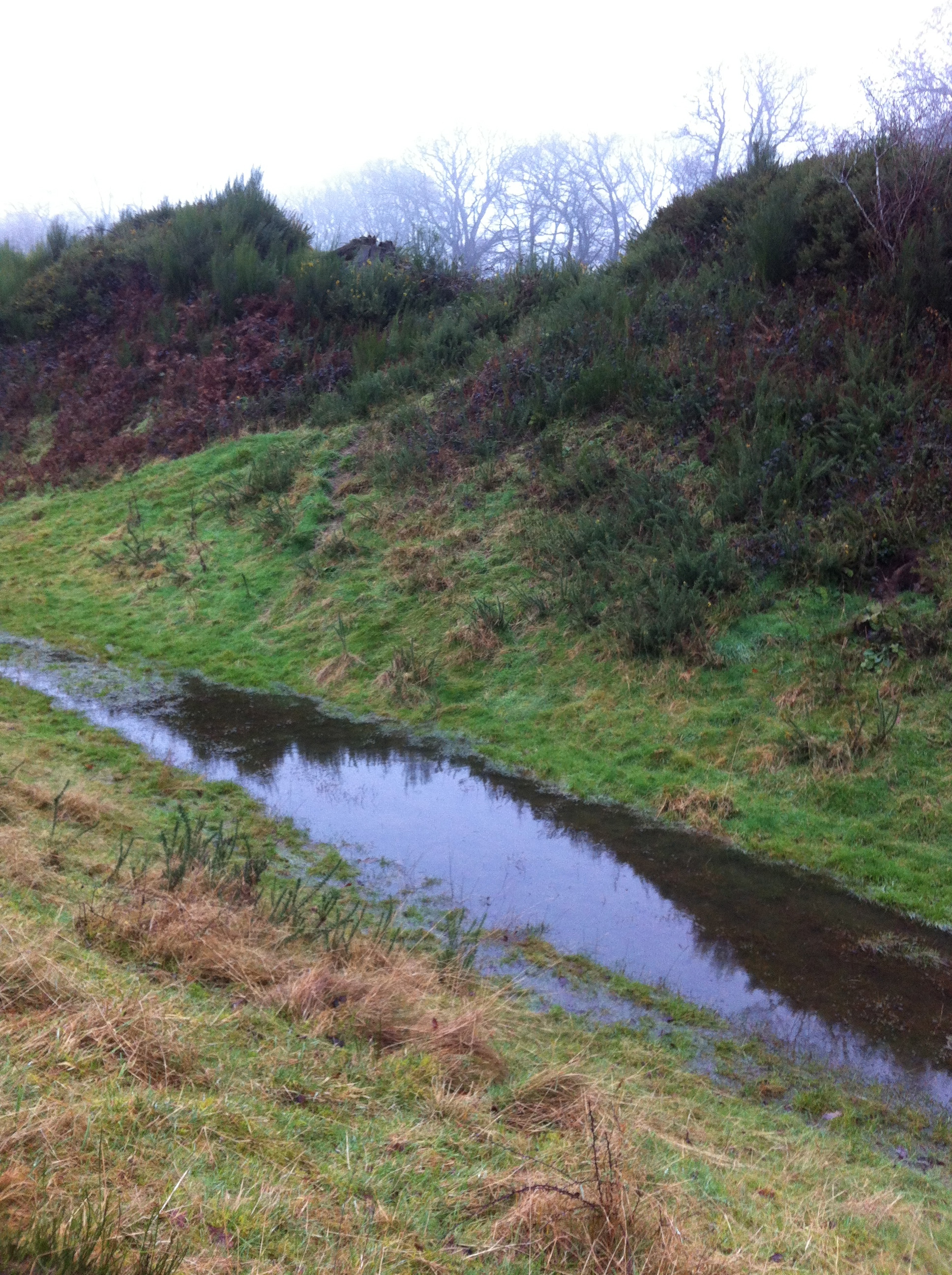
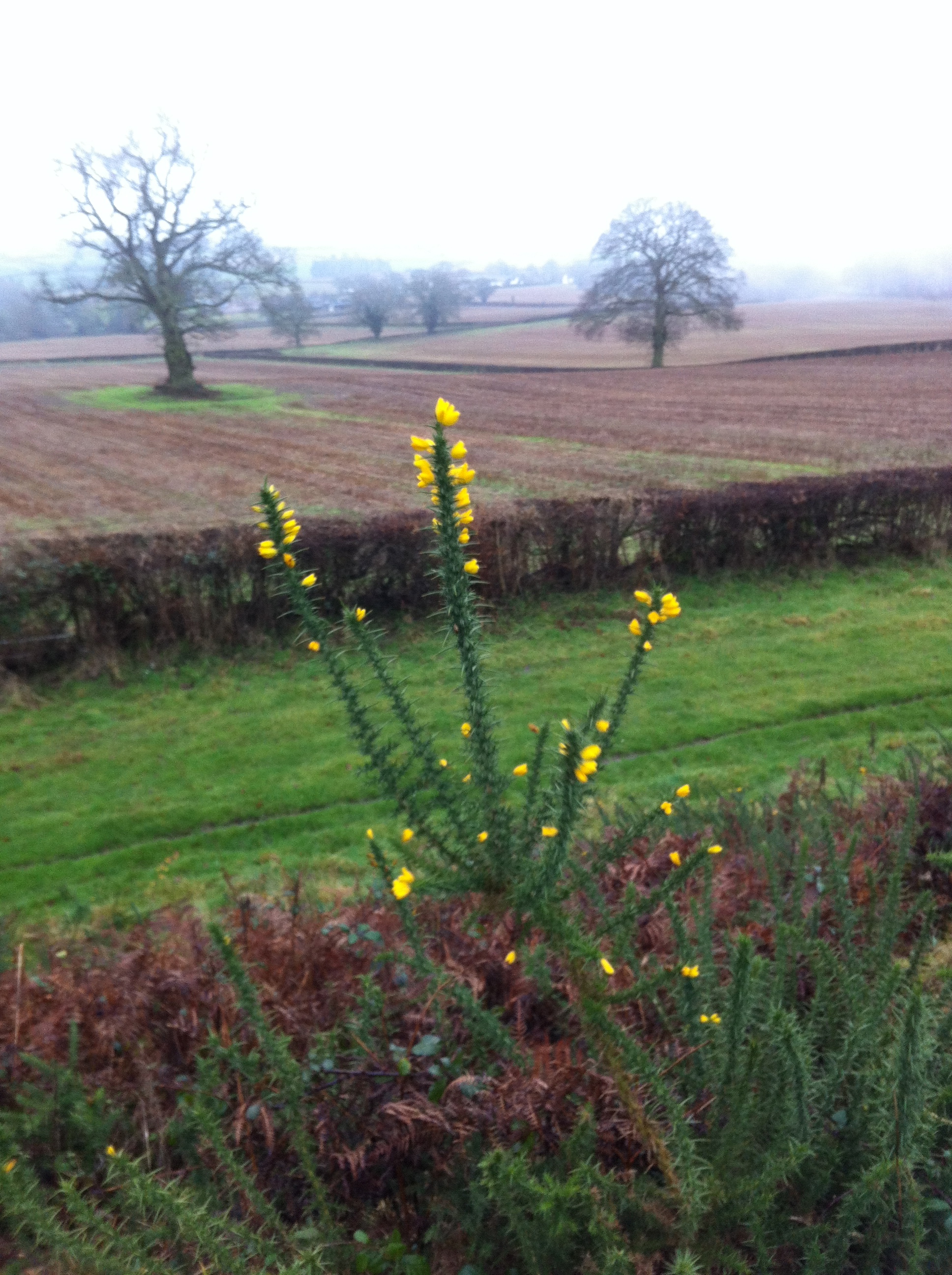
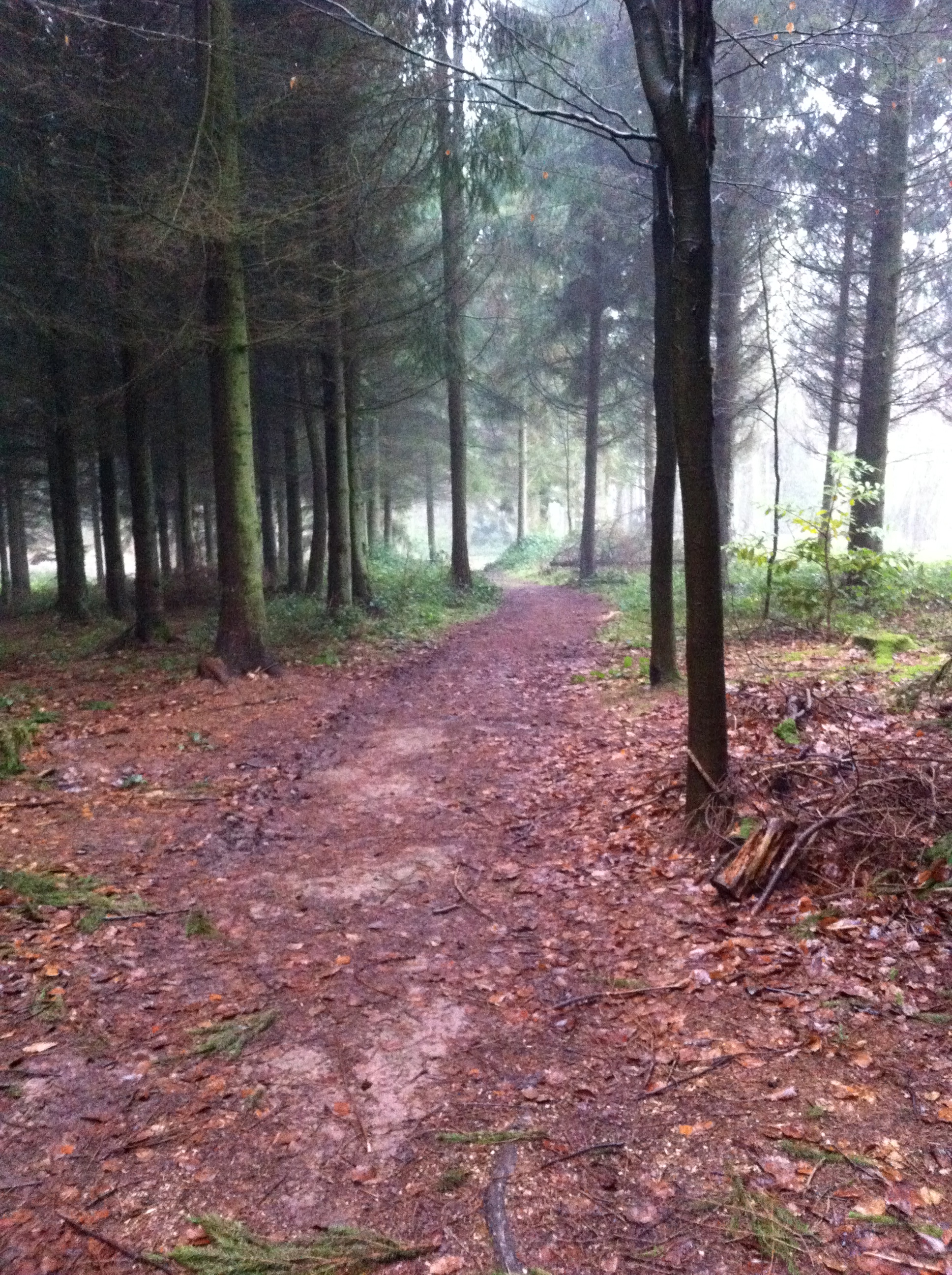



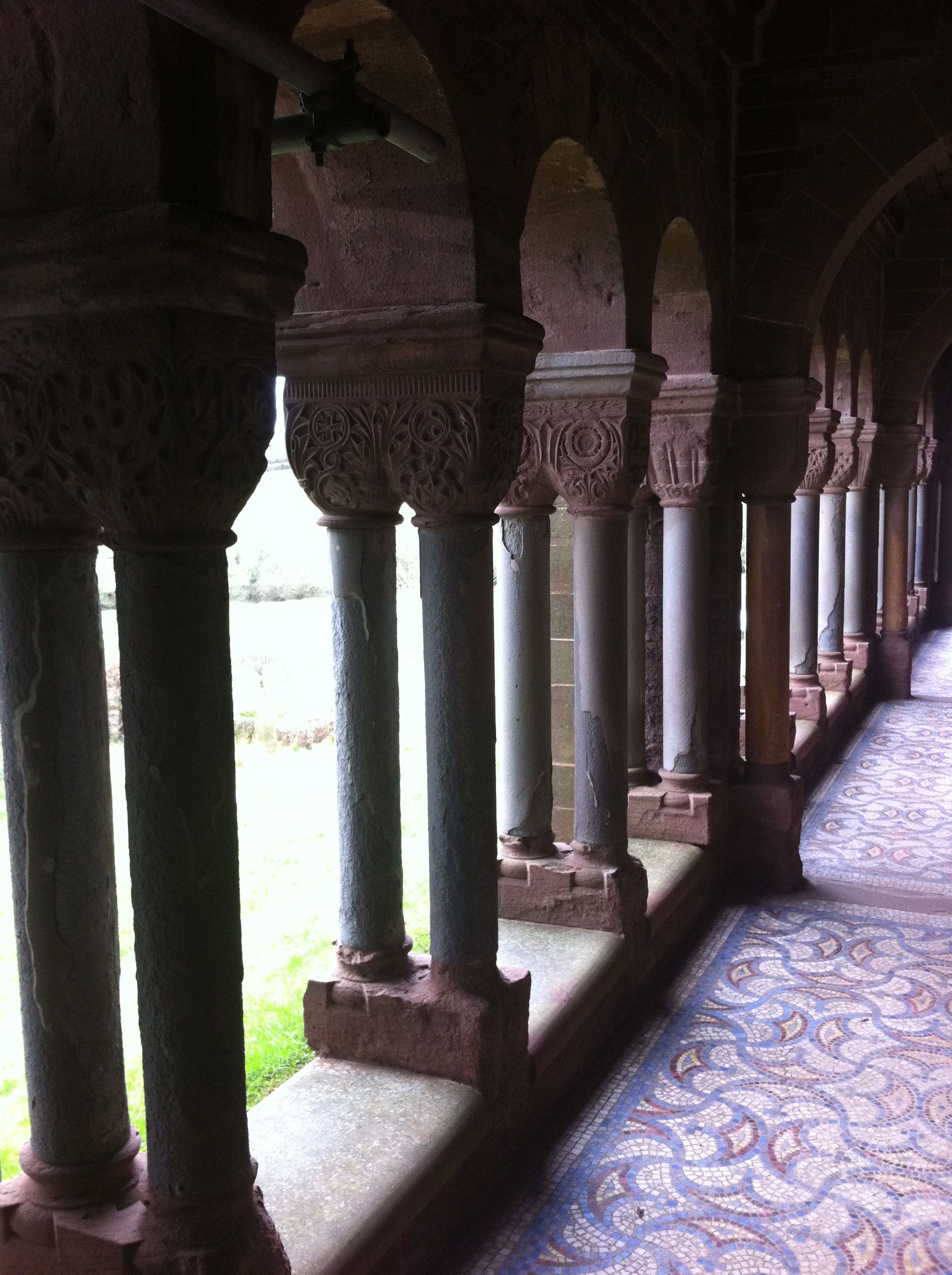
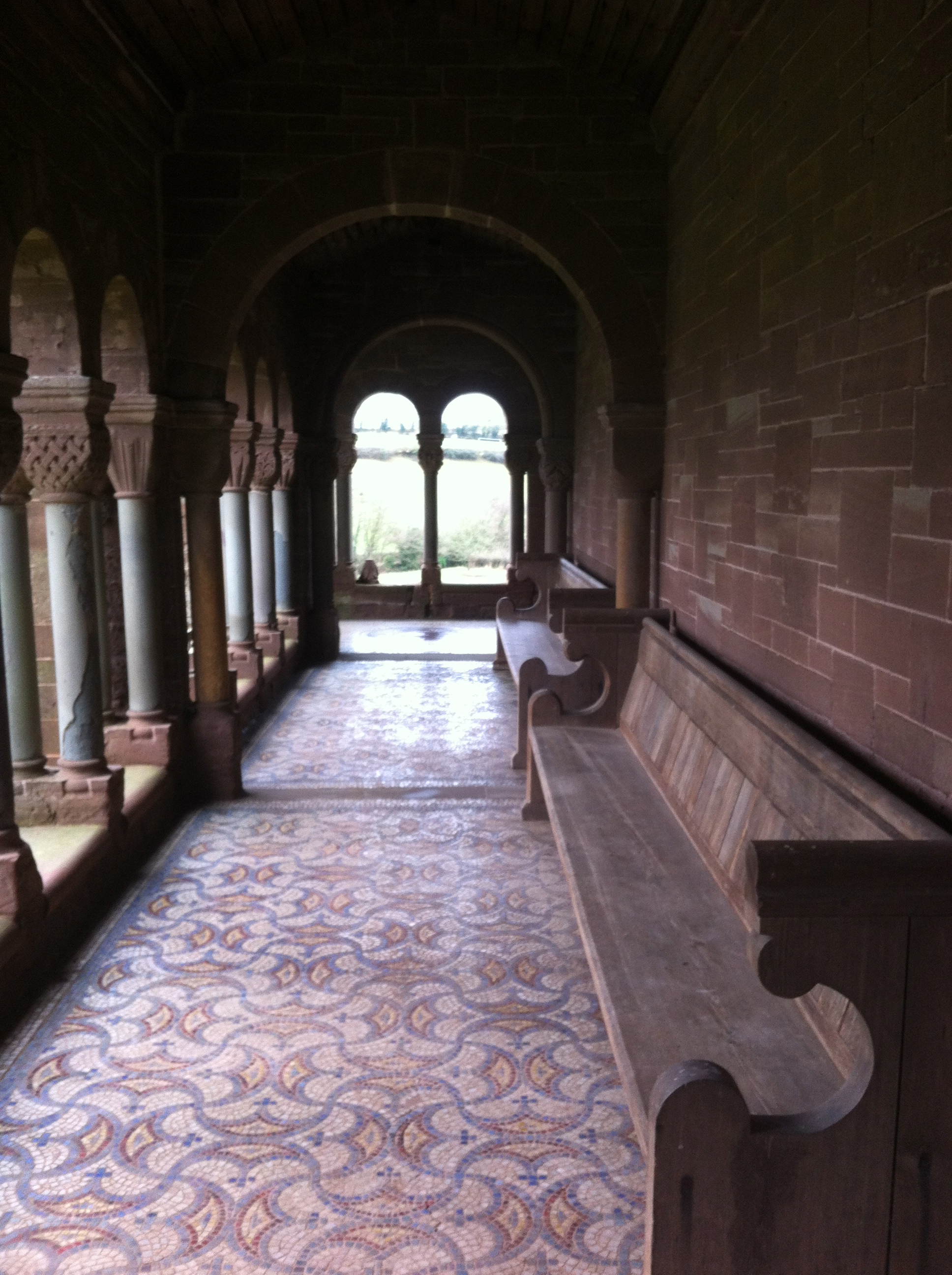
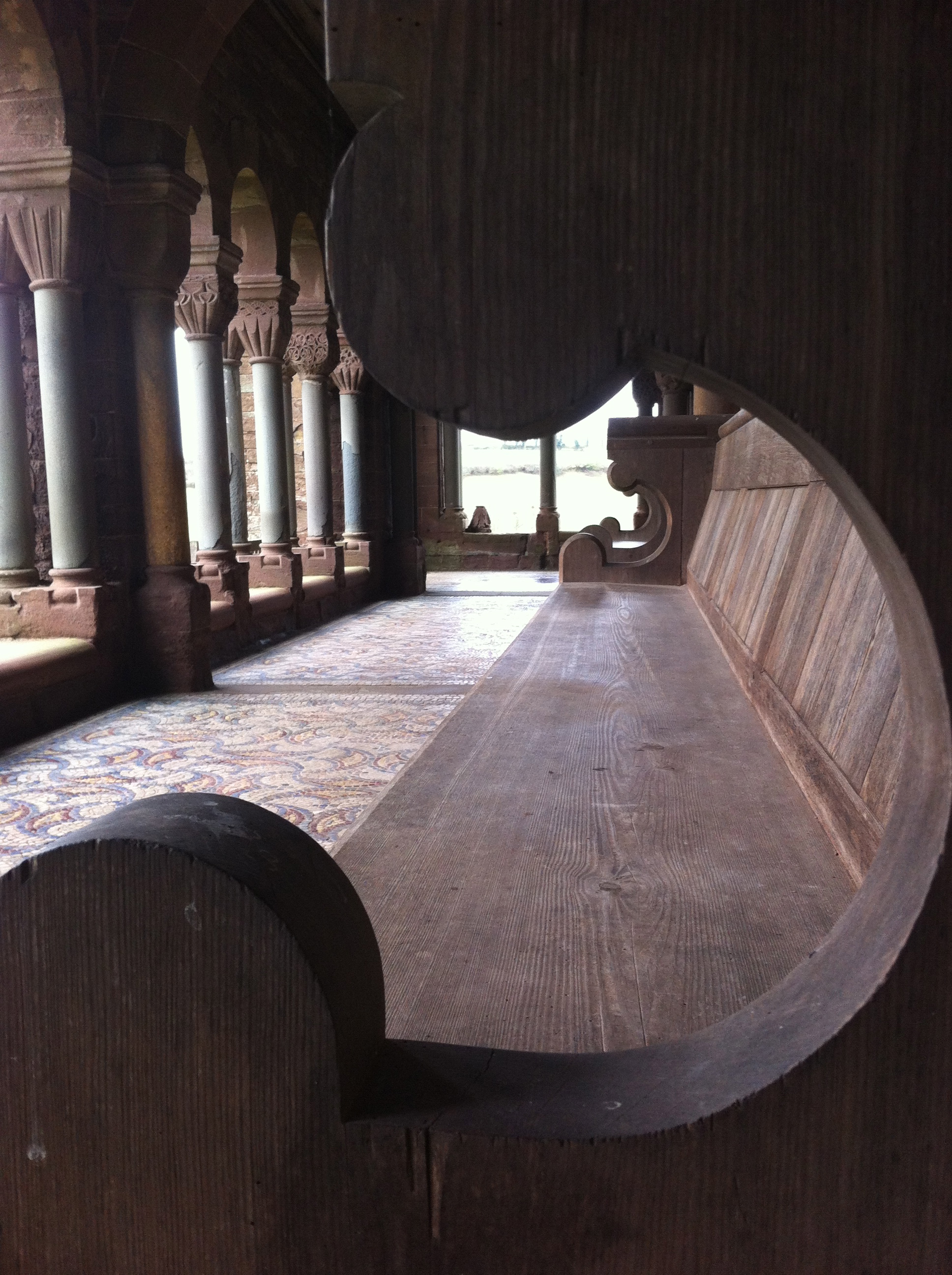
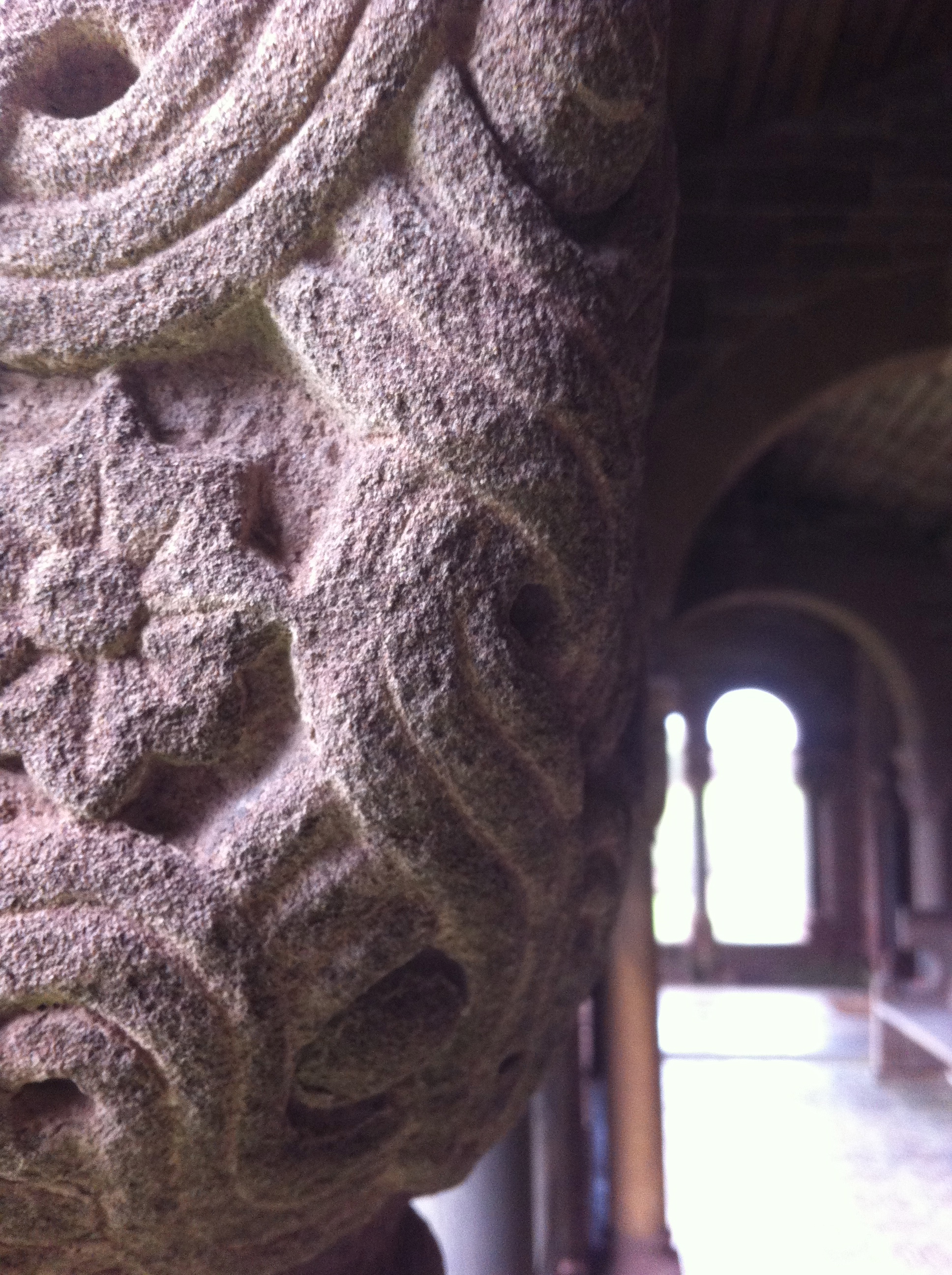
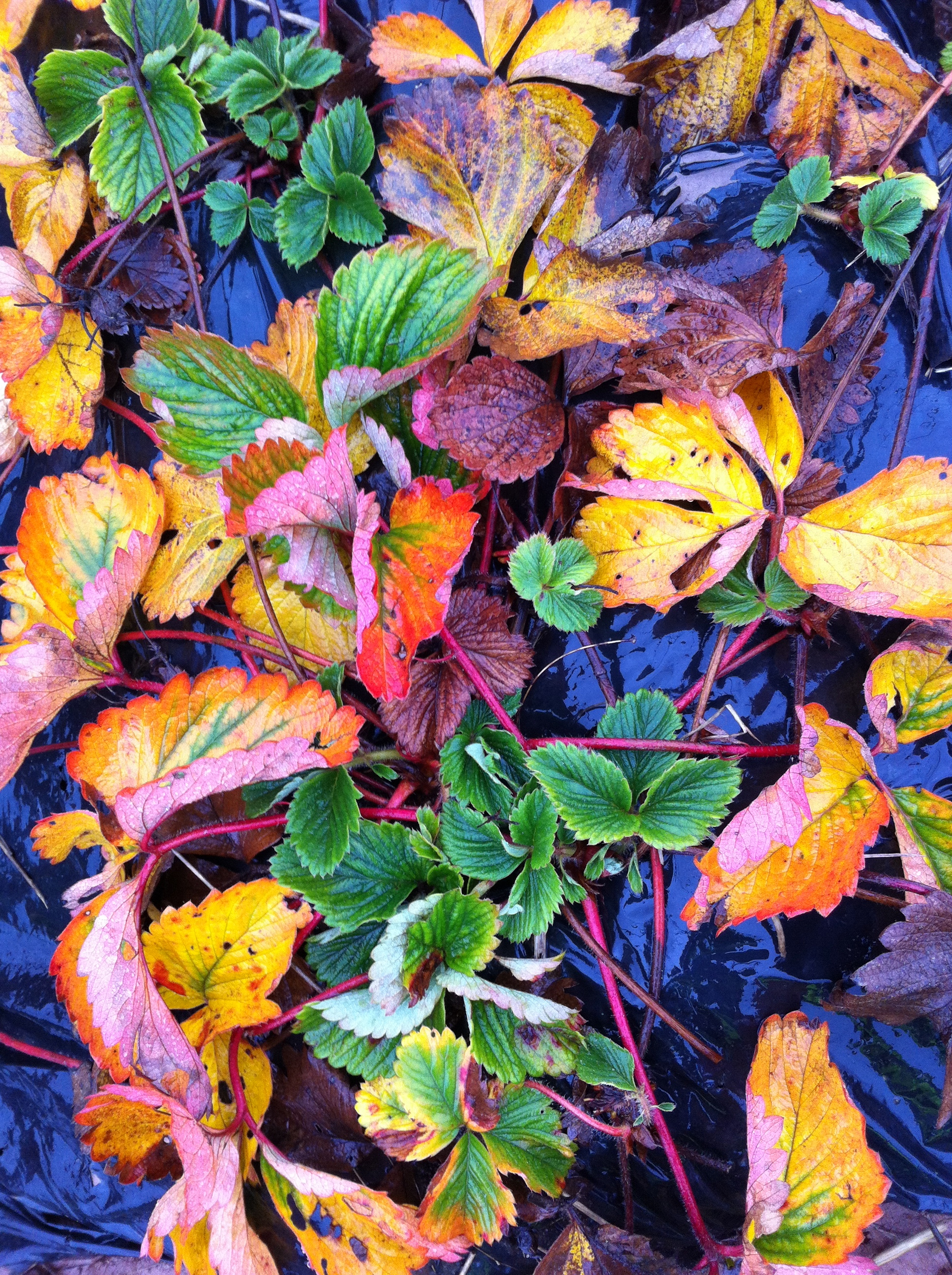
And then later in the evening, because it’s Friday, I walk (4 mile round trip) through the dark to the pub with friends for local bitter…
There’s no such thing as inappropriate clothing, only bad weather
When I first heard the (apparently Scandinavian) phrase ‘there’s no such thing as bad weather, only inappropriate clothing’ I immediately, gleefully and smugly adopted it as my new life mantra.
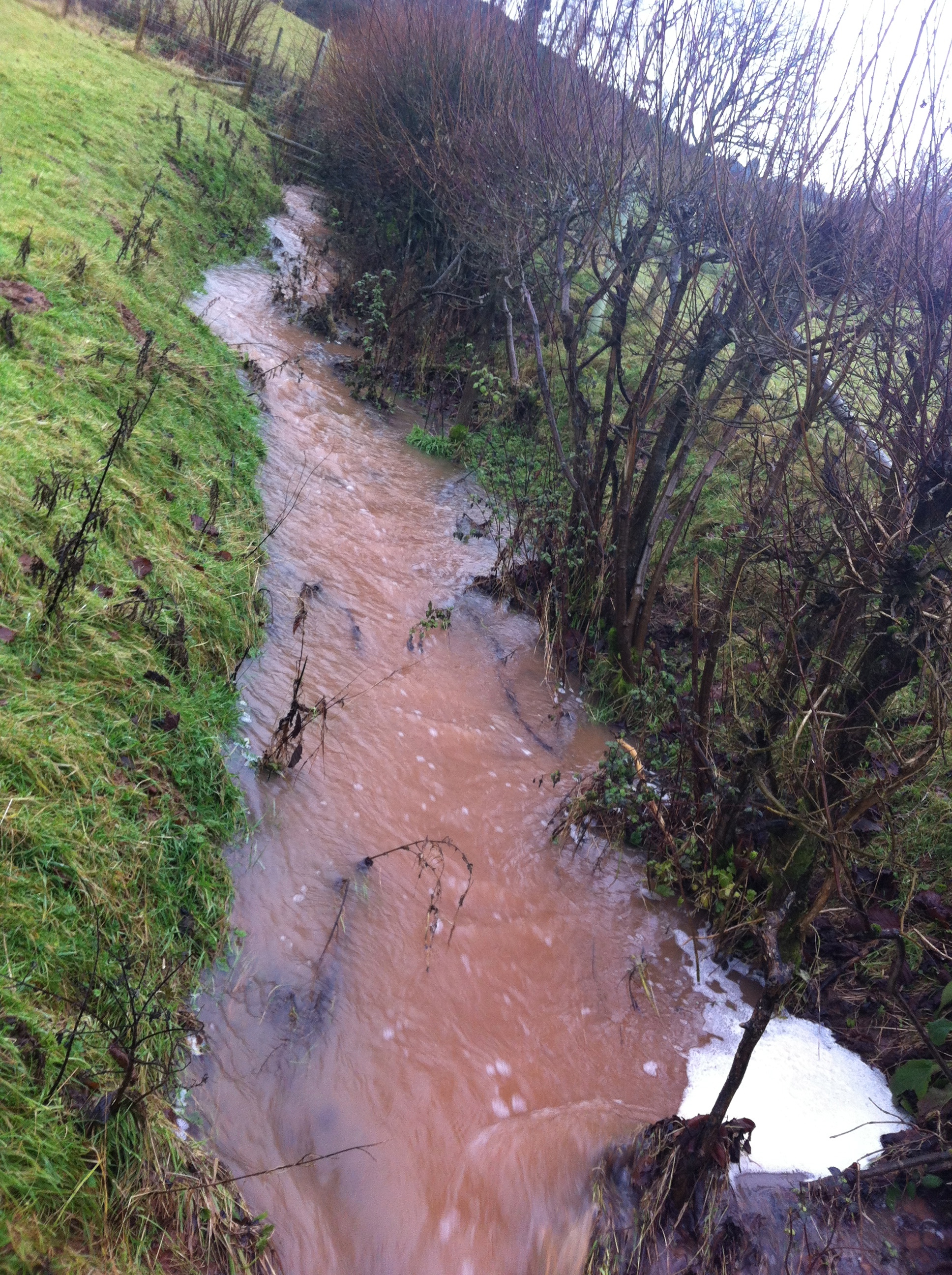
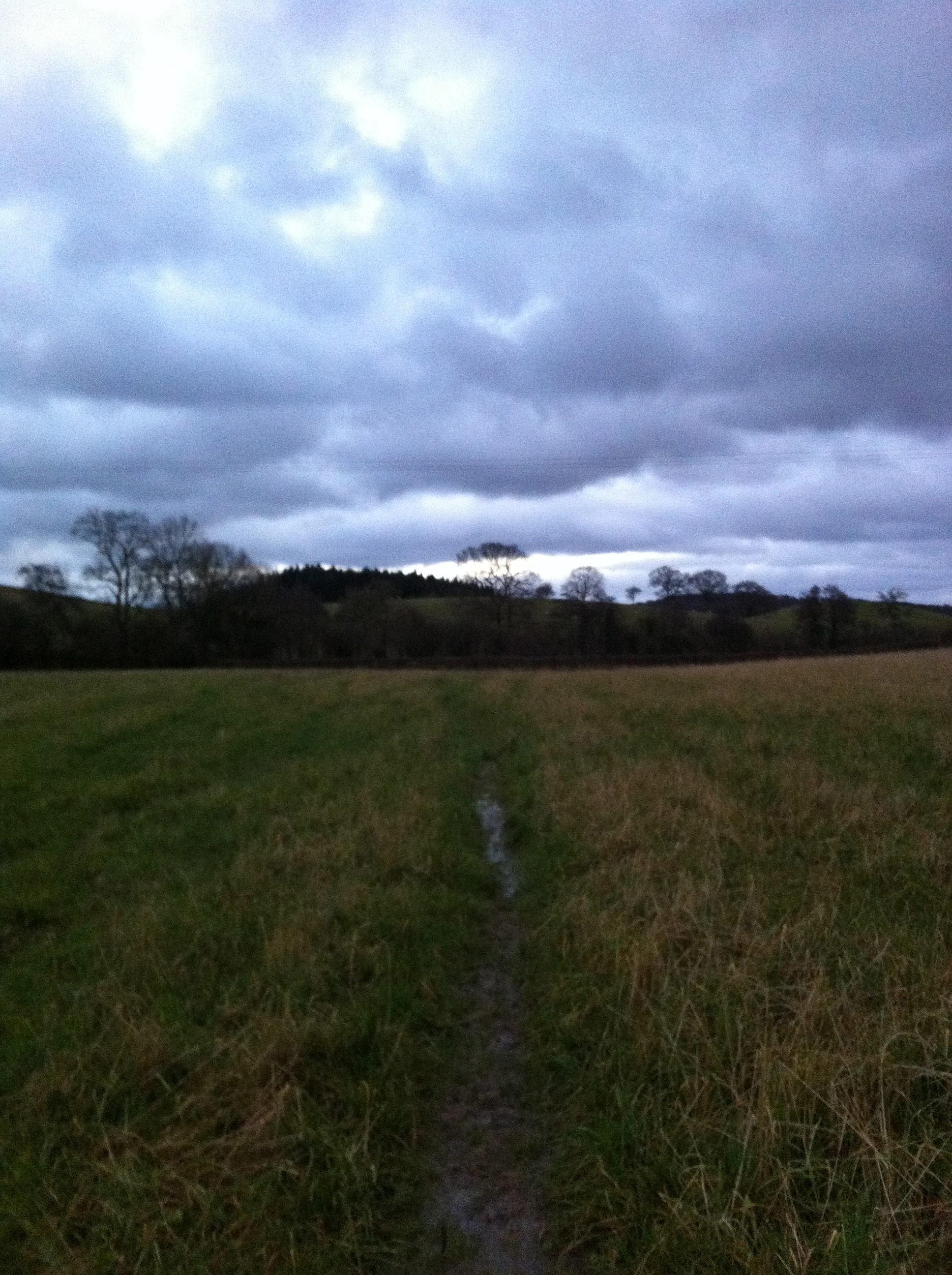
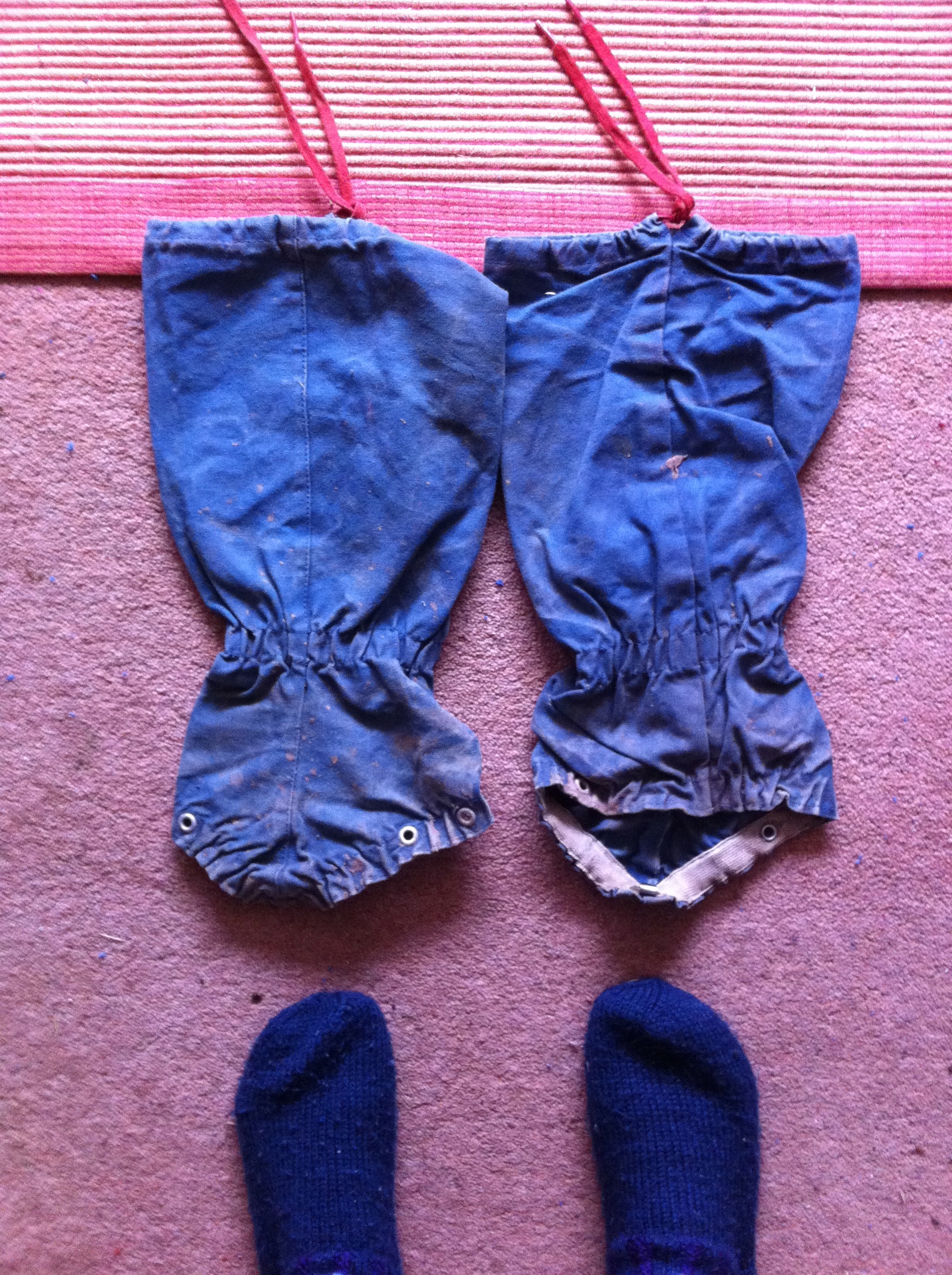
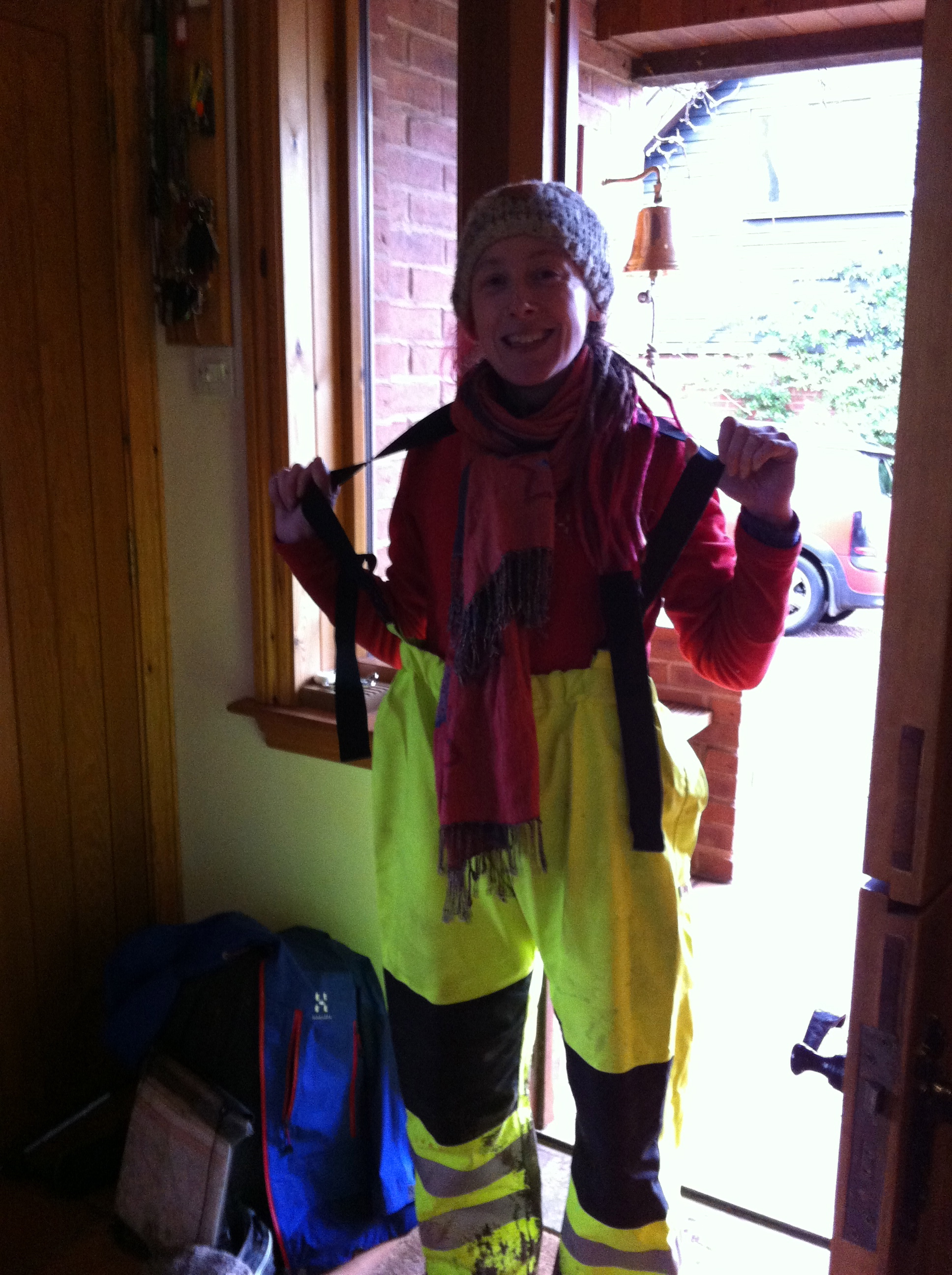
This winter, I’m not so sure. It doesn’t seem to matter how much Gore-tex I layer onto my body, the water is still finding a way in. Even in wellies. This does not make a December walking performance very comfortable. It slows me down – and not in a good slow-food-slow-activism way either. I’m not sure if drawing my own minute attention – through the immediate discomfort of soggy feet – to the changing patterns of weather and climate is particularly useful in an activism sense, but still…
I’m reminded of my conversation last week with Caplor farmer Gareth on his experiences of extreme weather events in Africa and Fownhope, and how his farming practices are, finally, changing:



Christmas @ The Crown
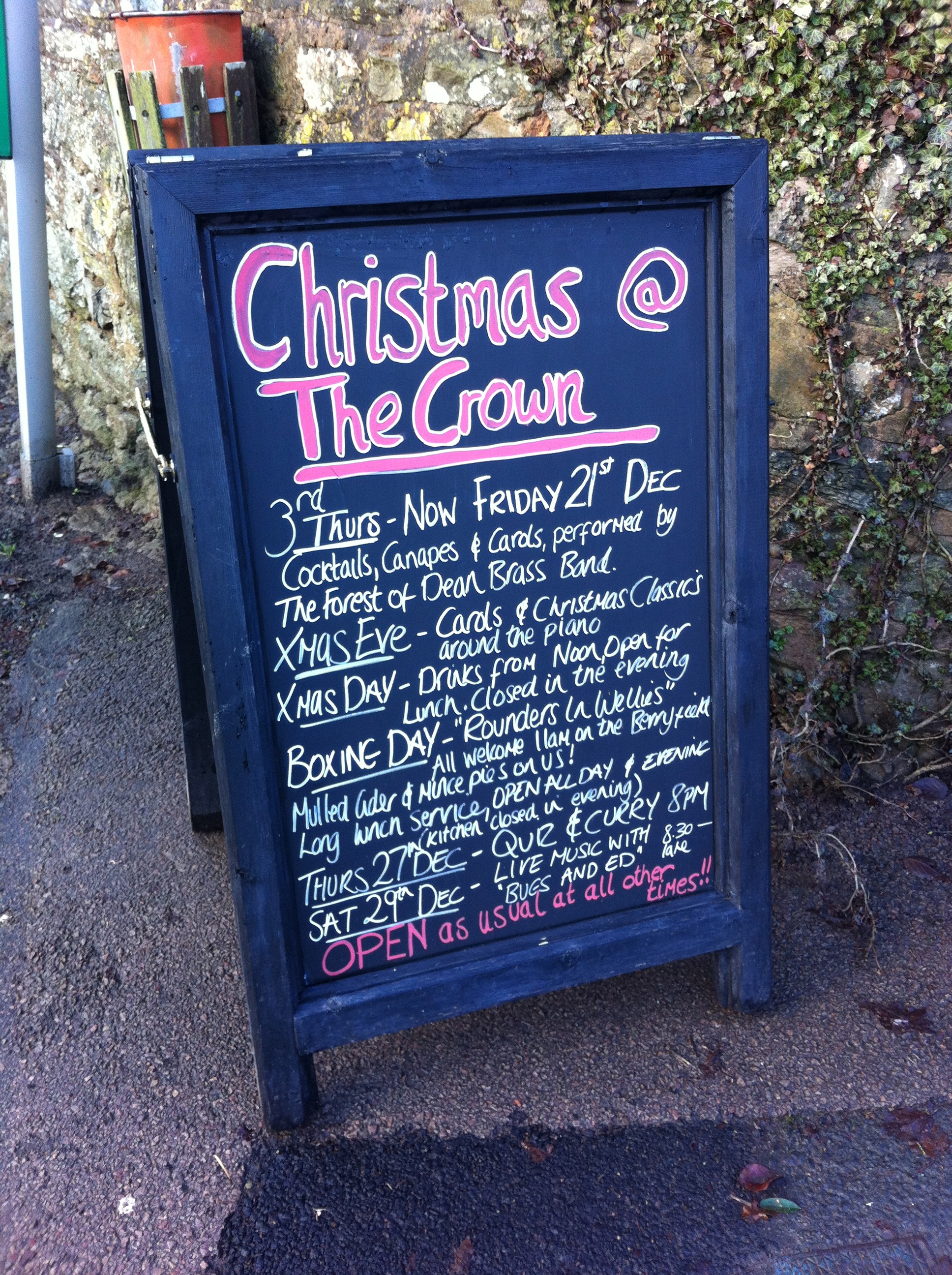
It’s Christmas morning and I’m feeling very honoured to have been invited to join the Stanier family at The Crown Inn, Woolhope, where their traditional Christmas walk across the Marcle Ridge takes them for drinks and aperitifs. I walk over from the opposite direction, via Alfords Mill across flooded fields, which slows me down like a reverse (rural) travelator.

There is a pint of their own (Once Upon a Tree) very fine Tumpy Ground waiting for me when I arrive, as well as bags-full of their own cold-stored eating apples and a bottle of perry. I could squeal with happiness. Their generosity is overwhelming and their interest in this project – the rules, the questions, what it’s revealing about the local food infrastructure (which their own amazing company is a vibrant and enlivening and positive part of) – is really rallying. Conversations range widely, but I mention my slowly emerging realisation that maybe I should eat meat. We talk a lot about their home-raised pigs, and the importance of knowing and honouring the animals we eat – not a piece of nameless, faceless protein packaged in plastic in a supermarket – even if that means that they ‘still deserve a name’.
I return home in the gloaming as the moon starts to appear
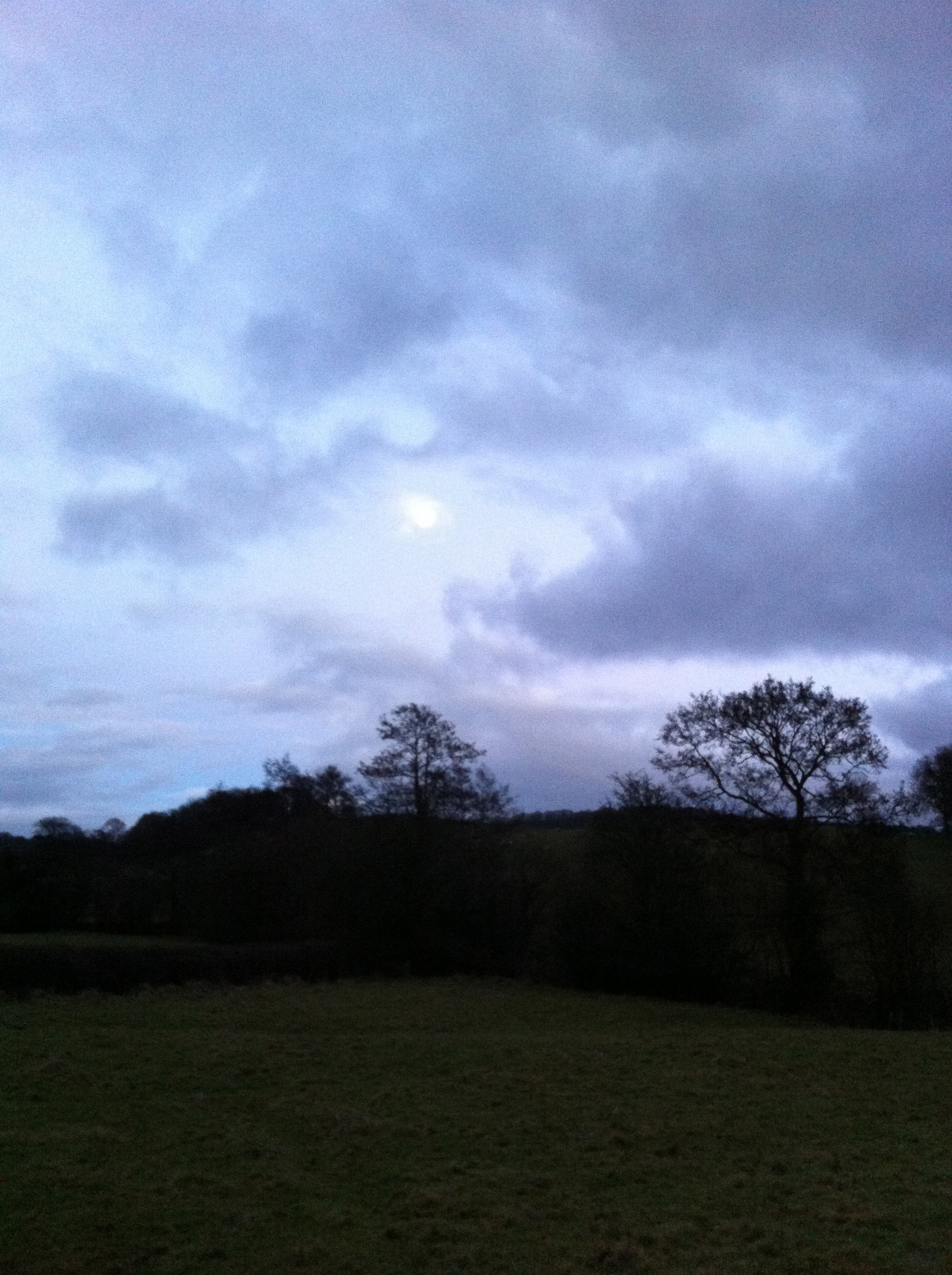
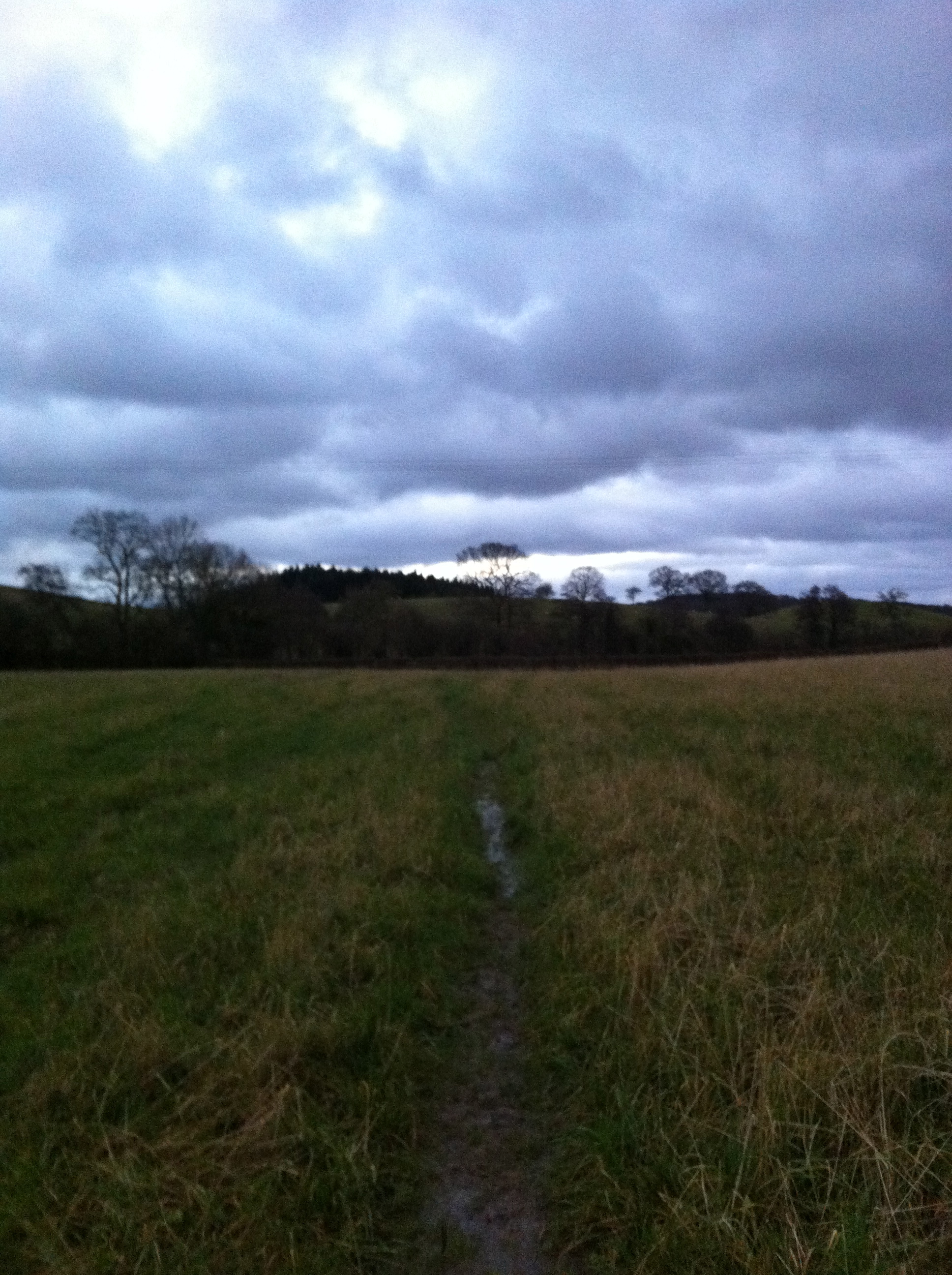
in a considerably unstraighter line from the one I walked out with a rucksack full of precious, glorious apples, sit by the fire surrounded by them and eat five in quick succession. I am as happy as a (free-range) pig. A huge thank you Staniers!
Visions of sugar plums… (or organic medjool dates)
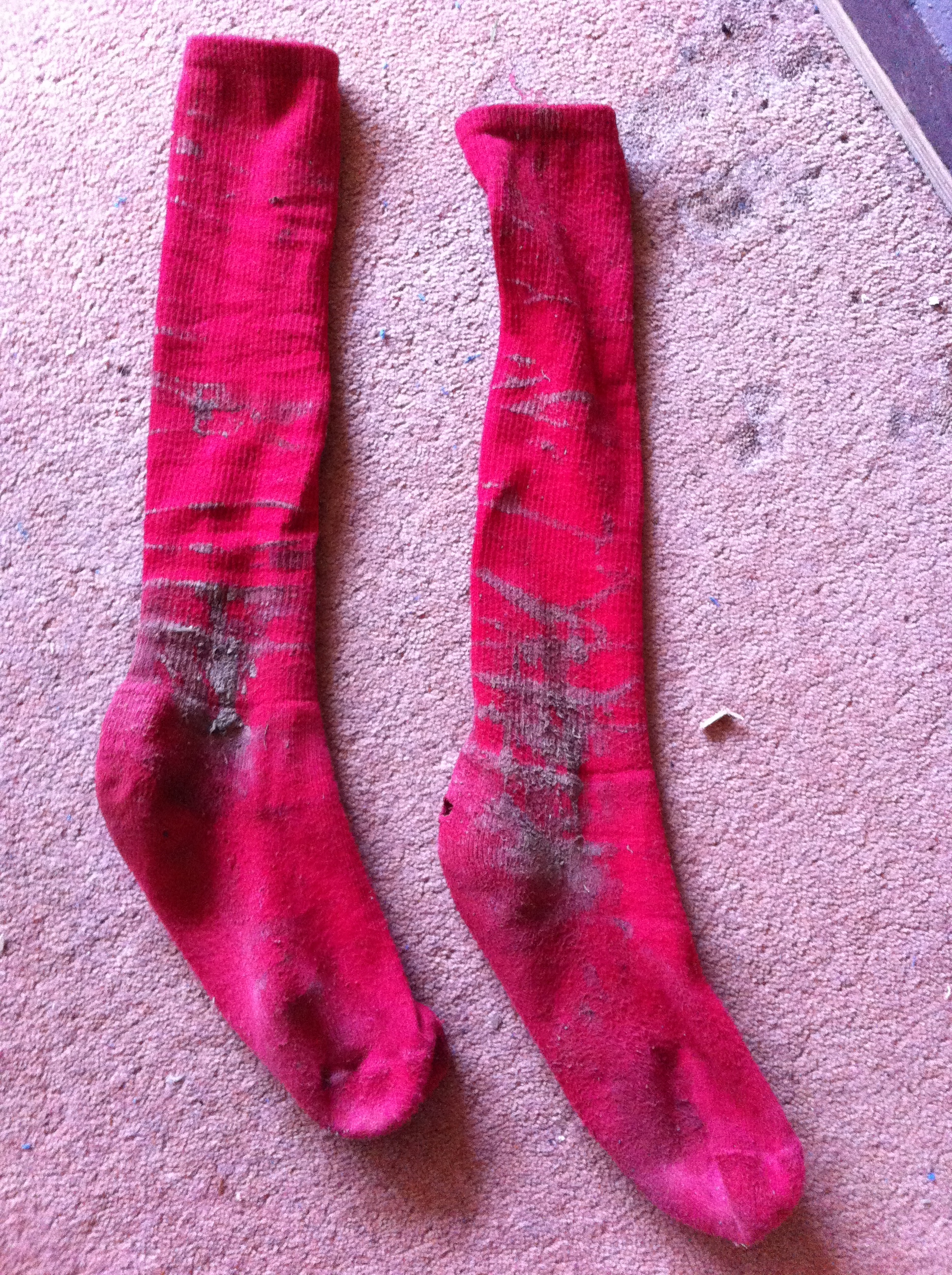
Christmas Eve and a new meaning to hanging up stockings by the fire…
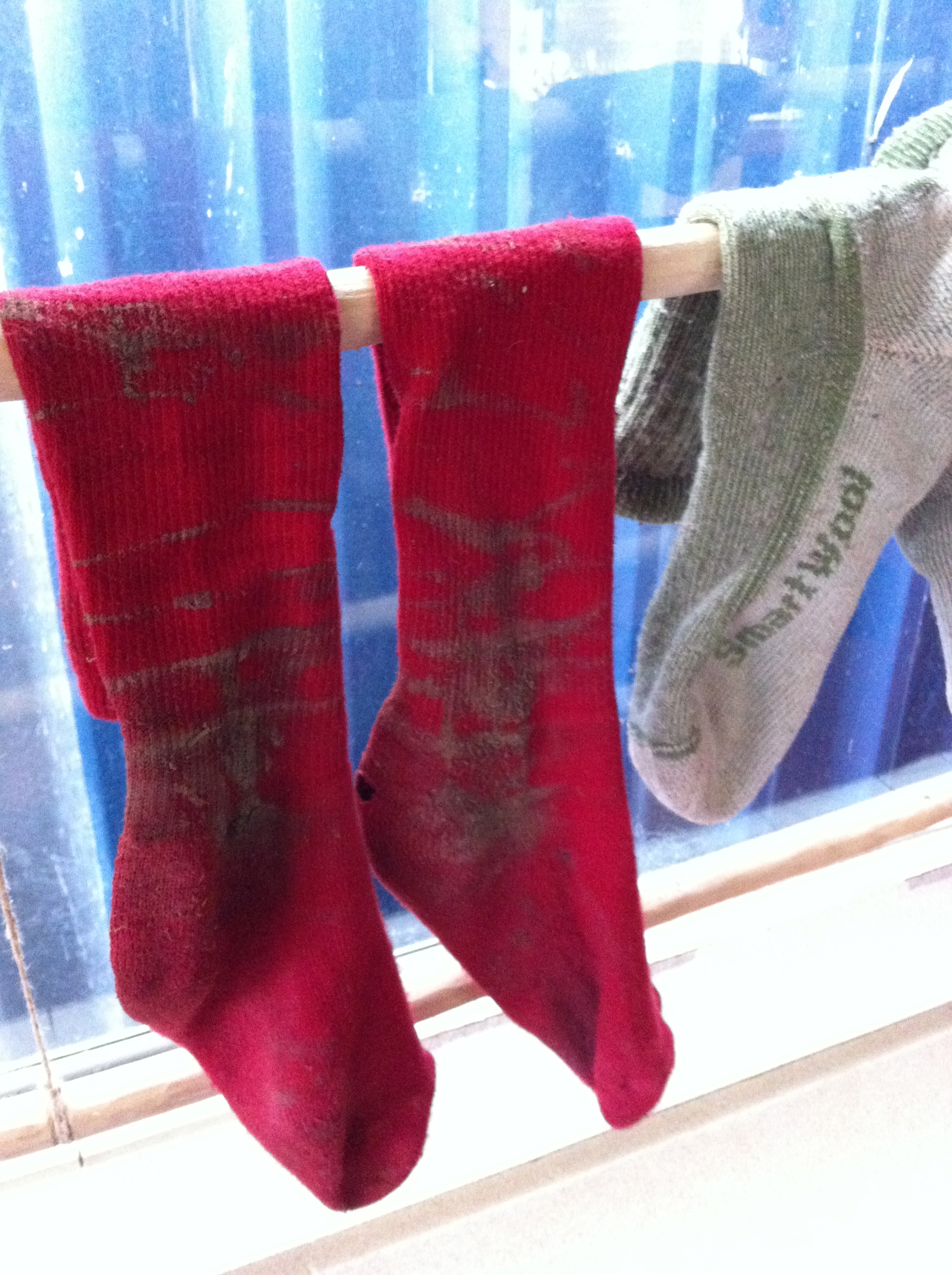
So, time for some reflection, before the Twelve Days of Christmas Countdown begins…
I’m enjoying this. (Now). I took such a calorific nosedive at the start of the project that my brain stopped working and I went into some kind of survival mode (the freezing weather didn’t help). As someone who knows how to cook (and on wood!), and eat well using mostly vegetables, I’m baffled by the sudden-onset cluelessness as to how to walk and feed myself properly on local food in December, simply because I was adapting to a diet that was slightly less varied, unable to rely on the the convenience products – soya milk, rice cakes, peanut butter, cashews, dates, bananas – on which I realise I’d come to depend for instant energy (and protein). I also realise how much unseasonal, unlocal produce has crept into my ‘staples’ list in recent years – avocados, spinach, red peppers, romaine lettuce, cucumber. And most of all, I realise that my relationship to food had become all about speed. Allowing myself to get very hungry, feeding myself as quickly as possible, hurtling off to the next thing. Fast (wholesome) food for fast living. I had to s l o w down, but the transition was painful…
I’ve learnt how to live s l o w l y. The hunger and loss of strength has died away now replaced with a twinge of embarrassment that I was initially so pathetic. There is plenty of food I can eat, it was just learning how to cook and carry it. It’s also interesting how much less I’m eating than normal – the food is less palatable, so I’m less bothered about it. How much of hunger is actually just a relationship with taste – and wanting to taste – rather than what we truly need to consume? Now I’ve learned how to feed myself, how to maintain a leaven, how to cook properly on wood, and most of all, how to slow down. Slow (wood/cooked) food takes time and planning and I can’t let myself run out…(no speed pun intended)
I feel very well. Unpolluted by refined food, sugars, salt (none of which I eat much of normally anyway but still…), I feel very clear-headed and clear-bodied and in a better place to ‘listen’: to myself (my body) and other people.
I haven’t walked as much or as far as I’d like, because initially I couldn’t feed myself enough to sustain the long distance endurance-tramps I’d intended. It’s also very very very wet which slows me down and takes up far more energy. But most of all the process of surviving takes more time: the business of living, bread-making, cooking, wood-fetching, water-heating and horse-feeding. Now I’ve got a comfortable routine, I’m hoping that the weeks that follow will allow me to address this. But my desire to push myself – and the sense of ‘cheating’ if I don’t (otherwise it’s not a performance, right?) also makes me laugh at myself – so determined to make my walking practice h a r d because I’m so sold on the specific notions of achievement and endurance I seem to admire in the work of the solitary male walking artists, when really, I’m a female walking artist after all: it’s all about conviviality and connection and ‘knit[ting] together people and place’ (Heddon and Turner 2010). And you don’t have to walk hard and fast and competitively and show-offingly to the edges of your personal food horizon to do that.
I haven’t talked as much as I’d like. Apart from the encounters I’m orchestrating (with people who are already proponents or producers of local food), I’m just not really meeting that many other people – it’s hard to bump into people in the pouring rain on obscure and muddy Herefordshire footpaths in December. But I also have to admit I have been deliberately missing opportunities, especially when I’ve been hungry – it’s too vulnerable-making to initiate a conversation with a stranger when hungry: I’ve felt too distracted by this more pressing need. So I feel like I’m failing in this regard from an activist perspective, because then it’s just all about me. But it’s not over til the fat lady sings… or the skinny girl finishes walking.
But I’ve met some amazing people. I feel filled with love for the local food producers, makers and movers of South Herefordshire and the web that connects them – partly constructed, now, of my footprints. There is a real awareness bubbling away in the countryside here, like a healthy leaven.
I’m mostly missing oats but also bananas, mango, soya milk, rice cakes, peanut butter and tulsi tea. But the VERY first thing I am going to eat at the end of this performance is a single, delicious, fresh, organic medjool date. And be grateful for every single mile it travelled to get to me.
Reference
Heddon, D. and C. Turner (2010) ‘Walking Women: Interviews with Women on the Move’ Performance Research 15 (4) 14-22
Once Upon a Tree
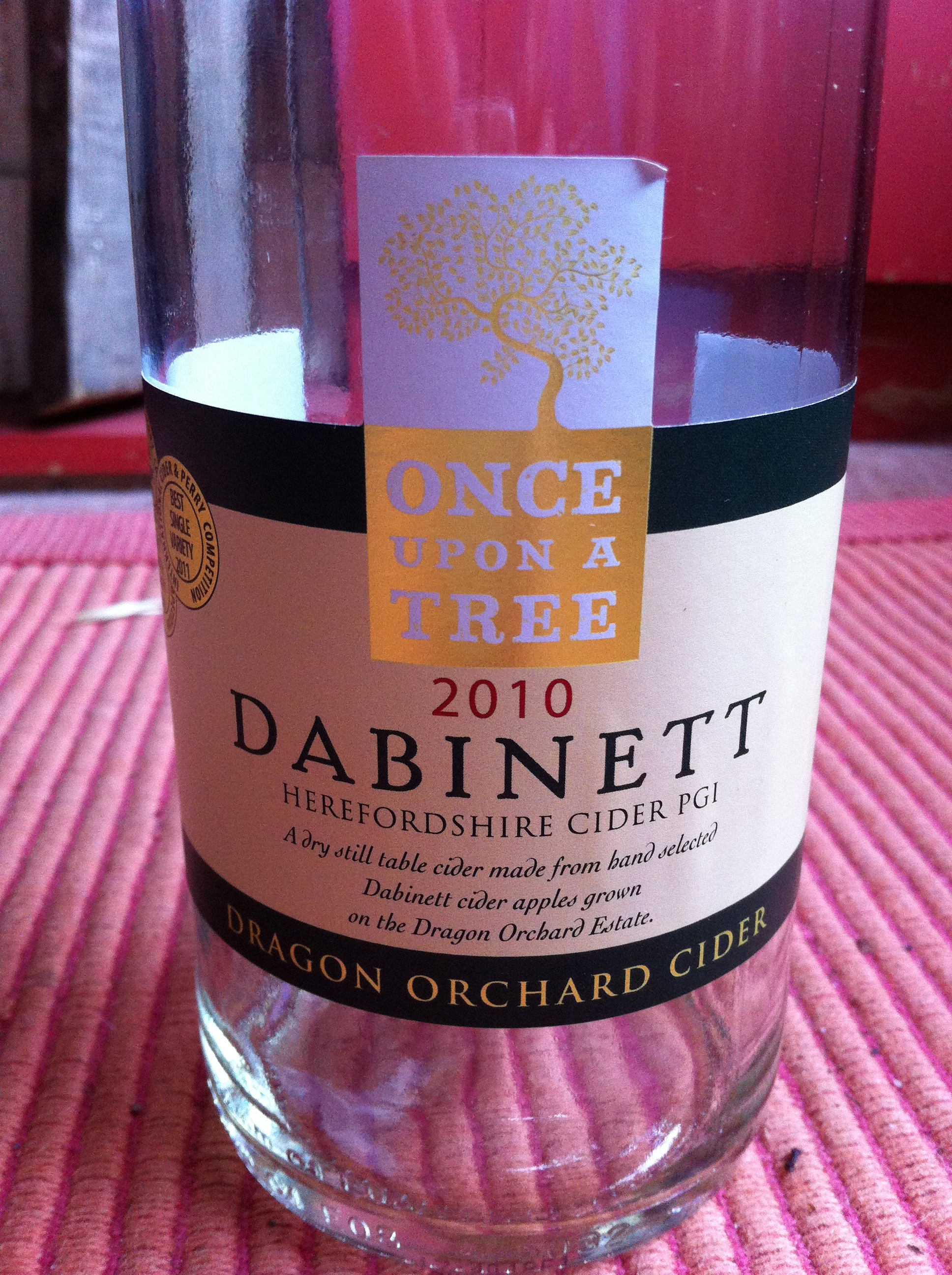
Last night, on the winter solstice I walked in the gloaming, and then the moonlight, across the Marcle Ridge to Putley to sing carols around the tree at Dragon House. The Stanier family have been the mainstay of my social life during this project, their hospitality and generosity with their own amazing (and award-winning!) Once Upon a Tree cider and apple juice sustaining me calorifically as well as conversationally. Passionate about local food, rural community, sustainable living and re-connecting consumers with producers, the Staniers have run Dragon Orchard Cropsharers since 2001, one of the longest-running Community Supported Agriculture schemes (CSAs) in the UK. Cropsharers are invited to attend one open weekend each season, getting to spend time in the orchard as it changes through the year and receiving a proportion of its gifts each season: eating and cooking apples, juices, ciders, jams and chutneys. There is a shop at the orchard itself, and their Three Counties Cider shop in Ledbury which sells a range of local cider and other produce from Herefordshire, Worcestershire and Gloucestershire.
Dragon House is a beautiful place to be and always somewhere I associate with conviviality, hospitality and warmth. Tonight is no exception – as I emerge from the dark, many people are gathering here to sing also, and there is the unmistakeable smell of mulled cider to greet our arrival. Norman Stanier gives me and the project a special introduction to the assembled crowd before we sing carols round the very tall two-storey tree…
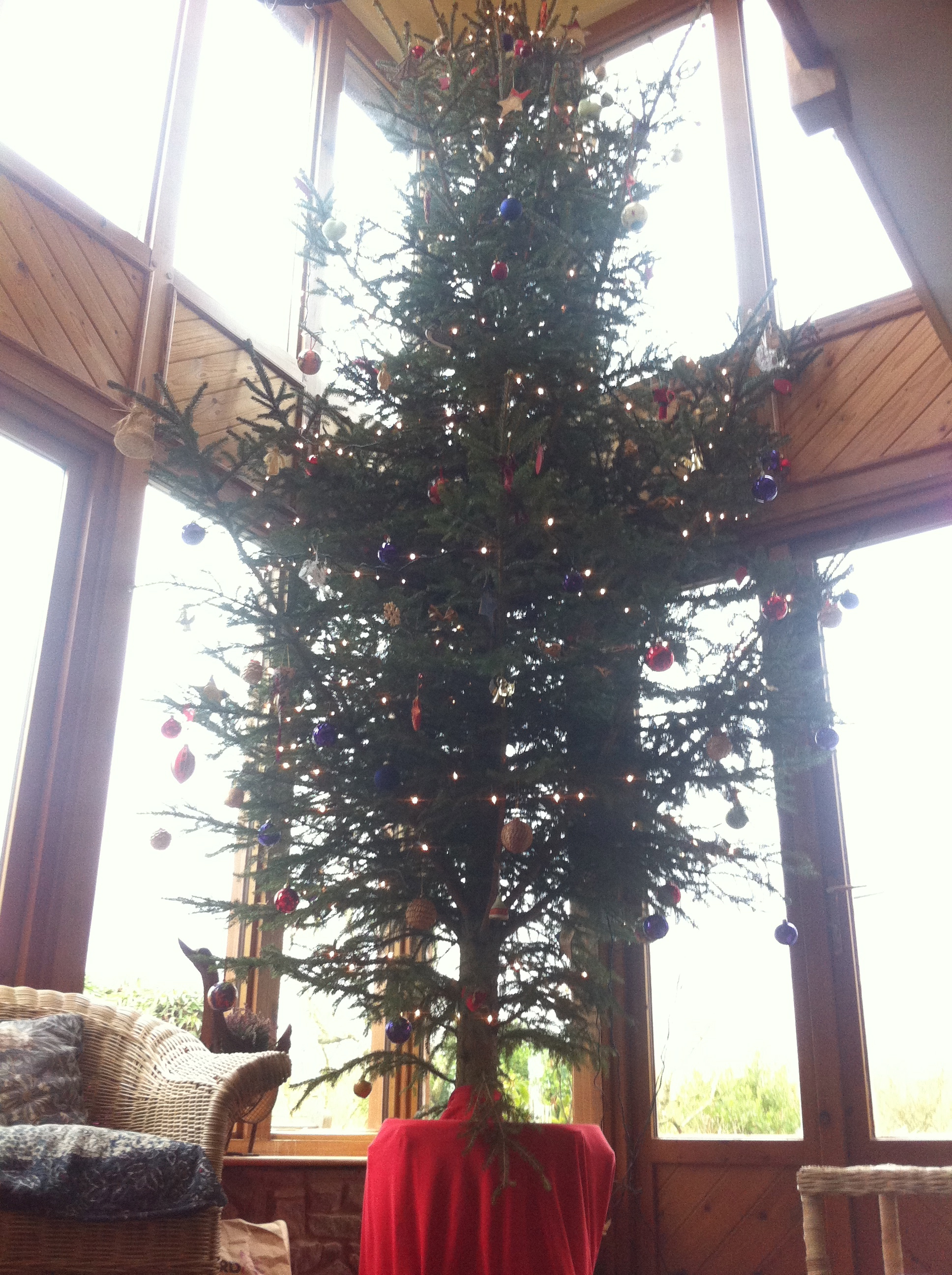
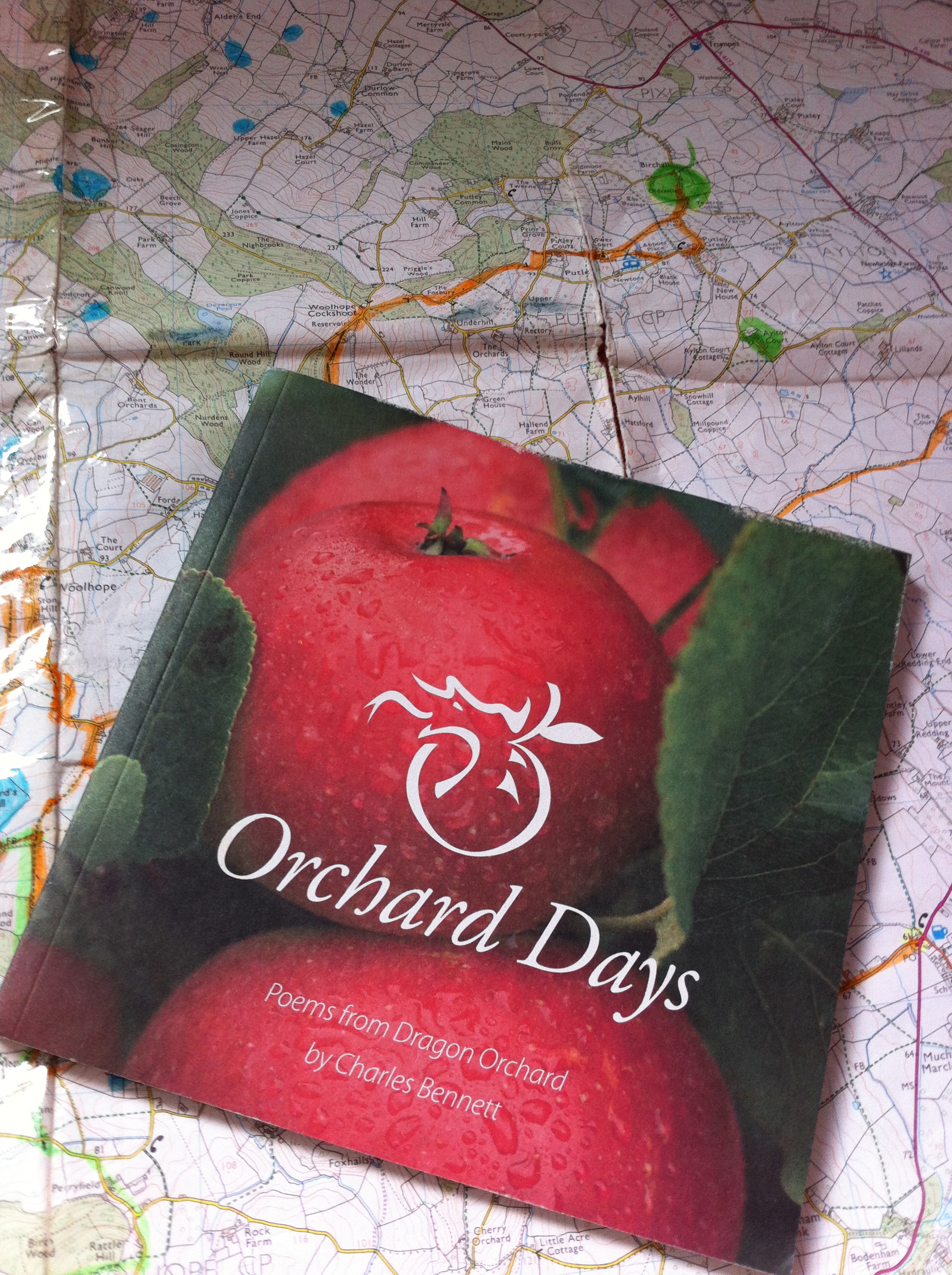
and people share readings – poems, a scene from Pickwick papers – which Norman concludes with the December poem from their own 2009 book Orchard Days (poems by Charles Bennett inspired by a visit to the orchard one day each month for a year). It concludes with a beautiful image of Adam holding the ‘Christmas Apple’ out to Eve ‘who hangs it back on the tree,/and all of us grow more innocent/year on year’
I also meet Fran from the Ledbury Food Group who tells me about the CPRE local food web mapping project. I realise this is what I’m doing – less usefully? – through this performance. We swap contacts to talk more…
—
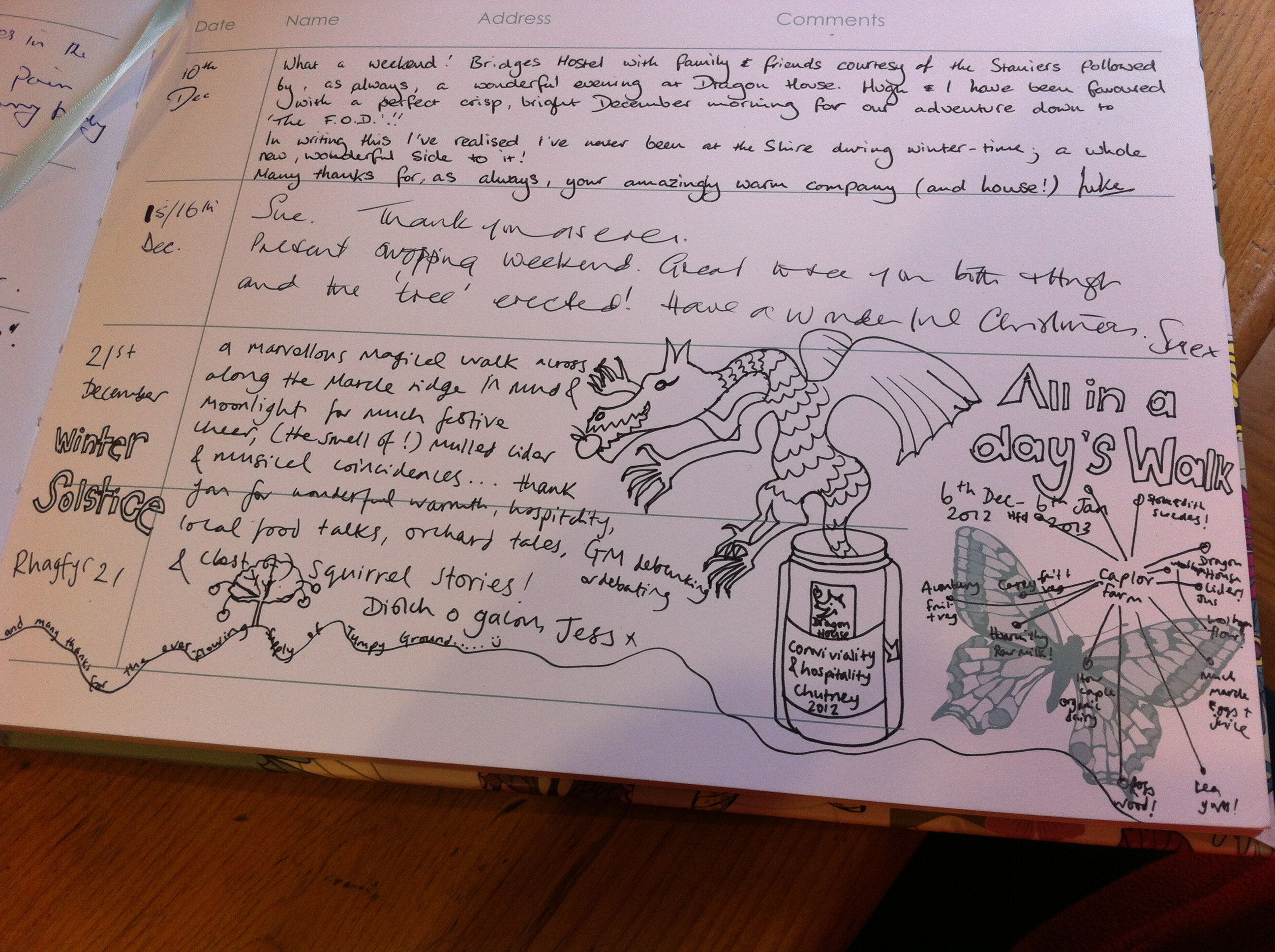
Today, after a wonderful breakfast of fresh (cold-stored) apples (heaven after only apple juice), conversation, chutney-jar labelling and deliberating over the visitors’ book (every single overnight guest that has ever stayed must make an entry…)
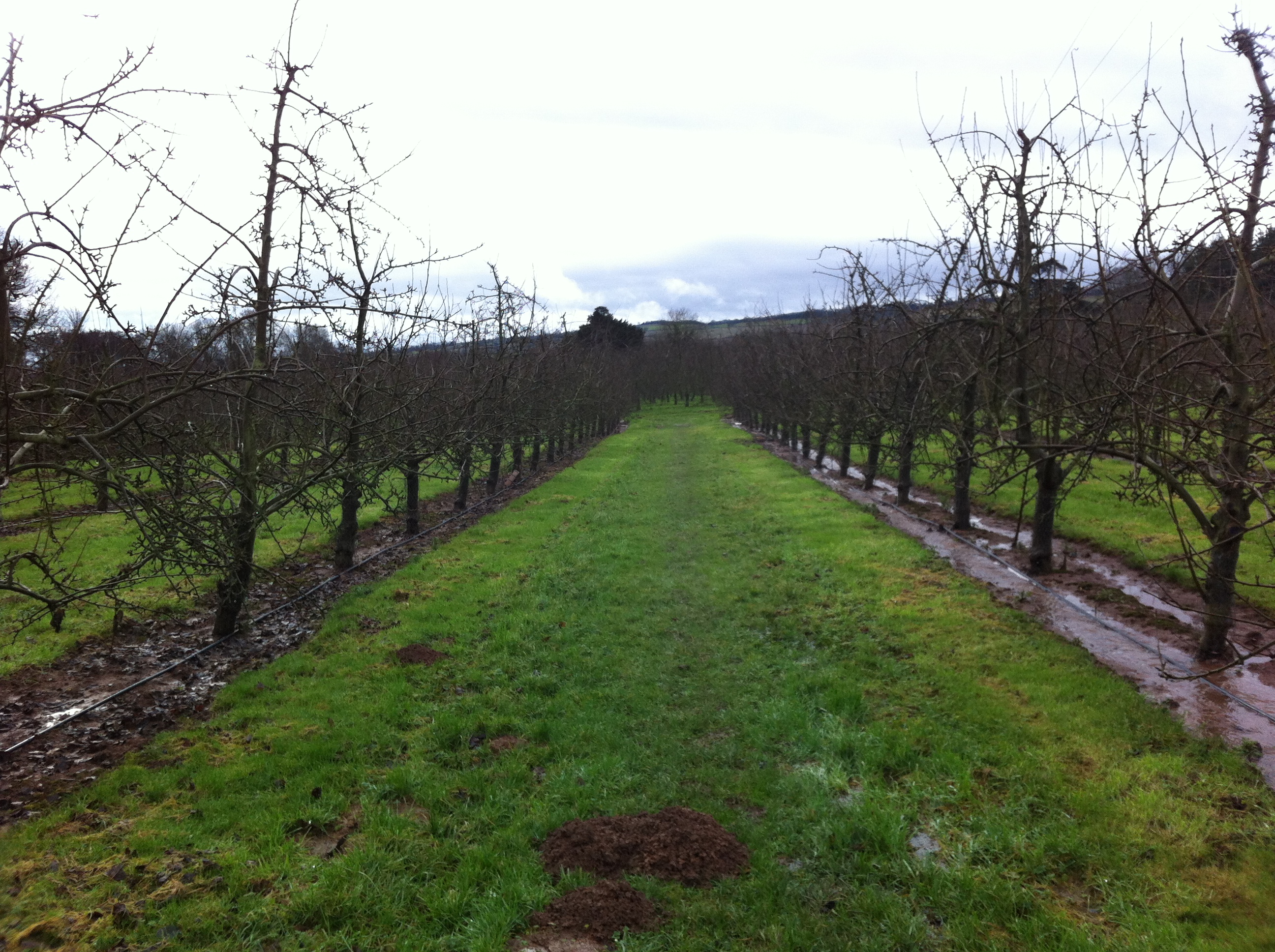
I walk home through the surrounding orchards of Putley (where the pics are from), streams of water running between the trees. I’m excited because I’ve been invited to attend the Cropsharers wassail in January to talk about this project and my experiences or conclusions, whatever they may be. Walking in daylight this time, I retrace my steps made in moonlight thinking of the Wassail pig from the January poem who ‘turns her attention/ to that big white apple in the sky/she’s looked at night after night.’
Winter solstice

It’s the winter solstice which is the event I now choose to celebrate – with food, conviviality, warmth, gifts – as my mid-winter festival of choice. (Not that I’m completely bah humbug about the big C – I’m even walking to Putley for carol singing tonight.) All in a Day’s Walk has thrown this into an even sharper focus this year – the presence of daylight (or not) has been very much present for me in my daily life in walking and even eating. Eggs – my precious only source of local protein – have been harder to come by, because the shorter days are also the reason why the hens on the farm are laying less. (A connection I hadn’t considered before.)
I’m not a very conscientious celebrant, but it feels important to mark this turning point – the ‘standing still of the sun’ – as I’m walking underneath it.
‘The great cosmic wheel of the year… the symbolic wheel of time is acknowledged here. Jul or Yule means wheel in Norwegian. Northern Europeans of our Celtic past believed this mystic wheel stopped briefly at this crucial point as one cycle ended and a new cycle of the sun began. It was taboo to rotate any wheels at the Winter Solstice, from cartwheels to butterchurns, as they waited for the return of the sun.
Evergreens are brought into the home at this time to represent everlasting life…Each of the evergreens has a deeper symbolism. Red holly berries represent the red female blood of life while the white mistletoe berries represent the the white semen drops of the life-giving male
There is an old tradition of making wheels of evergreens as we celebrate the wheel of the year turning once again towards the sun… ‘
Glennie Kindred (2001) Sacred Celebrations Glastonbury: Gothic Image
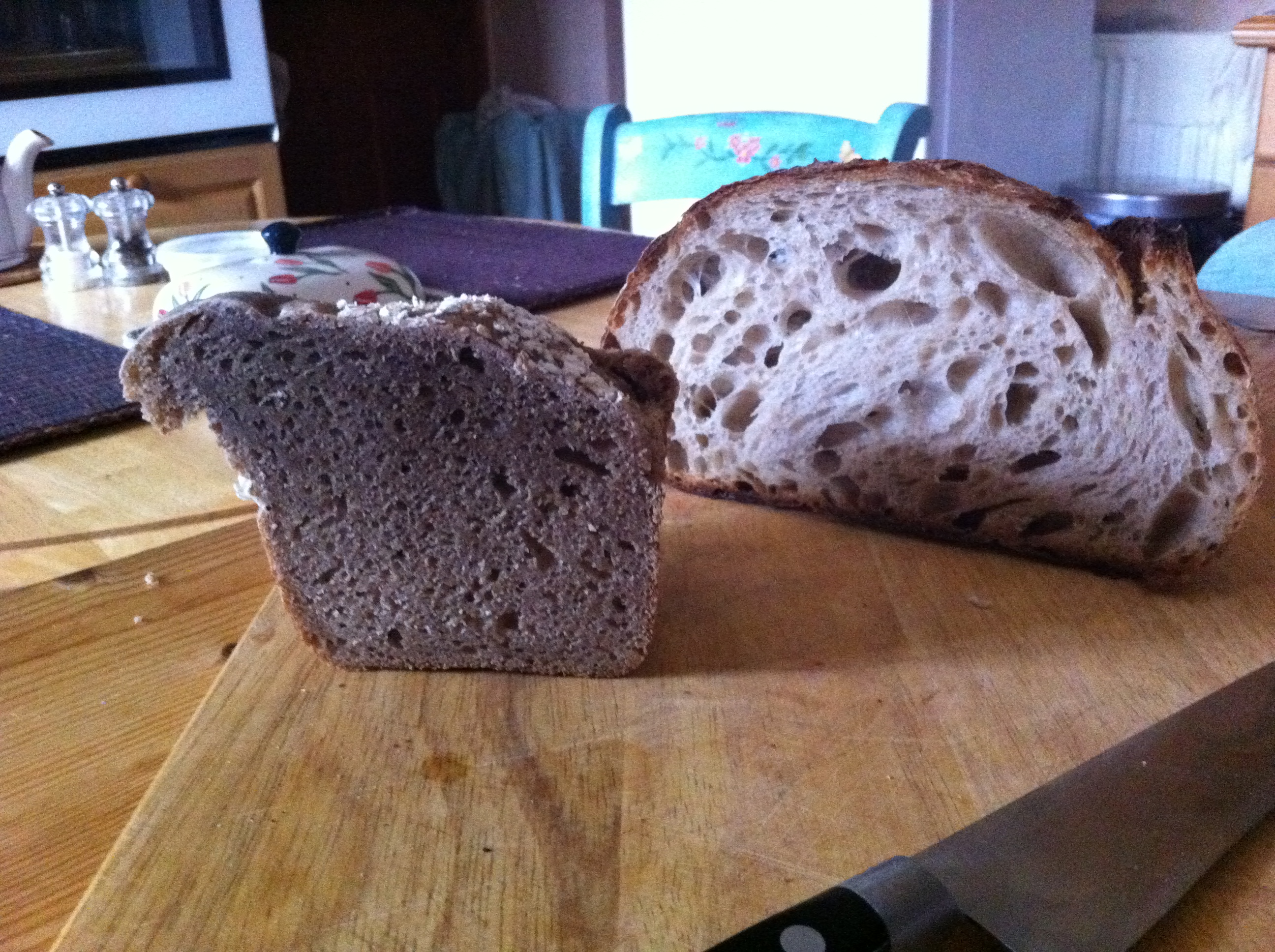
Over the past few days, my walking has allowed me to collect various evergreens and I make a solstice wheel from plaited ivy (Fownhope church wall, to be mildly subversive), holly (How Caple and Capler Camp – the iron-age hill fort above the farm), yew (Capler Camp) and mistletoe (Oldstone Farm orchard). I also make my first truly successful rye-spelt sourdough bread – coincidentally shaped into a wheel/ring so that it can cook more easily in my stove-top oven improvised from a cast iron casserole dish.


SLOW flooding

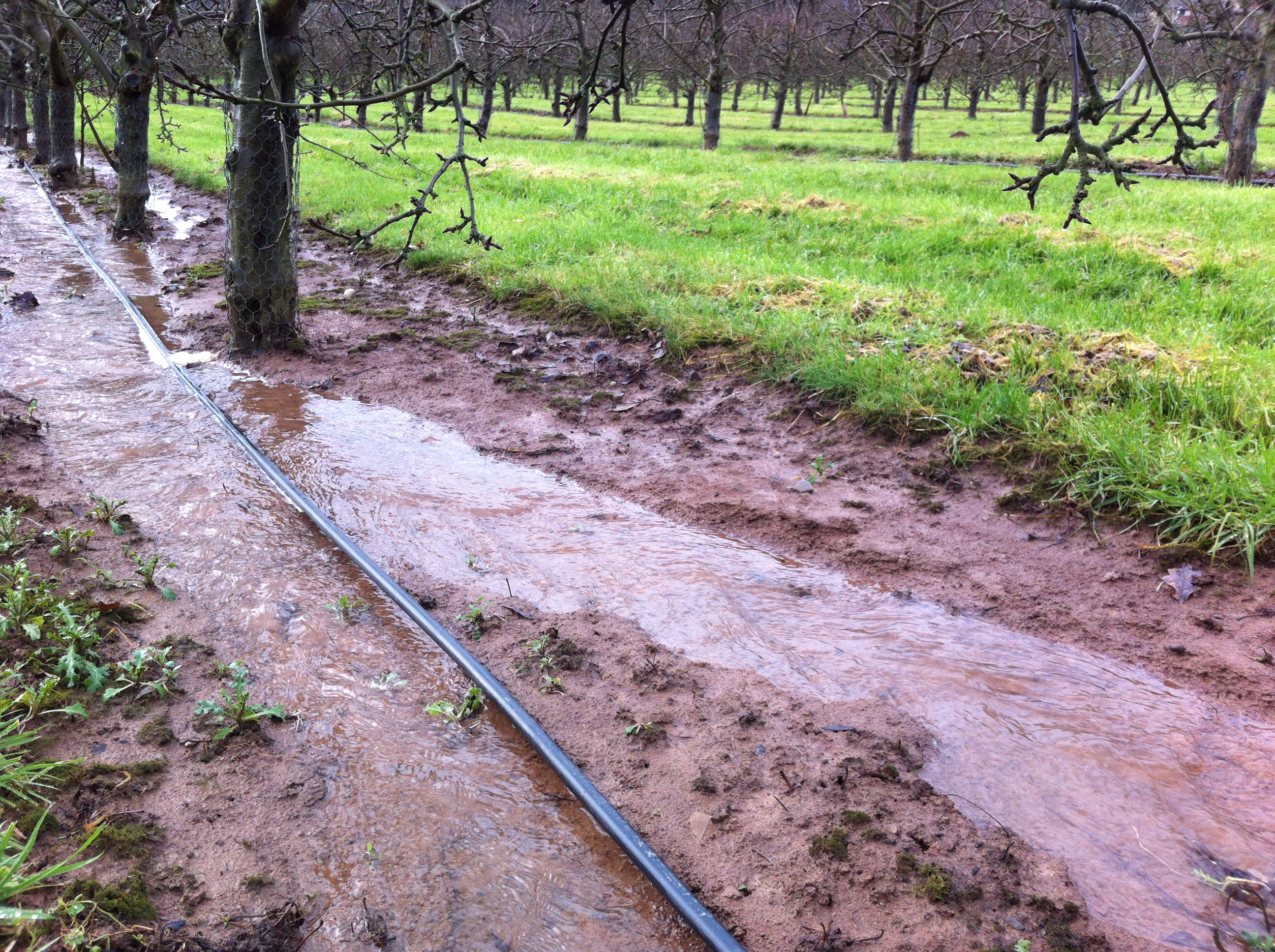
It’s the eve of the winter solstice which this year will be at 11:12 tomorrow. Ignoring the Mayan/world’s end predictions, I walk into the village to post some Christmas presents, through fields wetter than I’ve ever seen them, latticed by runnels and new rivers. Maybe this is the end of the world after all and this project is remarkably prescient but for a lost consonant: not so much slow food as slow flood.
Foolishly I decide to wear my wellies again which might keep my feet dry but have no grip. I fall twice before I’ve even reached the village and have almost made it to the shop when I slip coming off the slope into the rec ground and slide on my back, laughing, down the bank thick with wettest mud. I walk through the village like a swamp beast, much to the amusement of the Post Office queue where I stand, dripping mud onto the counter, making it worse in my pathetic attempts to clean it up, which only succeed in smearing it further.

The postmistress sympathetically wipes my parcel “It will cost more if you weigh it muddy…”. Then weighted down with mud and apple juice and cider I walk home like a cross child with my unbearably caked-in-mud arms held out stiffly to the sides gritting my teeth. I tell a friend about the fall-Post Office palaver and ask “Should I be doing a PhD in clowning?”. “Or drowning?” he responds.


‘We ate with the seasons…’
Today Alison Parfitt (of the Wildland Research Institute amongst many other things!) joins me: my first ‘official’ guest to accompany me on a ‘performance’ walk. I haven’t planned very well for her visit and can’t decide where to go… When she arrives, we look at the map together. She would like to be a practical help in search of food and has brought along a large backpack for the purpose. I’d like to take her on an enjoyable walk that takes in some of the more scenic Herefordshire countryside. We settle on a walk over the Marcle Ridge through (a few) orchards to Westons, the cider producers where I hope I’ll be able to buy apple juice, and Much Marcle shop for eggs.
It’s still (literally) freezing. I still have no water in the caravan and every single surface outside – even the spiders’ webs – is covered in hoar frost: microscopic needles of crystalline blossom.

Alison’s lively enquiry into my practice is equally sharp but I’m glad of her presence and clarity – an antidote to the cold and the insidious slowness – helping to thaw my mind and bring into focus what I’m doing. As we walk, she asks me about the background to the project, which I start to describe as arising from my fascination both with simple notion of a day’s distance in a day’s time and what it could be used to draw attention to, to bring in to focus, to measure or calibrate. Then, how layered on to this came the notion of sustenance and what emerged was the concept of ’embodied mapping: drawing a map with my feet of the area that sustains me nutritionally’ and the sadness that we can’t always lead the local life we aspire to when we live rurally, in the place where all this food is grown because the infrastructure is now missing. I’m thinking specifically about the wheat, oats and oilseed rape grown on the farm – I talk about the roaring dragon of the grain dryer which drives us [farm-dwellers] demented with its day-long droning whine throughout August only for the grain to be shipped away again and sold. To me this is ‘extraordinarily inaccessible food’ and I talk about the notion of loss which Alison then goes on to summarise far more articulately : ‘ yes, it’s a loss of understanding, a loss of connection, a loss because we’re no longer in control of our food… we don’t even know where it goes and what happens to it. So it’s disempowering, really…’
With Sollers Hope church in sight, Alison asks. ‘So what are we performing?’… I respond cautiously ‘We’re performing slow activism and slow food in some kind of sliding together of lenses I think. The idea was that the structure of these walks – walking to find food, walking to the producers of food (even it’s not where I bought it I have to be able to walk to where it’s produced) was about drawing attention to what is there and what is there no longer, facilitating discussion, debate and discovery. And carrying that knowledge with me to each new encounter’.
I’m not feeling very articulate today, so I’m delighted when (as we are climbing steeply up the Marcle Ridge) she finds a way of clearly describing the essence of my practice – tracktivism as walking performance which foregrounds environmental concerns – far more clearly than my own fumbling attempts to liken it to bas-relief and the notion of removing something that obscures to allow what is there to emerge. No, she says helpfully, ‘it’s more subtle than that. It [the environmental/political ‘truth(s)’] is not obscured by something ‘other’ that needs removing, it’s the practice which reveals what IS there…’
I like this. As we walk on, I wonder what is left revealed in our wake.
—-
We walk into Much Marcle where I buy eggs (Kynaston) and juice (Aylton) from the village shop and record an interesting encounter with the shopkeeper, sharing his wonderful childhood reminiscences of rural life and local food in Oxfordshire where his father managed many gardens and allotments and they ‘ate with the seaons..’:
We then turn back on ourselves to call in at the Westons shop on the way home. Here they stock the full range of Jus single variety apple juices from sweet Egremont Russett and Worcester Pearmain through medium Coxs, Katy and Discovery to the dry Bramley Seedling (my absolute favourite). I intend to journey to Aylton later this month to talk to the Skittery family. Their juices have been my emergency energy food this month in the absence of fresh apples which I’ve not been able to source locally. This in itself points to another type of loss – the loss of knowledge of how to think slowly in the longer term and store our produce to eat out of season…


Local hangover for local people
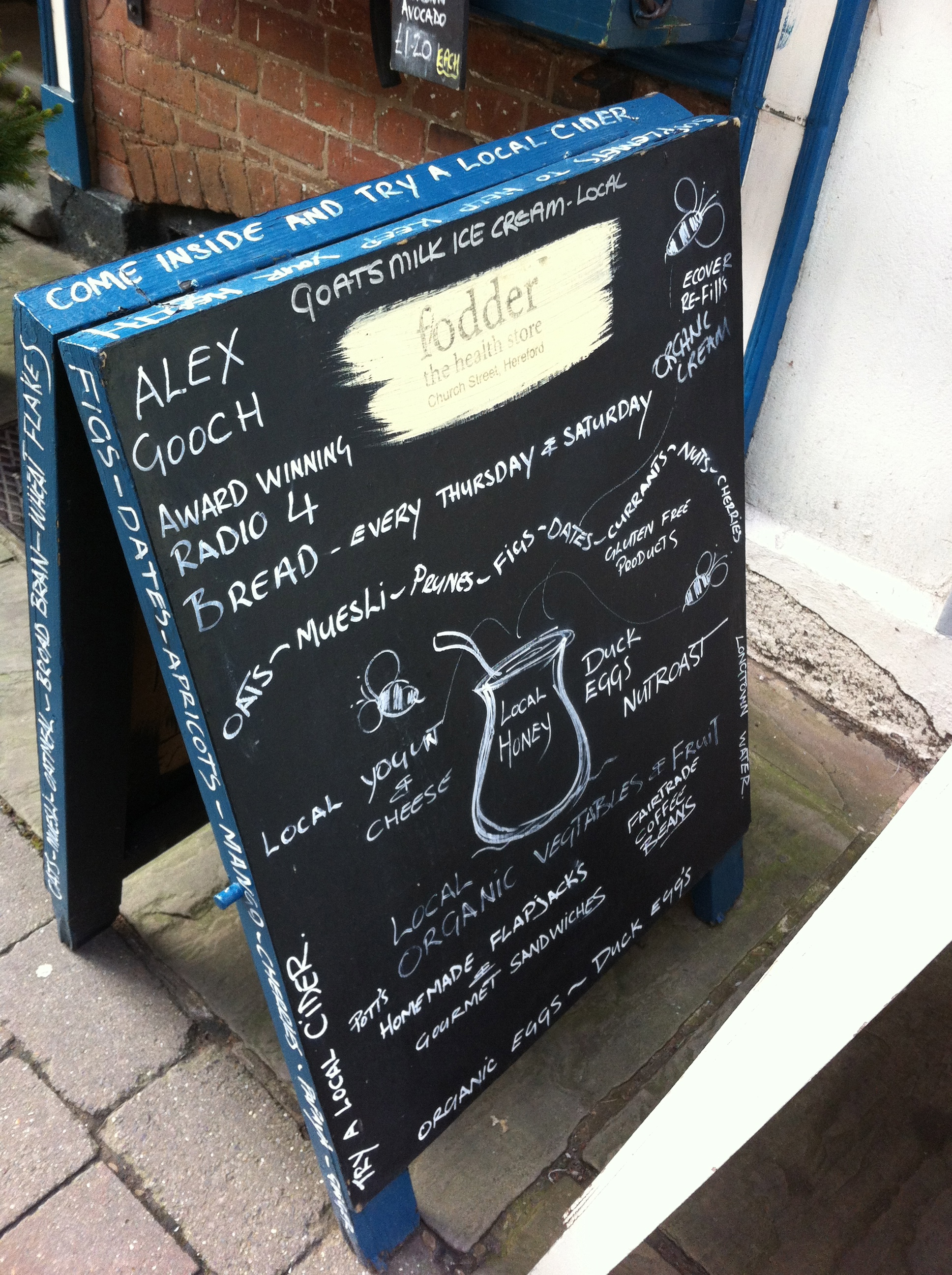
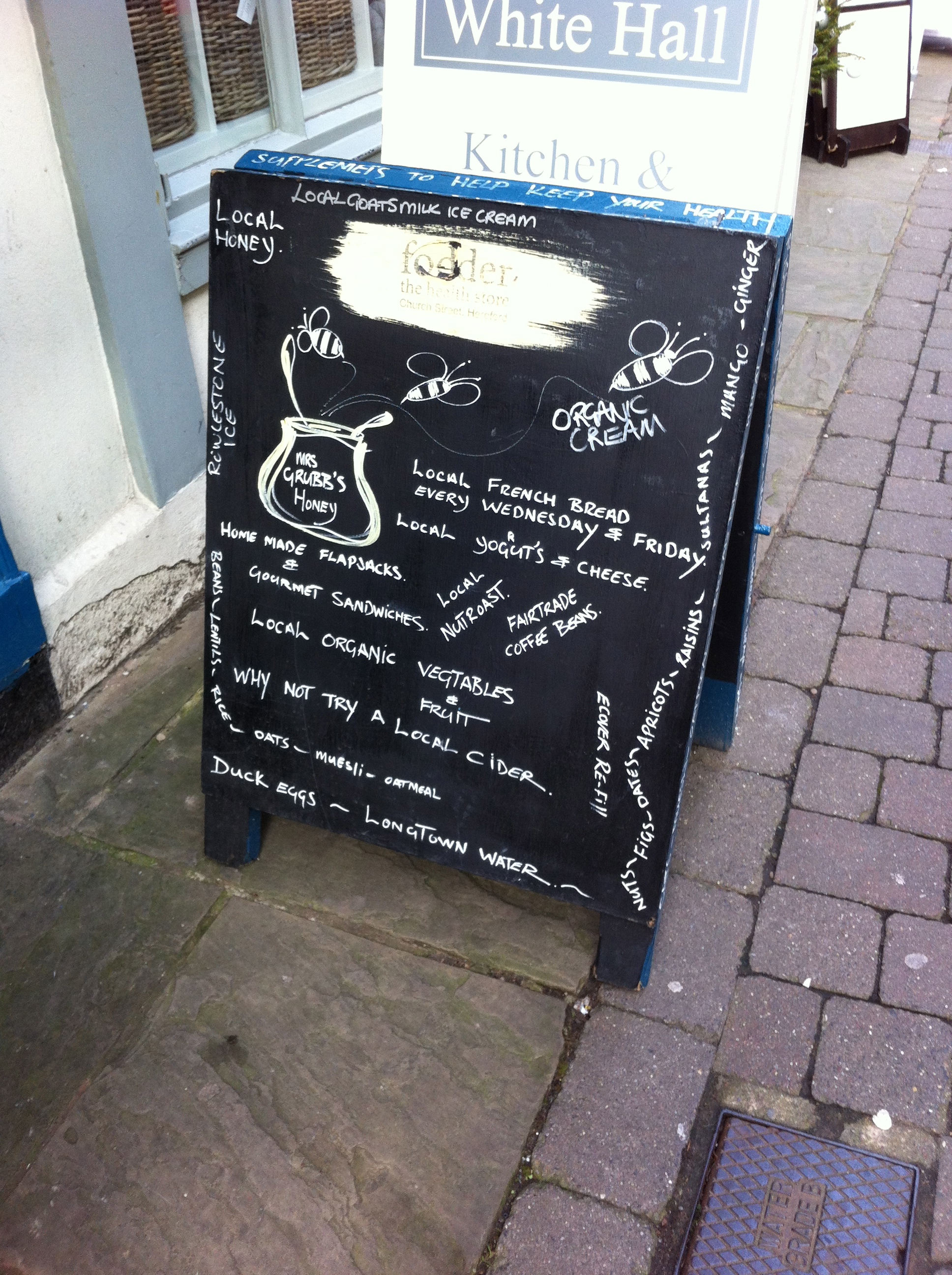
Today, thanks to the generosity of friend Hugh, I’m mildly hungover (largely sleep deprivation from late conversation) on his family’s local and delicious Once Upon a Tree cider and perry from Dragon Orchard at Putley. But I still have to walk 9 miles home in -1 cold. I pop into Hereford city centre first, but even at the wholefood shop, I’m surprised that, today at least, I can’t find produce that can be guaranteed within walking distance of home (which is not to say there is not a lot of produce from elsewhere in Herefordshire of course).
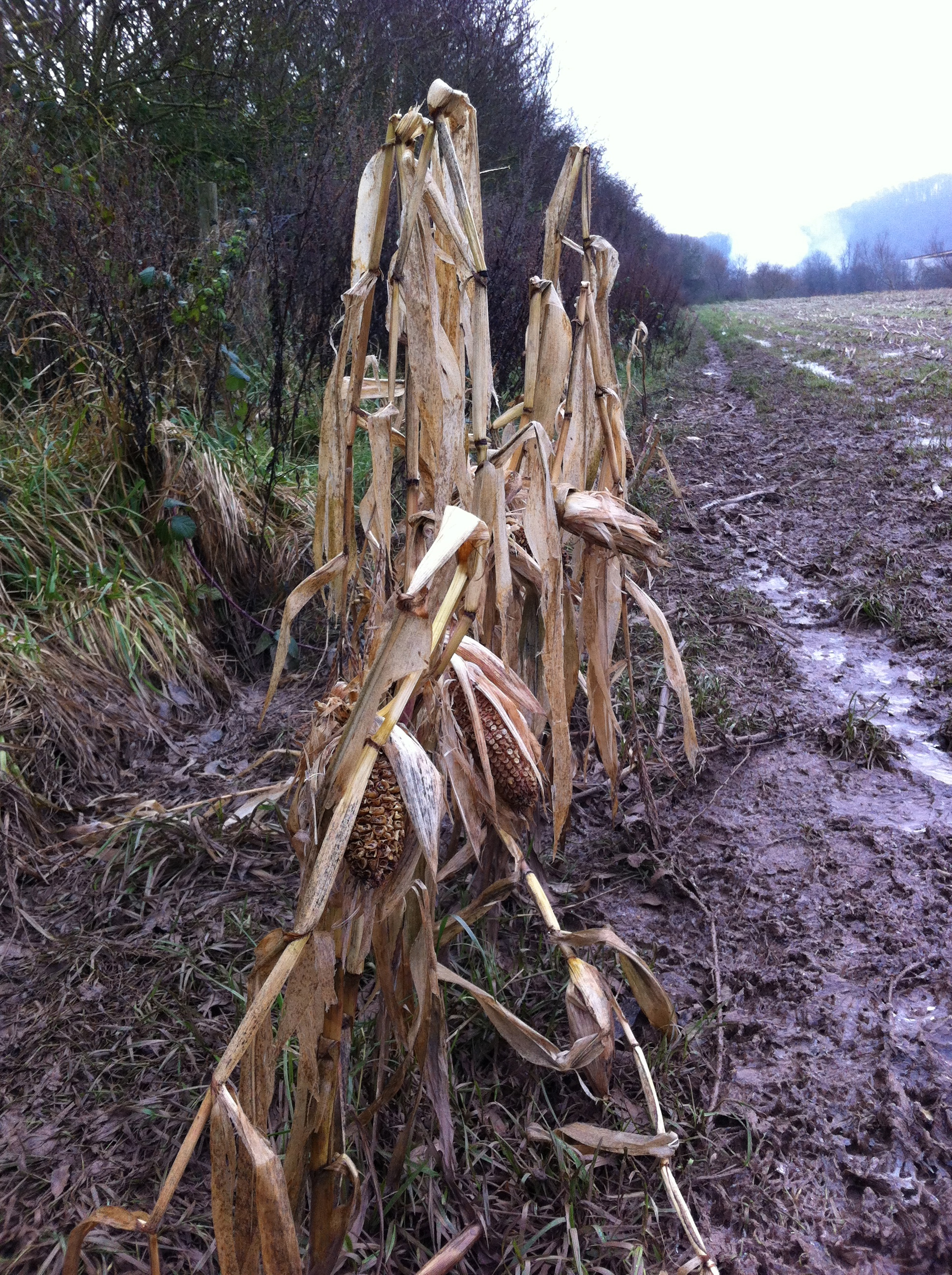
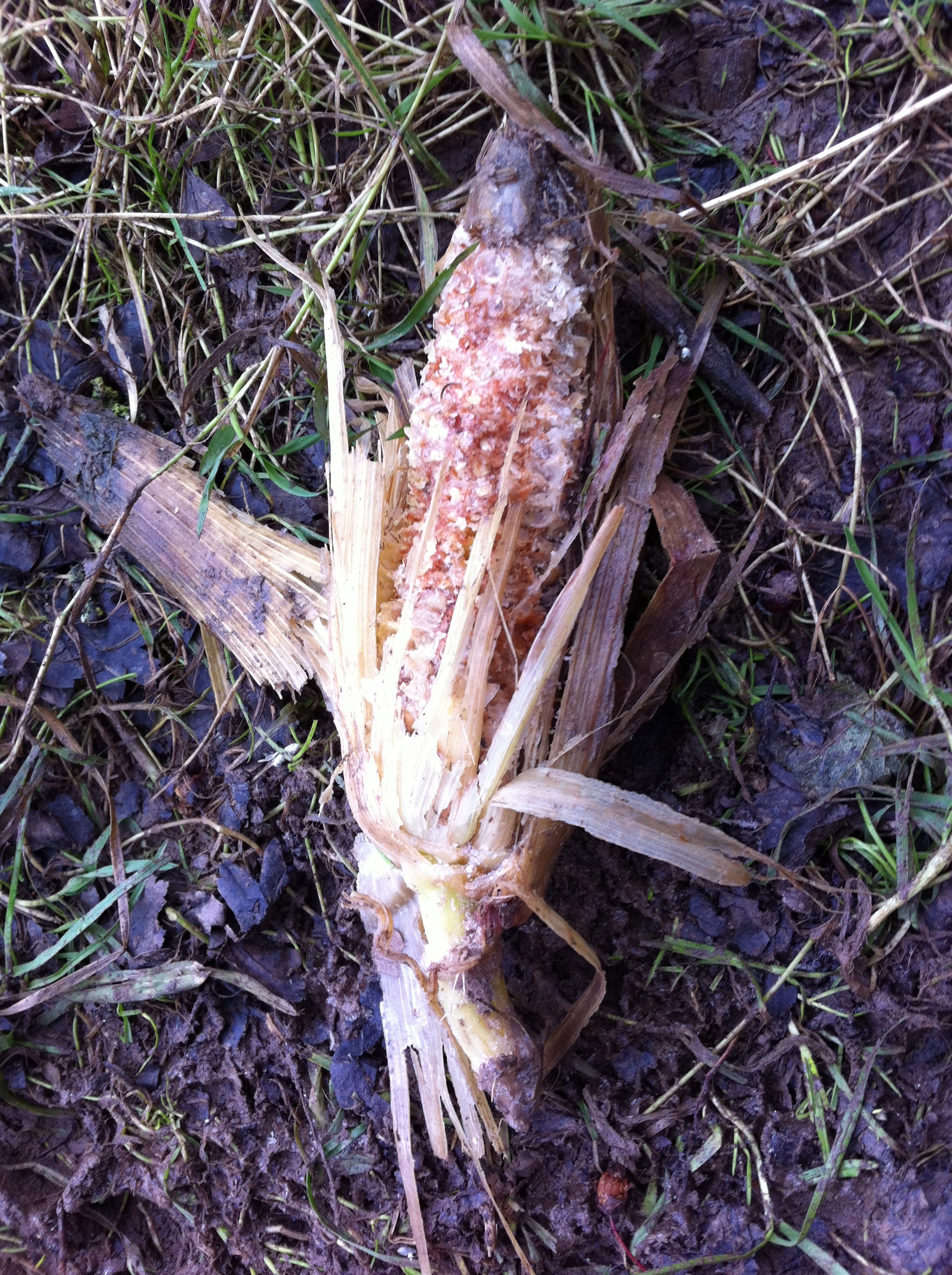
On the way back, in daylight this time, I realise that last night I was walking across a harvested field of corn (maize) next to the river Wye. I am so hungry it makes me wistful for my last supper of popcorn.
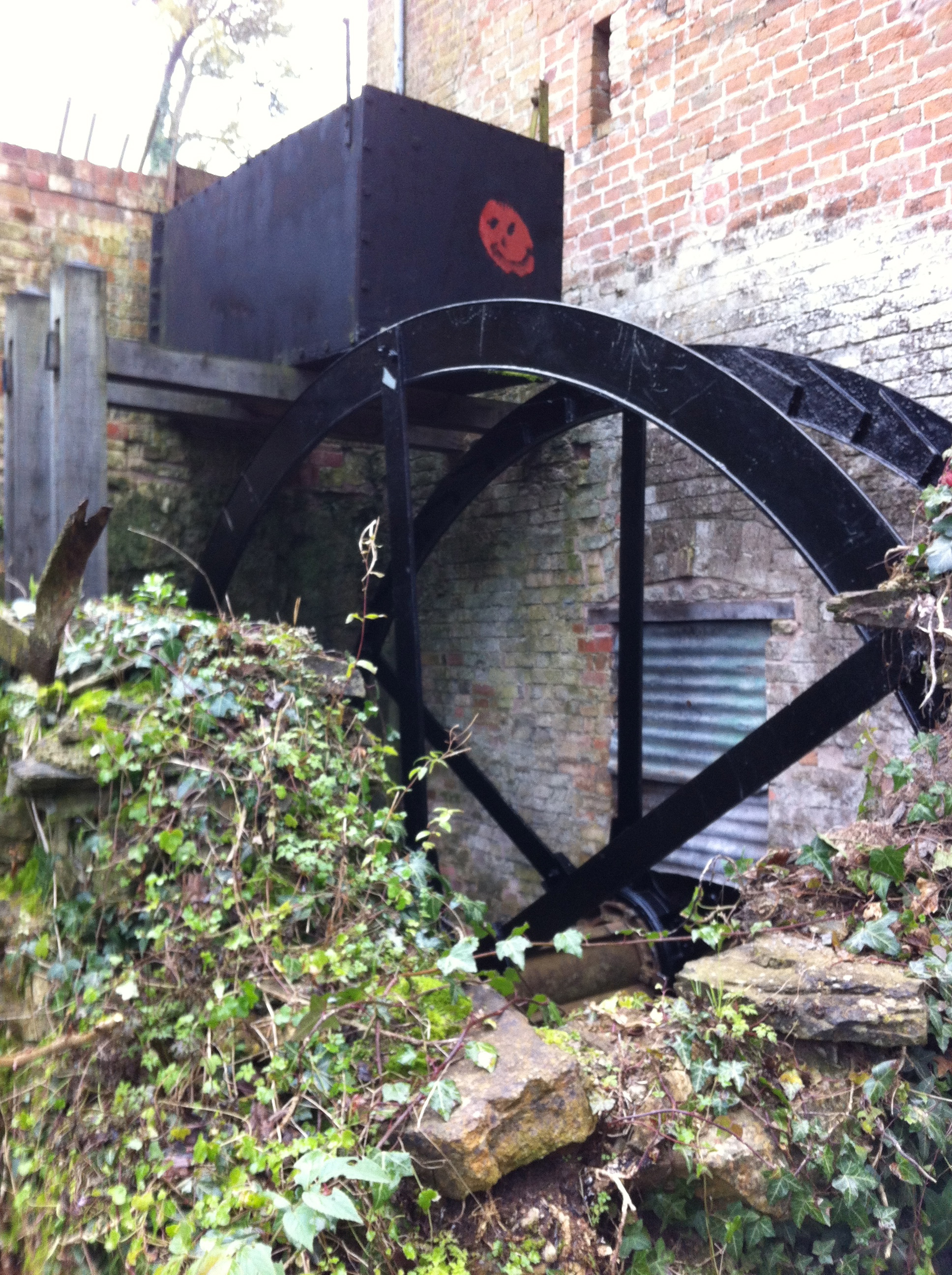
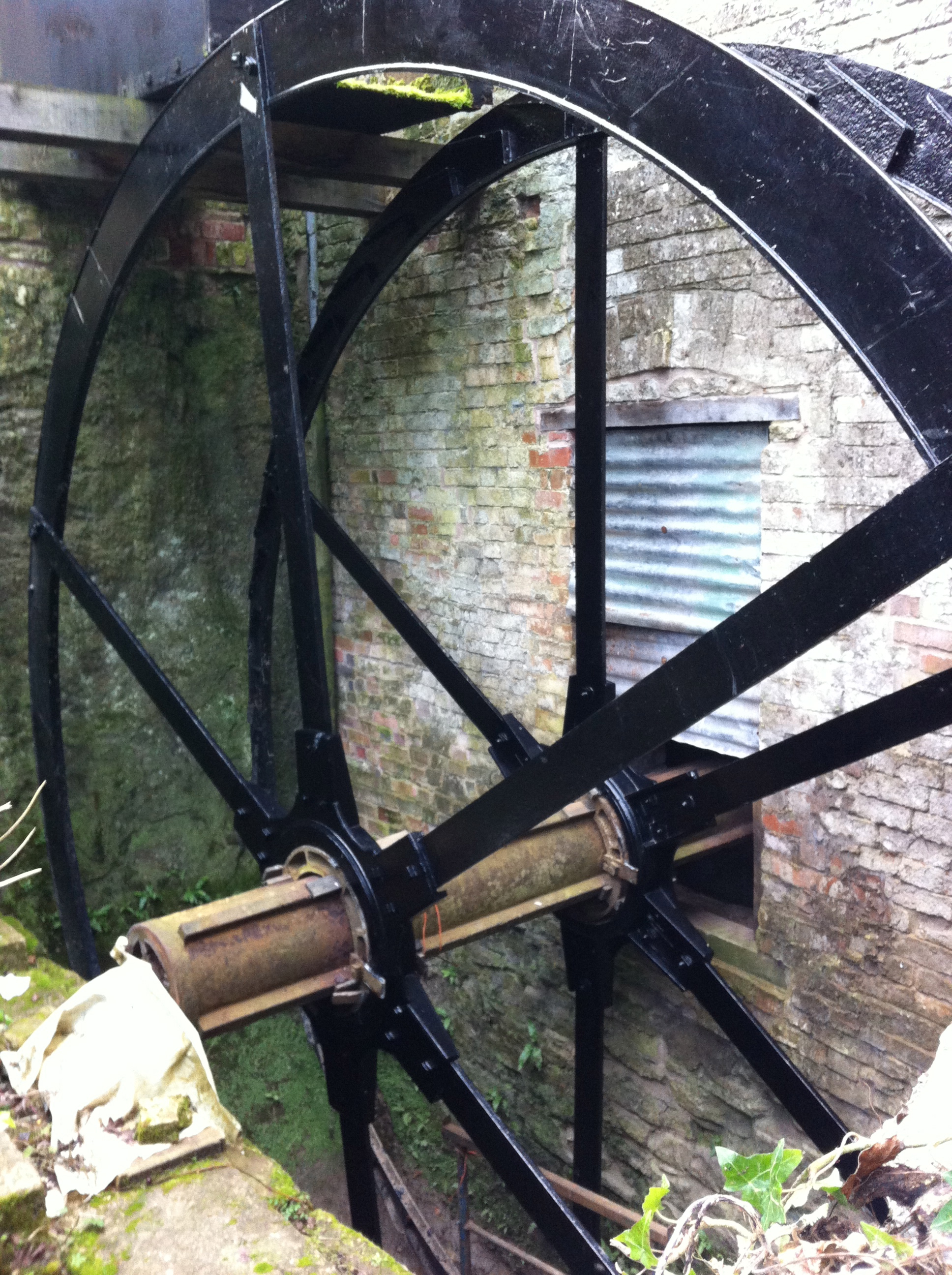
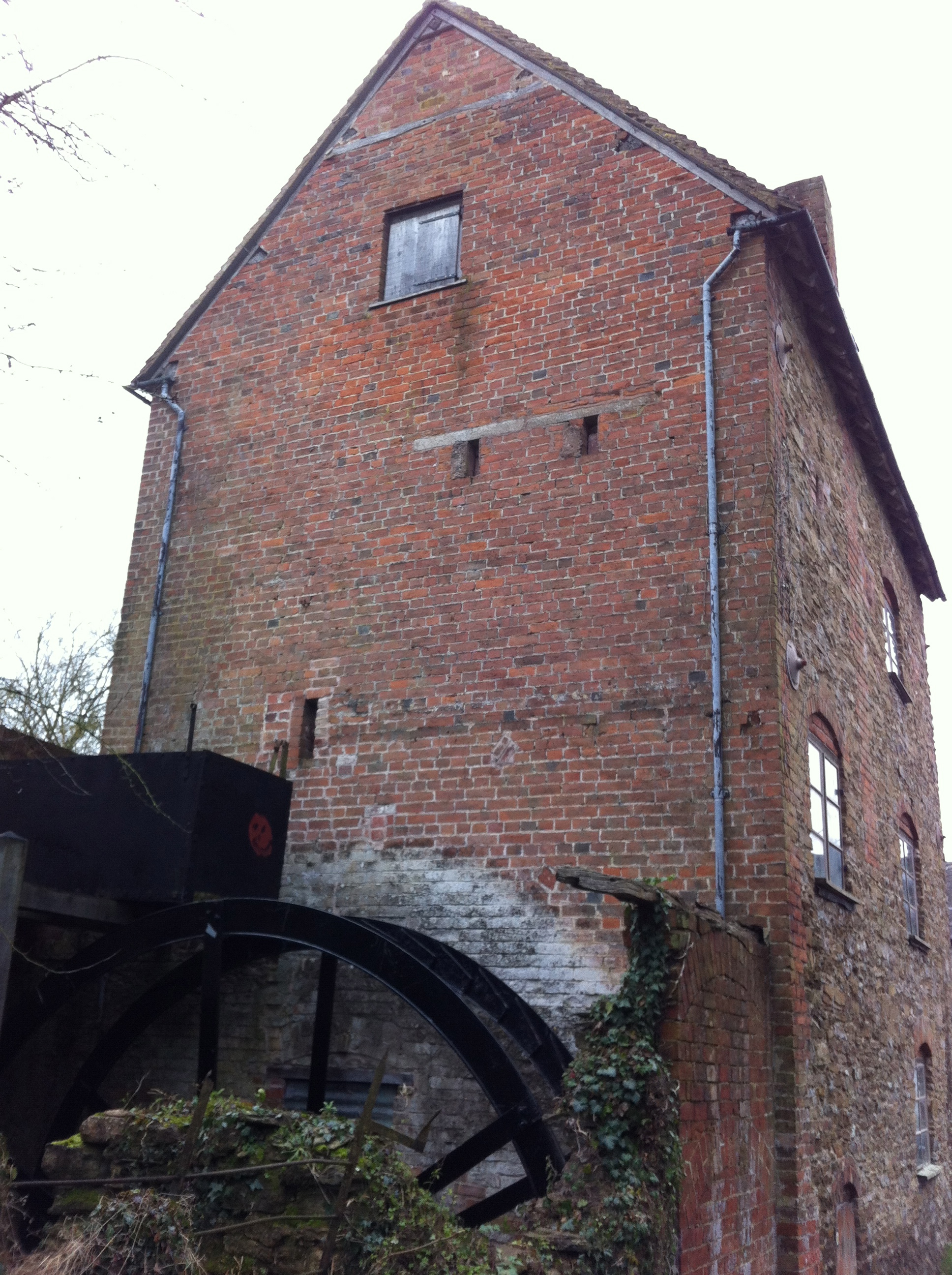
Half a loaf of sourdough loaf comes home with me in my rucksack. My fascination with this walked connection of mill to grain to loaf continues. At Mordiford, I stop to record the sound of the river at the mill
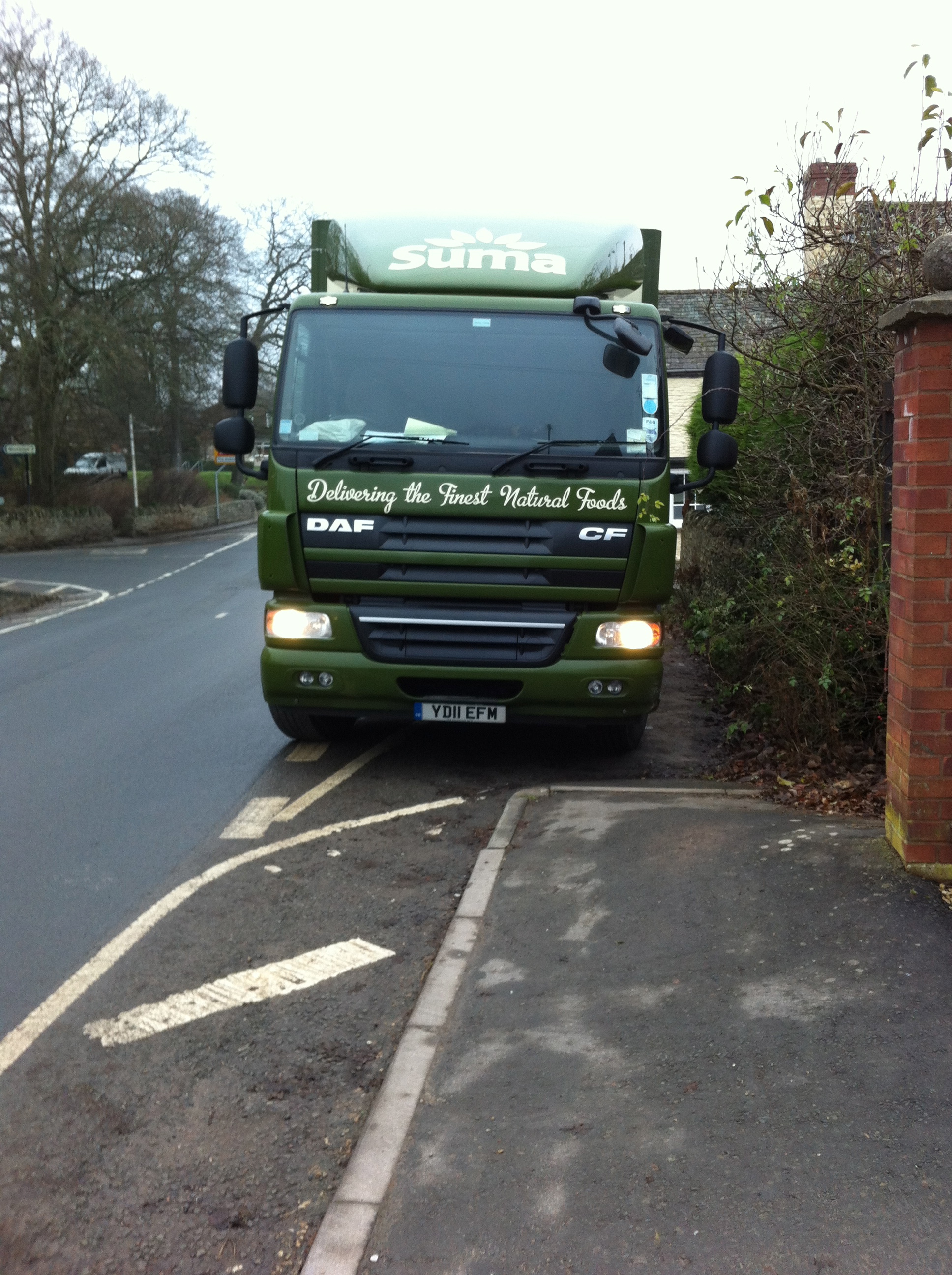
Then returning home through the village, I see a Suma (wholefood cooperative extrordinaire) delivery van and look longingly inside as I pass. I can’t believe I’m suddenly fantastising about food miles…
My knapsack full of sourdough
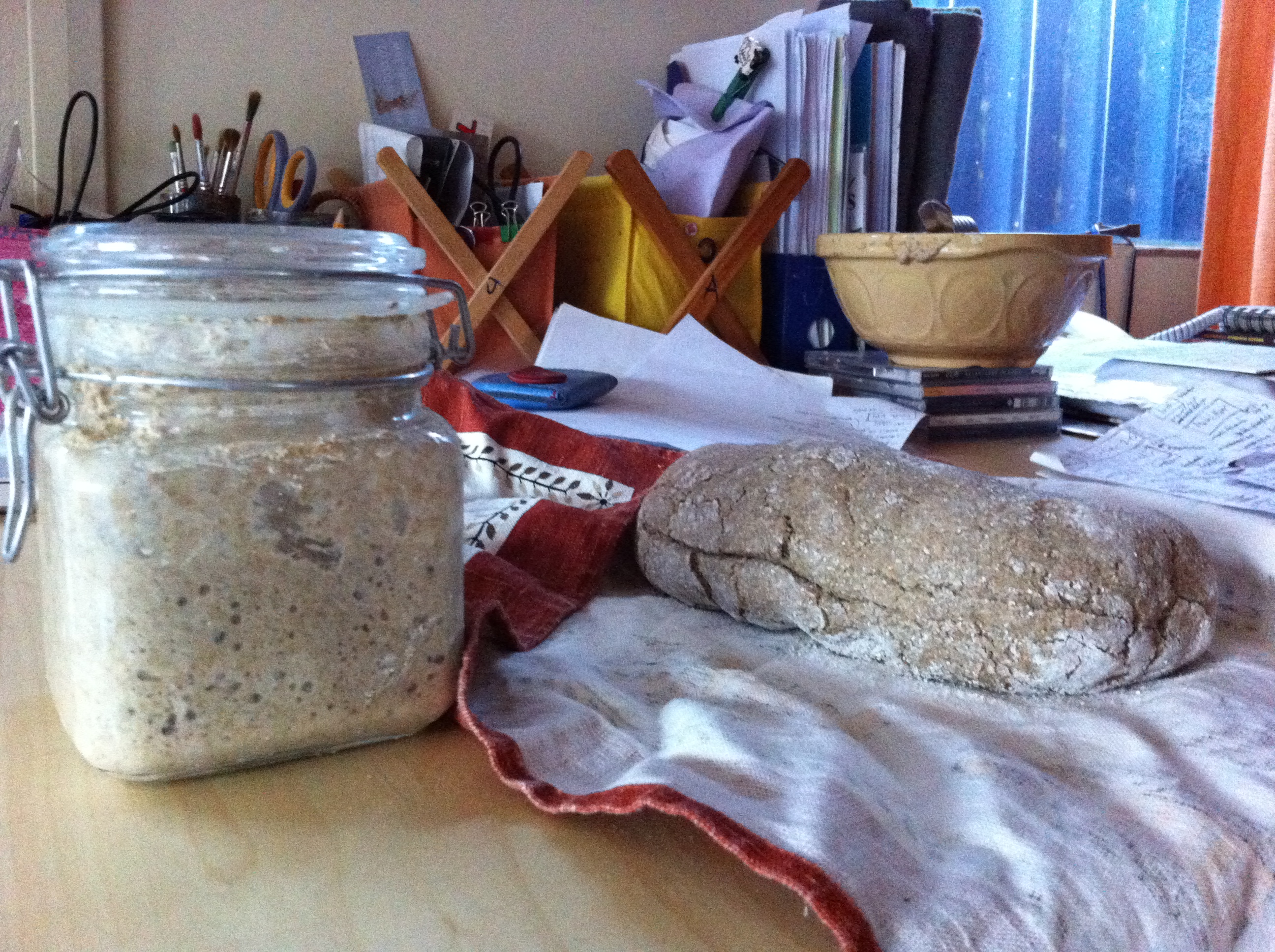
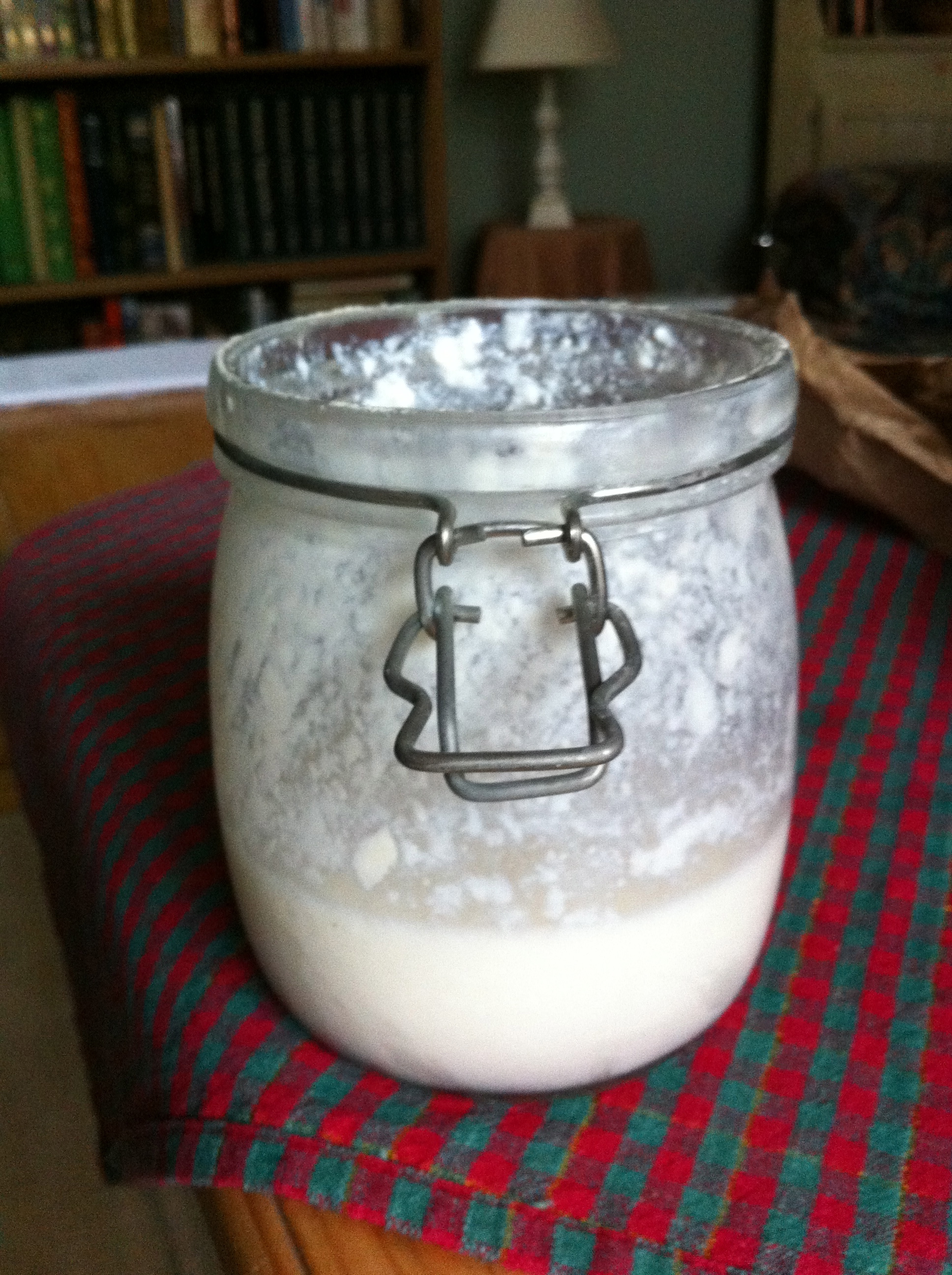
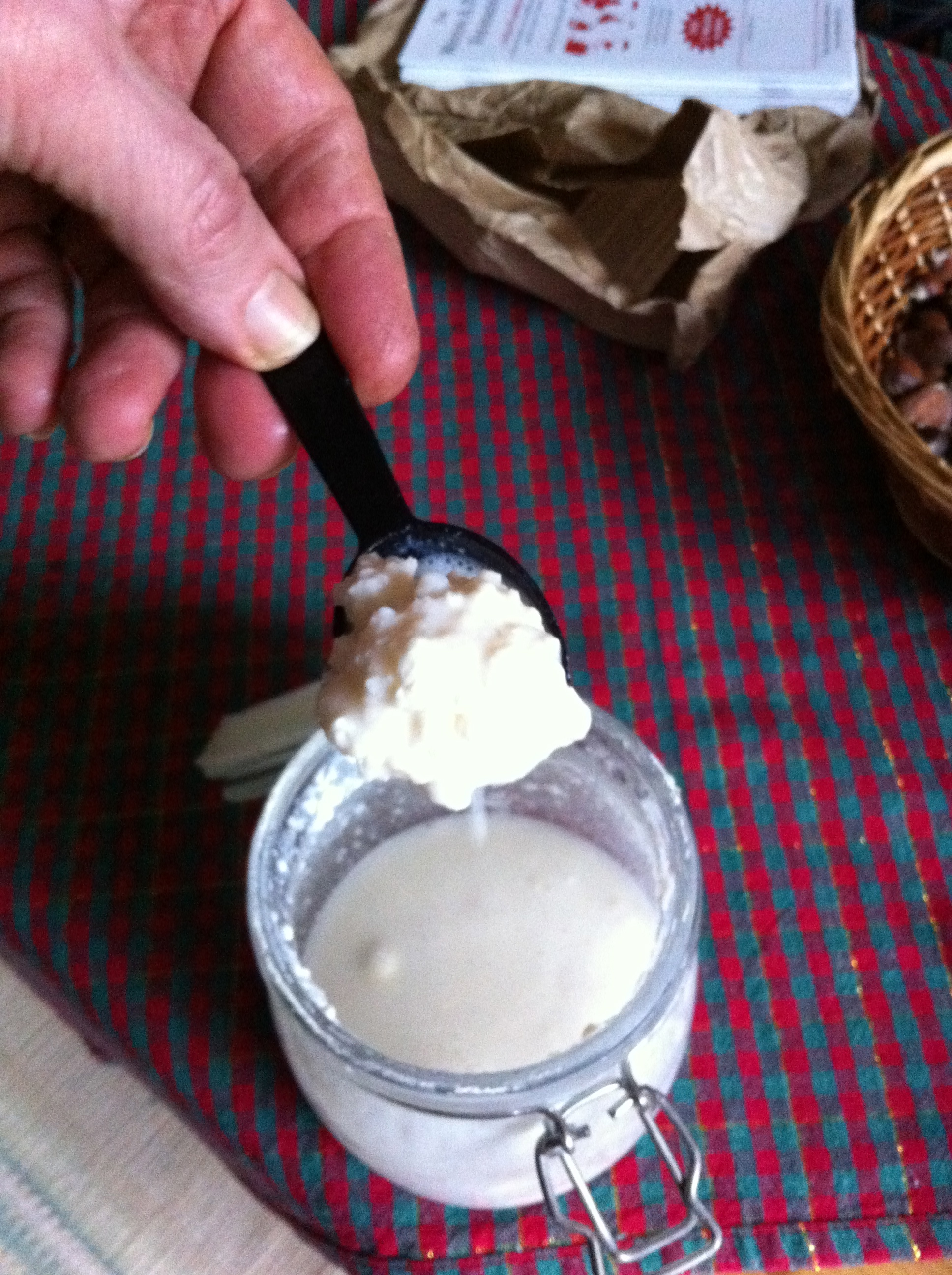
The rye sourdough leaven gifted to me by Gail Sayce on Saturday is refreshed and ready! The yeast – naturally occurring on rye grains – is busy bubbling away. This means I can make proper, leavened bread.
I follow Dan Lepard’s 100% sourdough recipe from The Handmade Loaf (2004, p. 31), making a gelatinised rye mix from hot water and rye flour, whisked into 200g of the leaven and then forming a dense dough by adding more dry rye flour (no salt). I roll it into a baton as instructed before, too late, I realise it won’t fit in my pot. So I turn it into a crab.
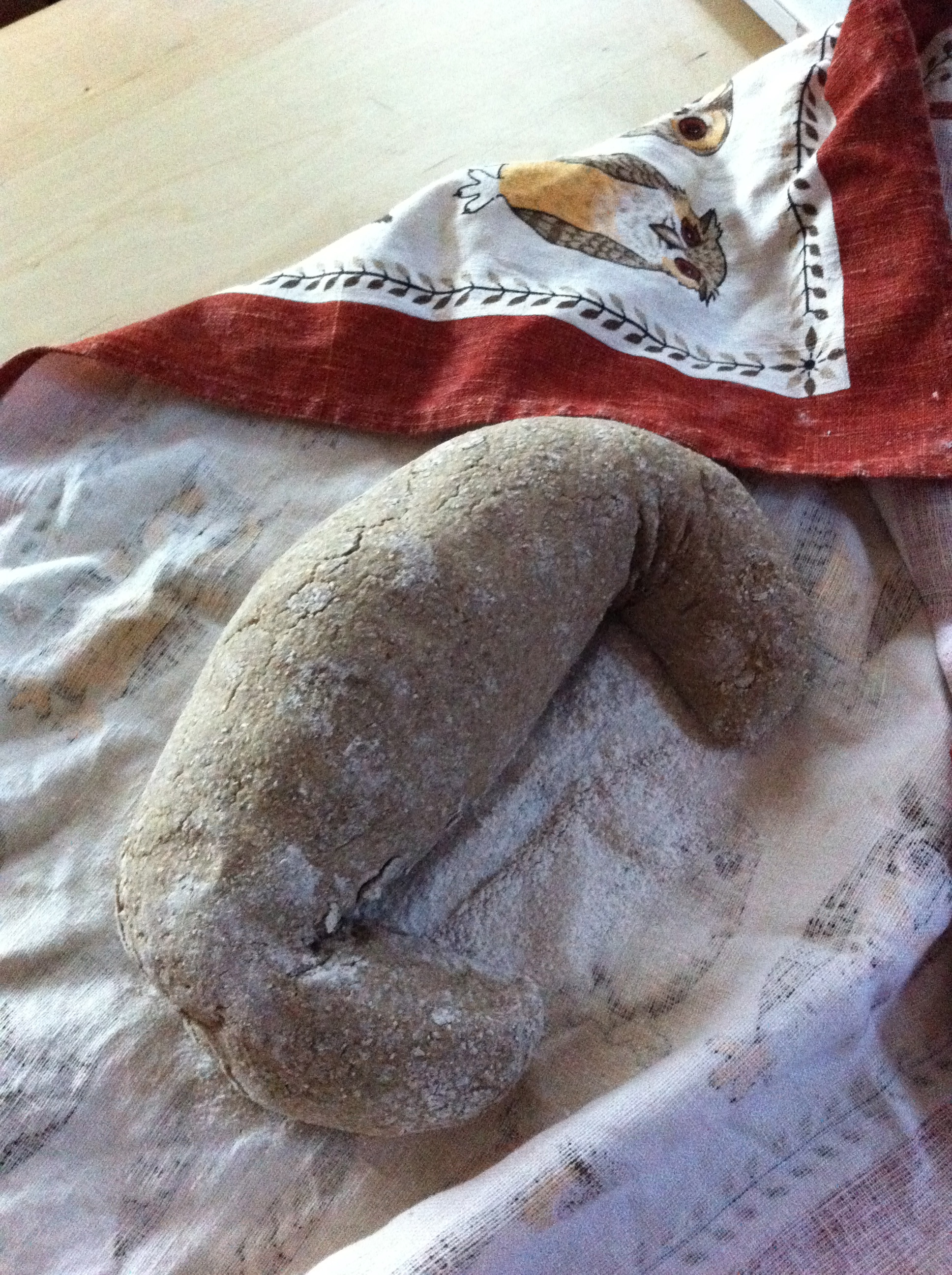
I then realise it’s meant to rise for 5 hours. Disaster! My walk of today is 8 miles into Hereford this evening to visit friends, so I won’t have time to let it rise and cook it on the burner. Then I realise I can take it with me. So, some hours later, I swaddle up the still-rising dough like a baby (crab) and put it in my rucksack, packed against my back for warmth. Then I walk through a cloudless, moonless gloaming which becomes proper, full-blown, dark, subzero night at Mordiford along the Wye Valley Walk into Hereford: along the stank with the Lugg invisibly rushing to my right and then, crossing at Hampton Bishop. The dough-baby-crab arrives looking somewhat premature: a bit grey and not quite well-risen. We bake it in Lucia’s kitchen and I eat my first leavened bread.
There is initial excitement when we think that I can have it with her homemade damson jam because the fruit is from a nearby farm at Martley. Thankful for the deliciousness, it goes on the dry and somewhat unsuccessful bread until 11-year-old Esme comes home and asks, with uniquely youthful attention to the rule of the game: ‘But what about the sugar?’
Oops.
But it’s good to know that I’m making other people think about where their food comes from.


 All in a Day's Walk