All in a Day's Walk
A month-long slow food walking performanceArchive for July, 2013
Guilt and food miles
Guilt seems to be such a fundamental part of being human, that we are constantly needing to categorise it: Catholic guilt, Jewish guilt, Non-conformist guilt (my mother’s), survivors’ guilt, climate guilt and now, for me, (lapsed) vegetarian guilt. I experience plenty of the latter today.
As a former vegan (yes, I’ve worn that badge at the same time as self-reflexively laughing at the brilliant joke: ‘How do you know if someone’s a vegan?’ ‘Don’t worry: they’ll tell you’), I’m aware that lacto-vegetarianism is itself a half-way house in the compassionate farming stakes: even a very conscious and conscientious organic dairy farmer I know has admitted to me that the necessary removal of young calves from their mothers so we can drink the milk that is meant for them is ‘the guilty secret of the dairy industry’. So, I was already battling with some uncomfortable truths in being vegetarian. When I was diagnosed with a serious and potentially debilitating auto-immune arthritic condition 6 years ago and told it was highly recommended I eat fish, I did so, and felt both better and deeply hypocritical. When I completed the last performance of All in a Day’s Walk and heard about the carbon sequestration benefits of local, pasture-fed meat and how this offset methane emissions and provided a source of (local) protein that was not reliant on soya flown in from the other side of the world (and was an important part of maintaining diverse mixed pastoral/arable landscapes), I was forced to weigh up my environmentalism against my vegetarianism. The former won (it had always confused me that even some of the most ardent and eminent environmentalists I know are meat eaters) and I became a slightly reluctant flexitarian. (That is, occasionally eating only local, ethical, usually organic, free-range, pasture-fed meat.) I have also since read Jonathan Safran Foer’s pro-vegetarian treatise Eating Animals – perhaps a strangely counter-intuitive, retrograde choice of book after 22 years of vegetarianism – and, more recently Jay Rayner’s article about a a day in the slaughterhouse. So I remain deeply, deeply uncomfortable by the thought of being part of the meat industry and the killing chain, even in the most (oxymoronically?) ‘humane’ of abattoirs.
However, I am also hungry and in search of local food.
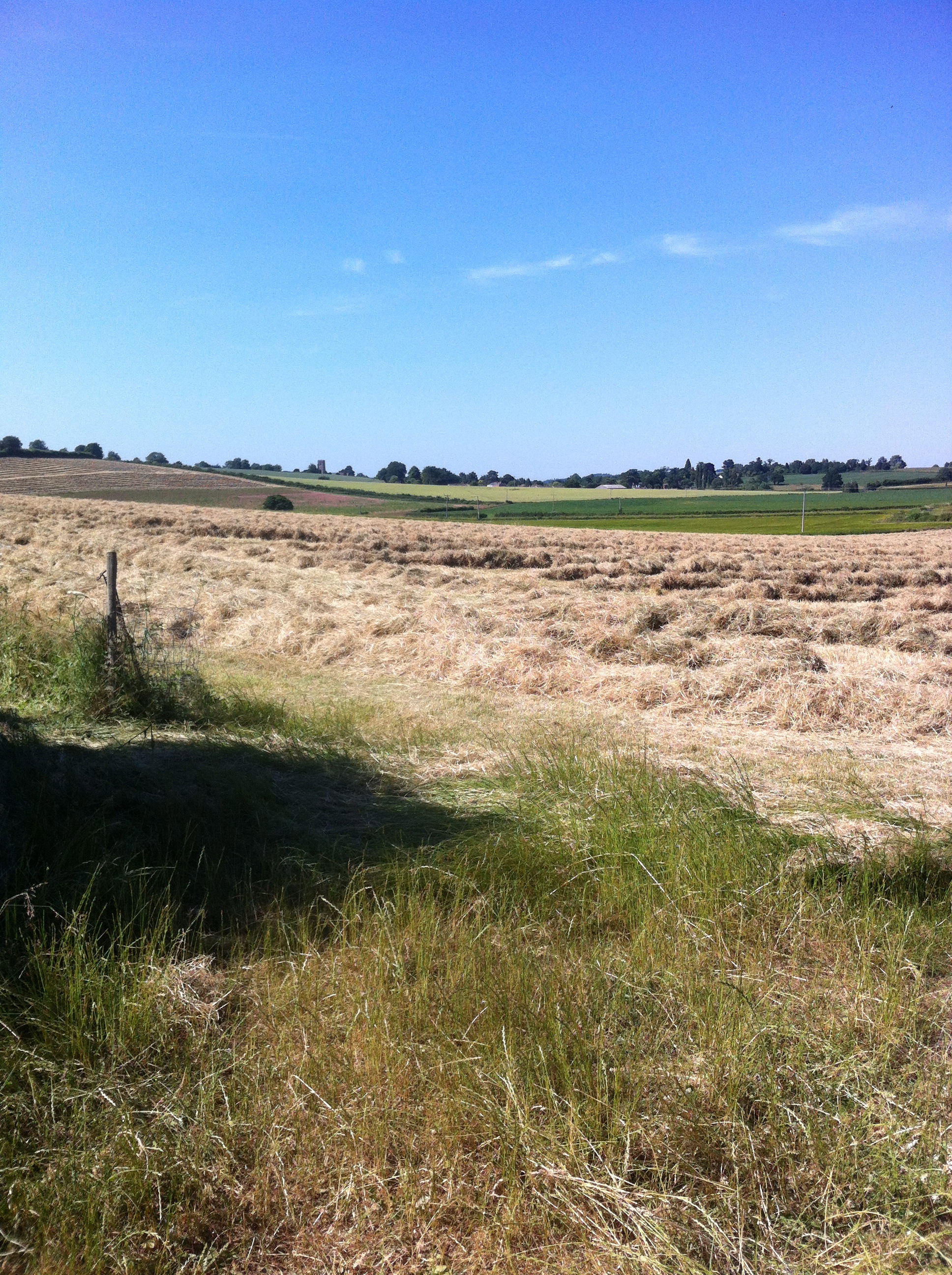
Today my partner’s son is dog-sitting for me, so I plan to do a decent walk to the nearest market town Ross-on-Wye as a reasonable starting point to encounter local growers and sellers. I am following the first part of a route I last walked during the winter performance to interview woodsman Dan at Deep Dean woods (the source of my winter fuel), now crunching and sliding through drying hay (as slippery as winter mud, I’m discovering).
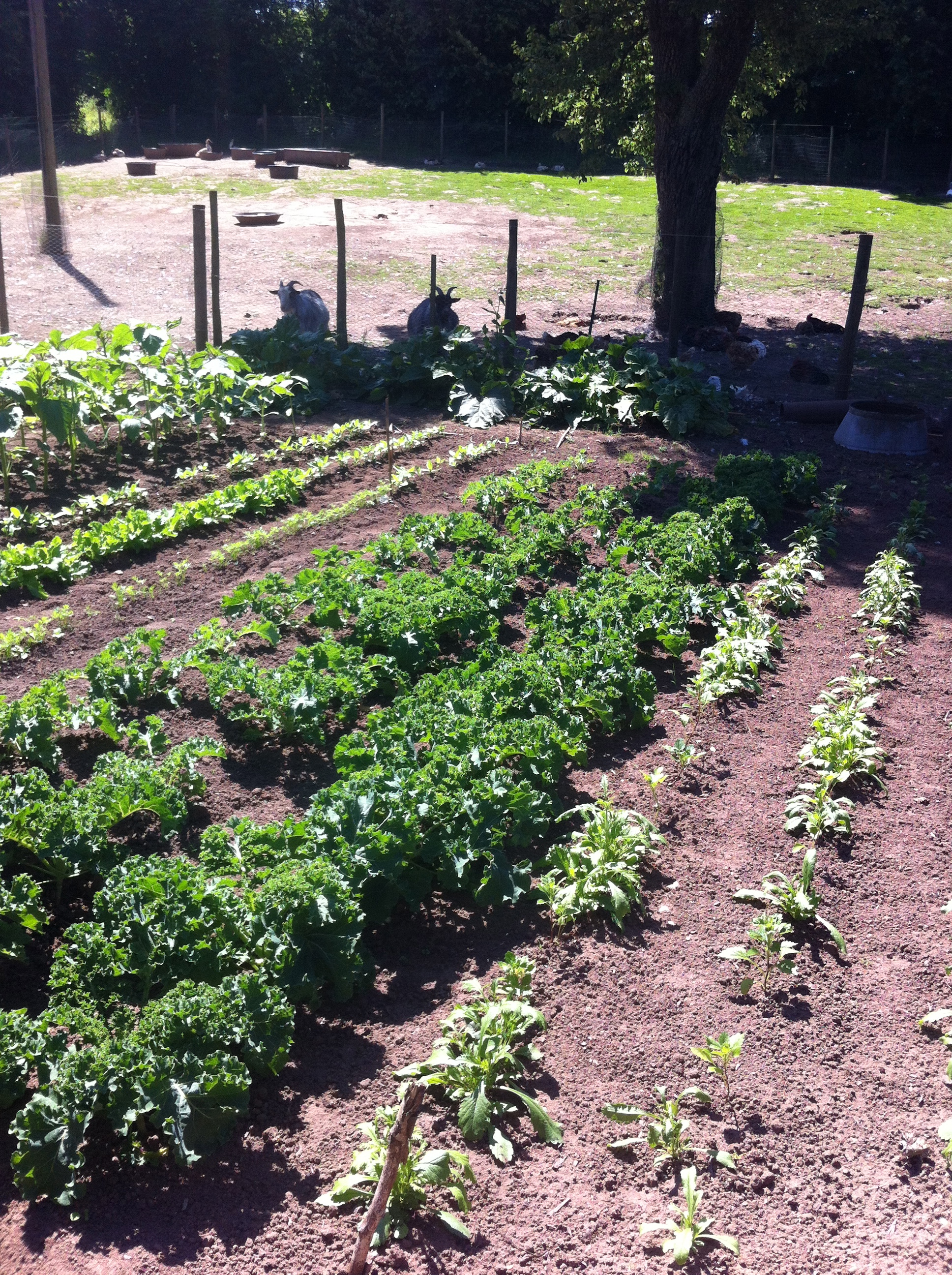
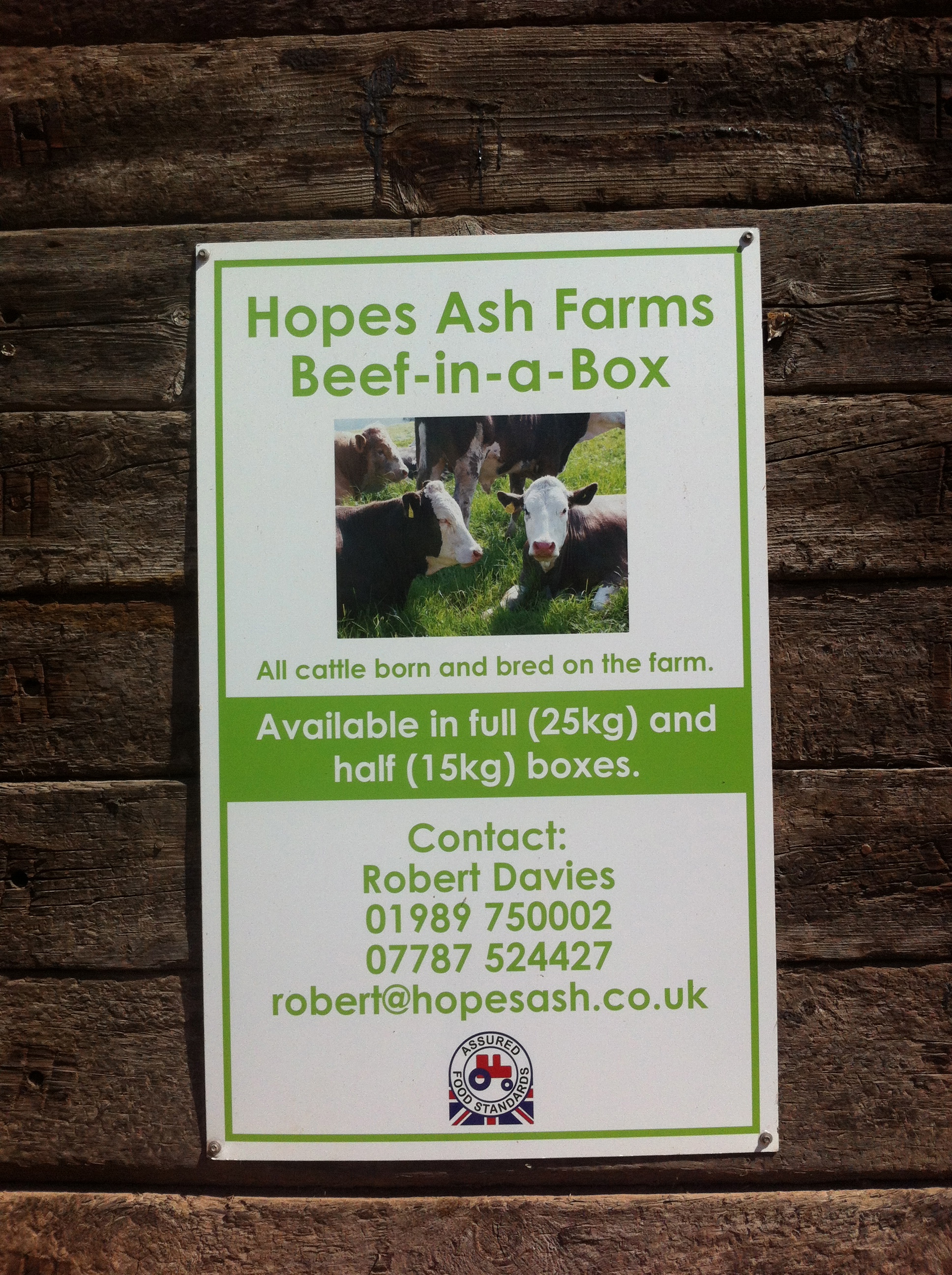
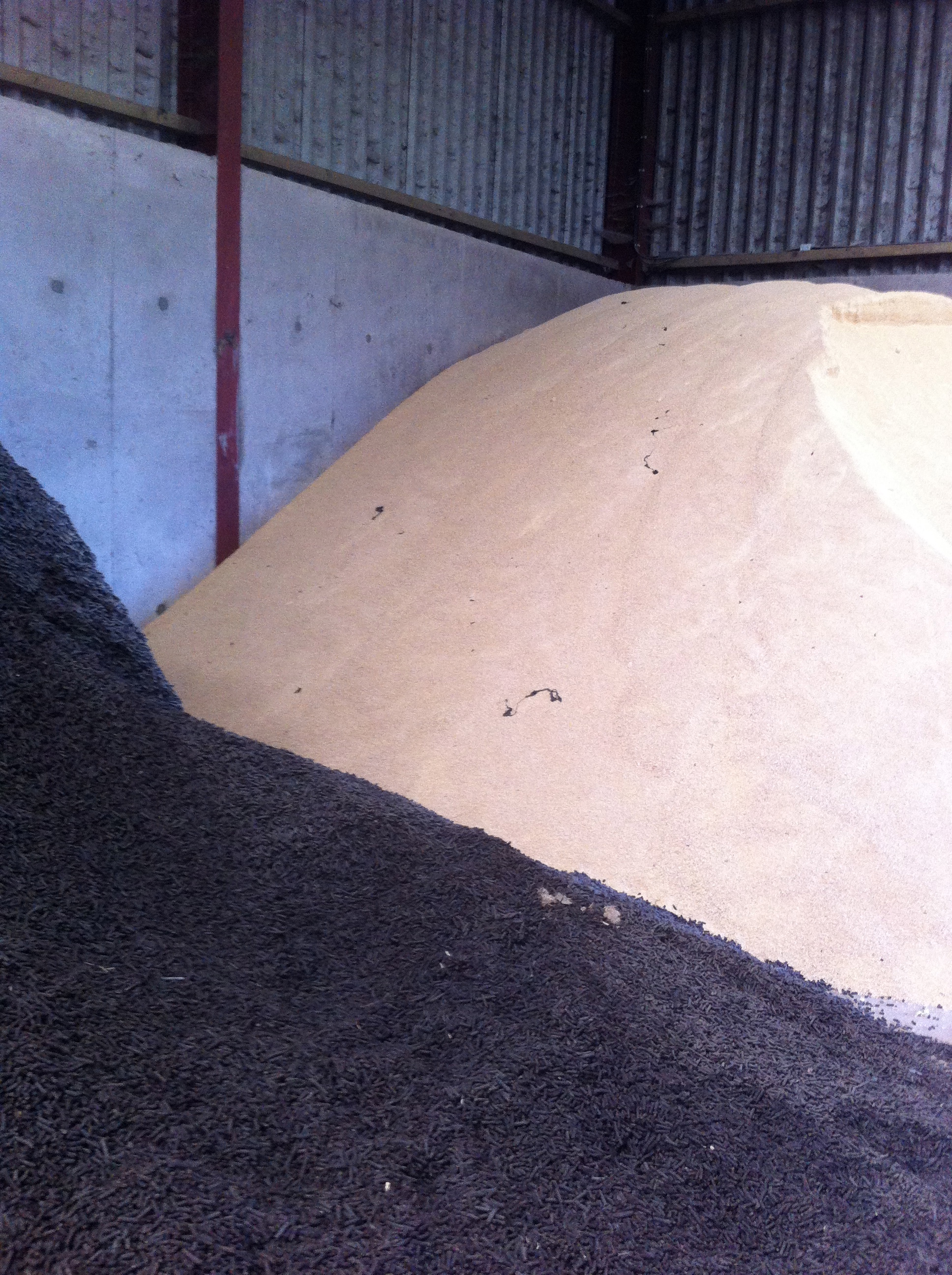
Emerging from the woods below the poetically- (and, for me, autobiographically-) named Dancing Green, I encounter a group of workmen clearing a culvert and in conversation with someone who, from the back, I see is wearing an Open Farm Sunday T-shirt (a good sign, I now realise)… A little nervously – this will be my first true ‘tracktivist’ encounter with strangers to engage in conversation this performance – I stop and ask them if they know of any places selling local food, vegetables, eggs or honey and explain I am new to the area and what I am doing. As usual (because synchronicity is so surprising as to be unsurprising), it turns out this – food miles, local food – is a subject at the very heart of (who I later discover to be) Robert’s beef and dairy farming ethos, and one which he’s been explaining to a group of primary school children just that morning. Not only that but he tells me of a place just back through the woods selling eggs and honey. Success. And if I make a quick detour to get some (sadly they’re no longer selling either but I am kindly given one of the last remaining jars and shown around the magnificent vegetable garden) then head up to his farm on the hill above us, he will talk me through the food miles of the cattle fodder in his grain store. Here is the audio tour of our conversation which ranged from soya to fuel via sugar beet and weather:
Afterwards, and unable to carry a whole Hope’s Ash beef box home, I buy some frozen steak and mince from Rachel in the farmhouse and walk home as fast as possible before it defrosts in my rucksack in the afternoon heat. But as I go, I’m pondering again: I want to support these passionate, articulate local farmers but I’m carrying meat that has been finished with imported soya. If my only reason for eating (pasture-fed) meat is an ecological one, then I’m contradicting myself and might as well eat the imported soya myself (I was tempted, in the grain store). Then again, I think of the eggs that sustained me throughout the last performance and realise (as I hadn’t before) that most free-range hens are fed grain and layers pellets from well outside the county. And so the layers (no chicken pun) of our globalised local food infrastructure peel back and back. All these hidden food miles marching away from me as far as the eye can see – a lifetime’s walking in every mouthful… Food for thought and fodder for guilt.


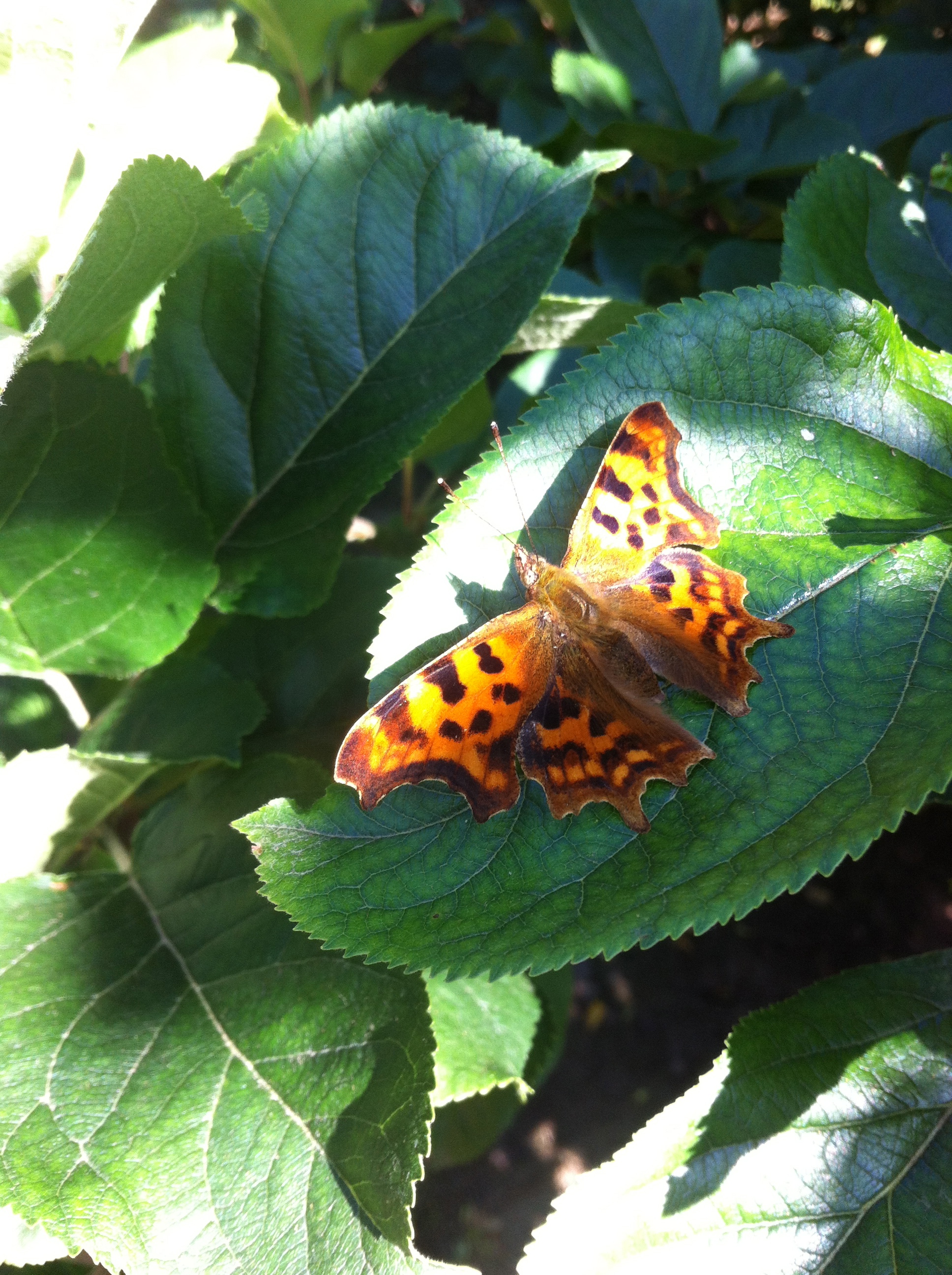
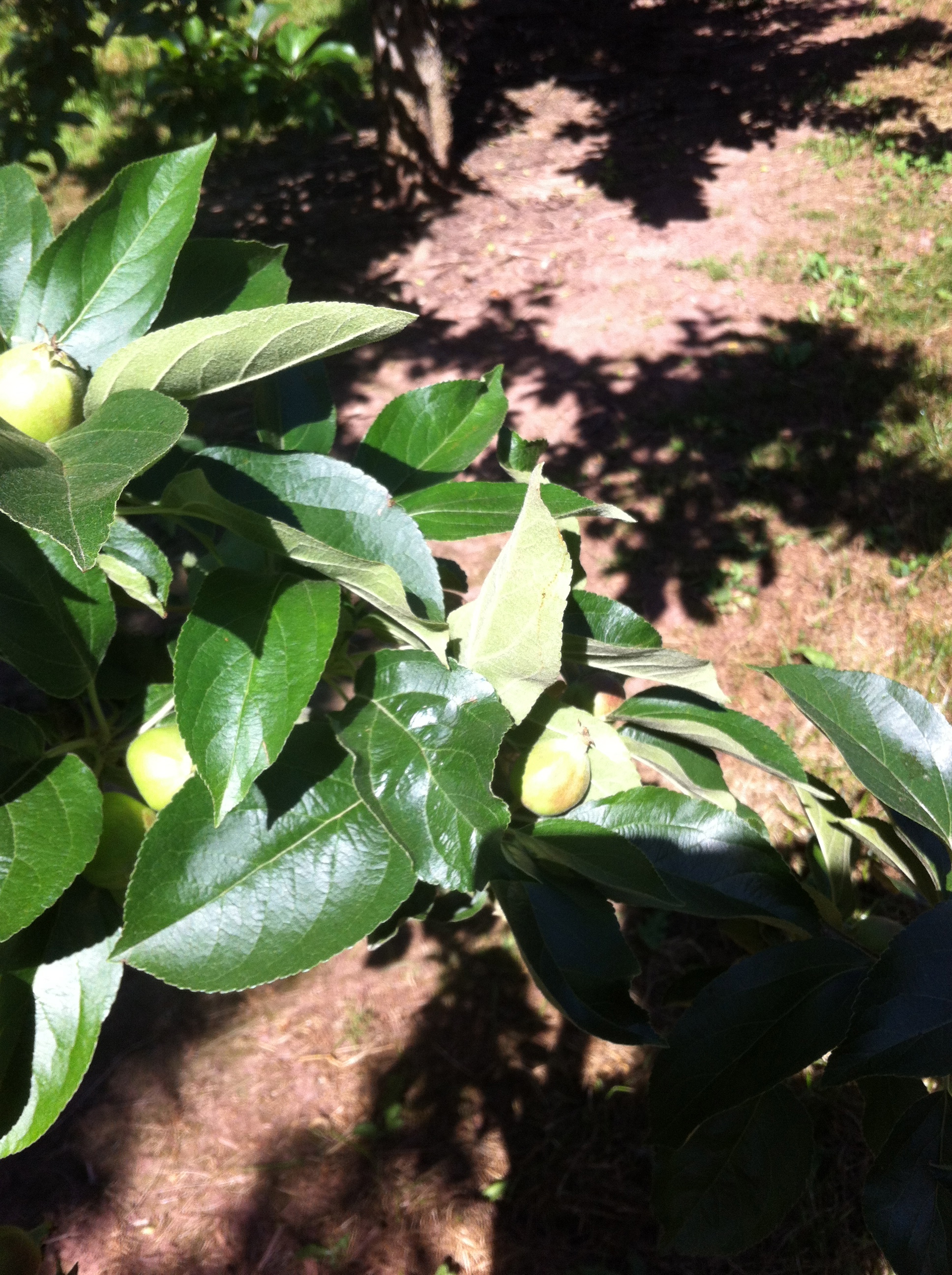
Storm in an egg cup
Hungry, I visit the village shop for an urgent breakfast. I can buy local eggs (Ross), onion, carrots, beetroot (Over/Gloucester) strawberries and raspberries (Newent and Weston-under-Penyard). Phew. I still want to aim to buy direct from the growers themselves, however. And I still have to walk to wherever the produce came from, so I already have a developing list of places to visit. I just need enough energy to make the journey. And, importantly, to talk to people. (In the winter, my hunger was isolating: sometimes I felt too locked in with it to initiate much conversation with strangers.)
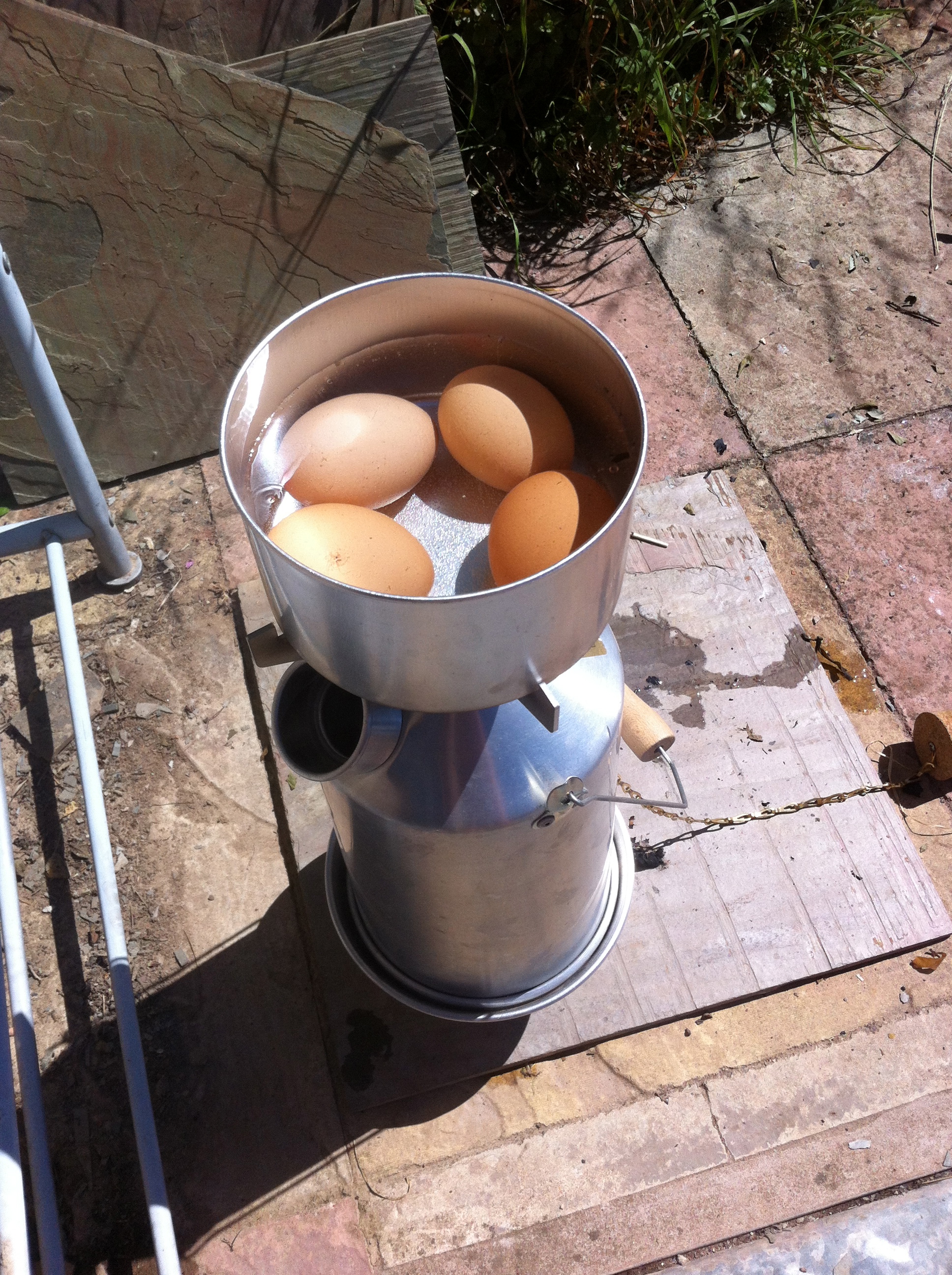
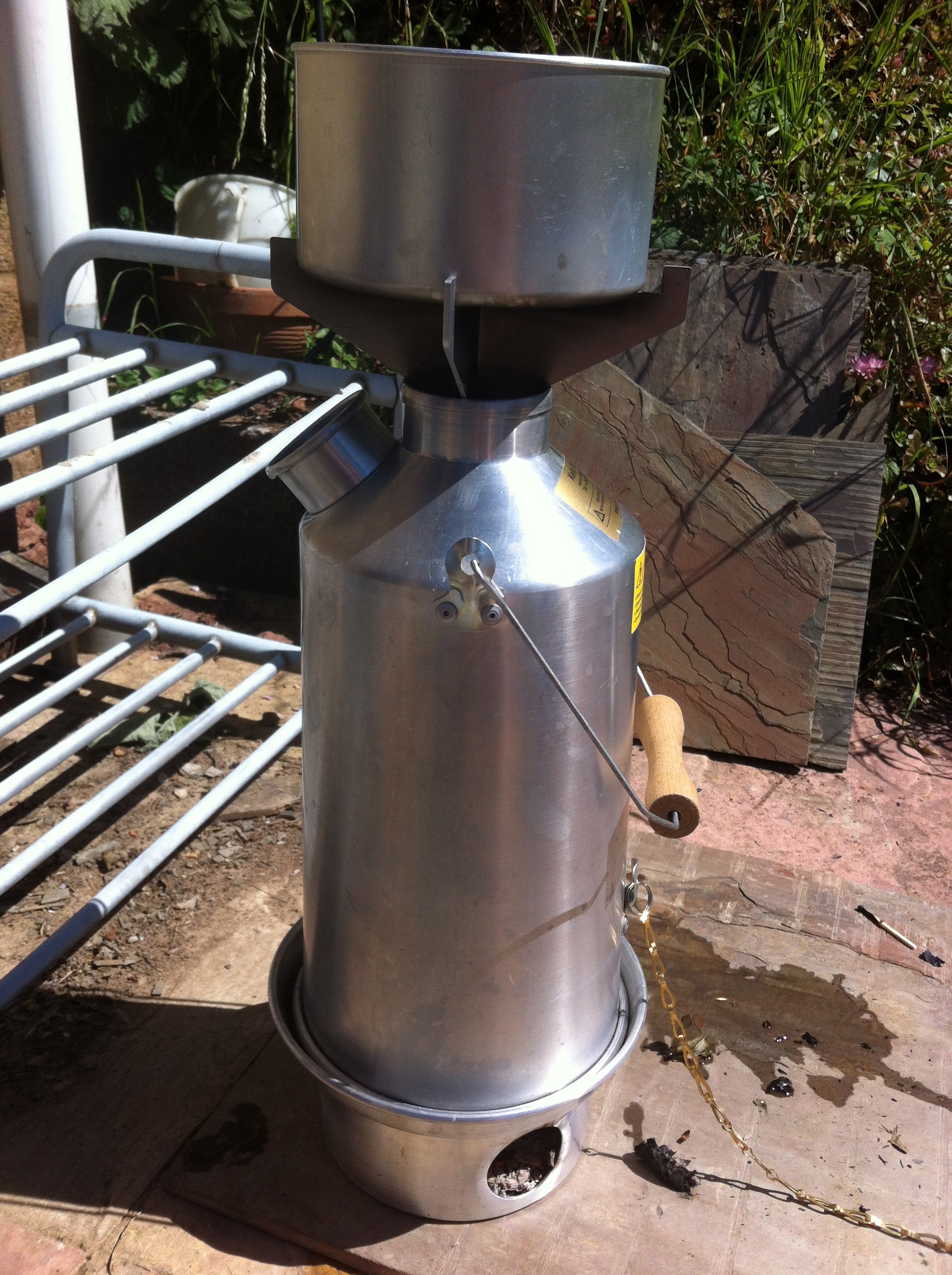
Frustrated, I boil the eggs on my storm kettle. We have never got on, me and this kettle. It boils water OK, but I can’t seem to feed it enough to cook on (The YouTube videos of people calmly making ‘proper’ dishes totally baffle me). I miss my trusty woodburner. We could do anything, me and that Clear View.
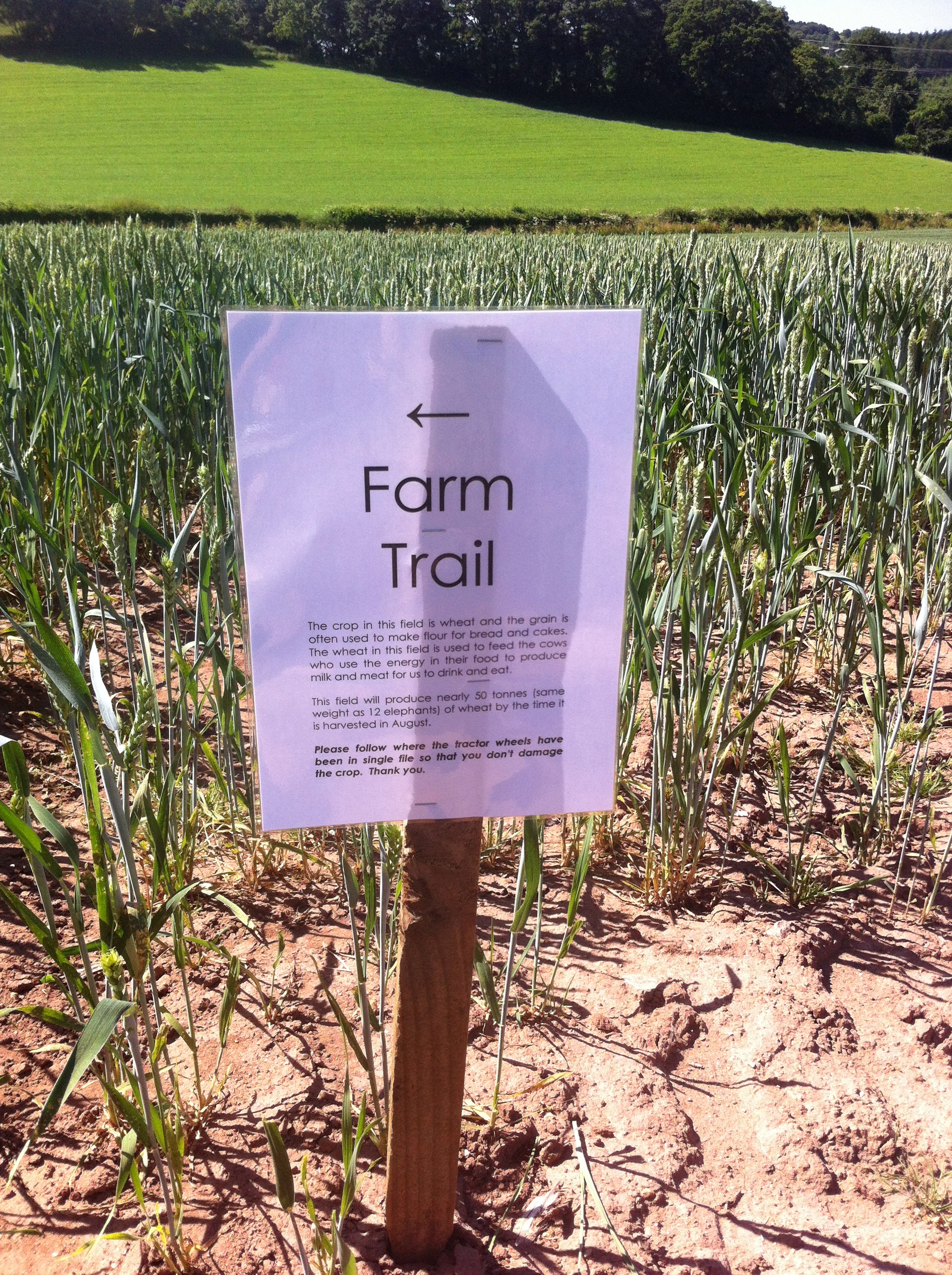
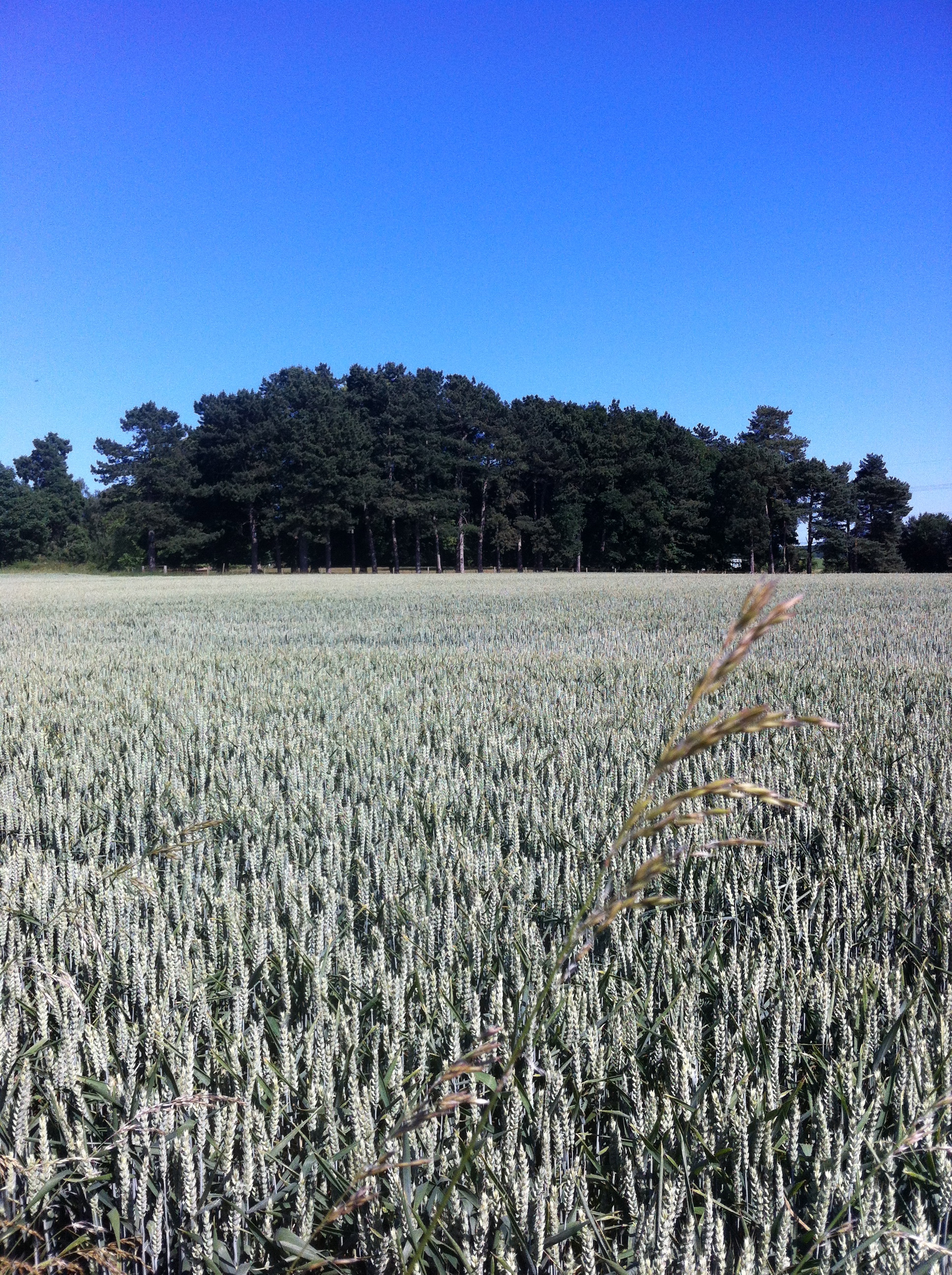
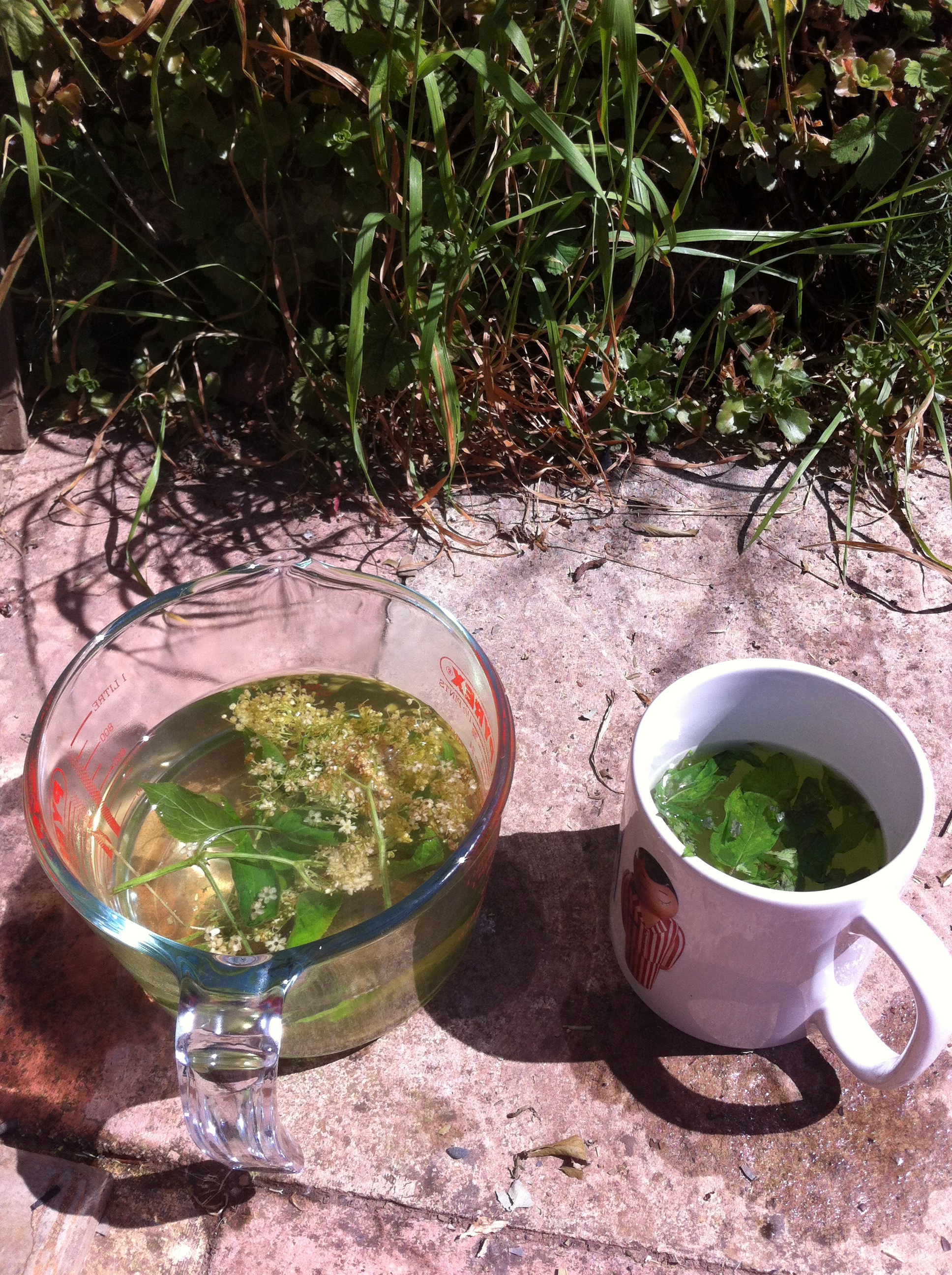
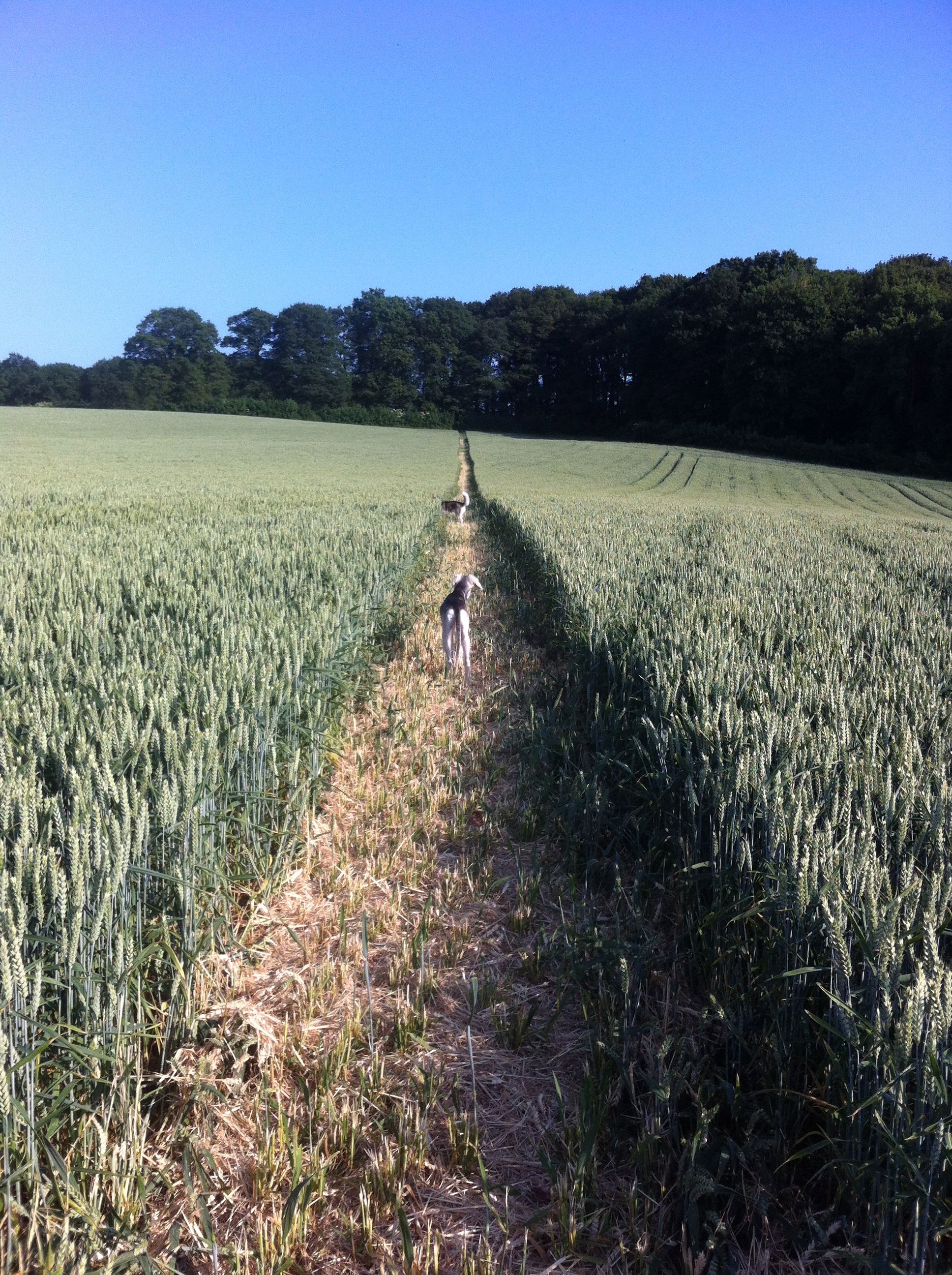
Hot, I walk the dogs through the wheat to the cool of Lea Line woods and back through whispering barley (I try to stop Cai jumping in and out of the crop: I’m suddenly painfully aware of waste and damage. That wheat could be my supper…) and the village allotments (no-one around this evening). I pick elderflowers on the way back, and combine it with mint from the garden to make tea.
Puppy-minding, I will be limited in the distance I can walk for food over the next week because my partner has had to go away and the dogs can’t be left alone too long in the cottage either. Cai’s puppyish personal horizon had become mine: my own edges defined by his (or the ones we have to impose to care for developing joints: otherwise he would bound for miles even at four months old.)
Empathy and wild strawberries


Mads, a good friend and wonderful walking artist I know, recently introduced me to his concept of landscape e m p a t h y: the sensitive, receptive, mutually-supportive relationship we can allow ourselves to cultivate with place as well as people. I love this: it resonates perfectly for me as a much-needed explanation of the way in which the landscapes to which I’ve developed a commitment make a tangible tug on my heart strings, as if I’ve woven myself into them, viscerally. When I first left Aberystwyth for Herefordshire 10 years ago last spring, I felt like I was being unfaithful to Wales by developing a new relationship or love for the (as I saw it then) much tamer and more inhabited landscapes of this ancient border county. I’m ashamed to say I even scoffed at the statistic (true) that Herefordshire is the most rural county in England. To me rurality was directly equivalent to emptiness.
My first job here was a two and a half year stint as a project officer on the Herefordshire Rivers Lifescapes project, attempting to connect wildlife habitat mapping at a landscape scale, with community aspirations for the biodiversity enhancements they wanted to see locally, with the ultimate intention to facilitate community-led landscape-scale conservation. (It was very new, sexy and ambitious and only partially successful: it inevitably needed much more time.) After a full time dance-training hiatus, this was followed by a six year sojourn in local government as a landscape officer, with a colleague both passionate and knowledgeable about these intricate landscapes: ancient and planned, wild and cultivated. Her enthusiasm was infectious and slowly wore away at my deeply ingrained landscape snobbery (and ignorance) as did running, walking, riding and cycling across the county. One day, I was travelling back from a (landscape) conference and seeing the road sign for Hereford, felt a strange pang of both yearning and relief. Then, I knew: this county had surreptitiously made itself my home. Now, I know: (in my appropriation or interpretation of Mads’s term) I have landscape empathy with Herefordshire.
Key to this was my particular relationship with the eccentric, remarkable place that is Caplor Farm in Fownhope (South Herefordshire) where I have lived with my horse Merlin for nearly nine years. It’s a surreal community of people, horses and creatures, randomly juxtaposed in a range of dwellings (yurts, trucks, flats, caravans) to form a bizarre post-modern collage of humanimals. While it had been my intention to leave this year, to move back to Wales and reconnect my empathy strings for those landscapes, I had not expected that the first performance of All in a Day’s Walk would deepen my relationship – my empathy – with this place and reveal to me, as if in neon (or something more ecological perhaps), a vibrant, vital web of passionate and inspiring people I wanted to know better. I also had not expected to fall in love with one of them, nine miles down the road.
So I did leave. Just nine miles down the road, where I find myself now.
I’m a bit in limbo: after three weeks away being an aerial dancing ladybird in north Herefordshire, I’m only just landing. I arrive with a bag of sweaty dance clothes and even sweatier PhD reading, and most of my stuff is still at Caplor awaiting the end of this performance in a month’s time when my yurt will go up in the garden here. Merlin is going to join me next week. I know almost nothing about this area (Lea, Ross-on-Wye). But this time, I do have someone else’s ready-made landscape empathy to rely on.
So, my first walk of the project is with The Pack – my partner and our dogs – up the lane, past Rock Farm (potatoes and raspberries, when they’re ready) to Adam’s Cot (organic or local veg boxes) to arrange livery for Merlin. There, Martin tells me that due to the unseasonal spring, the veg is almost three weeks behind this year and they won’t have anything for me ’til the end of the month. Gulp. But horse livery sorted, we walk on past raspberry polytunnels (won’t fruit ’til next year), down Green Lane to Warren Farm (wheat and potatoes: not ready yet). With Cai, I walk on alone to Aston Crews in search of duck eggs. So far I’ve only drunk some Dragon Orchards apple juice (a gift for a talk at the Ledbury Food Group Ox Roast event) and eaten a head of elderflower (‘are you sure it’s not cow parsley?’ my partner, remembering a blog about a foraging malapropism on Ten Mile Menu that’s been a great source of amusement recently). We find some tiny wild strawberries in the hedge and I graze. Cai is curious but, as a hunter is largely unimpressed by my gathering. No duck or hens eggs left at Aston Crews. I’m hungry. And a bit scared.
So here I am walk-fasting again…
All change
Tonight marks the start of the second, summer performance of All in a Day’s Walk. It was first performed in the incessant rain of a cold, dark and muddy winter, from midnight on 6th December 2012 to midnight on 6th January 2013 (coincidentally Epiphany). Very coincidentally the current performance finishes on the Feast of the Transfiguration of Christ. And currently it is, of course, very very coincidentally Ramadan.
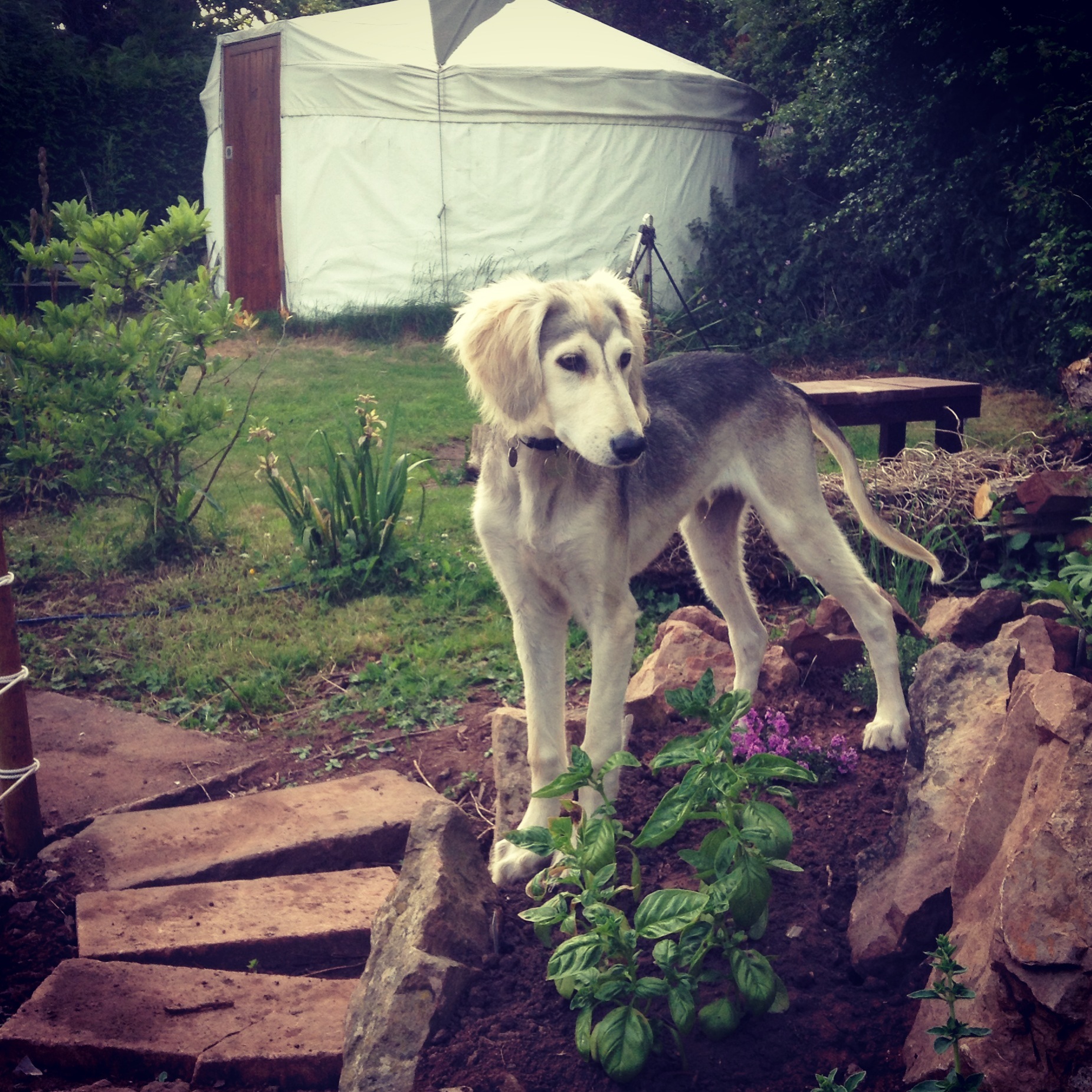
It’s a different season and I’m in a different place, so I’m anticipating a new and different set of problems and provocations. I am living in a cottage not a caravan (albeit with a yurt in the garden). I am living with others not alone. I am cooking on a storm kettle not a woodburner. I am, as a result of the last performance, a reluctant and uneasy ‘ethical’ meat-eater (a flexitarian, apparently) and I now seem to tolerate a certain amount of dairy. I’m still an auto-immune arthritic avoiding potatoes. I am now a dog owner (more limiting than it might sound, because a four month old puppy can’t walk very far, or isn’t meant to). I am still a horse owner. I have spent the last three and very intense weeks being an aerial dancer.
I’m a bit tired, to be honest.
And I’m not sure how prepared I am for any of this. But let it begin anyway…
All in a Day’s Walk (Again)
All in a Day’s Walk is a month-long tracktivist walking performance. It was first performed in the winter, from 6th December 2012 to 6th January 2013. It is now being repeated in the summer, from midnight on 6th July to midnight on 6th August. During this time, I will live entirely within the distance I am able to walk away from home in a day, sustaining myself only on the food that is grown, harvested, processed and obtainable within this distance. I will walk as far and as frequently as I can, measuring out by foot the new limits of my new month’s (and new home’s) existence-subsistence-persistence. I will travel only on foot, accepting no lifts and using no public transport. I will not accept hospitality or food from hosts or visitors that does not meet these criteria. I will try to follow all the rules even if I can’t answer all the questions. And I will be curious about seasonal difference.
Tracktivism is about talking and listening, and I hope my walks will facilitate plenty of that: conversational encounters with the people I meet, either randomly on my route or pre-arranged at a specific destination… walkers, farmers, growers, millers, bakers, apiarists, artisan cider-producers, foresters, road-workers, yurt-makers, hauliers, butchers, bakers and candlestick-makers. We might talk about the weather. We might talk about talking. We might talk about walking. But we will most probably talk about f o o d , where it comes from, and why it matters…
It’s slow food meets slow activism meets slow performance. So, please take some time to meander through these pages if you wish, and leave some slow comments…
Jess Allen 06/07/13
Lea, Ross-on-Wye, Herefordshire, HR9 7JZ


 All in a Day's Walk